



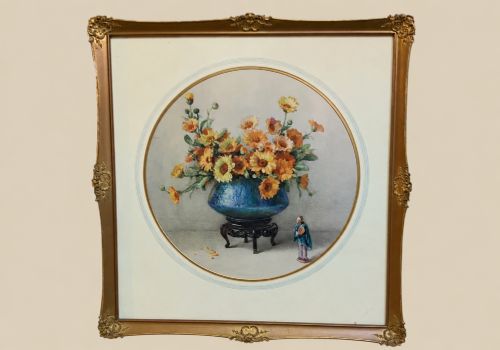
Victorian Framed Watercolour
These pieces of Victorian framed watercolour bring nineteenth-century hand-painted works on paper into modern interiors inside original period surrounds.
Victorian Framed Watercolour
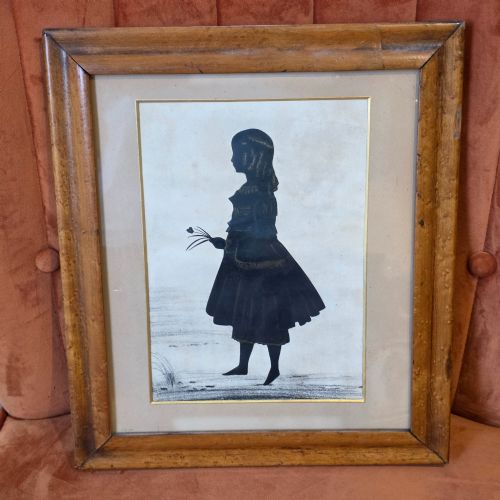
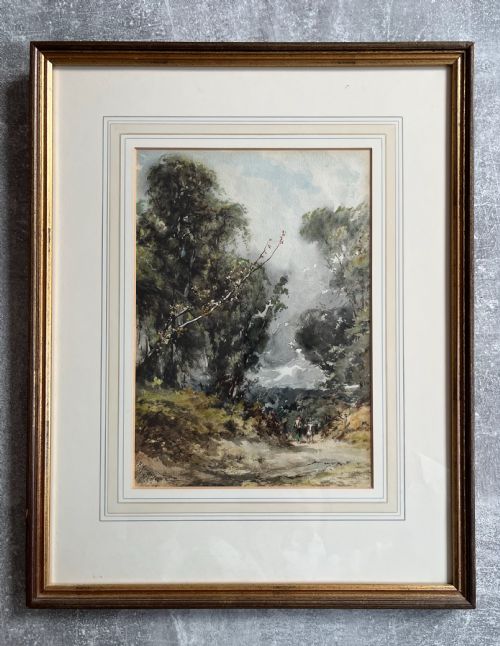
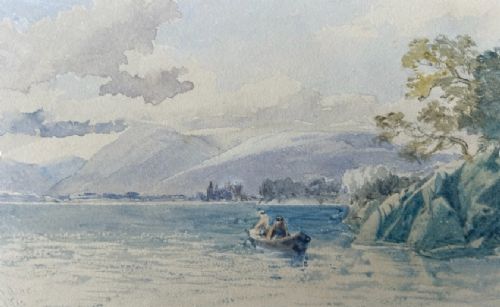
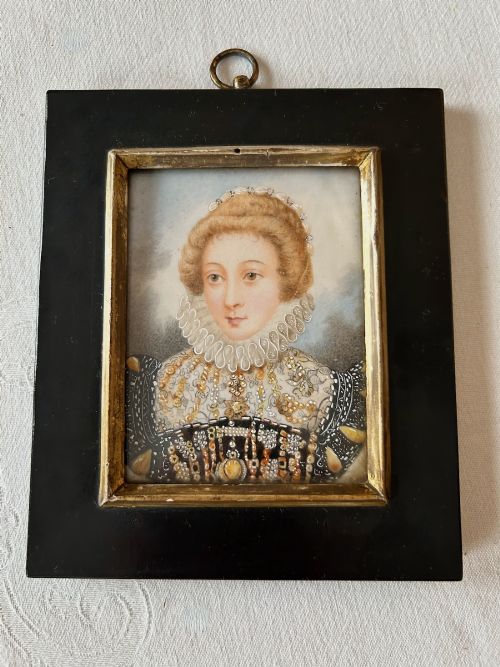
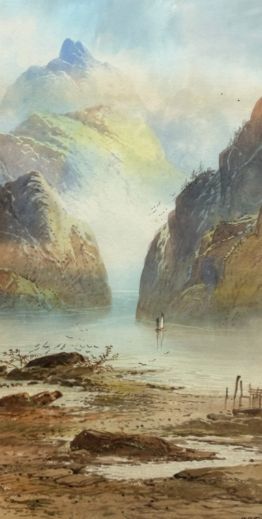
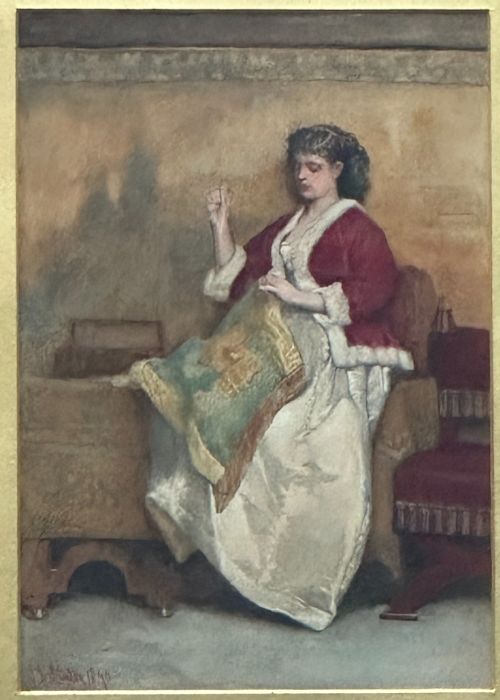
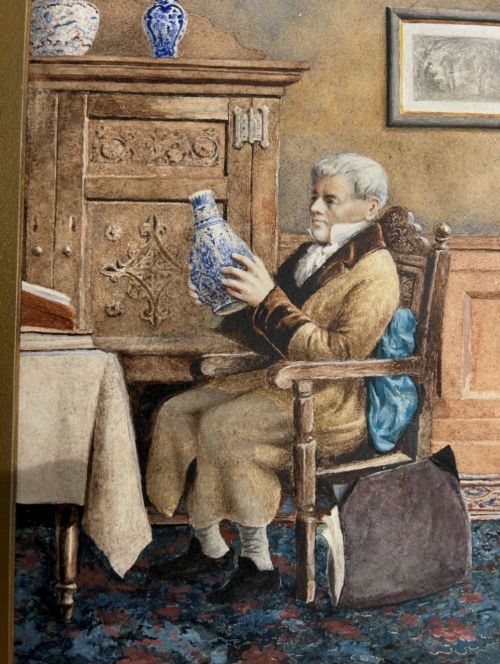
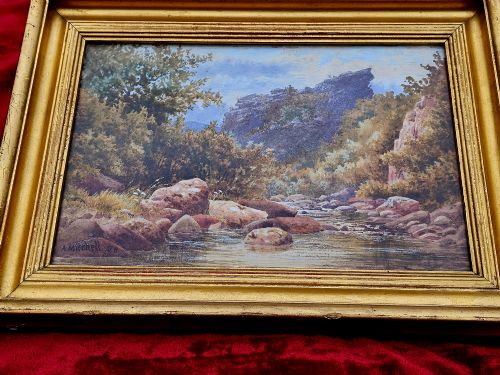
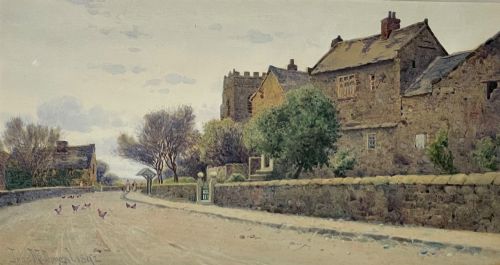
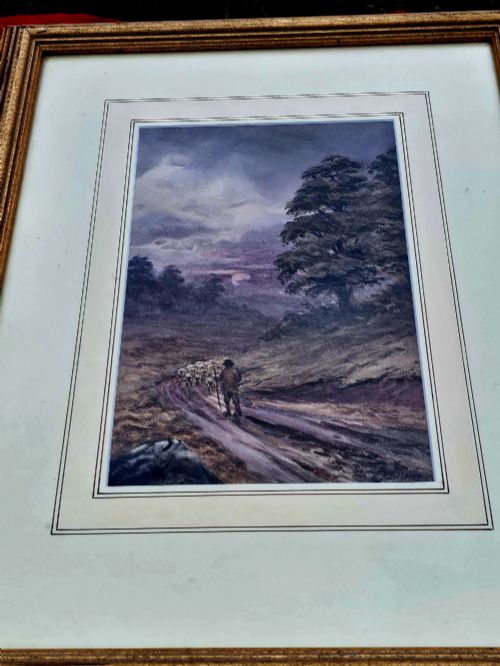
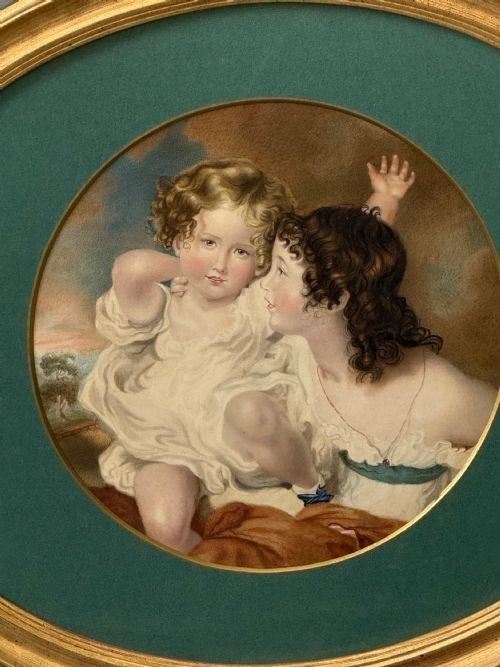
A Victorian framed watercolour typically presents original works on paper executed in pigment, capturing landscapes, marine scenes, botanical studies, and portrait miniatures.
Most examples originate from the nineteenth century, encompassing periods from the Regency era through to Edwardian years, reflecting contemporary tastes in domestic art.
Subjects range from expansive Scottish landscapes and coastal harbours to intimate still lifes and character portraits, all preserved beneath protective glass.
Materials and construction
Artists applied watercolour pigment onto absorbent paper sheets, sometimes combining bodycolour or gouache to build opacity and depth.
Protective glazing in glass guards the delicate pigments from atmospheric moisture and handling damage.
Framing often involves wood mouldings, frequently highlighted with gold leaf or gilt wood to complement the painted artwork.
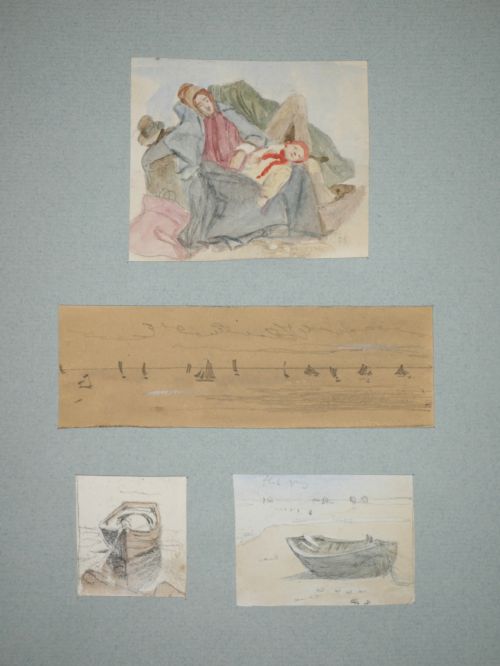
Works span portraits, botanical studies, and maritime scenes created during the Victorian and Edwardian periods.
Distinctions in execution
Quality rests upon the sureness of the brushwork and the artist's ability to capture light, atmosphere, and form across the paper surface.
The condition of the pigment matters greatly, as faded colours reduce the visual impact of the composition.
The integrity and originality of the surrounding frame contribute to the overall authenticity and visual harmony of the piece.
William James Hubard·George Fotherly Hargitt·Thomas Miles Richardson Jnr·James Orrock·William Henry Earp·Henri Fradelle·Henry Stacy Marks·James Smetham·John McDougal·EJ Letheren·William Banks Fortescue·Robert A Nottingham·Henry Silkstone Hopwood·Vincent Clare·R Hurst·Robert Thorne Waite·Th Thibault·Joseph H Barnes·Ernest Arthur Rowe·Frederick Walker·TB Hardy·Frederick James Kerr·Catherine Thomas·Carlo Ferranti·Frederick Tatham
The Victorian Framed Watercolour Glossary
- Watercolour pigment
- The finely ground colour particles suspended in a water-soluble binder used by artists on paper.
- Gilt wood
- Wood carved and coated with a thin layer of gold leaf or metallic paint to create a decorative frame.
- Portrait miniature
- A small-scale painted likeness, often executed with fine detail on paper or mounted under glass.
- Works on paper
- A collective category encompassing drawings, watercolours, and silhouettes created upon paper supports.
- Monogram
- A stylized set of initials used by an artist to sign a work instead of a full name.
Victorian Framed Watercolour: Frequently Asked Questions
How should I hang a framed watercolour?
Position the piece away from direct sunlight to prevent the watercolour pigments from fading over time.
Ensure the wall is stable and use appropriate fixings that support the weight of the wood and glass frame.
Can I remove the watercolour from its frame?
Leaving the artwork inside its original frame protects the paper from dust, humidity, and accidental surface contact.
Opening the back can introduce air and pollutants that damage nineteenth-century paper over prolonged periods.
How do I identify a nineteenth-century watercolour?
Examine the paper stock for watermark indicators and check the reverse for period inscriptions, dealer labels, or artist signatures.
Stylistic cues such as costume details and subject matter often align with Victorian or Regency aesthetic preferences.
What maintenance do these watercolours require?
Keep the glass clean using a dry microfibre cloth, taking care not to spray liquid directly onto the frame edge.
Maintain a stable room temperature to protect both the wooden frame and the delicate paper support.