


Allegorical Wall Art
Allegorical wall art brings together classical symbolism, mythological figures and moral themes rendered in oil, print and relief.
Allegorical Wall Art
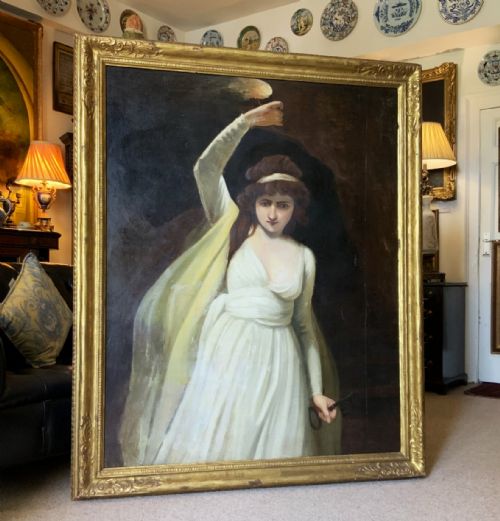
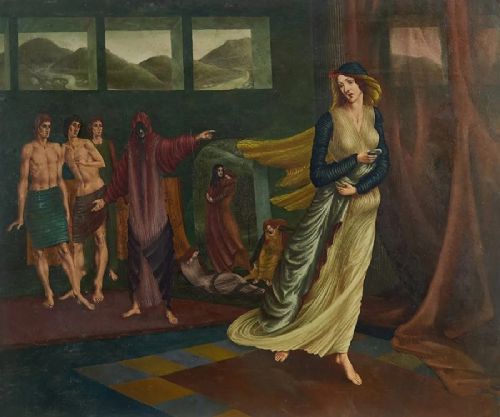
Allegorical wall art consists of works depicting personified concepts, mythological deities, seasons and virtues designed for display on interior walls. When exploring allegorical wall art, buyers encounter a diverse range of formats spanning multiple centuries and European traditions.
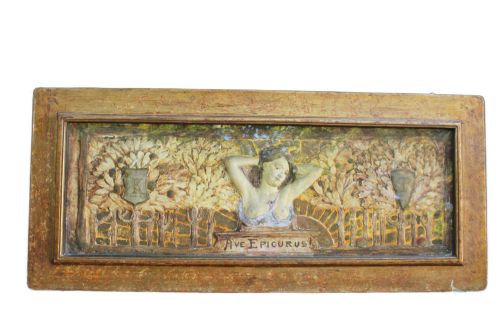
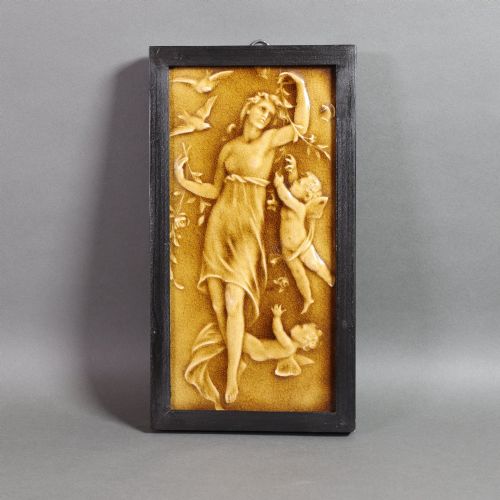
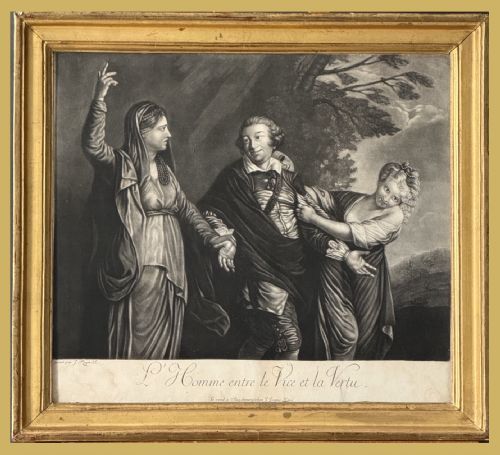
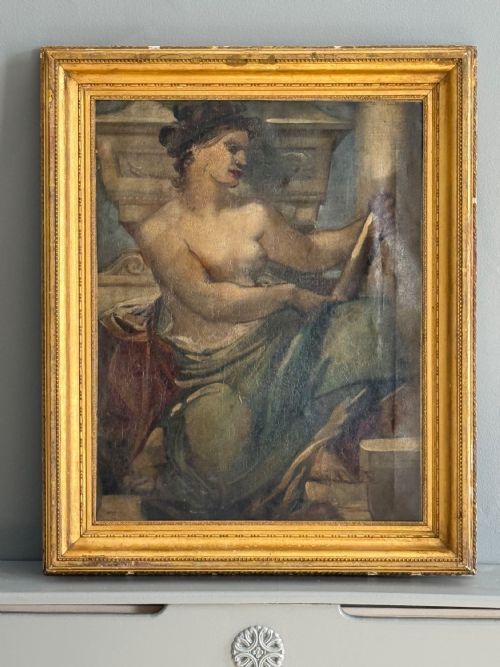
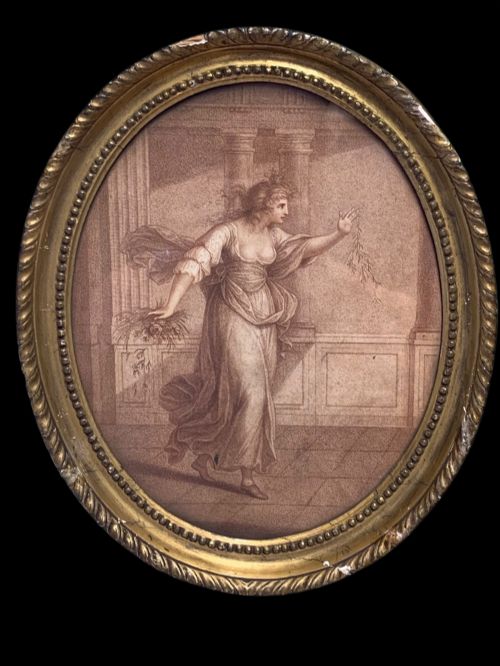
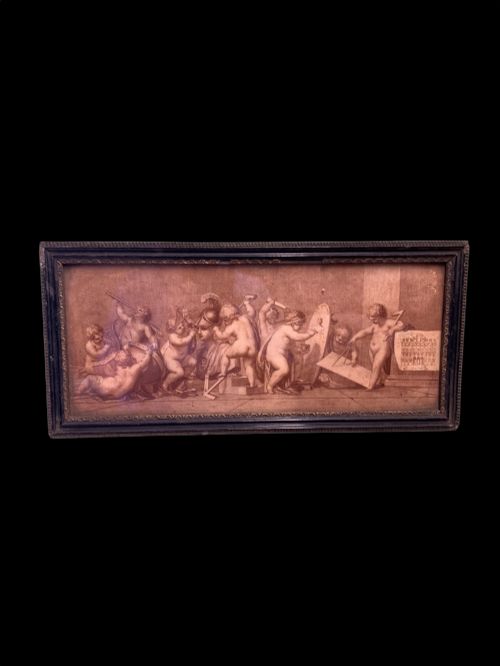
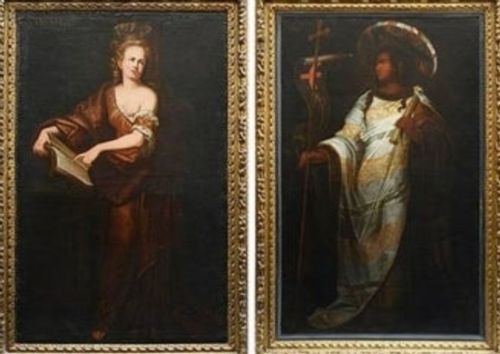
The selection on this page relies heavily on 18th-century and 19th-century pieces, including Georgian reverse glass prints, oil paintings on canvas, stipple engravings and terracotta wall reliefs. Common subjects include cherubs, sibyls, goddesses such as Flora, and narrative scenes embodying moral choices.
Originating across Britain, France, Italy and wider Europe, these pieces reflect academic painting traditions, decorative arts movements and domestic print culture. Works range from intimate framed prints to large oil paintings and plaster reliefs.
How They Were Made
The physical construction of these pieces combines traditional fine art mediums with decorative substrates, utilising oil paints applied to canvas and wood panels alongside ink on paper for engravings, mezzotints and lithographs. Reverse glass prints require applying pigment directly to the reverse side of glass plates to achieve a luminous finish.
Relief works and plaques employ materials like polychrome plaster, terracotta and carved wood, frequently housed within period gilt wood frames. Printmaking techniques rely on engraved metal plates, lithographic stones and collotype processes to transfer detailed narrative imagery.
Pigment application, plate biting and hand-finishing determine the tactile surface quality of each piece, linking the workshop production methods of the Georgian and Victorian eras directly to the surviving physical object.
Listings feature works spanning the 17th to the 20th centuries, executed in oil on canvas, reverse glass, lithography and terracotta.
What Varies in Quality
Quality in these works is defined by the precision of draughtsmanship, the expressiveness of the figures and the fidelity of the composition to academic or classical canons. Masterful handling of anatomy, drapery and allegorical iconography separates ambitious studio paintings and fine engravings from standard decorative output.
The integrity of the medium also dictates value, such as the preservation of painted pigment on fragile glass panels, the crispness of ink impression in early prints, and the retention of original surface detail on plaster or terracotta reliefs. Original framing matching the period of the artwork further elevates the historical cohesion of the piece.
Provenance and attribution to documented artists, engravers or European schools provide a framework for assessing the historical weight and execution standard of individual allegorical works.
The Allegorical Wall Art Glossary
- Allegory
- A symbolic representation where physical figures, such as cherubs or mythological deities, express abstract ideas like virtue, the seasons or love. This narrative method forms the core subject of these historical artworks.
- Reverse Glass Print
- An image painted or transferred onto the back of a glass sheet, viewable through the transparent front. This technique produces a distinctive glossy surface common in Georgian decorative pieces.
- Mezzotint
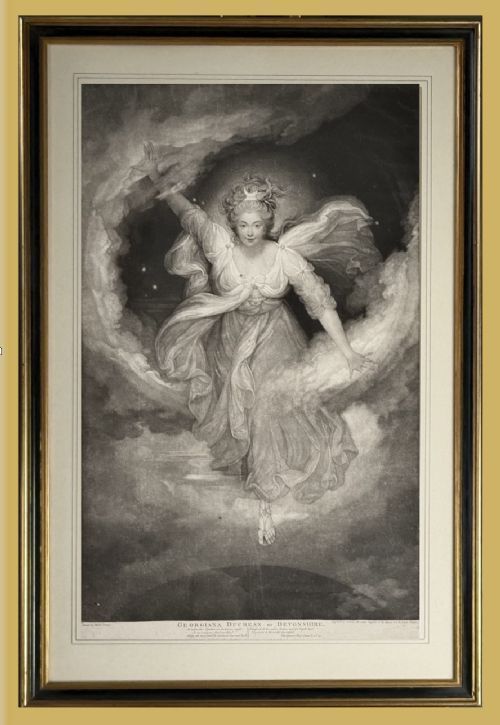
- A printmaking process of the intaglio family where the copper plate is roughened to achieve rich tonal gradations and dark backgrounds. It was widely utilised for portraiture and allegorical subjects.
- Stipple Engraving
- A method of producing prints by creating patterns of dots rather than continuous lines, allowing subtle tonal transitions. The technique gained popularity during the 18th century for classical compositions.
- Terracotta
- Fired unglazed clay used extensively for sculptural wall reliefs and plaques. The material permits fine modelling of figurative details before firing.
- Collotype
- A planographic printing process using hardened gelatin on a glass plate, capable of rendering photographic detail with continuous tone. It found use in the reproduction of artworks during the late 19th and early 20th centuries.
Allegorical Wall Art: Frequently Asked Questions
What is allegorical wall art?
Allegorical wall art encompasses paintings, prints and reliefs that use symbolic human figures, mythology and personification to convey abstract concepts or moral lessons. These works frequently depict classical themes, the four seasons or virtues.
Historically produced across Britain and continental Europe, these pieces served both decorative and educational roles in domestic interiors. They bridge the gap between fine art and narrative symbolism.
How do I date a reverse glass print?
Dating reverse glass prints involves examining the framing materials, the type of glass used, and the style of the lettering or subject matter. Georgian examples often feature hand-coloured details and specific tonal palettes.
Additionally, the backing boards, fixings and paper seals applied to the reverse offer clues regarding the period of production and subsequent framing history.
Where were these pieces displayed historically?
In period homes, allegorical paintings and framed engravings were typically hung in reception rooms, libraries and parlours. They functioned as conversation pieces that reflected the classical education and refined taste of the owner.
Relief plaques and terracotta panels were often integrated directly into wall schemes or displayed prominently above mantelpieces to anchor the decorative theme of a room.
How do I care for antique prints and paintings?
Preserving these works requires protecting them from direct sunlight, high humidity and dramatic temperature fluctuations that can degrade paper, canvas and painted glass. Stable environmental conditions prevent pigment fading and paper embrittlement.
Displaying pieces away from direct heat sources and utilising professional framing conservation techniques ensures the long-term stability of delicate mediums like reverse glass and stipple engravings.