

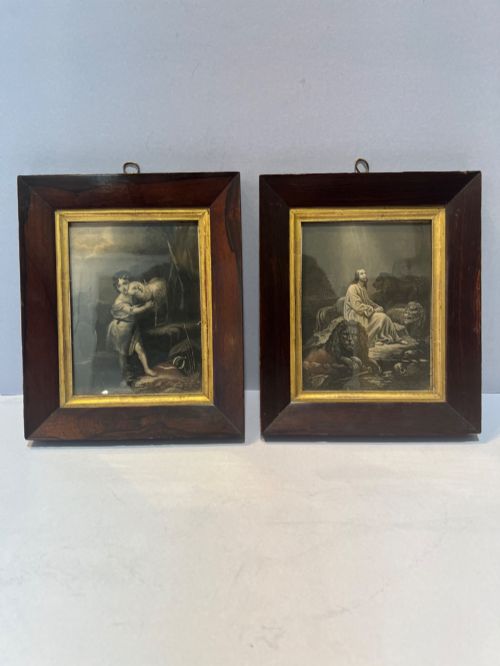


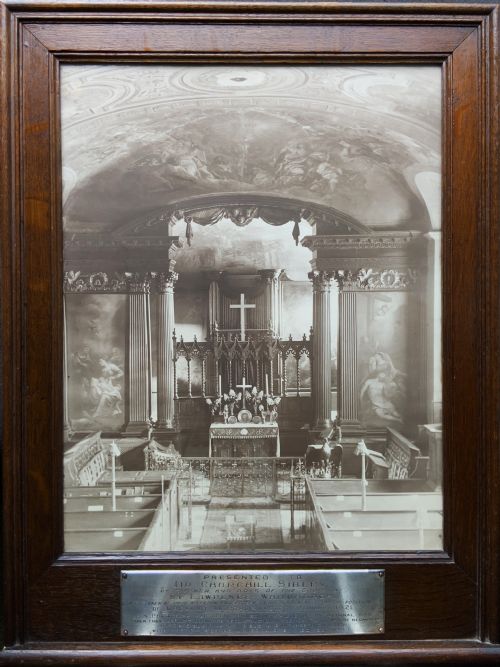


Antique Religious Print
An antique religious print brings centuries of sacred imagery and devotional devotion into domestic spaces through works on paper, glass, and canvas.
Antique Religious Print
An antique religious print encompasses works created across the eighteenth, nineteenth, and early twentieth centuries, reflecting centuries of Christian iconography. When searching for an antique religious print, collectors encounter everything from delicate engravings and etchings to vibrant reverse glass paintings and oleographs.
The pieces available on this page lean heavily towards eighteenth and nineteenth-century examples, spanning Georgian and Victorian aesthetic movements. Buyers regularly discover framed works depicting biblical scenes, saints, and classical devotional subjects executed by skilled hands.
The selection ranges from intimate domestic pieces to large framed wall art designed for contemplation. Standard formats include traditional paper engravings, coloured mezzotints, and reverse glass paintings housed in period wood and gilt frames.
Materials and methods
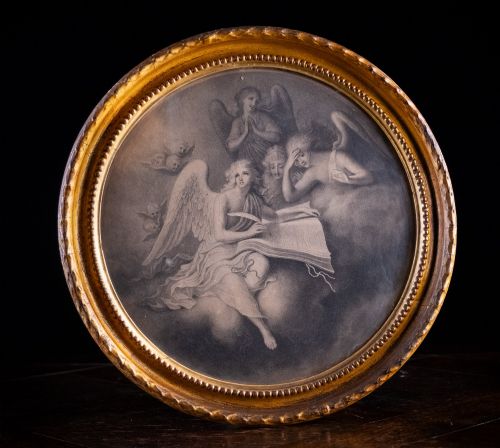
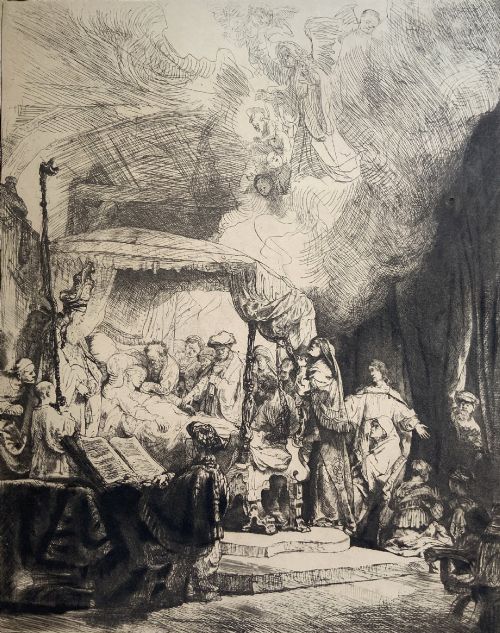
Production relies heavily on paper, ink, and pigment, often enhanced with hand-applied colour or gold leaf. Engravings and etchings utilise metal plates to transfer fine lines onto paper sheets, sometimes finished with watercolour washes.
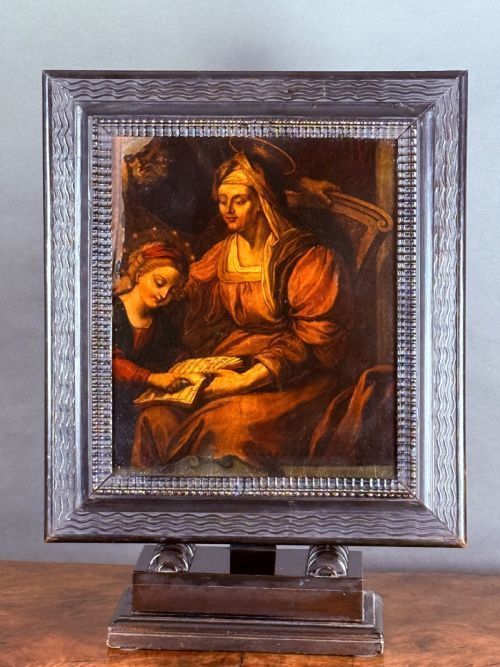
Reverse glass paintings apply pigment and ink directly onto the underside of glass panels, creating a luminous surface that protects the artwork beneath. These pieces frequently incorporate giltwood frames to support and accentuate the fragile glass components.
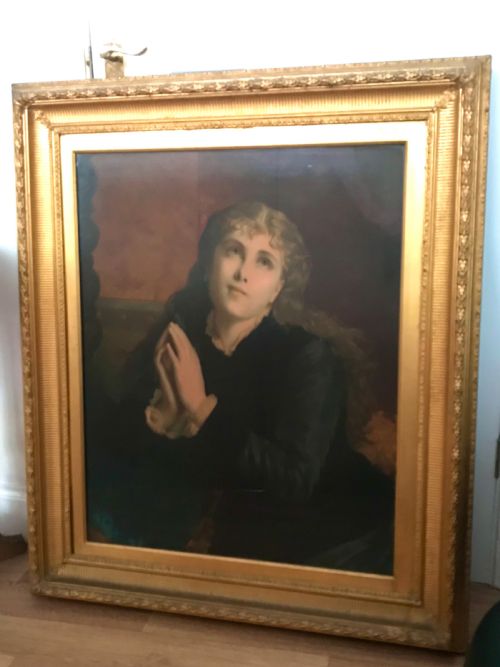
Canvas supports appear alongside paper and glass, carrying oil and oleograph mediums that mimic traditional paintings. Protective layers of glass often shield these delicate surfaces from environmental damage.
Listings feature paper, glass, canvas, and gold leaf spanning the eighteenth and nineteenth centuries.
Assessing quality
Quality rests in the crispness of the impression and the precision of the hand-finishing applied to the surface. Early pulls from engraved plates display sharp lines and deep contrasts that fade in later impressions.
The integrity of the original framing and the preservation of fragile glass or paper dictate the overall desirability of the piece. Intact reverse glass work without pigment flaking represents a higher tier of craftsmanship.
Provenance and association with recognised artists, publishers, or printmakers elevate the standing of individual works. Masterful execution by skilled engravers transforms standard devotional items into notable pieces of fine art.
Sebastiaan Vrancx·Amand Durand·F R Roffe·Antonio Capellan·Michelangelo·Eugene Hindle·Giovanni Ottaviani
The Antique Religious Print Glossary
- Mezzotint
- A printmaking process of the intaglio family where the plate is roughened to produce tones rather than lines. It allows for smooth gradations of light and shade.
- Oleograph
- A type of chromolithography printed on canvas to imitate an oil painting. These prints often feature textured surfaces designed to simulate brushstrokes.
- Reverse glass painting
- An artwork created by painting or drawing on the reverse side of a piece of glass, then viewed by looking through the glass. This technique produces a glossy, preserved finish.
- Engraving
- A printmaking technique where an artist carves lines into a metal plate with a burin. The resulting grooves hold ink to transfer the image under pressure.
- Etching
- A method where acid cuts into unprotected parts of a metal plate to create design lines. This process produces fluid, expressive lines compared to direct engraving.
Antique Religious Print: Frequently Asked Questions
How do I care for antique prints on paper?
Keep prints away from direct sunlight to prevent fading of the ink and paper degradation. Maintain stable humidity levels to protect both the paper support and the antique wooden or gilt frames.
Avoid hanging pieces in damp areas such as kitchens or bathrooms. Use professional framing services with acid-free materials if re-framing becomes necessary.
What is a reverse glass painting?
A reverse glass painting involves applying pigment directly to the back of a glass panel. Viewers look through the glass to see the finished image, which provides a glossy finish.
This technique protects the colours from dust and atmospheric wear over the centuries. Cleaning requires gentle wiping of the glass surface without touching the pigments behind.
How are nineteenth-century prints dated?
Dating relies on stylistic clues, paper watermarks, publishing information printed on the margin, and framing techniques. Typographical styles and mounting methods often provide clues to the era of production.
Comparing known works by specific engravers or publishers helps narrow down the active period. Surviving labels or inscriptions on the reverse of the frame add further chronological evidence.
Where were these religious prints displayed?
These works hung primarily in domestic parlours, private chapels, and institutional spaces for daily devotion. Families used them as focal points for prayer and reflection within the home.
Larger pieces sometimes originated from church altars or religious houses. Their presence marked personal faith and provided moral instruction in domestic settings.