



Georgian Reverse Painted Glass
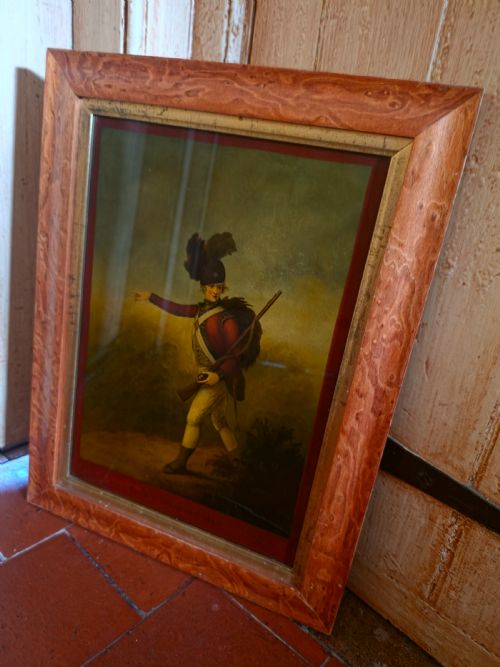
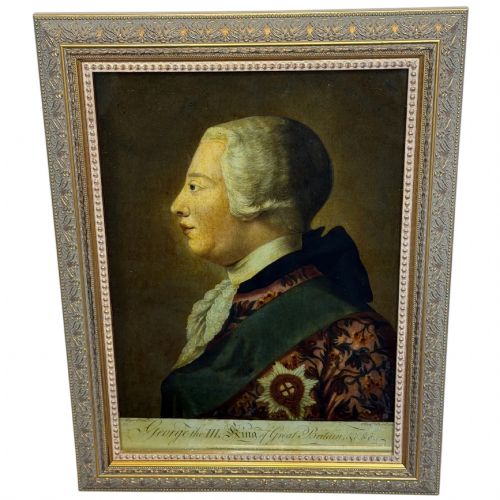
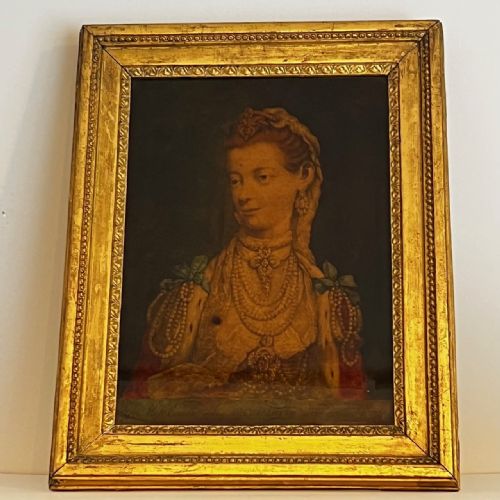
Georgian reverse painted glass brings together fine 18th-century portraiture, rich mezzotints, and delicate silhouettes fixed directly to the reverse of the panel.
Georgian Reverse Painted Glass
When you search for georgian reverse painted glass, you encounter a specialised form of historic wall art, portrait miniatures, and mirrors. The majority of pieces on this page span the 18th century, the Regency era, and the early 19th century.
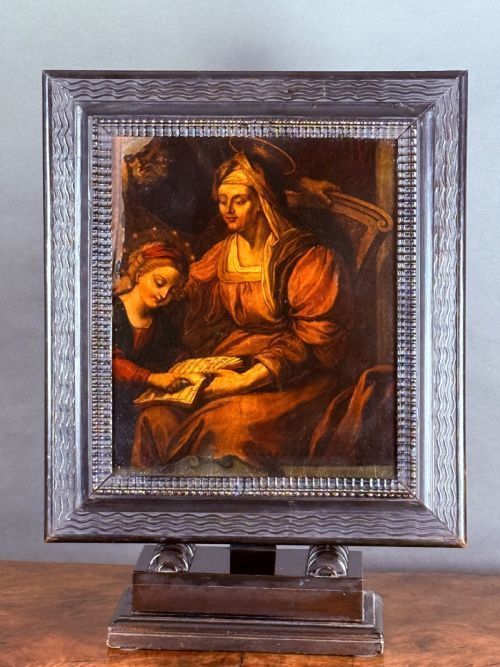
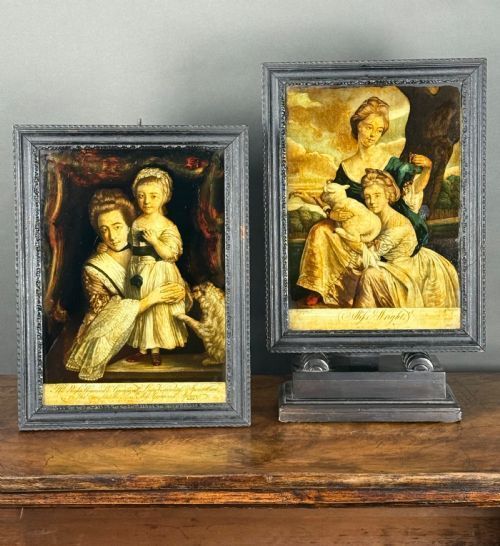
Subjects range widely across the selections available to collectors. You will find royal portraits, equestrian sporting art, biblical scenes, and domestic subjects rendered through meticulous brushwork or printed mezzotint techniques.
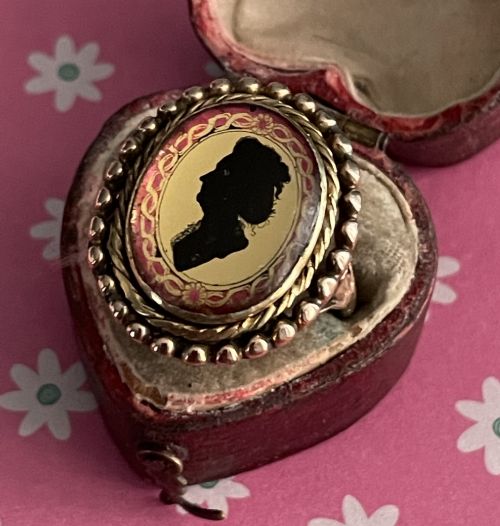
The physical formats vary from small oval silhouette rings and miniature frames to large pier mirrors with trumeau panels and framed prints. Many examples originate from British workshops, alongside occasional Chinese export mirror panels adapted for Western interiors.
How they were made
Makers applied oil paint, pigment, and gold leaf directly to the back of a glass sheet, building the composition in reverse so the final image viewed from the front appeared in correct orientation. This demanded absolute precision, as any error applied to the initial layer remained permanently visible.
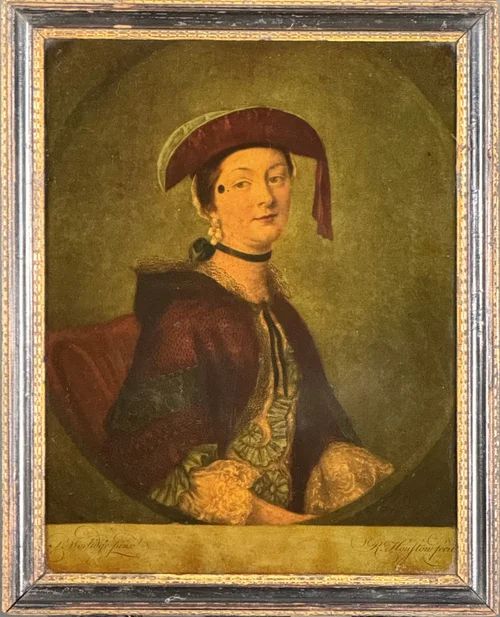
Mezzotints and engravings on paper were often transferred onto the glass surface before being meticulously hand-coloured with pigments and oil paints. Frames fashioned from wood, maple, pear wood, and carved giltwood secured and protected these fragile transparent panels.
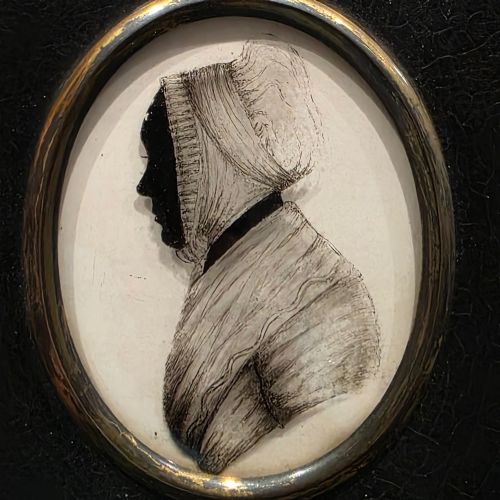
At least one meticulous artisan turned a miniature portrait into jewellery by mounting a painted silhouette inside a tiny ring.
What varies in quality
Quality rests principally on the crispness of the transfer or the dexterity of the brushwork. Early hand-painted silhouettes and portraits display fine line work and subtle tonal shading that elevate them above standard decorative prints.
The preservation of the pigment and gold leaf dictates the visual strength of the piece. Intact original wood frames and minimal flaking across the glass surface distinguish superior archival examples from those with extensive pigment loss.
Fletcher·Sebastiaan Vrancx·Charles Spooner·Richard Purcell·Frye·Abraham Cooper·W. Bishop·Richard Phillips
The Georgian Reverse Painted Glass Glossary
- Verre eglomise
- A decorative technique involving the application of gold leaf and painting on glass. The method takes its name from the 18th-century French decorator Jean-Baptiste Glomy.
- Mezzotint
- A printmaking process where the copper plate is roughened to achieve rich tonal gradations. These prints were frequently transferred onto glass and hand-coloured.
- Trumeau
- A decorative wall mirror or panel featuring a painted or printed scene positioned above the glass plate. These architectural elements were popular during the Regency period.
- Silhouette
- A solid profile portrait, often cut from paper or painted in black pigment. Miniature examples on glass frequently depict named sitters in pear wood oval frames.
Georgian Reverse Painted Glass: Frequently Asked Questions
Where should I hang these pieces?
These delicate works require stable indoor environments away from direct sunlight and damp walls. Strong ultraviolet light causes historic pigments and oil paints to fade.
Position them on interior walls where temperature fluctuations remain minimal to protect both the glass and the original wood framing.
Are all pieces British?
While the majority of listings reflect British portraiture and 18th-century printmaking, international pieces also appear. Chinese export reverse painted mirrors catered to European tastes during the trade era.
Stylistic cues and framing timbers usually help identify the geographic origin of each specific item.
How do I spot a reproduction?
Historic pieces display the natural oxidation, stable pigment ageing, and period framing materials characteristic of the 18th and 19th centuries. Modern reproductions often utilise contemporary glass types and synthetic bonding agents.
Examine the rear of the panel for appropriate historical framing techniques and signs of age within the paper or paint layers.