

Antique Glass Painting
When you search for antique glass painting, you encounter delicate reverse-painted portraits, mezzotints and trade signs that bring brilliant colour and historic transparency directly to your walls.

Antique Glass Painting
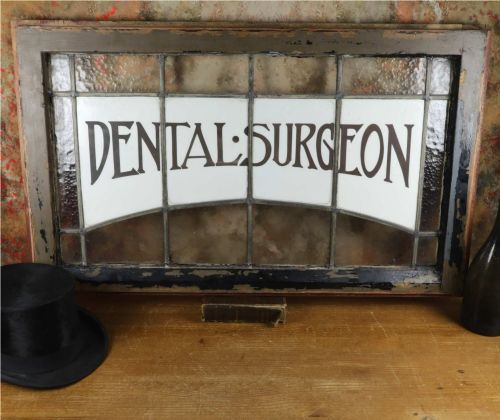
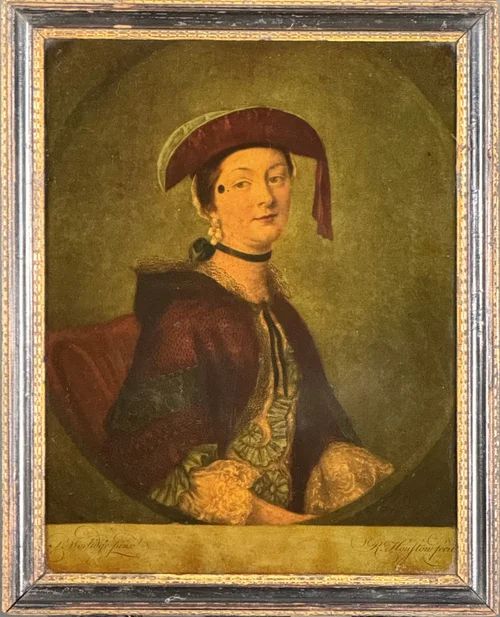
An antique glass painting is an artwork rendered directly onto a glass panel, encompassing everything from eighteenth-century mezzotints to Victorian naive hunting scenes and Edwardian advertising signs.
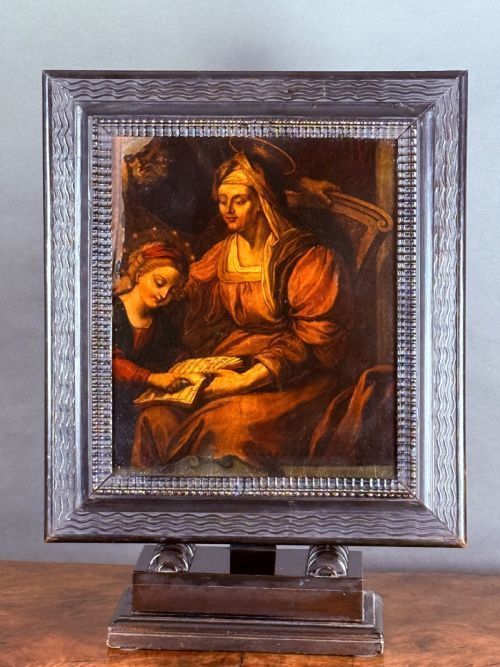
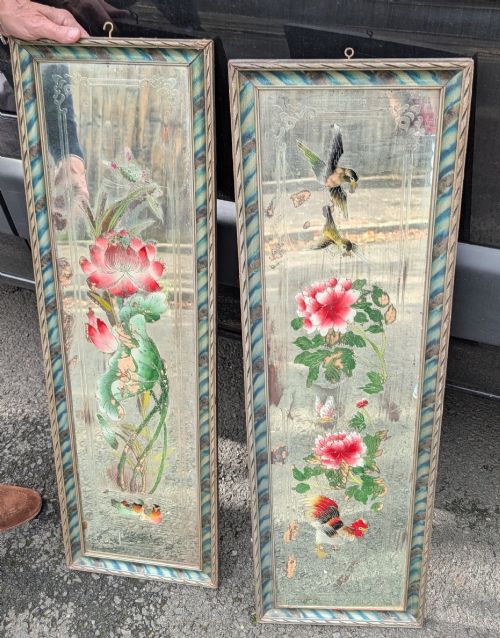
Buyers searching this phrase often find works where pigment is applied to the reverse side of the glass, creating a glossy, protected surface when viewed from the front.
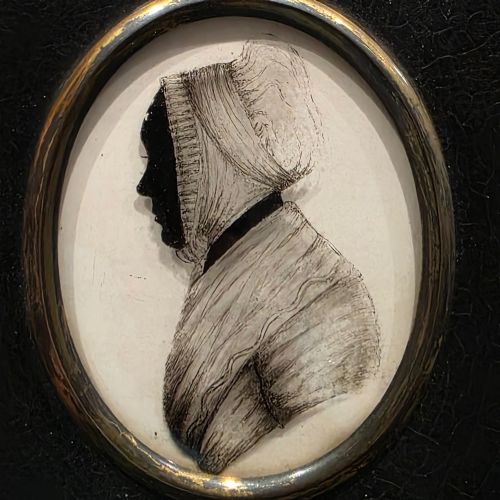
The selection ranges from small silhouette miniatures and portrait pieces to larger decorative panels and trade signs originating from British, French, and Asian workshops.
How they were made
Makers utilised techniques such as reverse painting and mezzotinting, applying oil paint, ink, or colour directly onto glass substrates.
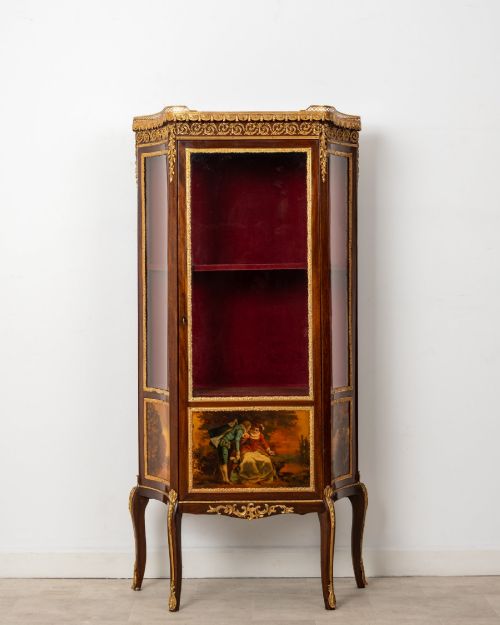
Many items incorporate giltwood, brass, or mirror glass frames, while others rely on delicate wood panels and gold leaf to accent the painted imagery.
Listings span the eighteenth, nineteenth, and early twentieth centuries, featuring materials like glass, paint, giltwood, and brass across various decorative forms.
What varies in quality
Quality rests upon the precision of the brushwork and the clarity of the underlying glass, distinguishing fine portrait miniatures and detailed mezzotints from simpler folk art.
The sophistication of the framing, particularly original giltwood or verre eglomise surrounds, significantly elevates the presence of the piece.
Fletcher·Sebastiaan Vrancx·Charles Spooner·Hampton and Sons
The Antique Glass Painting Glossary
- Reverse painting
- A technique where the artist paints the image backwards on the rear face of the glass so it appears correctly oriented from the front. This method protects the pigment from dust and environmental wear over the centuries.
- Mezzotint
- A printmaking process where the copper plate is roughened to hold ink, producing rich tones and subtle gradations. In glass contexts, printed mezzotints were sometimes transferred or applied directly behind glass panels.
- Verre eglomise
- A cold decoration technique involving the application of gold or silver leaf to glass, combined with etching and painting. It creates a highly reflective, metallic border often seen on Georgian and Regency mirrors.
- Crystoleum
- A Victorian method of applying a hand-coloured photograph or print to glass, making it transparent with oil and then painting details on the back. It results in a layered, glowing portrait style.
- Trumeau
- A decorative wall mirror featuring an oil painting or panel set into the upper section of the frame. These architectural pieces originated in France and combine carved wood with painted art.
Antique Glass Painting: Frequently Asked Questions
Where should I hang these pieces?
Hang your pieces on interior walls away from direct sunlight, which can fade oil paint and discolour gold leaf over time. Stable indoor humidity is essential to protect both the glass and the wooden frames.
Consider eye-level placement in hallways or drawing rooms where the glossy surface can catch natural light without enduring harsh temperature swings.
Are these paintings fragile?
The glass panels are inherently breakable and require secure wall fixings rather than simple picture wire alone. The paint layers on the reverse can also flake if subjected to physical impact or vibration.
Handle the pieces by their sturdy frames rather than the glass itself, and ensure professional installation for heavier wall mirrors and cabinets.
How can I tell the period?
Examine the materials of the frame, such as hand-carved gesso, giltwood, or mahogany, alongside the style of the script and clothing in portraits. Georgian and eighteenth-century pieces often feature distinct mezzotint printing techniques.
Victorian and Edwardian examples frequently show different backing materials and framing construction methods that help date the object accurately.