


Antique Christian Portrait
An antique christian portrait brings centuries of devotional devotion and masterly European painting tradition directly into the private interior.
Antique Christian Portrait
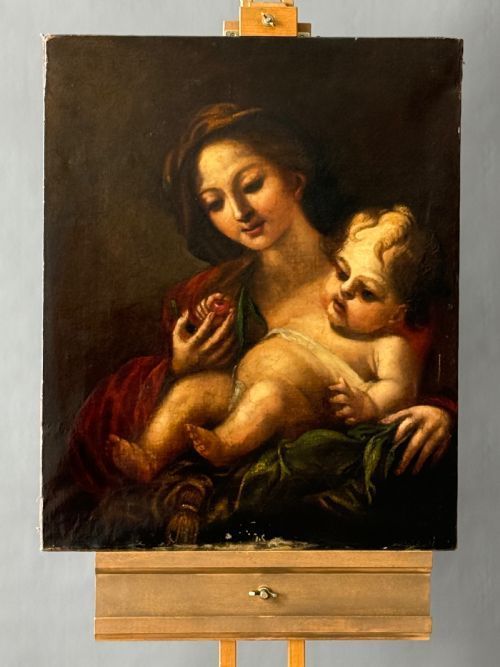
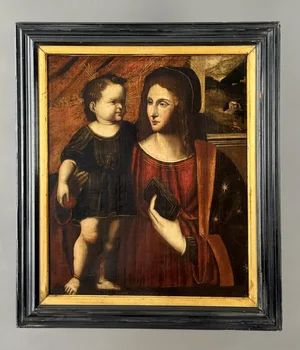
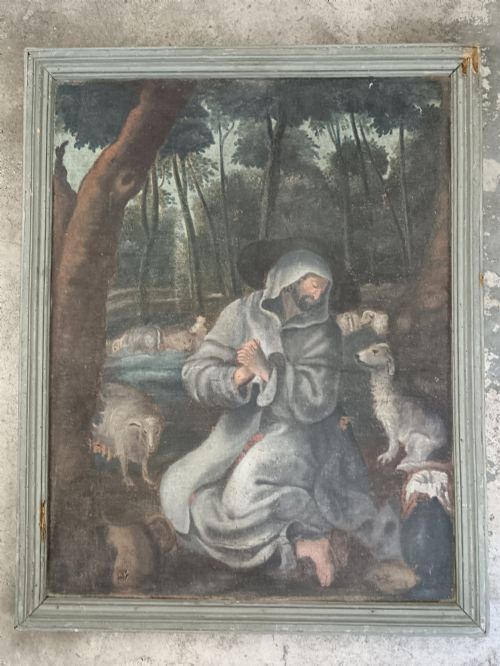
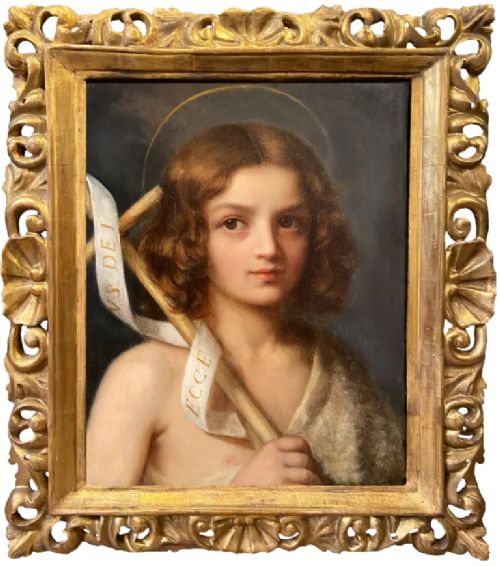
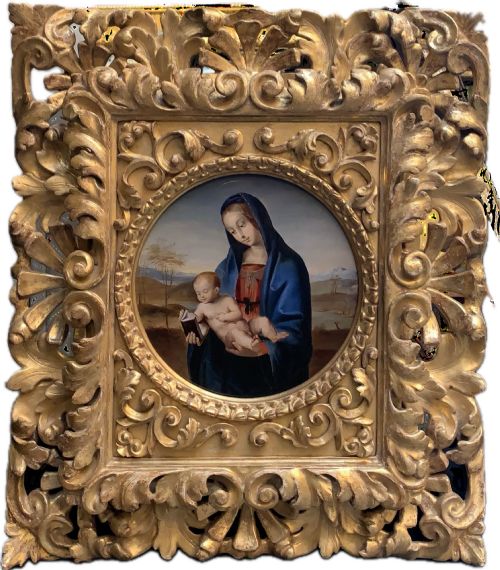
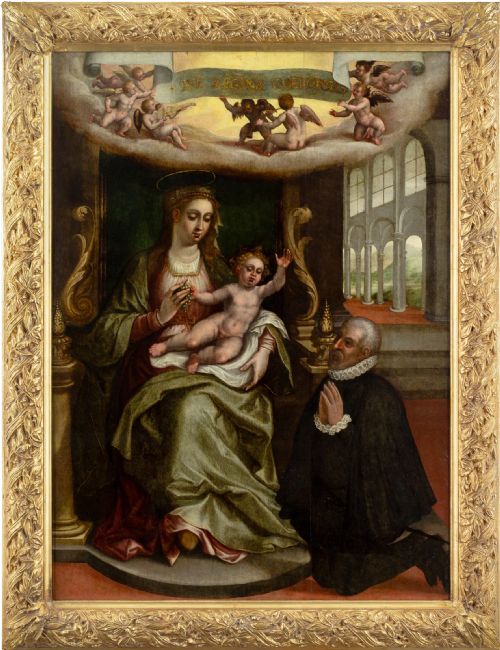
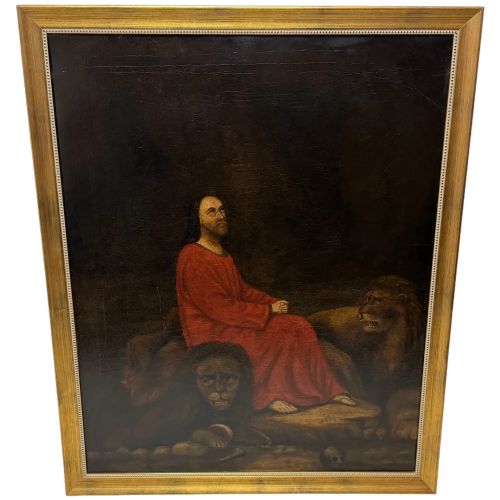
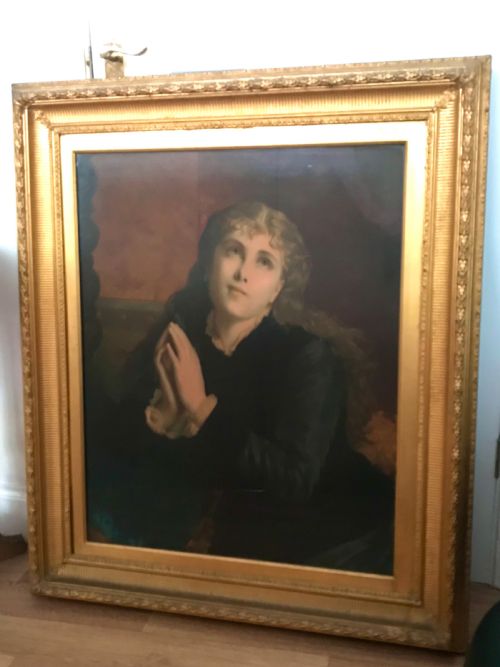
An antique christian portrait encompasses devotional oil paintings, miniature likenesses, reverse glass pictures, and sculptural bronze busts depicting sacred figures such as the Virgin and Child, saints, and biblical narratives. Buyers searching this phrase will most commonly encounter 18th-century and 19th-century oil on canvas works, alongside earlier 16th-century and 17th-century interpretations and copies after Italian Renaissance masters.
The subjects span traditional devotional iconography, including depictions of Saint John the Baptist, the Holy Family, and various saints, created by regional European schools as well as individual artists working in distinct historical periods. These pieces range from intimate portrait miniatures and enamel plaques to very large canvas paintings and patinated bronze portrait busts.
Materials and construction
The physical foundation of these pieces relies heavily on oil paint applied to stretched canvas or wooden panels, often complemented by intricate frames fashioned from giltwood, gesso, and gilded wood. Sculptural examples utilise cast bronze with patination, while smaller devotional objects incorporate Limoges enamel on metal plaques or 18-karat yellow gold.
Techniques varied from direct observation to sophisticated workshop reproductions and copies after master painters such as Raphael, Murillo, and Correggio. Artisans employed traditional layering of pigments and glazes, visible in older works through pentimenti or fine craquelure, alongside specialised methods like reverse glass painting.
One saintly subject shares space with a young girl holding her cherished pet bird.
Assessing the execution
Quality in these devotional portraits rests upon the expressive handling of the subject's face, the depth of the pigment layers, and the finesse of the brushwork in rendering drapery and light. Works emanating directly from named workshops or accomplished regional schools display superior anatomical proportion and emotional resonance compared to simpler, more naïve interpretations.
The integrity of the physical medium - whether the preservation of the oil on canvas, the crispness of a patinated bronze bust, or the intact condition of a limoges enamel plaque - directly influences the standing of the piece. Additionally, the quality and period appropriateness of the surrounding giltwood or gesso frame contribute significantly to the overall historical integrity.
Miguel Barroso·Francesco Solimena·Christian Friedrich Zincke·Christian Lindner·Antonio Allegri·Scipione Pulzone·Raffaello Sanzio·Frederick Christian Lund·Christian Eckardt·Hans Christian Jensen·Christian Vilhelm Schenstrøm·Anders Christian Lunde
The Antique Christian Portrait Glossary
- Pentimento
- An alteration in a painting evidenced by visible traces of previous work underneath the current layer of paint. This phenomenon often confirms the spontaneous creative process of the artist.
- Oleograph
- A mechanical colour lithograph reproduction textured to imitate an oil painting on canvas. These items gained popularity during the Victorian era as accessible domestic devotional art.
- Gesso
- A plaster-like mixture used as a smooth base for painting on wood or for moulding ornate frames. Gilding is frequently applied directly over this prepared surface.
- Reverse glass picture
- An artwork created by painting or drawing on the reverse side of a piece of glass so that the image is viewed through the transparent pane. This technique produces a distinct glossy surface finish.
- Portrait miniature
- A small, highly detailed portrait painting typically executed on vellum, card, or copper. These intimate pieces were often housed in protective cases or worn as personal items.
Antique Christian Portrait: Frequently Asked Questions
What periods do these portraits cover?
The available selection spans several centuries of European artistic production, beginning with 16th-century Renaissance works and continuing through the 17th, 18th, and 19th centuries up to Edwardian pieces.
You will find examples ranging from early Italian old masters and Spanish Renaissance pieces to Victorian narratives and later patinated bronze sculptures.
How were these religious portraits displayed?
Historically, these works served as focal points for private contemplation, prayer, and domestic devotion within the home, housed in substantial giltwood frames or placed on surfaces as portrait busts.
Smaller formats like portrait miniatures and enamel plaques offered personal, portable connection to sacred figures, while larger canvases adorned domestic and institutional walls.
How do I care for an oil painting?
Maintain stable room temperatures away from direct sunlight, excessive moisture, and rapid environmental shifts that can cause the canvas or wood panel to warp and the paint layer to crack.
Dust the surface gently with a soft, dry brush and avoid chemical cleaners or moisture on both the painted canvas and the antique giltwood frame.
Are all these pieces original paintings?
While the majority consist of hand-painted oil on canvas or wood panels, the category also includes cast bronze sculptures, reverse glass pictures, enamel plaques, and 19th-century oleographs.
Many paintings are period copies or devotional works executed after renowned masters such as Raphael and Murillo rather than primary first-hand creations.