



Glass Transfer Print
Glass transfer print works offer a captivating glimpse into historical portraiture and military history through delicate imagery preserved beneath glass.
Glass Transfer Print
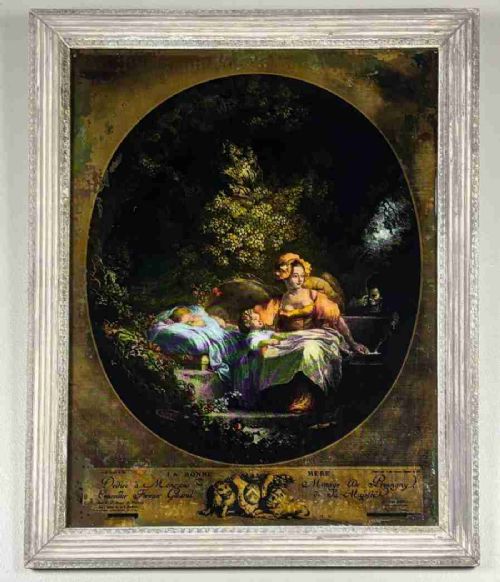
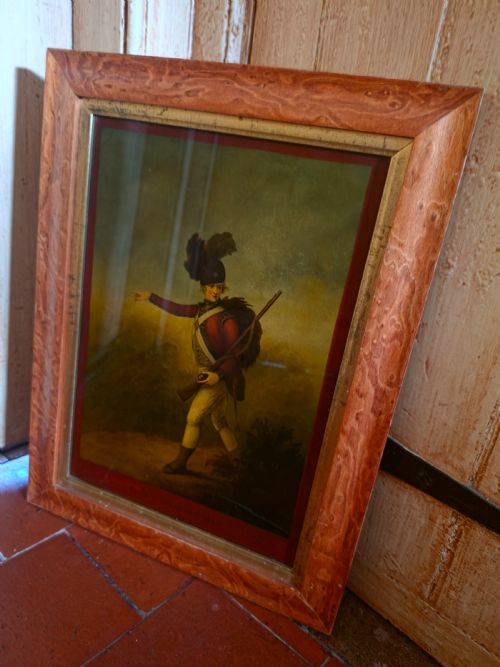
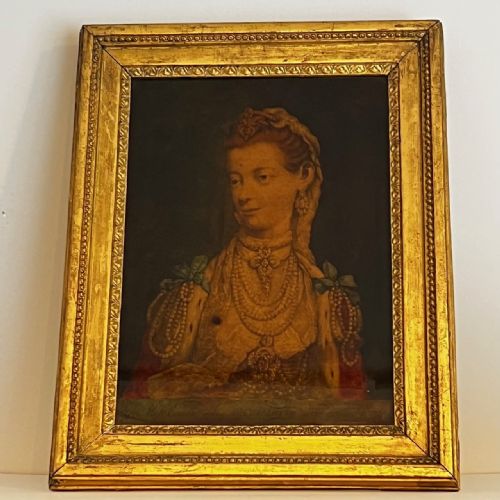
When you search for glass transfer print, you are looking at reverse glass mezzotints, engravings, and paintings originating primarily from the Georgian and Regency periods. These pieces display historical figures, military personnel, and classical subjects transferred directly onto the reverse side of a glass panel.
How they were made
The creation of these works relies on adhering a paper print face down onto a glass sheet before rubbing away the paper backing to leave only the ink behind. Artisans then carefully apply oil paint, pigment, or gilt details by hand to the reverse side of the glass.
Framing forms an integral part of the construction, utilising wood and giltwood to protect the fragile glass panel and secure the delicate image layer within wall art formats.
Glass Transfer Print Retail Price Guide 2026
Typical asking prices for glass transfer print among the pieces listed under this phrase on Sellingantiques today, from the lower quarter to the upper quarter. They describe what is for sale here now, not the wider market.
Listings span the Georgian, Regency, and Victorian periods, utilising materials such as glass, paper, oil paint, pigment, and giltwood.
What varies in quality
The distinction between ordinary and exceptional examples rests upon the precision of the initial transfer and the delicacy of the subsequent hand-painting. Skilled application of pigment and oil paint behind the glass brings depth and vibrancy to portraits of figures like Queen Charlotte or the Countess Spencer.
Condition of the glass and the integrity of the original frame also shape the overall merit of the piece. Works that retain their undisturbed paper layers and original giltwood framing represent the higher tier of these historical artefacts.
W. Bishop·Frye·Richard Phillips
The Glass Transfer Print Glossary
- Reverse glass print
- An image transferred onto the back of a glass sheet and viewed from the front. This technique protects the delicate ink and pigment from atmospheric damage.
- Mezzotint
- A printmaking process that achieves rich tonal gradations through roughening the copper plate. When applied to glass, it yields deep shadows and soft transitions.
- Chrystoleum
- A Victorian method of applying hand-colouring to a photograph or print mounted inside concave glass. It creates a luminous, three-dimensional effect.
- Giltwood
- Wood carved and coated with gold leaf or a gold-coloured finish. This material frequently frames Georgian and Regency wall art.
Glass Transfer Print: Frequently Asked Questions
What is a glass transfer print?
A glass transfer print is an artwork where a paper engraving or mezzotint is fixed face down onto glass, the paper removed, and the reverse painted by hand.
These pieces capture historical portraits and military scenes from the eighteenth and nineteenth centuries within protective glass panels.
How should I hang these framed pictures?
These wall art pieces require secure placement away from direct sunlight to protect the fragile pigments and oil paint applied behind the glass.
Standard picture wire attached to sturdy wooden or giltwood frames supports their weight safely on interior walls.
How do I identify Georgian examples?
Georgian examples often feature notable figures like King George III or Queen Charlotte, alongside distinct eighteenth-century portrait styles and attire.
The materials typically include aged glass, original paper transfers, and period wood or giltwood frames.
Are chrystoleums the same thing?
Chrystoleums represent a later Victorian development of the reverse glass technique, utilising photographs rather than traditional mezzotint engravings.
They share the method of painting behind curved glass to add depth, but belong to the nineteenth century rather than the Georgian era.