

18th Century Portrait Print
An 18th century portrait print captures the likenesses of Georgian royals and nobility through historic ink and glass.
What 18th Century Portrait Prints Are
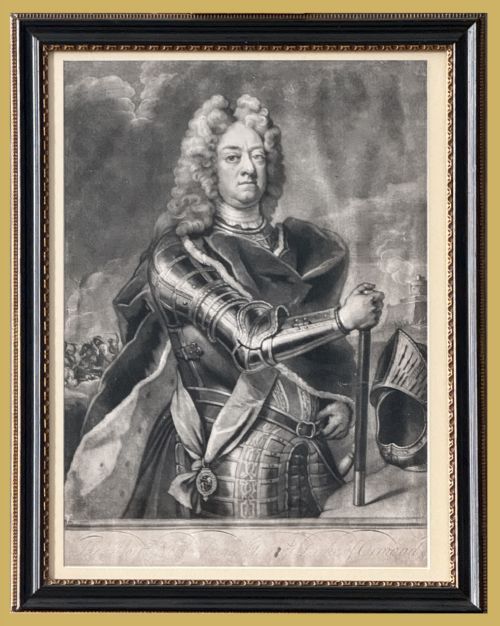
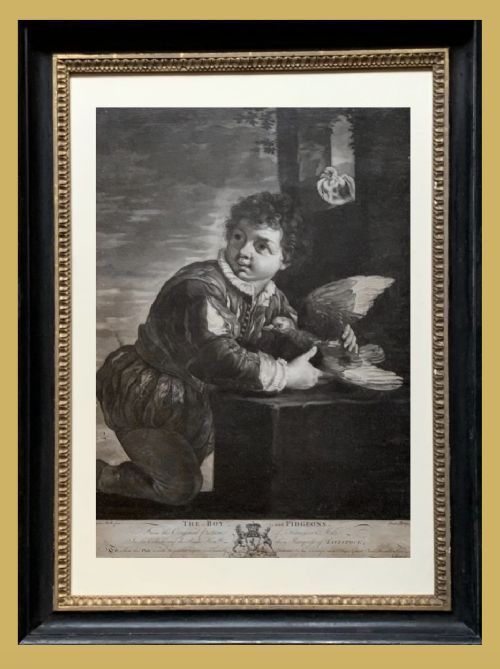
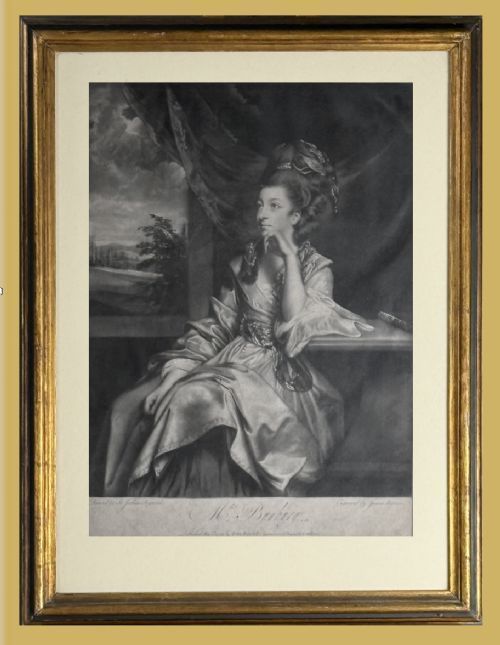
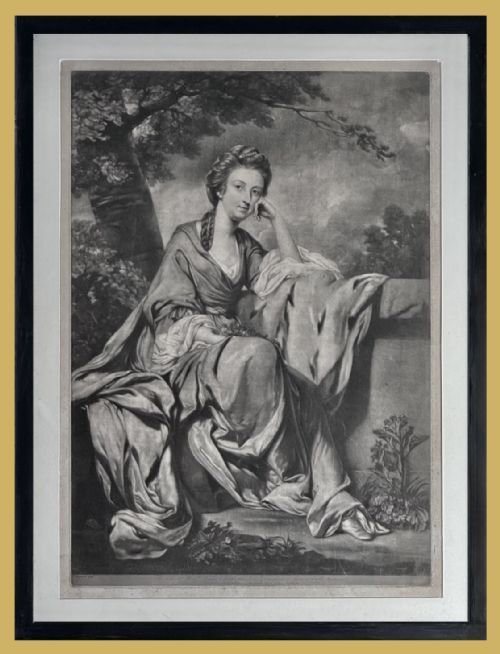
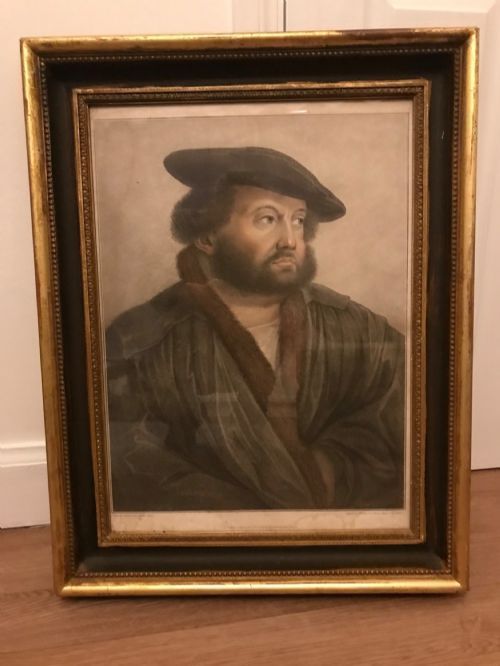
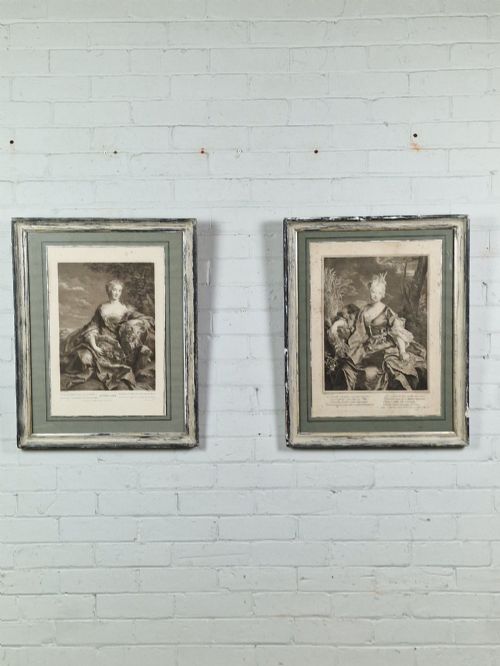
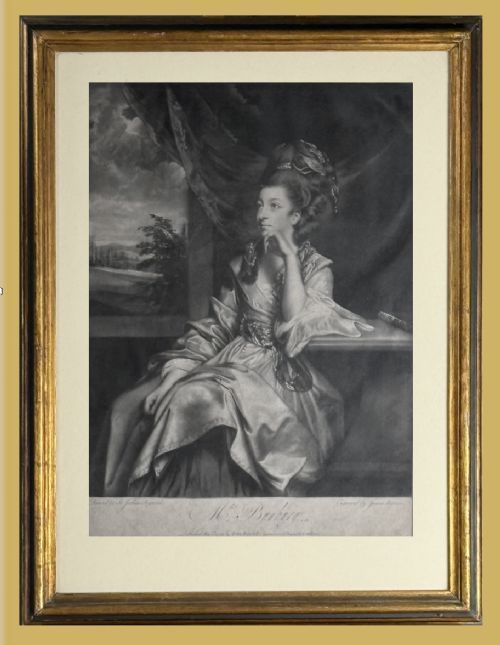
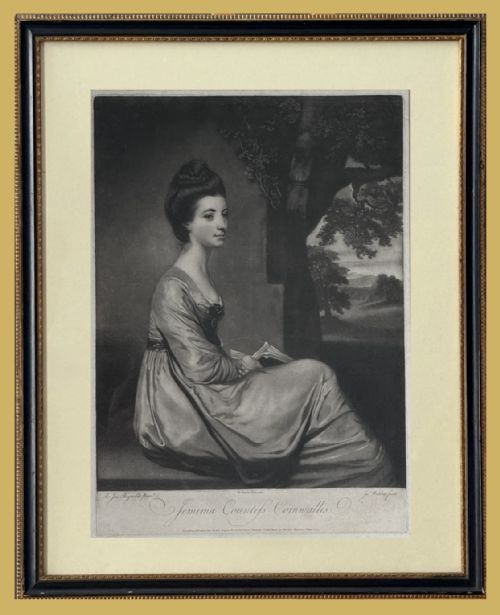
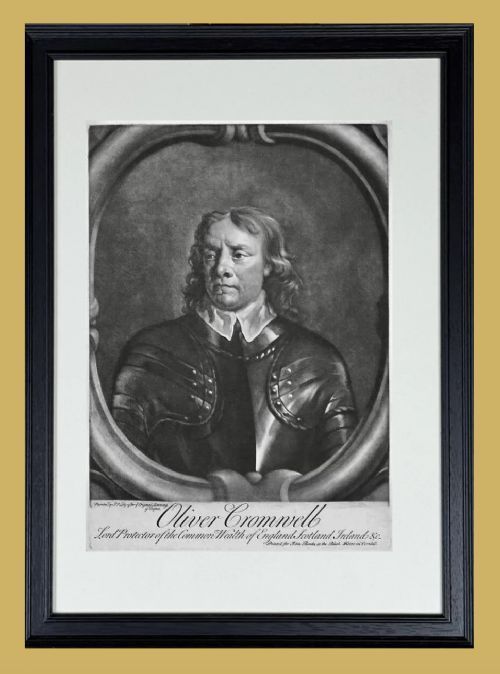
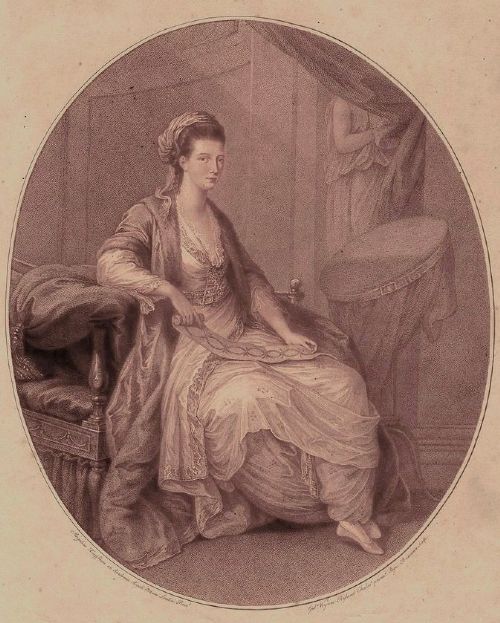
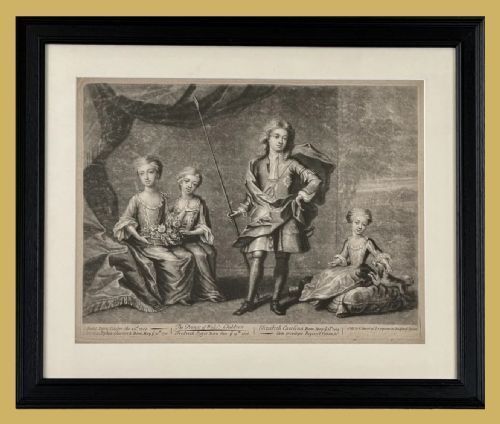
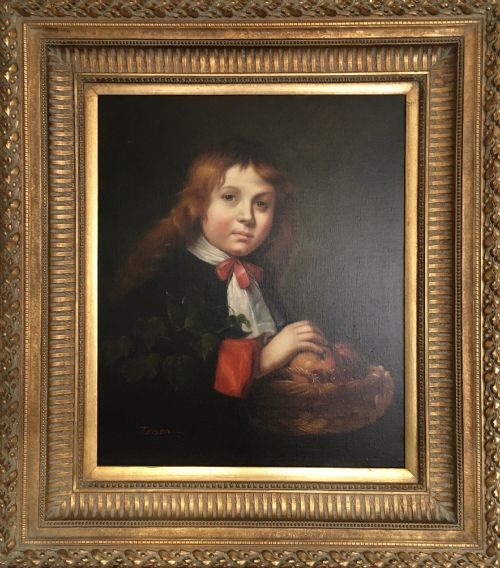
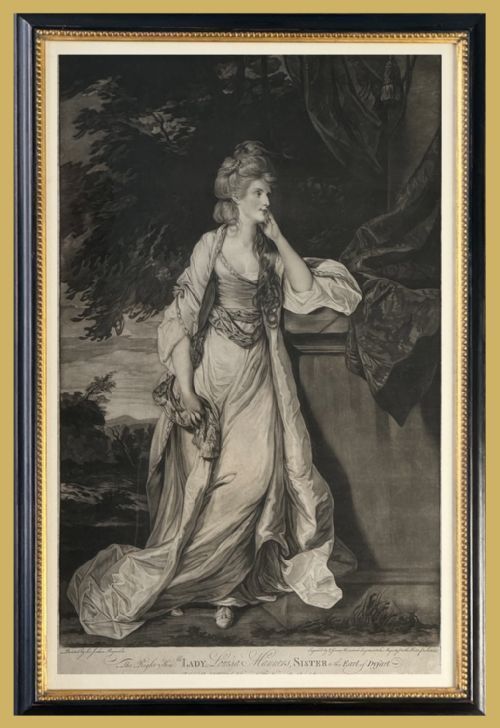
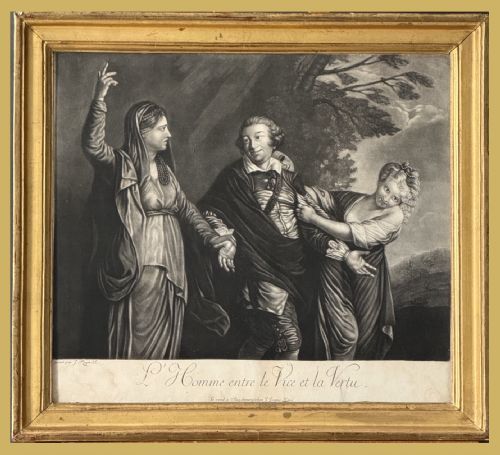
When searching for an 18th century portrait print, collectors encounter framed wall art depicting figures such as King George II's children, Elizabeth Dashwood, and Princess Caroline. These pieces capture the elegance of the Georgian period through detailed likenesses.
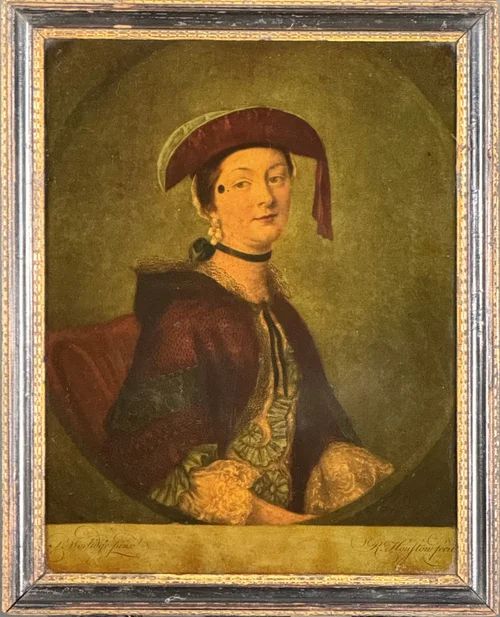
The versions most commonly met on this page include mezzotint engravings and reverse glass prints. Works after notable artists like Sir Joshua Reynolds and Richard Phillips demonstrate the visual ambition of the era.
The formats range from intimate domestic wall art to striking reverse glass mezzotints. Each item reflects the portraiture traditions of the Georgian era.
How They Were Made
Framed pieces often incorporated wood, glass, and gold leaf. The combination of protective glazing and gilded framing safeguarded the delicate paper and pigment underneath.
Retail Price Guide 2026
Typical UK retail prices for 18th century portrait print, calculated from the Sellingantiques database of over a million retail prices indexed since 2003. This retail price guide relies exclusively on Sellingantiques data; no external sources or auction records are used, so the figures do not describe the wider market.
Listings feature paper, wood, glass, gold leaf, oil paint, and oil pigment across the Georgian period.
What Varies in Quality
Quality rests upon the fidelity of the print to the original sitter and the sophistication of the plate work. Softer tonal gradations and sharper impressions distinguish the finer examples.
The assembly of the frame and the preservation of the reverse glass technique also influence the piece. Original glass and undisturbed gold leaf separate standard items from superior survivals.
Edward·James Watson·Sir Joshua Reynolds·Richard Phillips
The 18th Century Portrait Print Glossary
- Mezzotint
- A printmaking process where the copper plate is roughened to allow deep shades and subtle tones to emerge. This method creates rich dark backgrounds behind the portrait sitters.
- Reverse glass print
- An image applied directly to the underside of a glass panel, often backed with gold leaf or oil pigment. This technique produces a reflective, luminous surface.
- Georgian
- The artistic and historical period spanning the reigns of the four Georges. It defines the style of portraiture and decorative arts seen in these pieces.
- Gold leaf
- Hammered gold beaten into extremely thin sheets used for gilding frames and highlighting details. It adds warmth and distinction to the surrounding woodwork.
Frequently Asked Questions
What is a reverse glass print?
A reverse glass print involves applying ink and pigments directly to the back of a glass panel. Viewers look through the glass to see the finished image.
This technique protects the delicate materials from atmospheric damage while giving the portrait a glossy, luminous finish.
Who are the people shown?
The sitters include members of the royal family such as the children of King George II and Princess Caroline. Other portraits depict nobility like Elizabeth Dashwood.
These individuals shaped Georgian society and politics, making their likenesses desirable subjects for contemporary printmakers.
How should I hang these?
Hang these framed works away from direct sunlight to protect the aged paper, oil pigments, and gold leaf. Stable indoor humidity prevents the wood frames and glass from deteriorating.
Ensure the wall fixings can support the combined weight of the timber, glass, and metal components.
How do I identify the period?
Period identification relies on the materials, framing styles, and print techniques typical of the eighteenth century. Mezzotint plates and reverse glass methods point directly to Georgian production.
Inscribed names of sitters and artists further anchor the prints in their historical context.