






Mezzotint on Glass
Mezzotint on glass works combine rich tonal depth with delicate reverse-painted surfaces, offering a captivating glimpse into historical portraiture and allegorical scenes.
Mezzotint on Glass
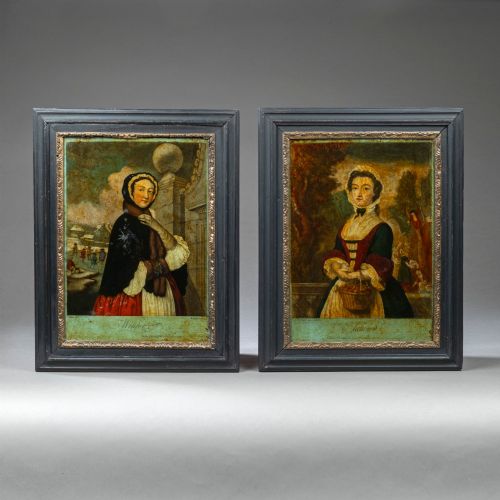
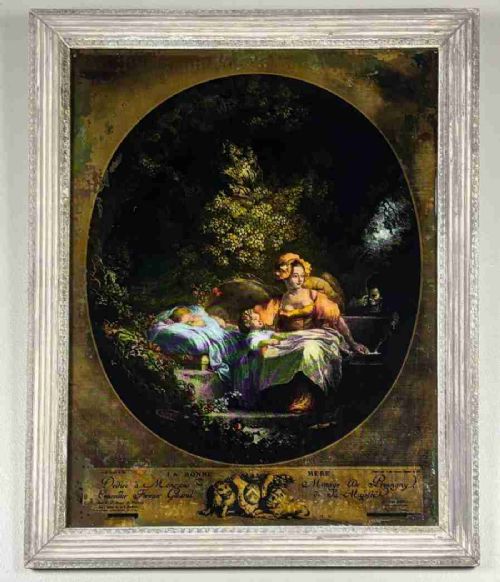
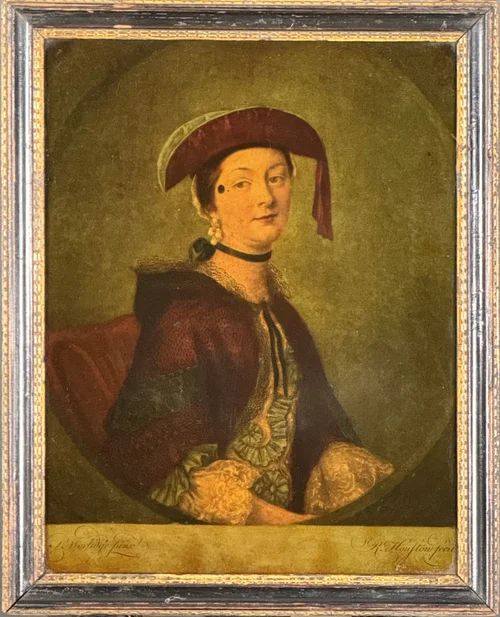
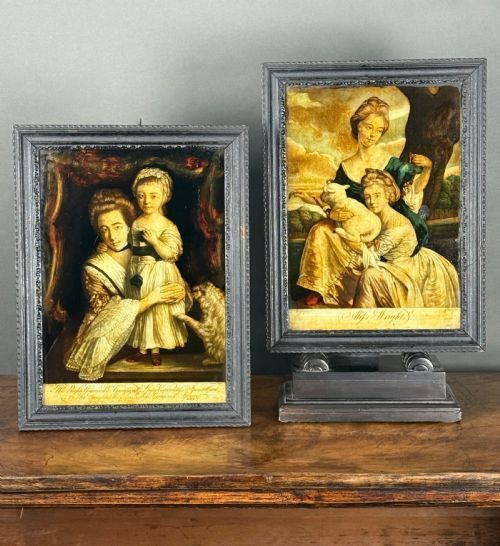
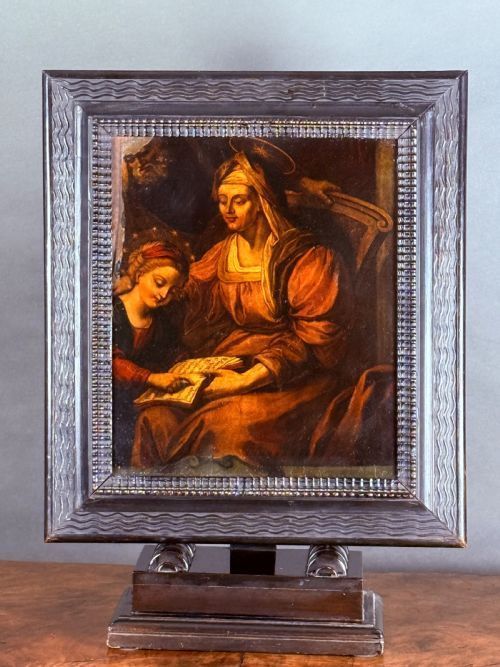
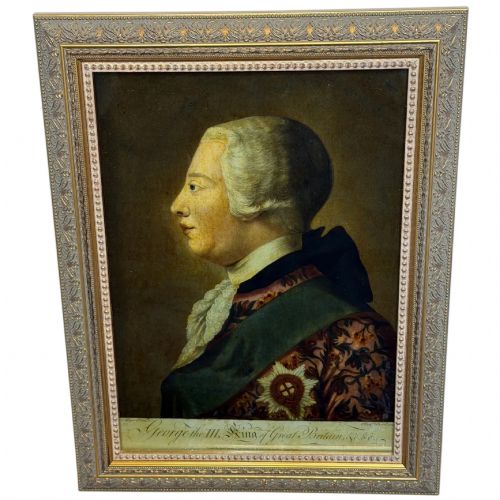
A mezzotint on glass is a distinct form of wall art where a print is transferred onto glass, then painstakingly coloured or painted from behind. When you examine these pieces, you mostly encounter Georgian and 18th-century examples portraying notable figures, royal personages, and allegories of the seasons.
The primary forms on this page include framed prints and pairs of reverse glass pictures housed in original wood and gilt frames. Subjects range from classical religious scenes to portraits like those of King George III and Queen Anne.
Materials and Technique
The creation of a mezzotint on glass relies on transferring a printed image face down onto a glass sheet, removing the paper backing, and applying oil paint, pigment, and gold leaf from the reverse side. This delicate procedure demands steady hands and precise sequencing, as every brushstroke is visible from the front.
Makers utilised wood and gilt frames to house these fragile panels, occasionally incorporating silk embroideries alongside black glass to heighten the visual contrast. The combination of oil pigment and gold leaf creates a lasting luminescence that defines the medium.
Mezzotint on Glass Retail Price Guide 2026
Typical asking prices for mezzotint on glass among the pieces listed under this phrase on Sellingantiques today, from the lower quarter to the upper quarter. They describe what is for sale here now, not the wider market.
Several early ladies are immortalised gazing permanently out from their glass panels, having outlived their original drawing rooms by centuries.
Assessing Quality
Quality in a mezzotint on glass rests upon the precision of the initial engraving and the skill of the hand-applied pigment behind the glass. Pieces executed by recorded publishers or skilled artists exhibit superior tonal gradations and careful facial detailing.
The preservation of the original gilt wood frame and the stability of the pigment layer heavily influence the desirability of each piece. Superior examples maintain their vibrant colours and metallic accents without extensive flaking or modern restoration.
Charles Spooner·Richard Purcell·Robert Sayer·W. Bishop·W.B. Walker·John Collett
The Mezzotint on Glass Glossary
- Mezzotint
- A printmaking process where the copper plate is roughened to produce rich dark tones and subtle gradients. This technique forms the photographic foundation transferred onto the glass.
- Reverse glass painting
- The method of applying pigment directly to the back of a glass panel so the image is viewed through the transparent front. It requires the artist to paint background details before foreground elements.
- Gilt wood
- Wood carved and coated with a thin layer of gold leaf or gold paint. These frames provide traditional borders for Georgian wall art.
- Crystoleum
- A Victorian method of applying hand-coloured prints to convex glass and adding further layers of paint. This later technique evolved from earlier reverse glass printing traditions.
- Allegory
- The representation of abstract ideas or seasons through human figures and symbols. Common examples on this page include personifications of Spring, Summer, Autumn, and Winter.
Mezzotint on Glass: Frequently Asked Questions
What is a mezzotint on glass?
A mezzotint on glass is an antique artwork created by transferring a printed mezzotint onto a glass sheet and applying oil paint or pigment to the reverse side.
This technique allows light to pass through the transparent medium, giving the portraits and allegorical scenes a distinctive luminous quality.
How do I hang these fragile pieces?
These works require secure wall mounting using their original wood frames, avoiding areas with direct sunlight or fluctuating humidity.
Because the pigment sits behind fragile glass, stable indoor conditions help protect the delicate painted layers from degradation.
Are these works dated to the Georgian era?
Many listings date from the 18th century and the Georgian or Regency periods, reflecting the height of popularity for this technique.
Victorian examples also appear, including later variants like crystoleum pictures that adapt the earlier reverse glass method.
Why are seasonal pairs common?
Makers frequently produced sets representing the four seasons or paired allegorical figures such as Faith, Hope, and Charity.
Displaying them together reflects the original decorative intent of 18th-century interiors where matched wall art created symmetrical arrangements.