

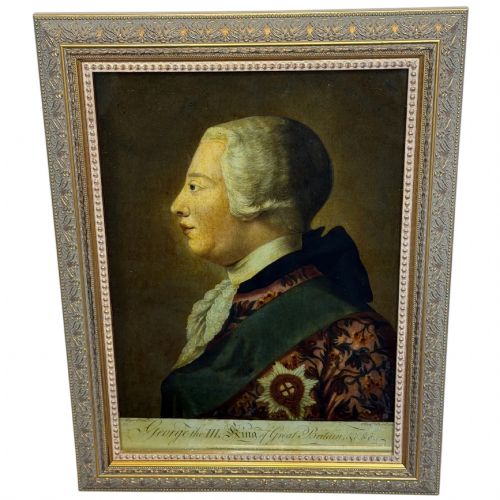


Framed Reverse Glass Picture
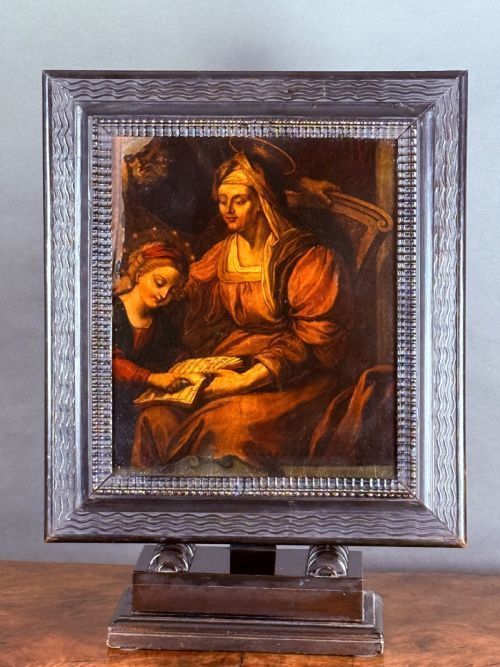
A framed reverse glass picture brings intense, glossy depth to portraiture and historical scenes through a delicate technique executed backwards on the pane.
Framed Reverse Glass Picture
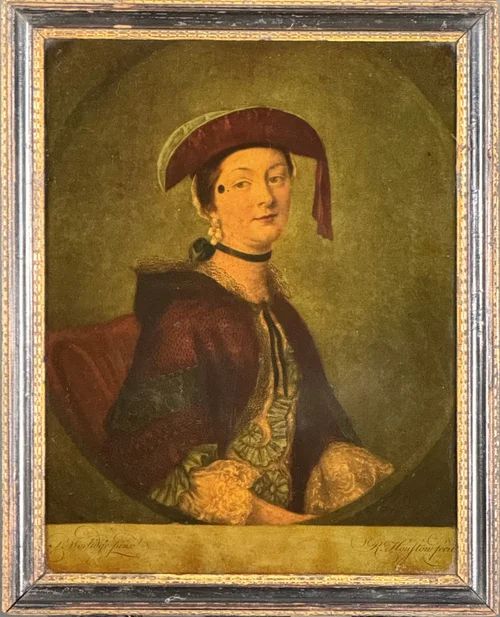
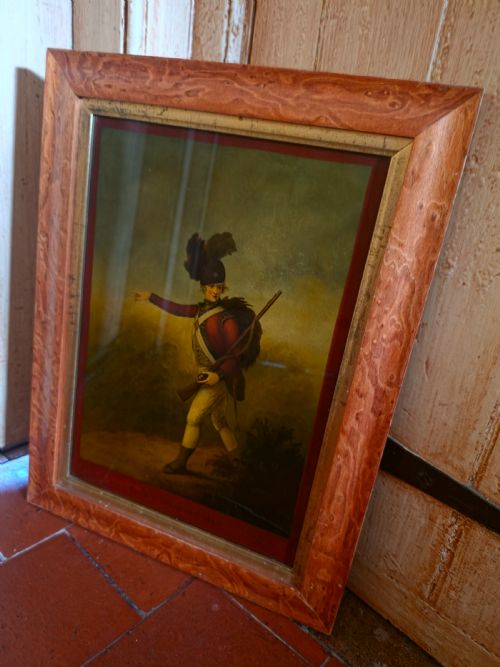
A framed reverse glass picture involves applying pigment, print or oil directly to the rear of a glass sheet so the image reads correctly from the front. When searching for a framed reverse glass picture, buyers encounter examples spanning the eighteenth century through to the twentieth century, with Georgian and Regency portraits forming a significant portion of the selection.
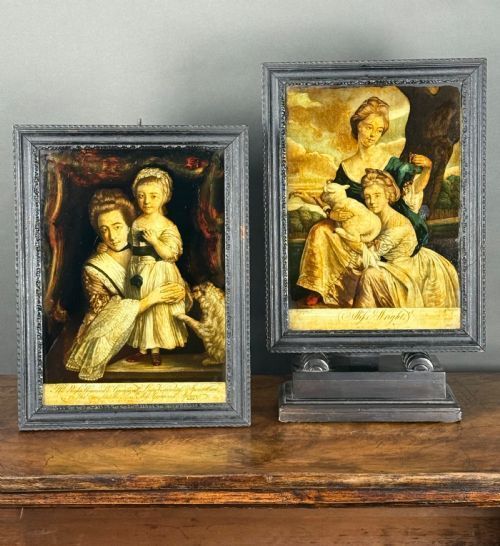
Makers utilised mezzotint transfers, hand painting and silhouette techniques to build compositions layer by layer, mounting the finished glass within timber frames such as maple. Subjects range from equestrian sporting art and naval engagements to religious scenes and classical allegories.
The survival rate of these delicate objects depends heavily on the original wood framing, which protects the vulnerable edges of the glass panel. Buyers frequently find paired sets, particularly seasonal allegories or royal portraits, alongside single decorative wall art panels.
How they were made
Makers applied oil paint, pigment and gold leaf directly to the reverse side of glass sheets, often transferring printed mezzotints face down onto the pane before applying colour by hand. This painstaking process required the artist to paint fine foreground details first and background elements last.
The finished glass plates were secured within wood frames, sometimes incorporating gilt accents or maple veneers, to protect the fragile paint layers from flaking and moisture. Mirror glass was occasionally utilised as a reflective ground for trade paintings and armorial crests.
What varies in quality
The originality of the mounting plays a major role in establishing the integrity of the piece, as period wood frames and untouched backing boards preserve the fragile glass layers from shifting and deterioration.
Fletcher·Sebastiaan Vrancx·Charles Spooner·Richard Purcell·Abraham Cooper·Takabatake Kasho·W Bishop·Richard Phillips·Schweninger
The Framed Reverse Glass Picture Glossary
- Mezzotint
- A printmaking process where the copper plate is roughened to achieve tones and shades, frequently transferred onto glass for reverse painting.
- Crystoleum
- A Victorian method of applying a colourless paper print to glass, rubbing away the paper backing, and hand-tinting the remaining transparent layer with oil paint.
- Eglomise
- A technique involving the application of gold leaf and painting to the rear of glass, often creating a reflective, metallic background.
- Silhouette
- A filled profile portrait, sometimes painted in black pigment with added colour details on the reverse of the glass.
- Armorial crest
- A heraldic design denoting family lineage, occasionally painted on glass or mirror plates.
Framed Reverse Glass Picture: Frequently Asked Questions
What is a reverse glass picture?
A reverse glass picture is an artwork painted, printed or transferred onto the back of a glass sheet so the viewer sees the finished image correctly through the front. The technique creates a glossy, luminous surface that protects the pigment from dust.
Makers worked in reverse, painting fine foreground details first and background layers last. This required immense precision because errors could not be corrected once applied to the glass.
How do I hang a framed reverse glass picture?
These pieces require sturdy wall fixings that support the weight of both the wood frame and the glass panel without placing undue stress on the joints. Hanging them away from direct sunlight prevents the pigments and paper transfers from fading over time.
Ensure the frame sits securely against the wall to prevent vibration, which can cause historical glass plates to shift within their rabbets.
How do I date an old glass picture?
Dating relies heavily on the style of the costume, the typography of any lettering, and the construction of the wood frame. Georgian and Regency examples often feature hand-coloured mezzotints of royals or literary figures, while Victorian pieces frequently utilise crystoleum techniques.
Examining the backboards, fixings and glass manufacturing flaws provides additional clues to the period of origin.
Were these pictures used as mirrors?
Some pieces combine a reflective mirror plate with a reverse glass painting positioned in a separate section above or beside it. These dual-purpose objects served as both decorative wall art and functional looking glasses in period interiors.
Trade mirrors produced for export often featured delicate reverse painted scenes depicting ships, figures or armorial crests.