

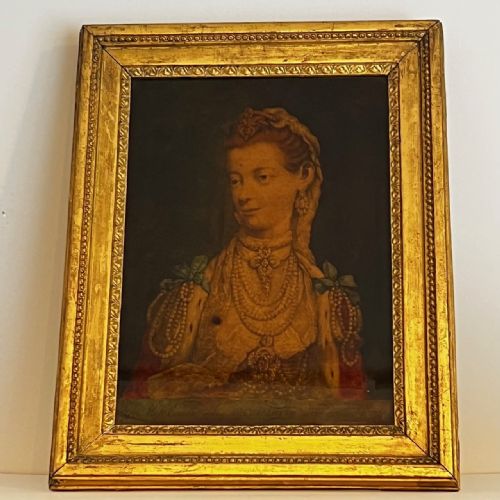


Antique Reverse Glass Painting
These antique reverse glass painting examples offer striking reverse-applied artistry, prized for their luminous surfaces and rich historical depth.
What an antique reverse glass painting is
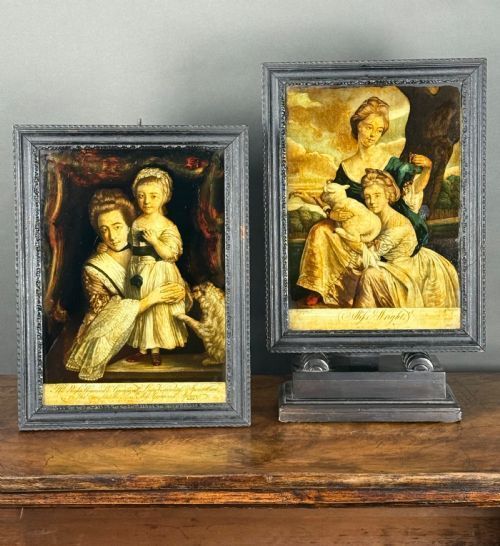
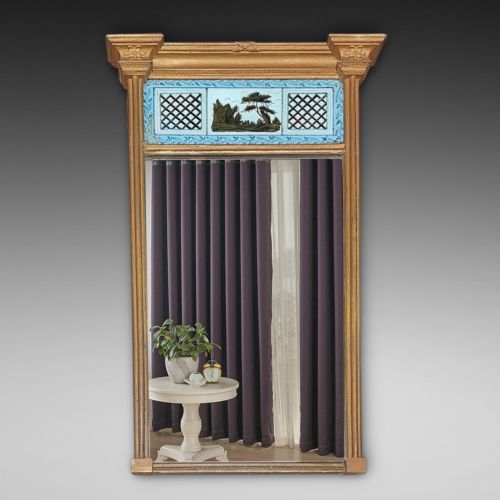
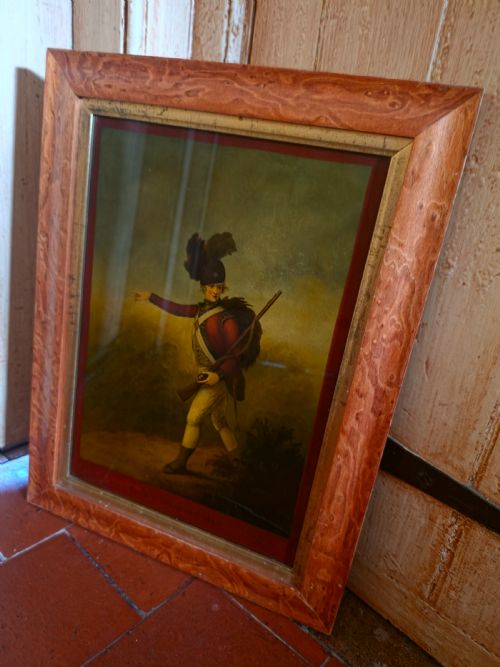
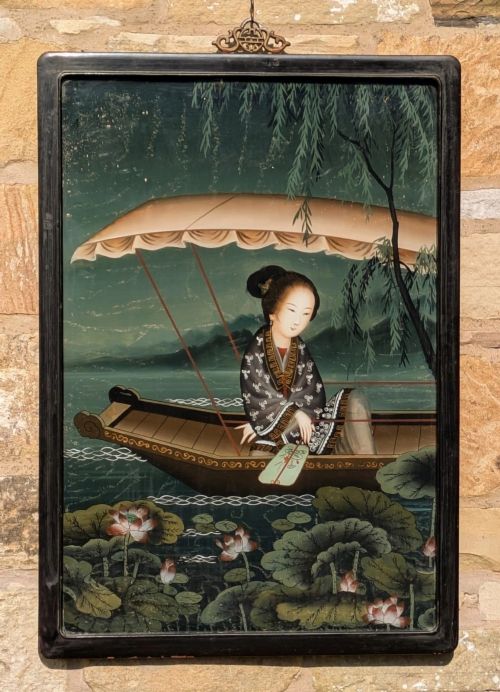
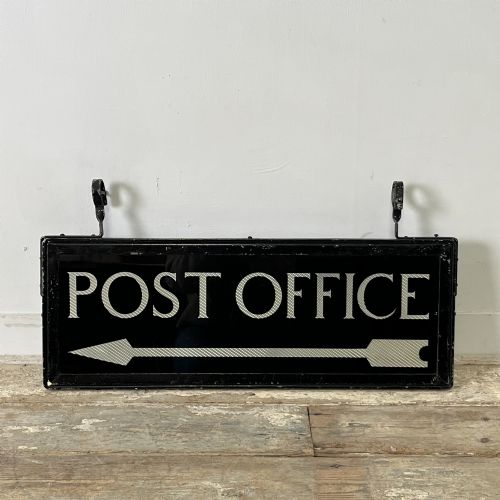
An antique reverse glass painting is a specialised form of wall art where the artist paints or prints directly onto the rear surface of a glass panel. When viewed from the front, the image gains a glossy depth that standard canvas paintings simply cannot replicate.
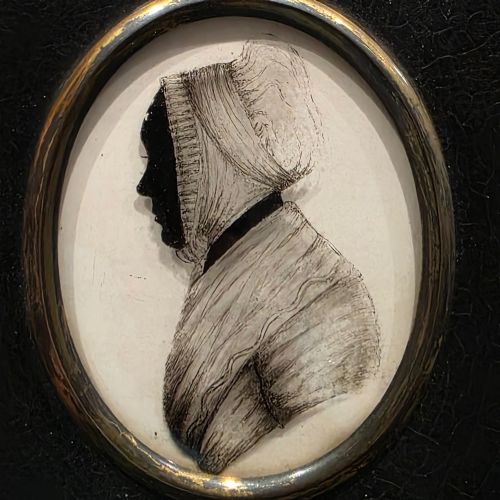
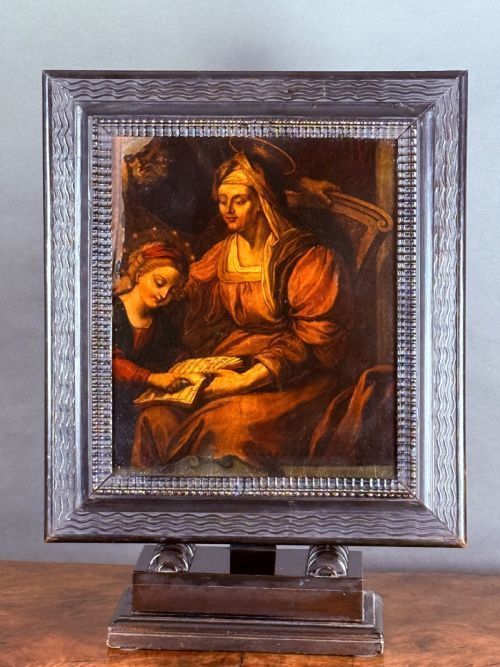
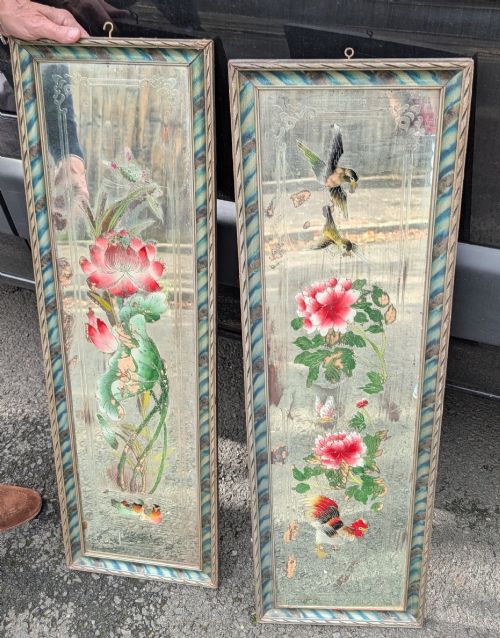
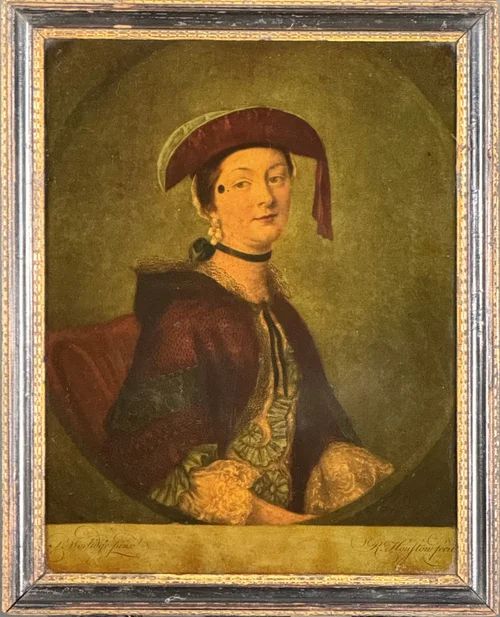
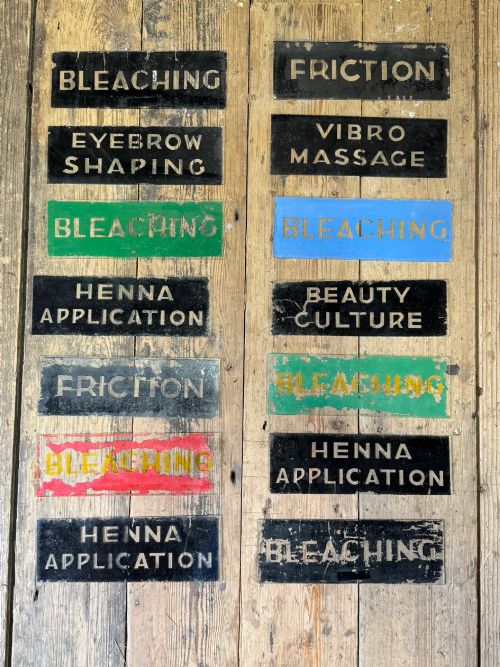
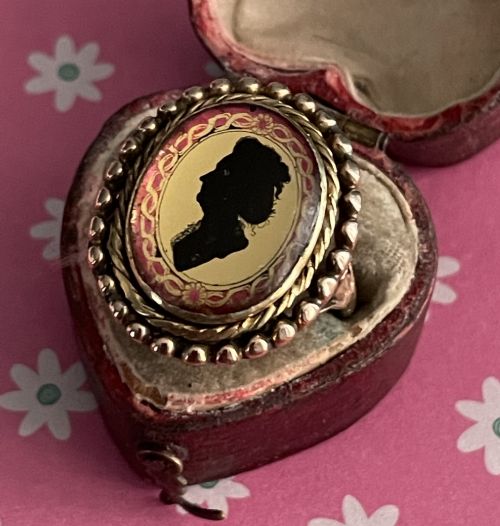
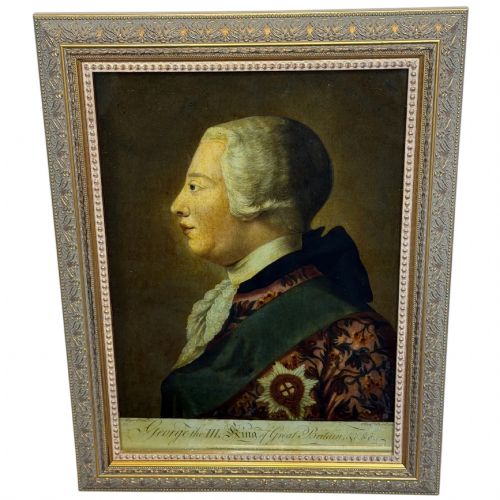
You will most commonly encounter Georgian and Regency examples on this page, alongside Chinese export pieces and Victorian variants such as crystoleoms. Subjects range from portraits of Queen Anne and Elizabeth Farren to hunting scenes, mythological figures like Neptune, and charming animal studies.
The format spans several centuries, touching the Baroque and Victorian eras with equal measure. Whether you choose a delicate silhouette, a mezzotint, or an oil painting, each piece demonstrates the meticulous patience required to work backward from foreground to background.
How they were made
Retail Price Guide 2026
Typical UK retail prices for reverse glass painting, calculated from the Sellingantiques database of over a million retail prices indexed since 2003. This retail price guide relies exclusively on Sellingantiques data; no external sources or auction records are used, so the figures do not describe the wider market.
Dogs and hunting scenes remind us that collectors across the centuries enjoyed canine companionship just as much as formal portraits.
What varies in quality
Quality rests primarily in the precision of the brushwork and the complexity of the layered pigment. Pieces where the artist successfully maintains depth and perspective from the reverse side demonstrate superior technical control.
The preservation of the underlying materials heavily influences the overall standard. Intact gold leaf, stable oil pigment without excessive flaking, and original framing separate exceptional works from more compromised examples.
The Antique Reverse Glass Painting Glossary
- Reverse glass painting
- A technique where the artist paints on the back of a glass sheet so the finished image is viewed through the front. This method protects the pigment from dust and environmental wear.
- Crystoleum
- A Victorian method of applying a coloured photograph or print to glass, hand-tinting it with paint, and backing it with further layers. This produced a luminous, three-dimensional portrait effect popular in the nineteenth century.
- Mezzotint
- A printmaking process where the copper plate is roughened to achieve rich tones, which could then be transferred to glass. It allowed for subtle gradations of light and shade in early decorative works.
- Silhouette
- A solid dark profile portrait, often cut from paper or painted directly onto glass. These stark likenesses became highly fashionable during the Regency period.
- Gilt wood
- Wood that has been decorated with a thin layer of gold leaf or gold powder. It frequently surrounds these paintings to add a reflective border.
Frequently Asked Questions
How do I hang a reverse glass painting safely?
These pieces require secure wall fixings that distribute the weight evenly across the frame rather than relying solely on old backing rings. Ensure the hanging wire or cord is robust and inspect the structural integrity of the wooden or gilt frame.
Keep the painting away from direct sunlight and damp walls, as moisture can compromise the exposed pigments behind the glass panel.
What is the difference between a crystoleum and a traditional painting?
A traditional antique reverse glass painting relies entirely on hand-applied oil pigment, paint, or print transfers executed directly onto the glass. Artists painted fine details first and built backgrounds behind them.
Crystoleoms emerged later in the Victorian era and typically incorporate a processed photograph or print base that is clarified, adhered to glass, and hand-colored before sealing.
How do I identify a Regency piece?
Regency examples often feature refined silhouettes, fine engravings, or neoclassical subjects framed within slender wood or gilt surrounds. The lettering and portrait styles characteristic of the early nineteenth century help distinguish them from earlier Baroque or later Victorian items.
Examining the backing boards, fixings, and paper seals can also provide clues regarding the production period.