
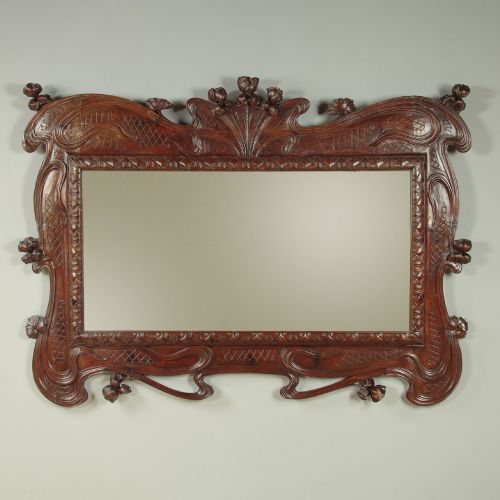
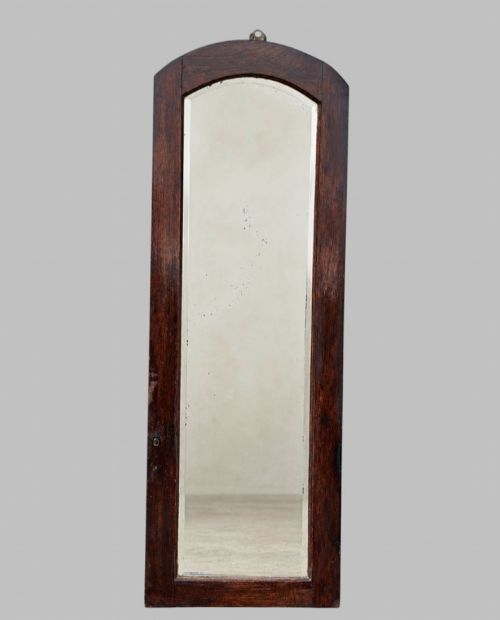
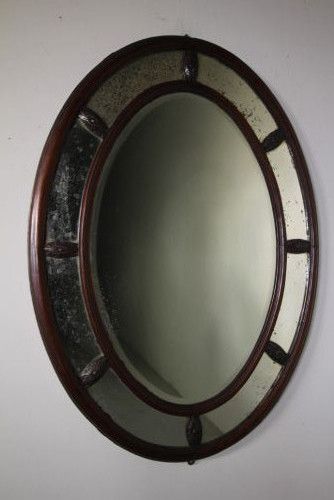
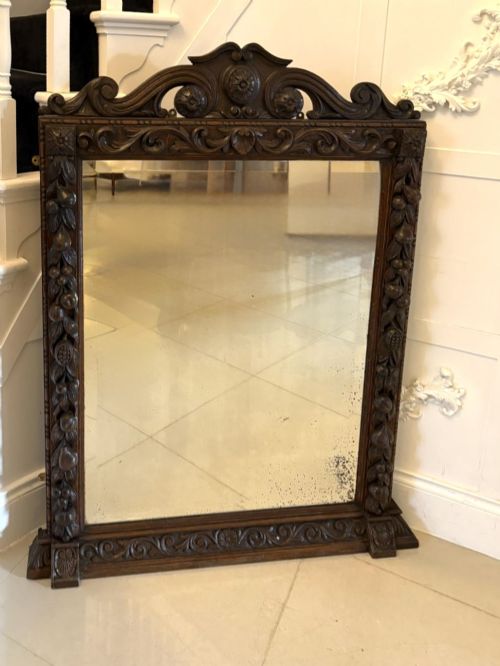
Dark Wood Mirror Frame
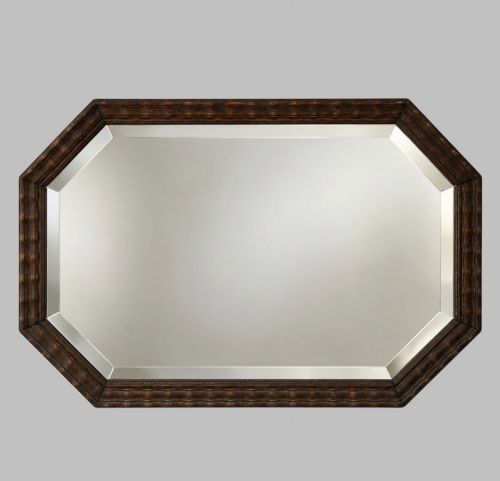
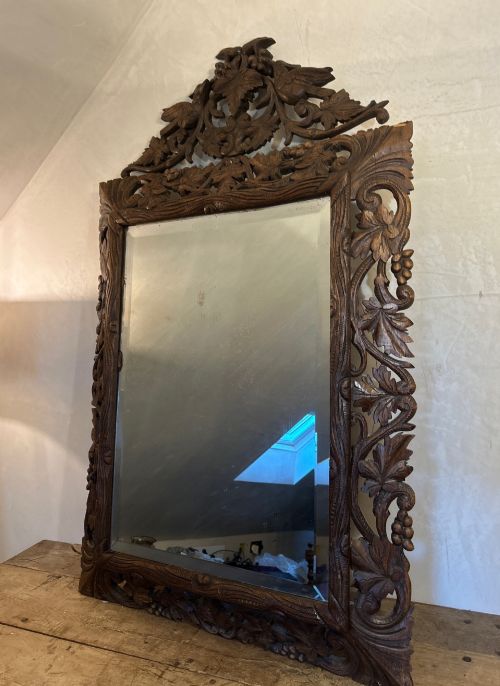
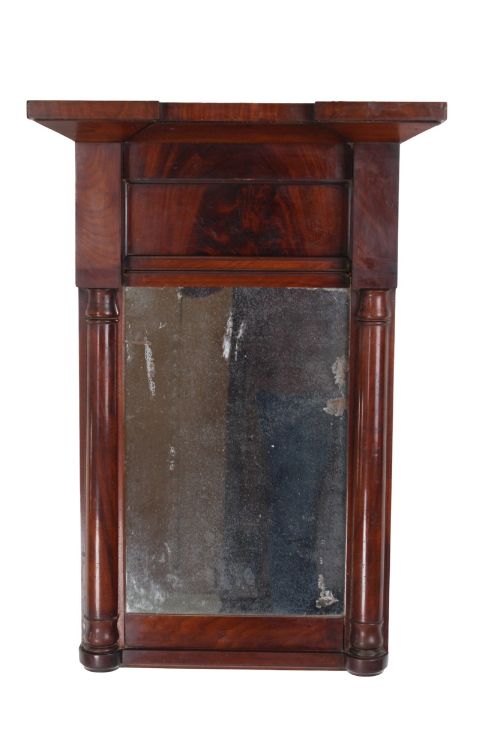
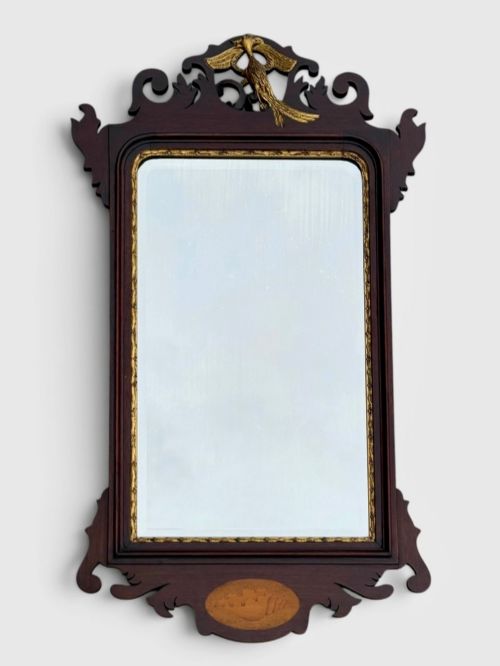
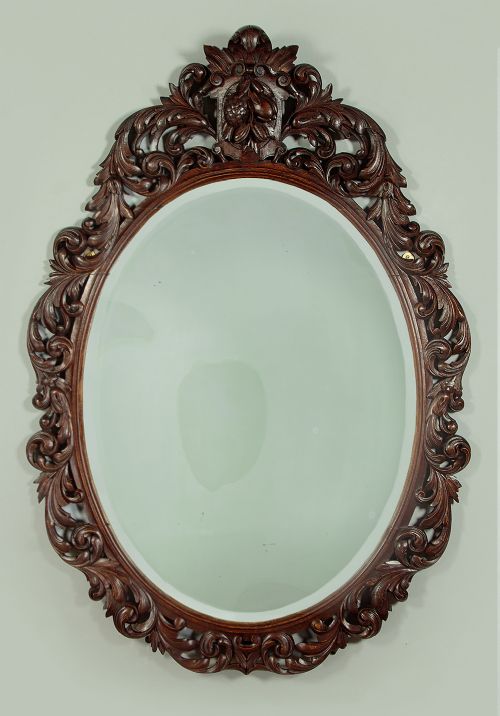
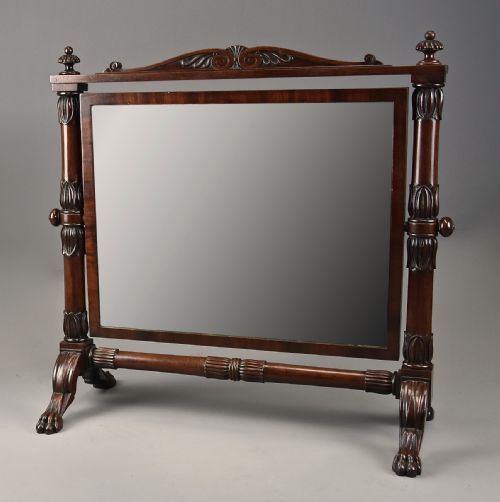
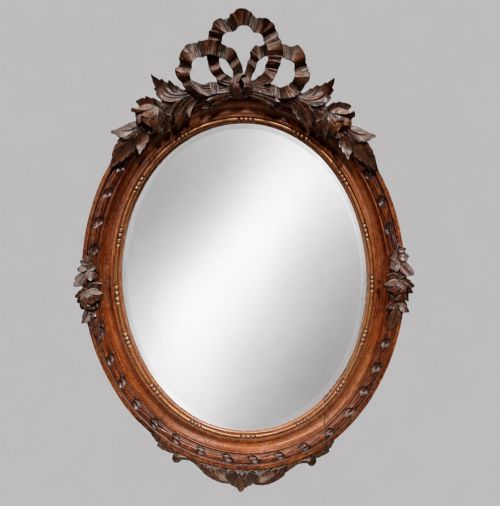
A dark wood mirror frame brings warmth and deep grain into a room, spanning styles from Georgian fret-cut mahogany to carved Victorian oak.

Dark Wood Mirror Frame
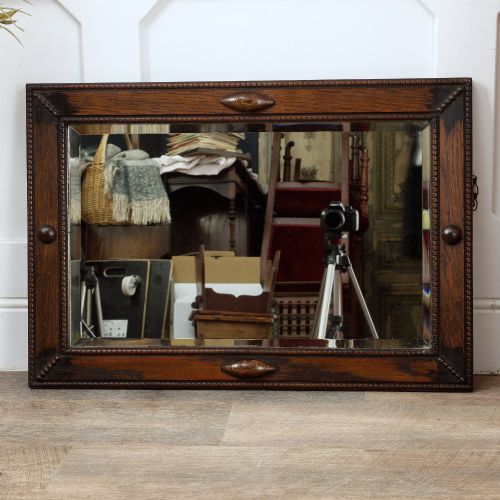
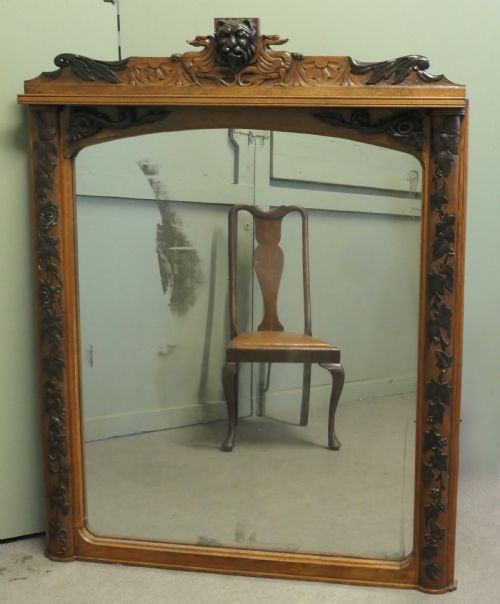
A dark wood mirror frame anchors a wall with rich tones, appearing most often in sturdy oak or warm mahogany across this selection. These pieces serve practical functions in hallways and dressing rooms while adding architectural weight to domestic interiors.
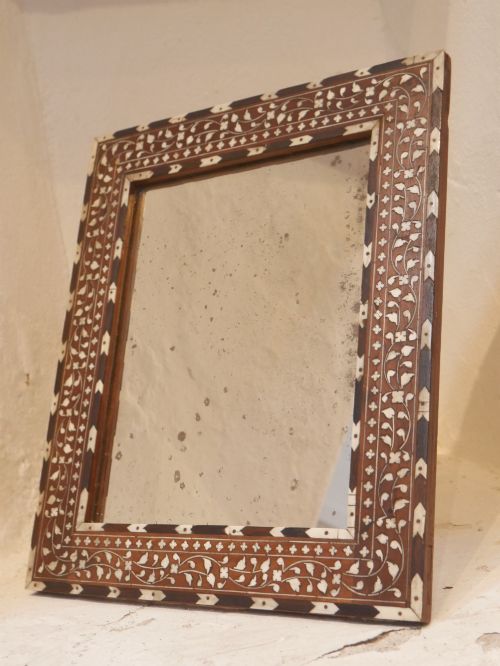
The assortment includes everything from compact Georgian pier mirrors to large Victorian overmantels and intricate Anglo-Indian Hoshiarpur work. Buyers encounter circular, oval, and rectangular formats designed for wall mounting or tabletop use on dressing tables.
Origins stretch from English country houses to continental workshops and regional centres such as the Black Forest. Each piece reflects the aesthetic preferences of its period, whether through restrained classical lines or exuberant carving.
Materials and construction methods
Cabinet makers utilised dense hardwoods like mahogany, walnut, and oak to build structures capable of supporting heavy glass plates. Timber selection dictated the depth of colour and the crispness of any applied carving.
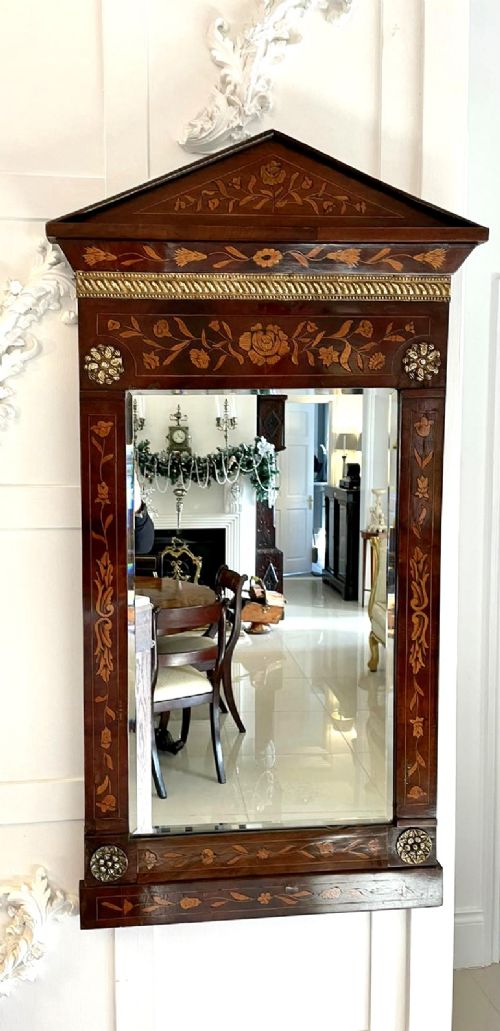
Construction techniques combined traditional joinery with hand-carved ornamentation, fret-cutting, and occasional marquetry inlay. Glass plates were typically bevelled by hand and secured with wooden backs within the rebated frame.
Object forms range from simple domestic wall mirrors to grand triptych overmantels and intricate Black Forest carvings.
Assessing craftsmanship and execution
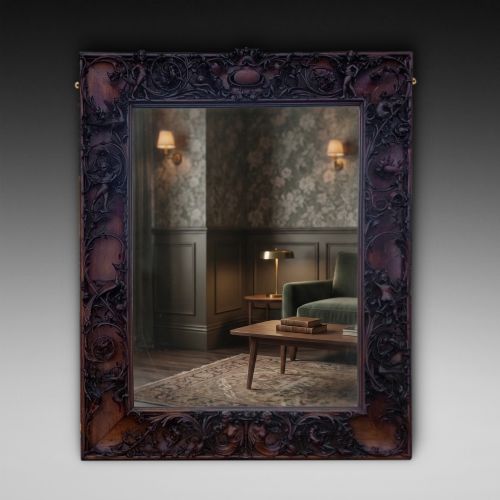
Quality rests in the depth and precision of the hand-carved details, particularly on complex motifs like foliage, crests, and birds. Superior examples display sharp undercutting and fluid lines that reveal the hand of a skilled artisan rather than mechanical production.
The integrity of the timber selection and the retention of original mirror glass heavily influence the standing of a piece. Finer workshops employed figured veneers and dense, stable hardwoods that aged with a rich patina.
Waring and Gillow·P and MA Nicholson
The Dark Wood Mirror Frame Glossary
- Pier mirror
- A tall, narrow mirror designed to hang on the wall space between two windows. These often featured console tables beneath them in period interiors.
- Overmantel mirror
- A wide mirror specifically proportioned to hang above a fireplace mantelpiece. They frequently incorporate landscape formats and elaborate cresting.
- Fret-cut
- A woodworking technique where intricate patterns are pierced through thin timber using a fretsaw. This method defines many classic Georgian frame silhouettes.
- Parcel-gilt
- A decorative treatment where parts of a dark wooden surface are highlighted with gold leaf. It creates a striking contrast against the dark grain.
- Bevelled glass
- A mirror plate with edges cut and polished at an angle to catch the light. This detail adds depth and a traditional finish to the border.
Dark Wood Mirror Frame: Frequently Asked Questions
How do I hang a heavy antique wall mirror?
Heavy frames require secure wall fixings distributed across the main structural points of the woodwork. Professional installation into wall studs or masonry ensures the weight of the timber and glass is supported safely.
Avoid relying solely on decorative picture wire attached to older brass rings unless the manufacturer's fixings have been inspected and rated for the load.
Are the mirror plates original to these frames?
Many older frames retain their original mercury or early silvered glass, which often exhibits gentle foxing and age spots. These natural imperfections confirm the historic nature of the object.
Some pieces have received replacement glass over the centuries to maintain a clear reflection while preserving the antique wooden housing.
How do I clean dark wood and mirror glass?
Dust the timber gently with a soft, dry cloth and apply a quality beeswax sparingly to nourish the grain. Avoid modern chemical sprays that can strip the historic polish and finish.
Clean the glass with a mild solution applied to a cloth rather than sprayed directly, preventing moisture from seeping behind the antique frame rebate.
How can I tell a Georgian frame from a Victorian revival?
Georgian pieces generally show construction methods, timber patination, and hand-tool marks consistent with the eighteenth century. Fret-cut designs from this era tend to have a lighter, precise construction.
Victorian Chippendale revival pieces often employ denser timbers, heavier proportions, and machine-assisted elements alongside hand carving to recreate earlier styles.