

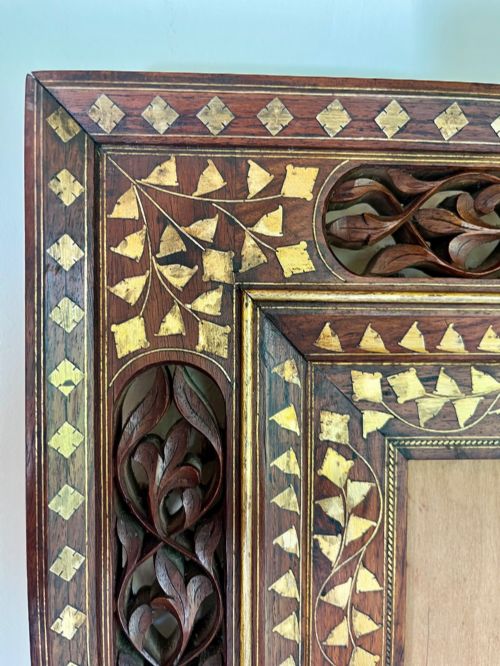


Rosewood Inlaid Wall Mirror
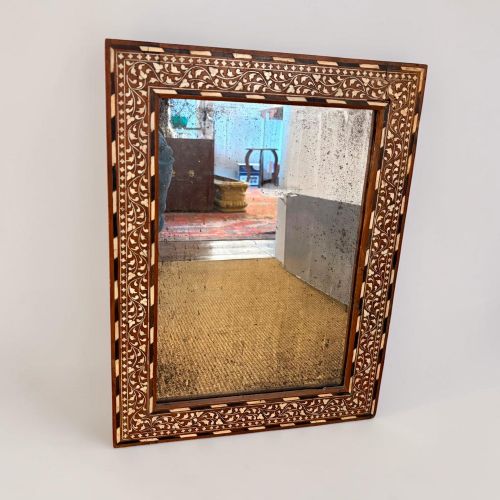
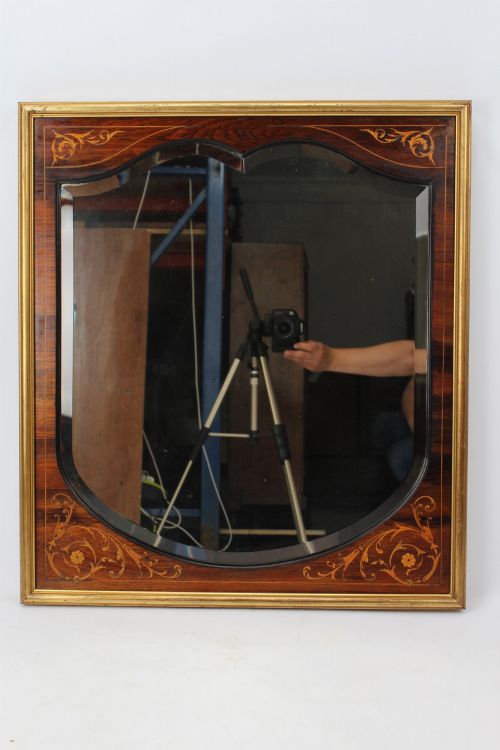
These rosewood inlaid wall mirror pieces bring rich timber and detailed marquetry to your hallway or parlour.
Rosewood Inlaid Wall Mirror
A rosewood inlaid wall mirror combines dark, dense timber with lighter contrasting details to create a striking focal point. When you search for a rosewood inlaid wall mirror, you encounter pieces spanning the Victorian and Edwardian periods, alongside nineteenth century items.
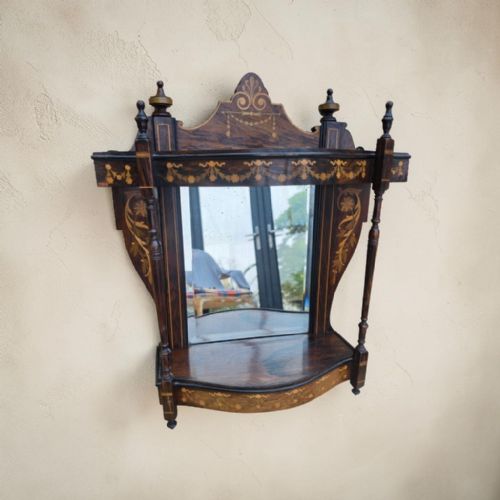
The forms on this page include compact hall and bedroom mirrors, larger overmantel examples designed for chimney breasts, and combined wall shelves. You are most likely to meet Victorian and Edwardian interpretations featuring marquetry or boxwood inlay.
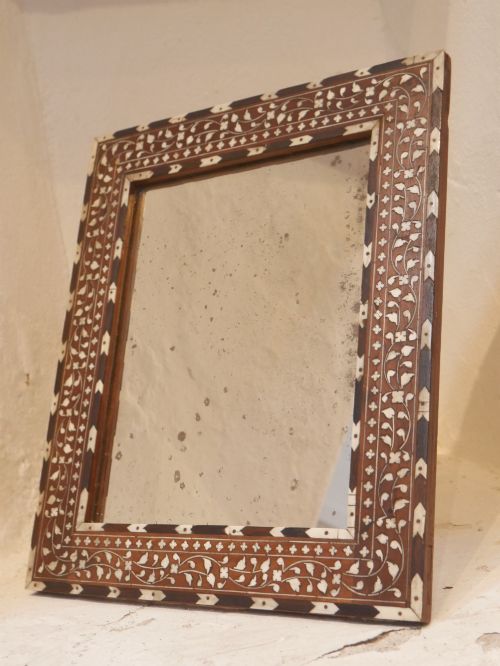
Origins stretch from standard British cabinet making to Anglo-Indian production represented by Hoshiarpur frames. These objects served practical daily use while displaying the refined tastes of their original owners.
Construction and materials
Cabinet makers built these frames using solid rosewood and hardwood foundations, often incorporating secondary timbers such as mahogany. The distinct dark grain provides a rich backdrop for contrasting decorative elements.
Decoration relied on precise boxwood inlay and marquetry work, sometimes complemented by bone or brass details and gilt highlights. Artisans carefully fitted glass plates into the timber structures, occasionally utilising mercury barometer mechanisms within the same housing.
Rosewood Inlaid Wall Mirror Retail Price Guide 2026
Typical asking prices for rosewood inlaid wall mirror among the pieces listed under this phrase on Sellingantiques today, from the lower quarter to the upper quarter. They describe what is for sale here now, not the wider market.
Listings feature periods from the nineteenth century through to nineteen twenty, utilising materials including brass, bone, and boxwood inlay.
Assessing quality and finish
The distinction between standard examples and superior items lies in the precision and complexity of the marquetry and boxwood inlay. Finer pieces demonstrate crisp botanical or geometric patterns that remain tightly seated within the rosewood ground without lifting.
Proportion and scale also dictate quality, as smaller hall mirrors with integrated shelves require delicate joinery to support their functions. The depth of the timber polish and the preservation of the original glass plate further separate ordinary items from exceptional ones.
The Rosewood Inlaid Wall Mirror Glossary
- Marquetry
- Decorative veneer work applied to a wooden structure to form geometric or pictorial patterns. It uses contrasting woods and materials to create visual depth on the flat surfaces of the frame.
- Boxwood inlay
- The practice of embedding thin strips of pale boxwood into channels cut within the darker rosewood. This technique produces sharp linear borders and floral motifs.
- Overmantel mirror
- A large horizontal mirror designed to hang directly above a fireplace mantelpiece. These pieces often incorporate shelving or gilt touches suited to principal reception rooms.
- Hoshiarpur
- A style of intricate woodwork originating from northern India, known for dense carved patterns and bone or wood inlay. Pieces from this tradition often utilise hardwood frames.
Rosewood Inlaid Wall Mirror: Frequently Asked Questions
Where should I hang a rosewood inlaid wall mirror?
These mirrors suit entrance halls, bedrooms, and above fireplace mantels where their reflective glass and detailed woodwork catch the light. Compact versions work well in narrow corridors alongside wall shelves.
Ensure you use appropriate fixings suited to the weight of the hardwood frame and glass plate to secure the piece safely to the wall.
How do I date a Victorian or Edwardian mirror?
Dating relies on stylistic clues, construction methods, and the recorded period of manufacture. Victorian examples often display heavier proportions and bold gilt or marquetry, while Edwardian pieces lean towards lighter framing.
Examining the backboards, fixings, and type of glass bevel provides further physical evidence of the era in which the piece was made.
What is the difference between a wall mirror and an overmantel?
Wall mirrors are generally vertical or square pieces intended for general room placement or narrow spaces like hallways. Overmantel mirrors are wider horizontal formats specifically proportioned for hanging above fireplaces.
Both types utilise rosewood and inlay, but overmantel variants frequently incorporate more expansive glass surfaces and extended decorative crests.
How do I care for rosewood and inlay?
Maintain the timber by keeping the mirror away from direct sunlight and fluctuating heat sources that might dry out the wood. Dust the marquetry and boxwood inlay gently with a dry, soft cloth.
Avoid applying modern silicone polishes, as these can build up and dull the historic finish of the rosewood surface.