

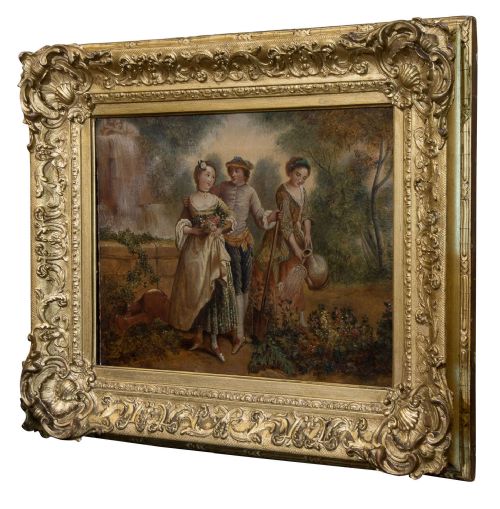


Classical Figure Picture
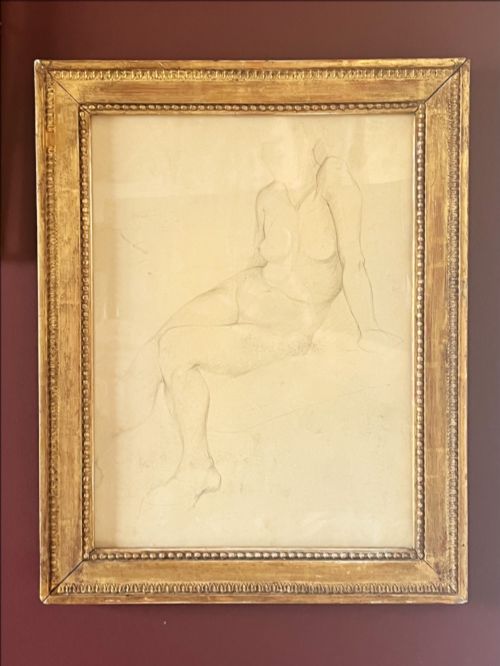
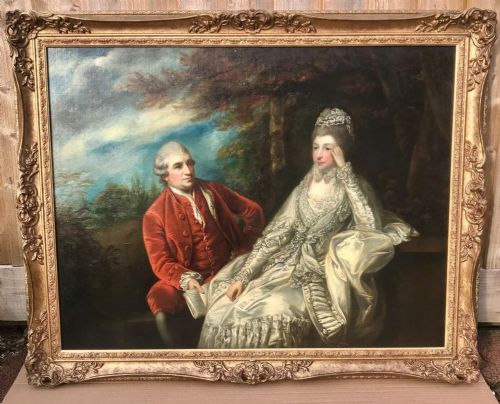
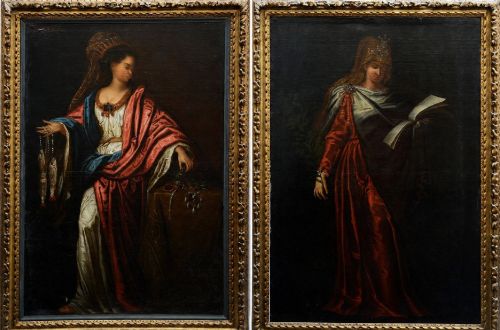
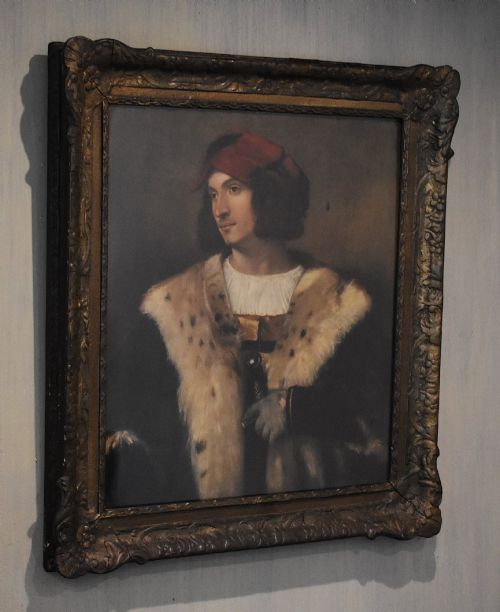
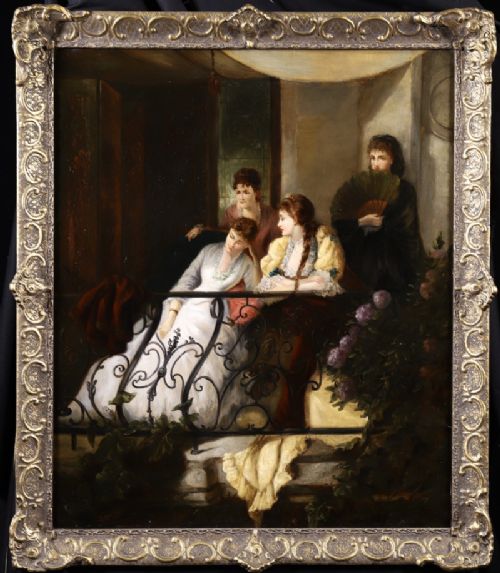
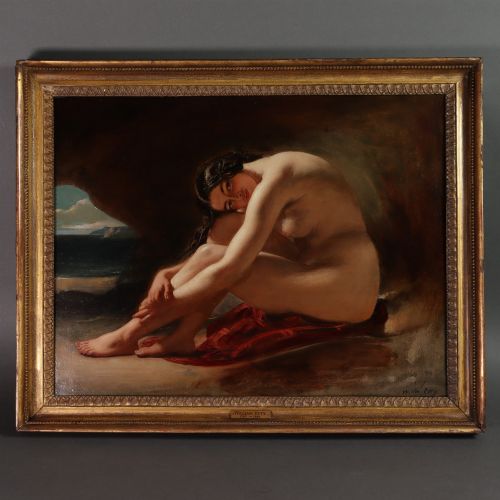
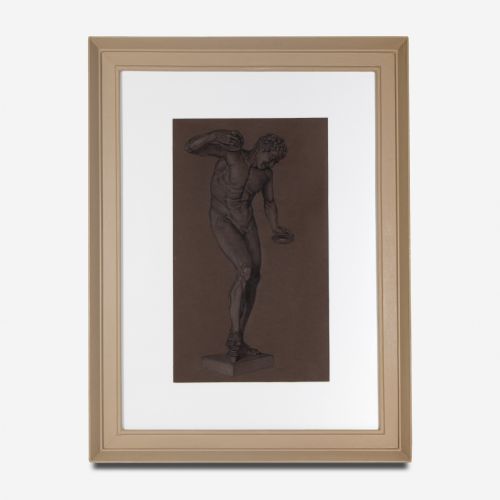
A classical figure picture brings mythological scenes, portraits and allegories into a room through framed oil paintings, watercolours and prints.
Classical Figure Picture
A classical figure picture presents human forms drawn from mythology, history and academic traditions, framed and ready to hang. When you search for a classical figure picture, you encounter works spanning the eighteenth, nineteenth and twentieth centuries.
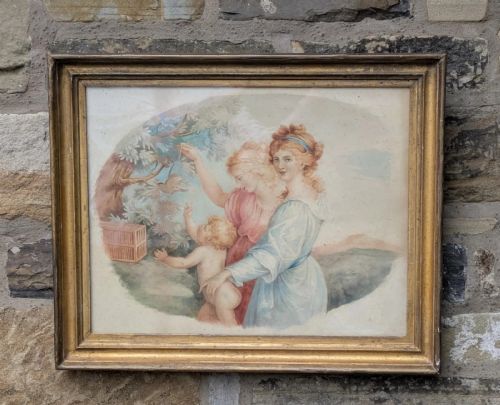
The selections include original oil paintings on canvas and board, watercolours, gouache and framed prints. Many feature historical schools, English and Continental makers, or specific mythological subjects such as Venus, Diana and Pan.
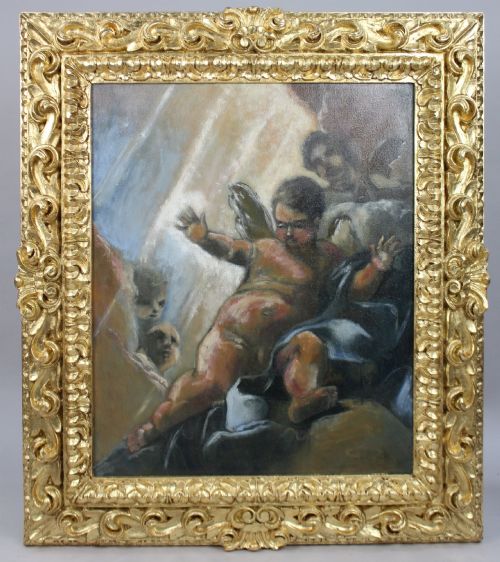
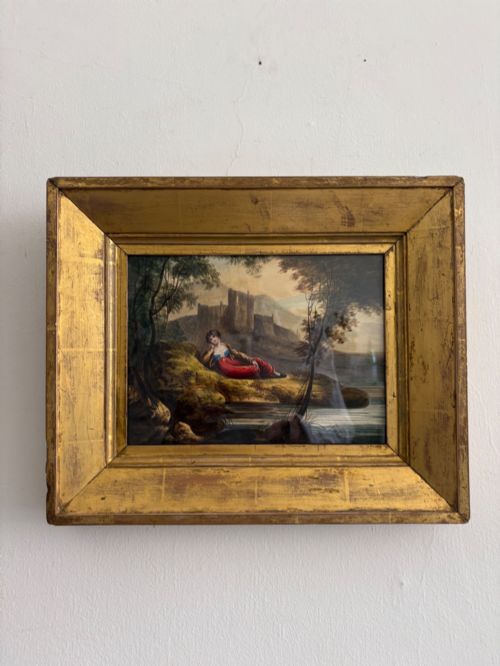
Framing forms an integral part of these pieces, with antique giltwood and carved wood frames often accompanying the artwork. Subjects range from singular figure studies and studio portraits to pastoral landscapes populated with classical figures.
Materials and techniques
Makers utilised oil paint on canvas, wood panel and board, alongside watercolour and gouache on paper. Painters applied pigments using academic methods, building depth through layered glazes and detailed brushwork.
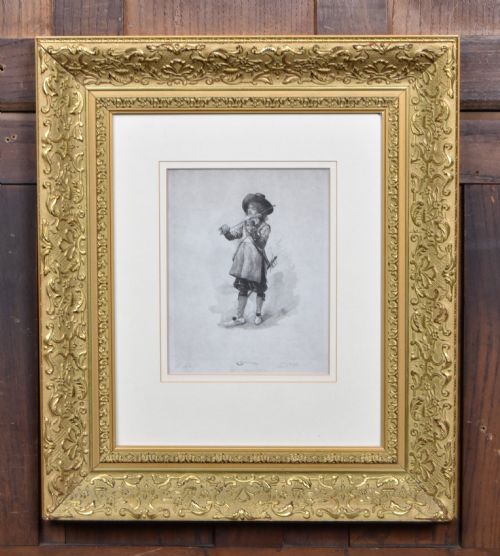
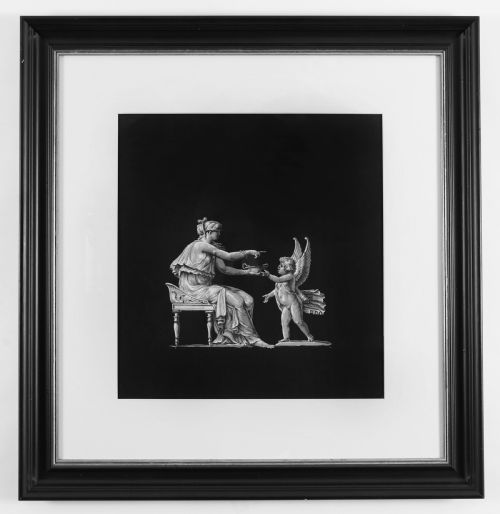
Relief works incorporate bronzed copper, demonstrating metalworking skills alongside traditional fine art media. Prints and etchings utilise paper surfaces, capturing detailed lines from engraved plates.
Frames are constructed from wood, featuring gilt finishes, giltwood carvings and period joinery designed to complement the artwork within.
Listings feature works from the eighteenth to the twentieth centuries, spanning Neoclassical, Romantic, and Victorian styles.
Variations in quality
Quality rests in the execution of the human form, the fluidity of line in drawings, and the handling of paint in oils. Works by identified schools or listed painters demonstrate superior compositional control and anatomical precision compared to anonymous decorative pieces.
The integrity of the frame contributes to the overall standard, with original carved giltwood frames holding greater merit than later replacements. The preservation of the pigment, canvas and paper surface without excessive restoration marks the distinction between fine examples and standard items.
Joshua Reynolds·P. Ruiz·John A. Monteith·Margaret Maitland Howard·William Etty·Cipriani·Hermann Armin Kern·Pietro D'asaro·Del Buono·Richard Wilson·R.A Bartlett·Abraham Cooper·Eduard Veith
The Classical Figure Picture Glossary
- Oil on canvas
- Pigment suspended in drying oil applied to a woven fabric support stretched over a wooden frame. This medium allows for rich colour blending and textured brushwork.
- Gouache
- An opaque water-based paint composed of pigment, water, and a binding agent such as gum arabic, often including an added inert white pigment. It produces a flat, matte finish.
- Giltwood
- Wood that has been coated with a thin layer of gold leaf or gold powder. It provides a reflective, decorative border to framed artworks.
- Etching
- A printmaking technique where lines are incised into a metal plate covered with a protective ground using acid. Ink is then applied to the recessed grooves and transferred to paper.
- Neoclassical
- A style rooted in the art and culture of ancient Greece and Rome. It prioritises harmony, proportion and classical motifs.
- Provenance
- The chronological history of the ownership of a work of art. It establishes authenticity and traces the pedigree of the piece.
Classical Figure Picture: Frequently Asked Questions
How do I date a classical figure picture?
Dating relies upon the materials of the support, the style of the frame, and the painting technique employed. Nineteenth-century works often utilise specific canvas stamps and distinct framing profiles.
Examinations of the backing boards, paper types, and artist signatures or exhibition labels provide further chronological markers for these framed pieces.
Where should I hang a classical figure picture?
These pieces suit reception rooms, studies and hallways where lighting can be controlled to prevent glare on varnished oil surfaces. Wall spaces with stable humidity levels protect both the canvas and the gilt frame.
Pairing them with period interiors or contrasting them within modern rooms highlights the depth of the pigments and the detail of the carving.
What is the difference between an oil painting and a print?
An oil painting is a unique, hand-painted work created by applying pigmented oils directly to canvas, panel or board. Brush texture and impasto remain visible upon close inspection.
A print is a mechanical or hand-pulled reproduction on paper derived from an original plate, block or etching, showing a flat surface under magnification.
How do I care for antique frames?
Antique giltwood frames require dusting with a soft, dry brush to prevent the accumulation of particles in the carved crevices. Avoid using liquid cleaners or polishes which can strip the delicate gold leaf.
Keep frames away from direct heat sources and strong sunlight to prevent the wood from warping and the gesso from cracking.