
Antique Sporting Picture
An antique sporting picture captures the drama of the field, the turf, and the kennel through oil, watercolour, and print.
Antique Sporting Picture
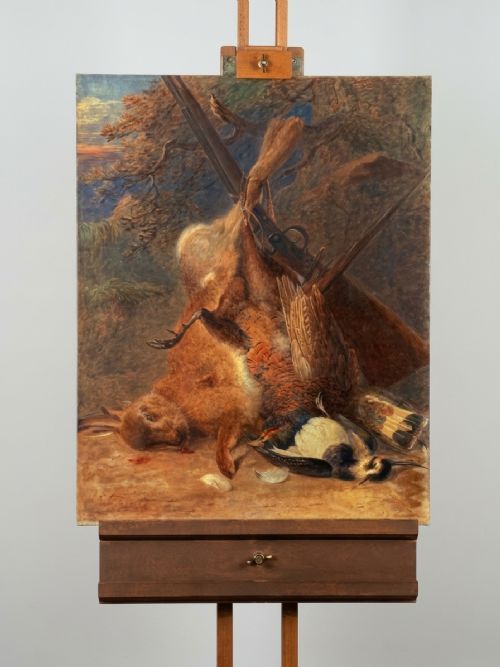
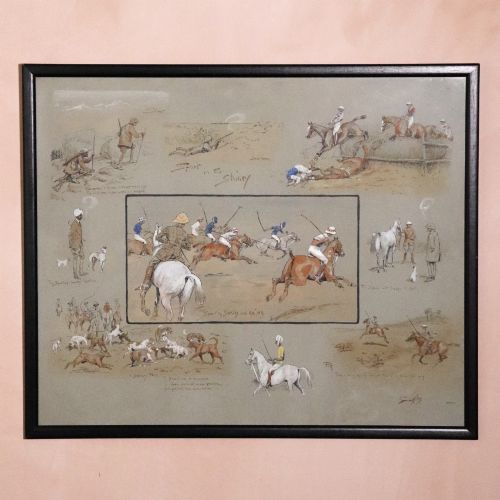
An antique sporting picture records horses, hounds, game, and field sports across oil paintings, watercolours, and prints. These works span the Georgian, Victorian, and Edwardian periods, capturing the animals and pastimes valued by country society.
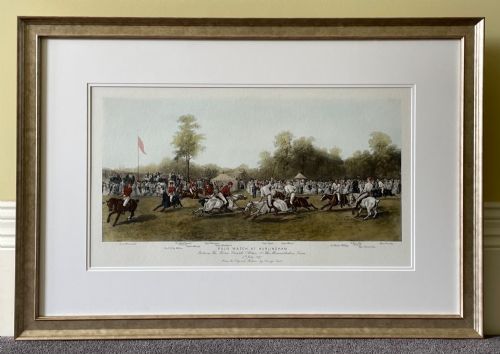
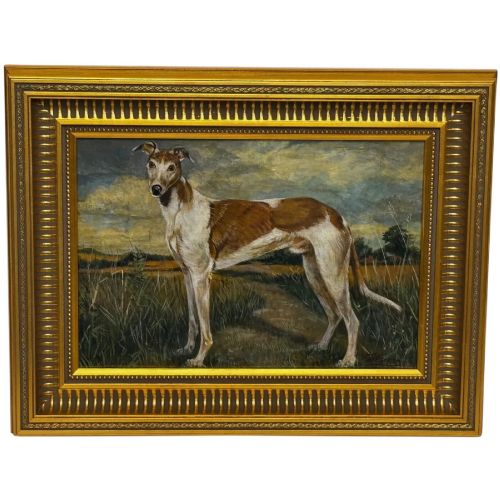
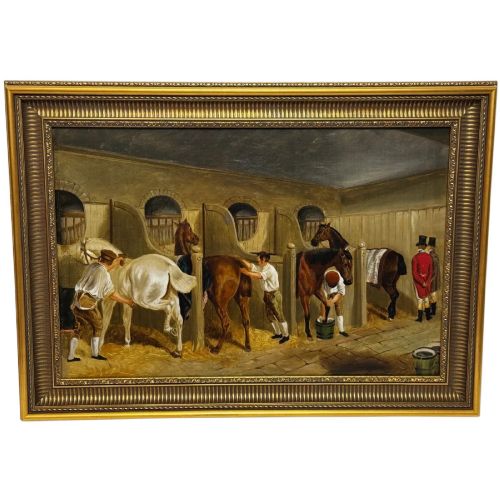
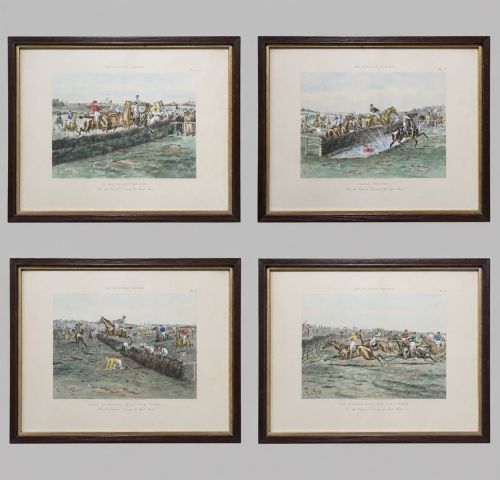
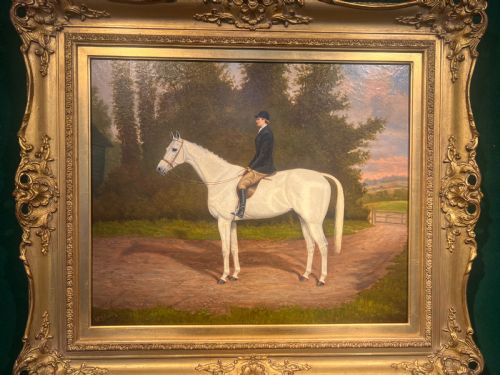
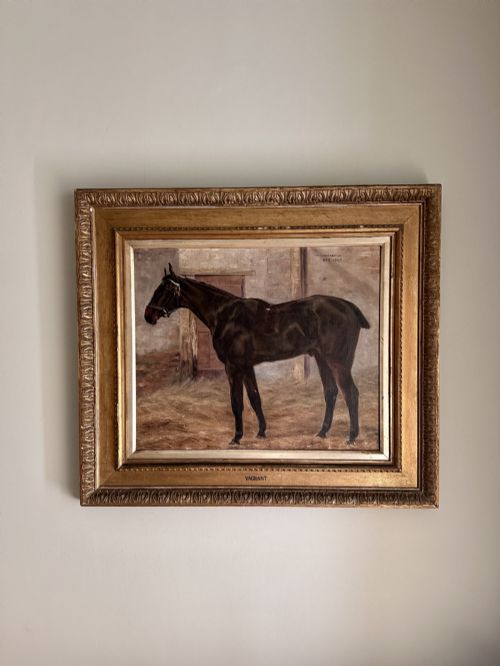
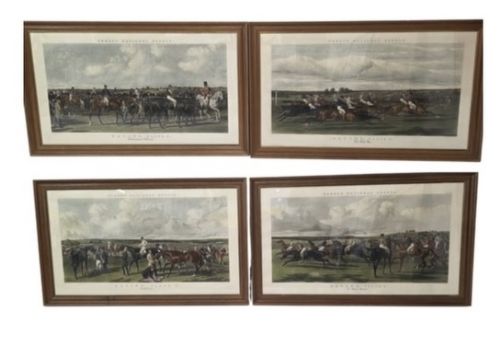
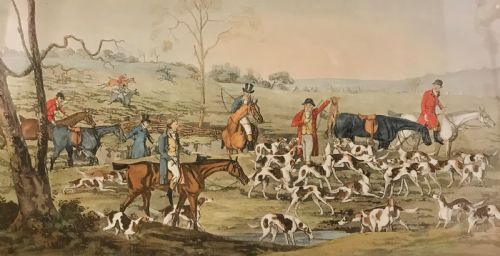
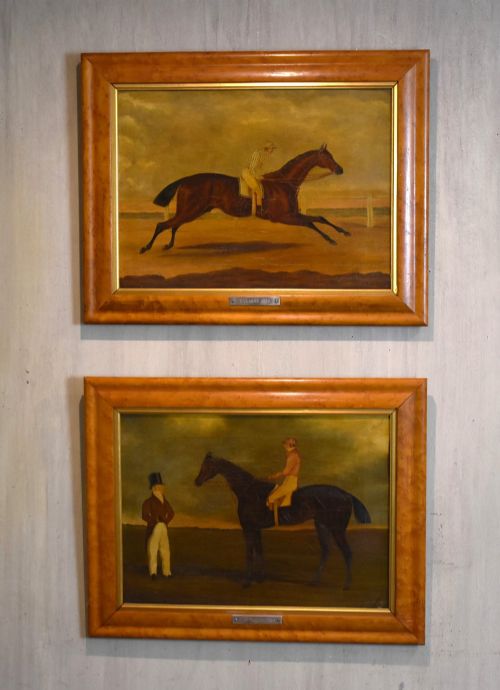
The most frequent pieces on this page are nineteenth-century oil paintings and framed prints depicting horse racing, hunting scenes, and individual animal portraits. Artists rendered these subjects to celebrate prized hunters, racehorses, and working dogs in natural landscapes.
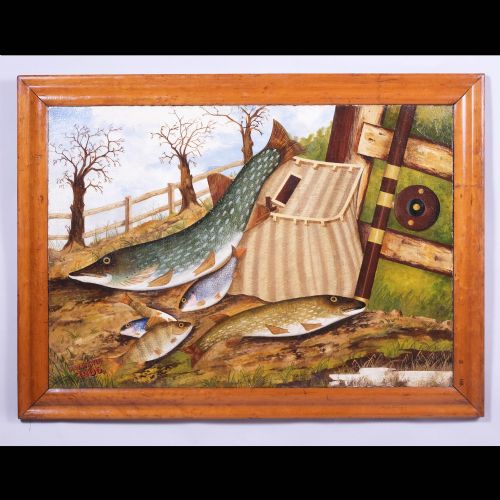
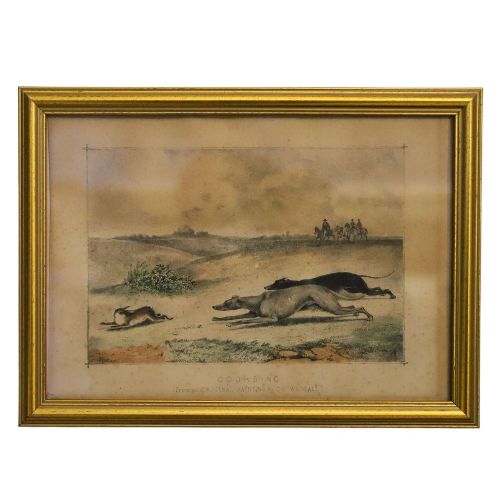
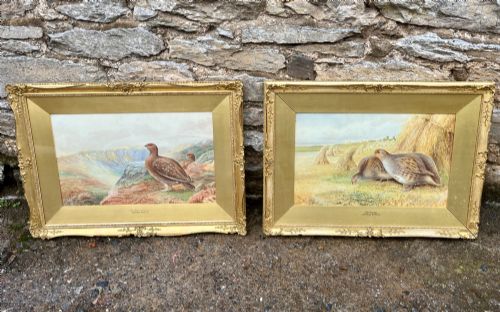
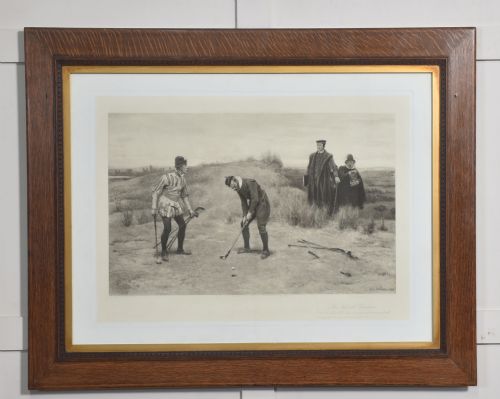
Engravings and lithographs after known painters also appear frequently, alongside watercolour studies of game birds and fishing scenes. Together, these pieces form a visual history of British field sports and rural life.
How they were made
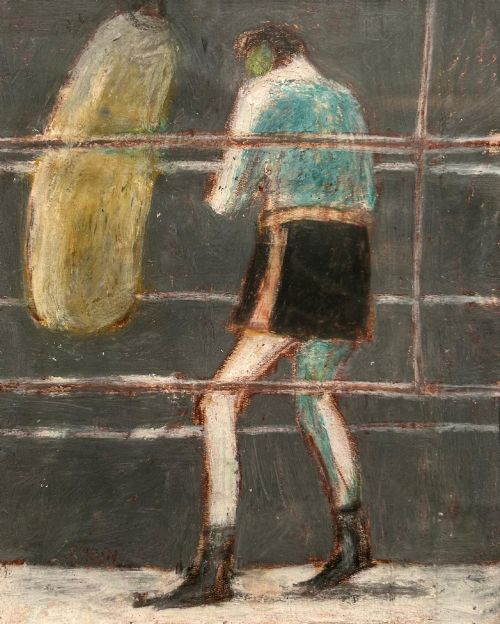
Painters applied oil paint to canvas or wood panels, building up layers to show the sheen of a horse coat or the texture of a dog fur. Watercolours on paper utilised delicate washes and bodycolour highlights for swift studies of game and hounds.
Printmakers employed lithography, etching, and engraving to reproduce popular paintings for a wider audience. Publishers often hand-coloured these paper prints with watercolour washes to mimic the richness of original canvases.
Framing typically involved wood and gilt wood moulding, protecting the paper or canvas behind glass where required. Many surviving pieces retain period frames that complement the style of the artwork.
Several dogs immortalised in these oils and watercolours likely stole the family sofa long before their portraits dried.
What varies in quality
The skill of the draughtsman dictates the anatomical accuracy of the horses and hounds, separating generic renderings from works by accomplished animal painters. A superior hand captures muscle tension, posture, and the distinct character of an individual animal.
Medium and preservation also alter the standing of a piece, as original oil paintings on canvas or panel hold greater presence than faded prints on paper. Strong colour retention in watercolours and minimal restoration across the canvas surface indicate careful preservation over the centuries.
George Sydney Shepherd·George Finch Mason·William Albert Clarke·Fred Fitzpatrick·C. H. Weigall·George Rankin·J. C. Dollman·Snaffles·John Frederick Herring Snr·John Emms·John Ferneley Senior·Benjamin Blake·Alfred Munnings·Cecil Charles Windsor Aldin·John Arthur Lomax·Arthur Wardle·C W Tuck·Basil Nightingale·W Williams·Abraham Cooper·Samuel Raven·Edward Lloyd of Ellesmere
The Antique Sporting Picture Glossary
- Bodycolour
- Watercolour mixed with white pigment to make it opaque. This technique adds dense highlights to studies of game birds and animals.
- Lithography
- A printing method based on the repulsion of oil and water on a limestone slab. It allowed publishers to issue faithful reproductions of sporting scenes.
- Aquatint
- A printmaking variation that produces tonal areas resembling watercolour washes. It was widely used for nineteenth-century sporting prints and coaching scenes.
- Eglomise
- The technique of applying gold or silver leaf to the reverse side of glass. It appears on decorative reproduction sporting pictures.
- Etching
- A process where acid cuts lines into a metal plate to hold ink for printing. Artists used this method to create fine-lined prints of dogs and horses.
Antique Sporting Picture: Frequently Asked Questions
What subjects do these pictures show?
These works depict horses, hunting packs, hare coursing, fishing, and shooting scenes. They focus closely on the animals and activities central to rural country pursuits.
Many pieces portray named racehorses or prized family hounds alongside their handlers or owners. Landscapes and stable interiors provide the traditional setting for these subjects.
How do I date a sporting painting?
Costume, hair styles, and the cut of riding attire offer clear clues to the decade of creation. Harness designs and the architecture of stables or country houses also shift noticeably between Georgian and Edwardian eras.
Signatures, artist dates, and inscriptions on the reverse of the canvas often confirm the exact year of execution. Framing styles frequently match the period of the artwork as well.
Are prints worth collecting?
Original nineteenth-century lithographs and engravings record popular sporting compositions that might otherwise remain inaccessible. Hand-coloured aquatints after artists like Aiken or Herring hold a distinct place in the history of sporting art.
Collector interest centres on the quality of the impression and the presence of original hand-colouring. Early printing states and publisher stamps add further historical weight to paper pieces.
How should I hang an oil painting?
Keep oil paintings away from direct sunlight and damp walls to protect the canvas and the wooden stretcher behind it. Stable indoor temperatures prevent the paint layer from cracking over time.
Select a wall that supports the weight of a heavy gilt wood frame securely. Proper lighting from above brings out the dark tones and fine brushwork in nineteenth-century canvases.