
Georgian Portrait Art
Georgian portrait art brings domestic history into the room through oil paintings, watercolours and miniatures rendered by masters and lesser-known hands alike.
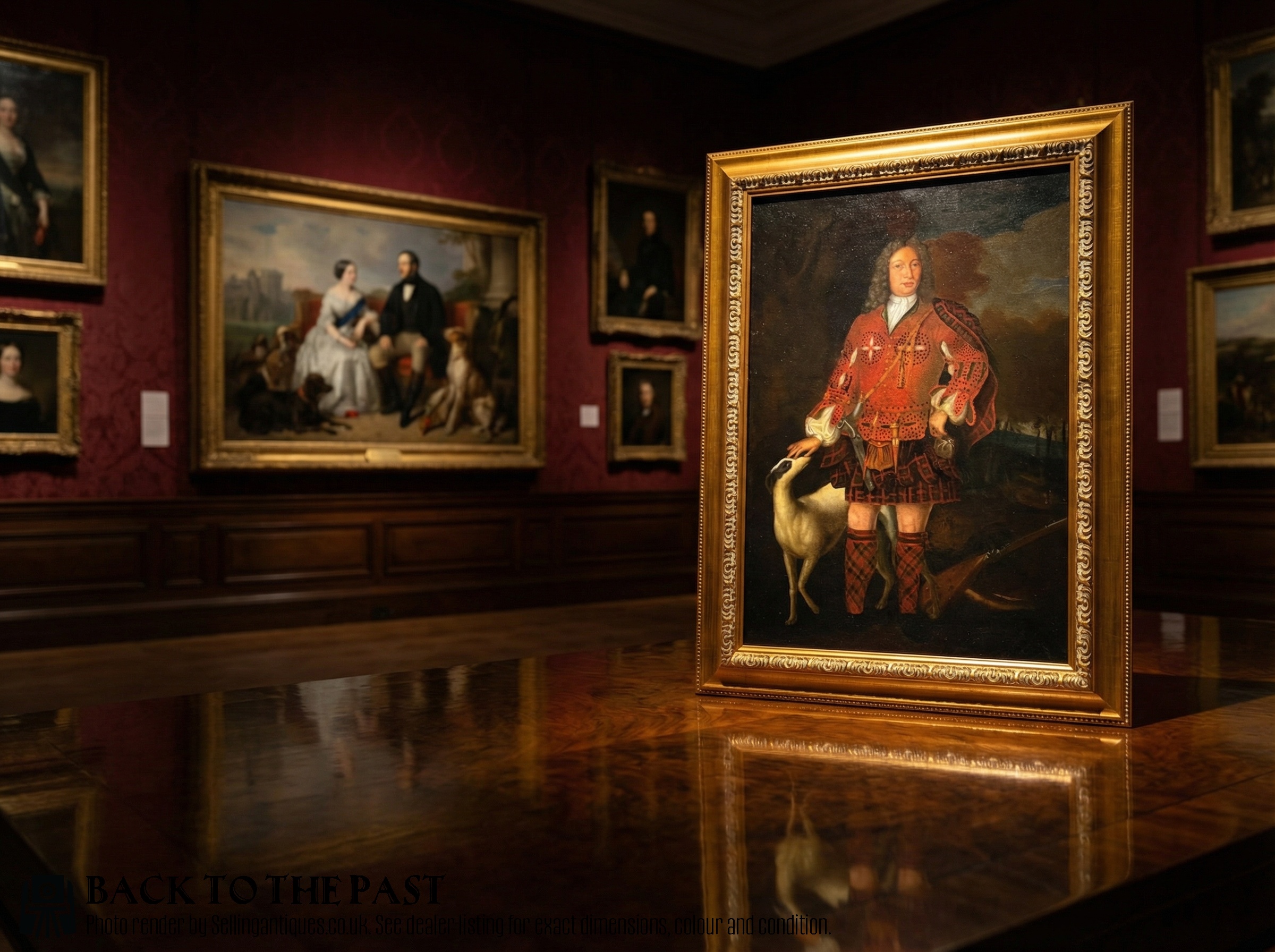
What Georgian portrait art is
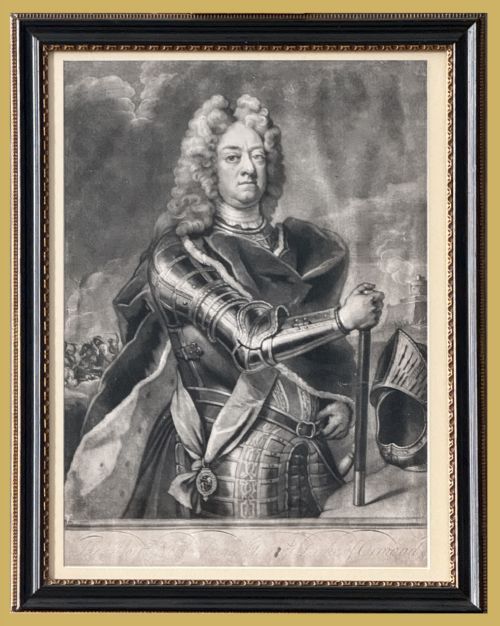
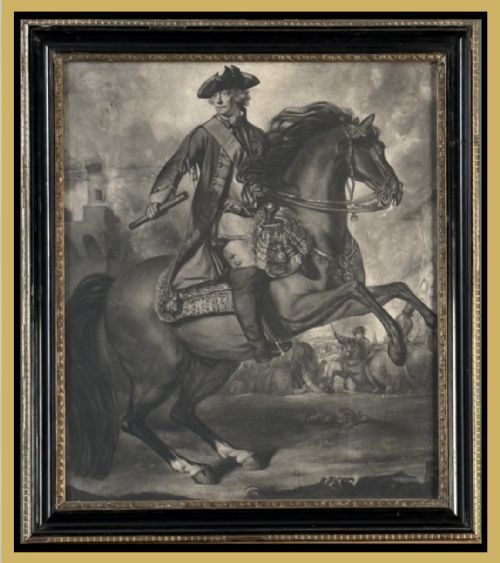
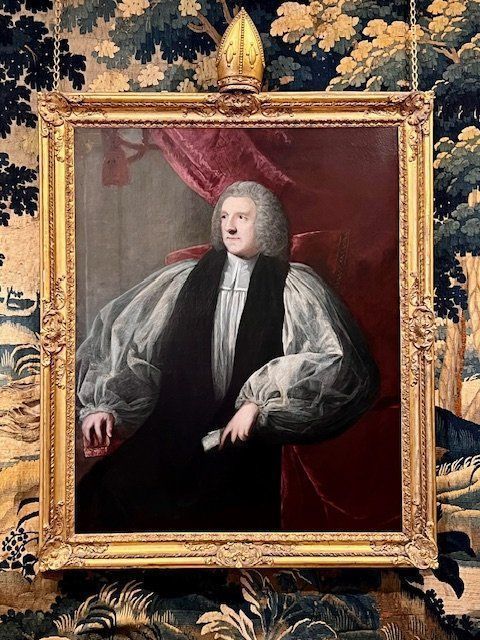
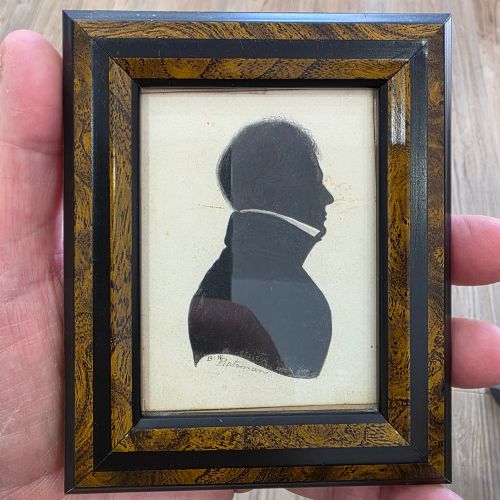
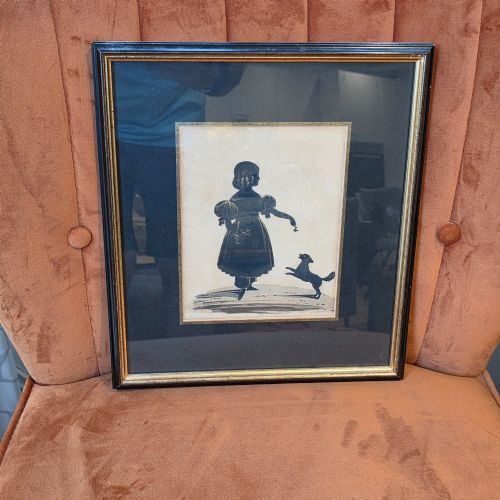
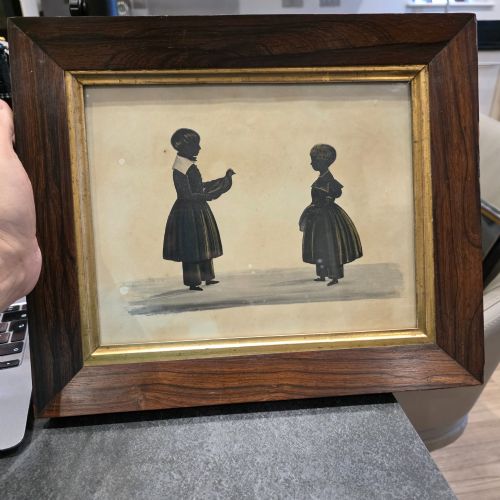
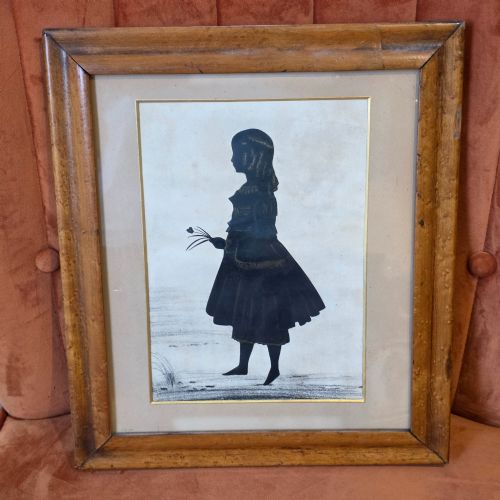
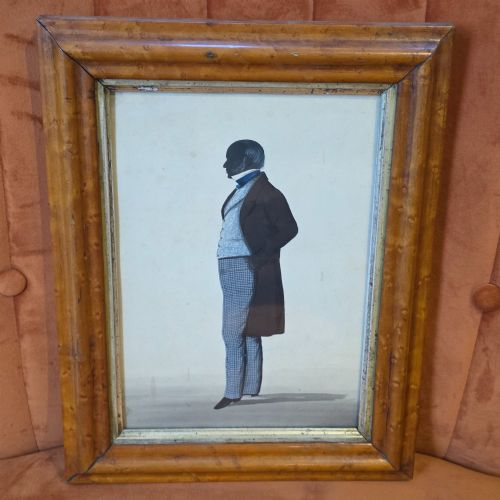
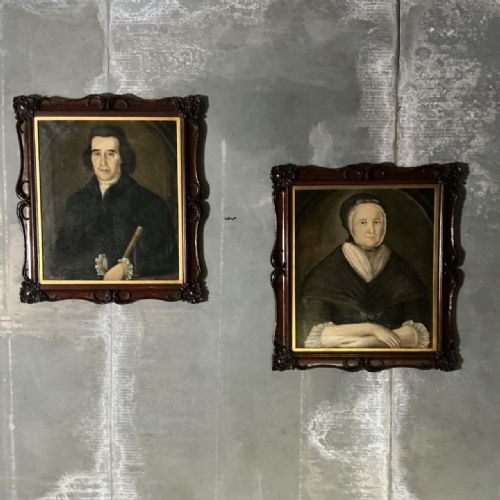
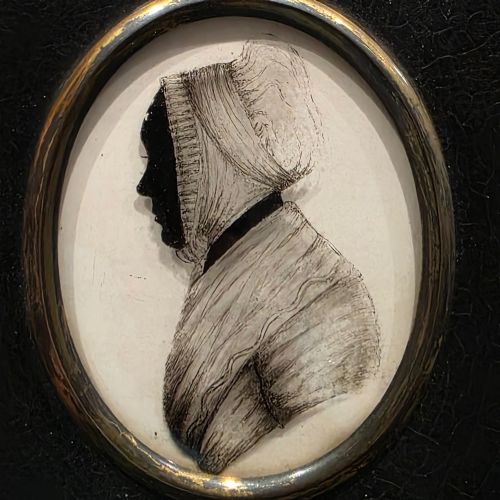
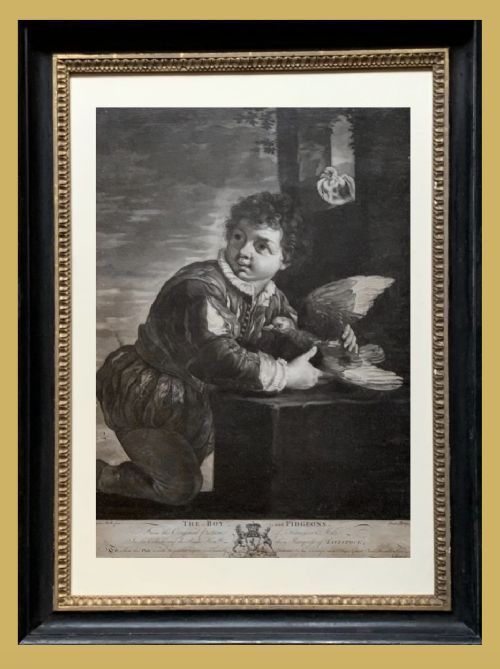
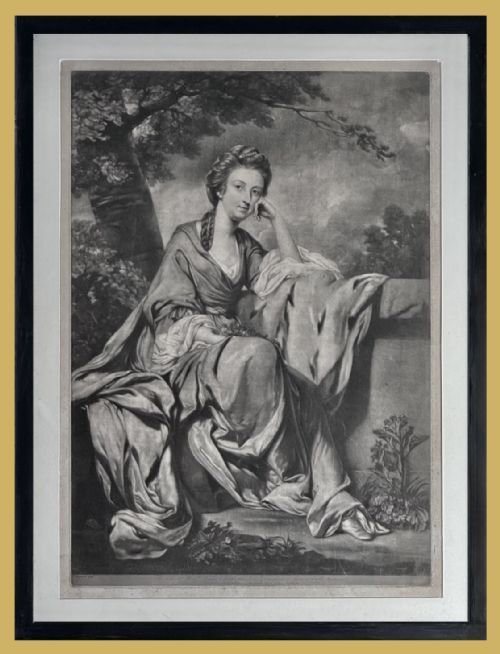
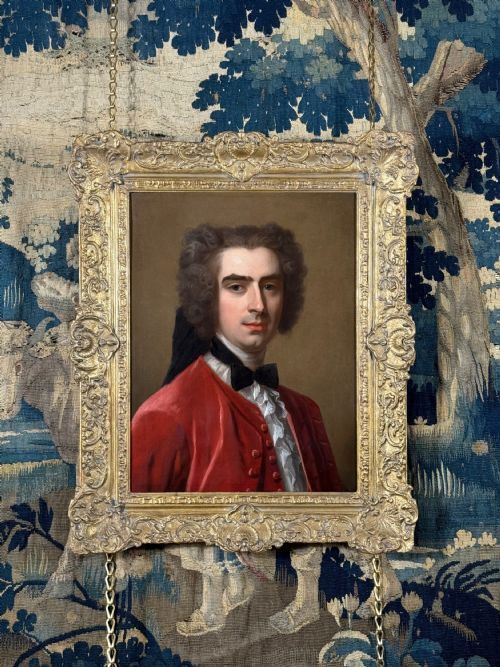
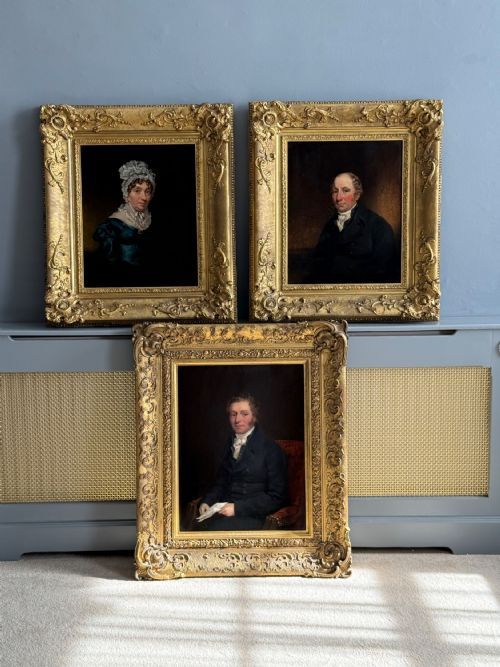
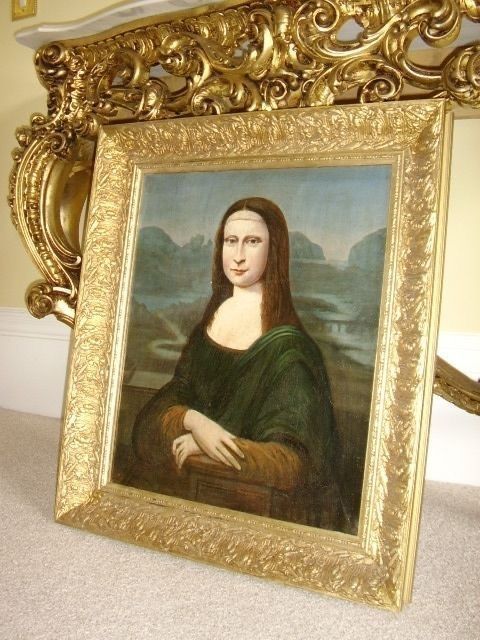
When you search for georgian portrait art, you encounter oil paintings, watercolours, and miniatures capturing sitters from the eighteenth and nineteenth centuries. These works range from grand oils on canvas housed in giltwood frames to intimate pen and ink drawings mounted in ebony or pear wood.
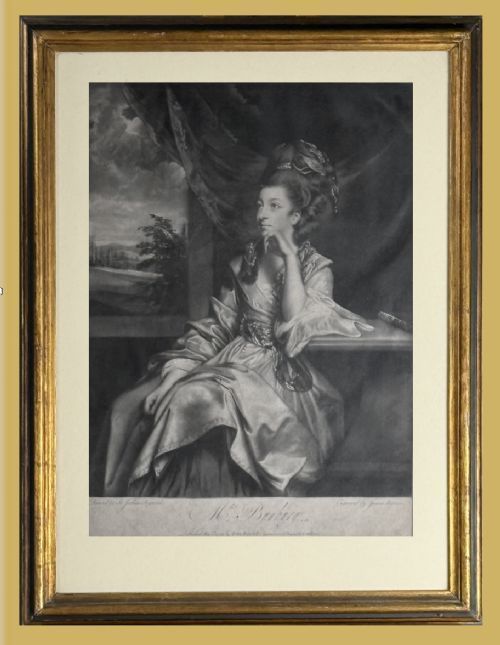
You are most likely to meet oil paintings and watercolours on this page, representing both named artists and anonymous sitters. Subjects span from titled nobility, such as a Jacobite lord and an eighteenth century beauty in a blue dress, to country gentlemen and pen and ink quartet portrait drawings.
How they were made
Artists painted primarily in oil on canvas or worked with watercolour and ink on paper. These works relied on traditional pigments applied with skilled brushwork to capture the likeness and clothing of the sitter.
Frames form an integral part of the physical object, utilising materials such as carved wood, giltwood, gold leaf, ebony, and pear wood. These frames protected the delicate paper or canvas while enhancing the visual presence of the portrait.
Retail Price Guide 2026
Typical UK retail prices for georgian portrait art, calculated from the Sellingantiques database of over a million retail prices indexed since 2003. This retail price guide relies exclusively on Sellingantiques data; no external sources or auction records are used, so the figures do not describe the wider market.
What varies in quality
Quality separates grand works by established artists from anonymous provincial watercolours through the precision of the facial rendering and the handling of fabric textures. Master painters captured depth in drapery and nuance in expression that lesser hands missed.
The sophistication of the framing also dictates the tier of the piece, with heavily gilded frames and dense hardwoods like ebony indicating higher status than simpler pine or pear wood surrounds.
Charles Jervas·Thomas Hudson·William Hogarth
The Georgian Portrait Art Glossary
- Oil on canvas
- A painting medium where pigments are suspended in drying oils and applied to a stretched fabric support. This technique allowed artists to achieve rich colours and subtle tonal gradations.
- Giltwood frame
- A wooden structure coated with a thin layer of gold leaf or powder. These frames provided a bright, ornamental border that reflected candlelight in period rooms.
- Miniature
- A small-scale portrait designed for personal or portable display. These works required immense precision due to their reduced physical dimensions.
- Watercolour
- A painting method where water-soluble pigments are applied to paper. It creates a translucent finish favoured for intimate domestic likenesses.
Frequently Asked Questions
What periods do these portraits cover?
The selection spans the eighteenth and nineteenth centuries, encompassing both the Georgian era proper and the Regency period.
Works reflect stylistic shifts from formal oil portraiture of the early seventeen-hundreds to more naturalistic watercolours of the early nineteen-hundreds.
How were miniatures displayed?
Miniatures were often housed in specialised wooden surrounds like ebony or pear wood frames to protect the delicate paper and ink within.
Owners kept them close at hand in domestic spaces or carried them as personal tokens of affection.
Are all sitters identified?
Some pieces record the exact identity of the individual, such as named nobility or landed gentry, complete with historical dates.
Other works depict anonymous subjects, leaving the sitter's precise identity lost to time while preserving their likeness.
What framing materials appear?
Frames utilise natural materials including giltwood, gold leaf, standard wood, ebony, and pear wood.
These materials vary according to the period and the relative importance of the portrait.