

Stuart Period Portrait Painting
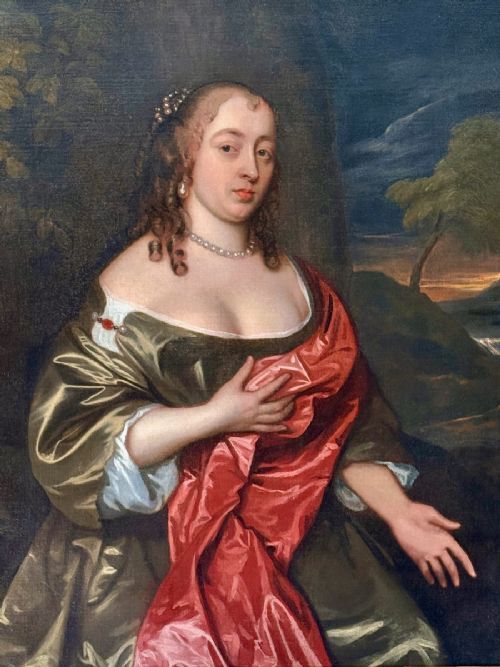
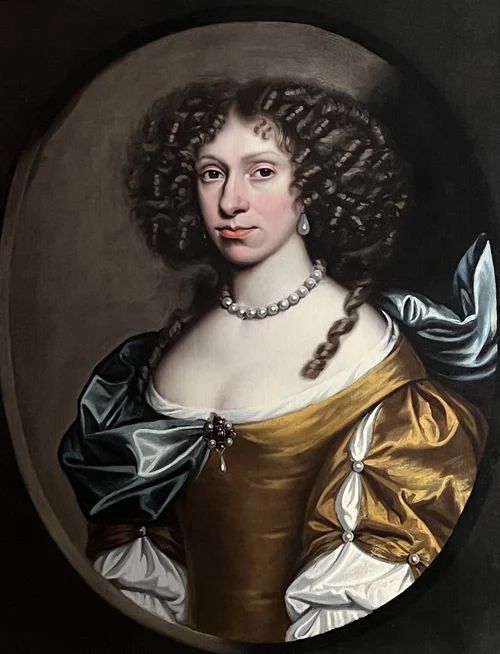
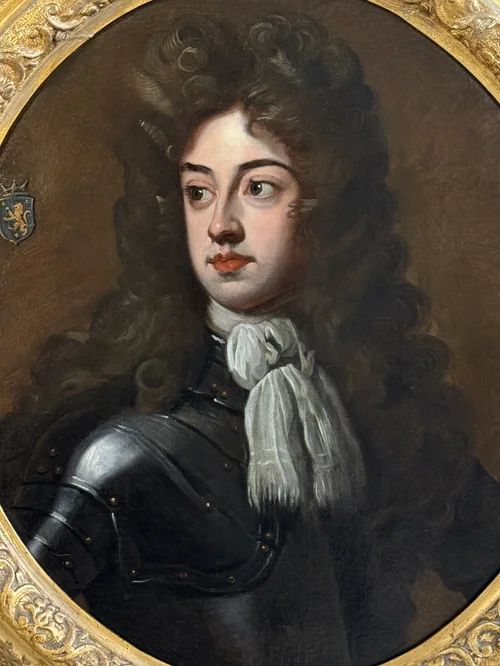
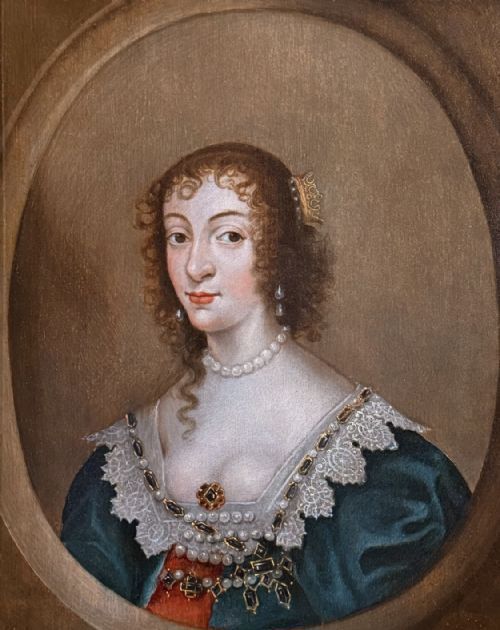
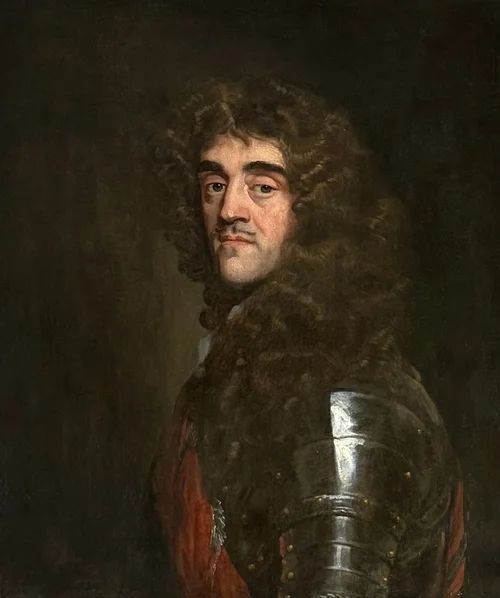
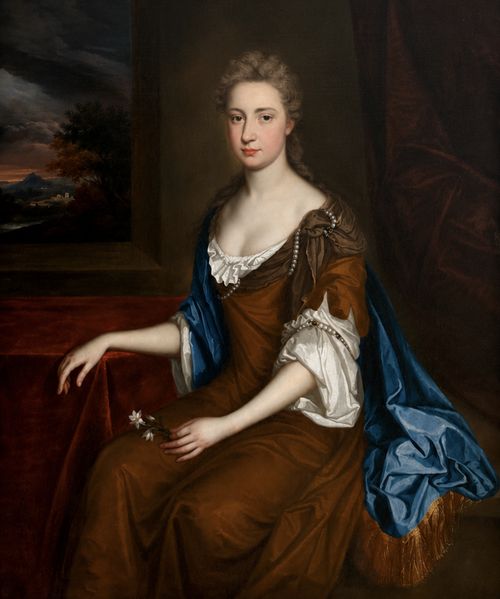
When you examine a stuart period portrait painting, you encounter the rendered likenesses of nobility, poets, and military commanders rendered in oil.
Stuart Period Portrait Painting
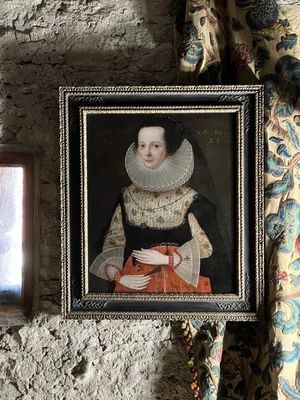
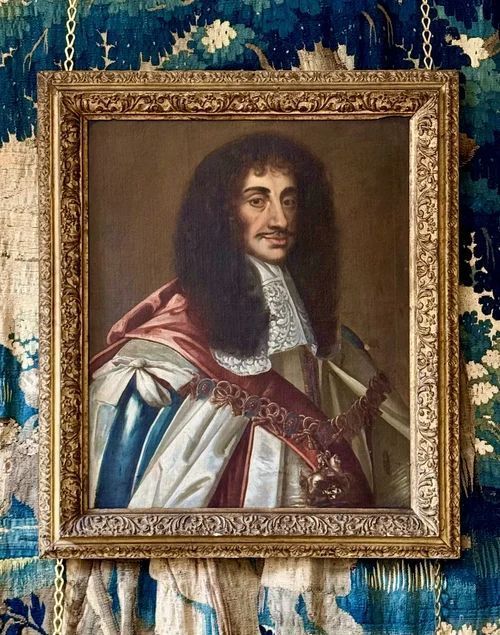
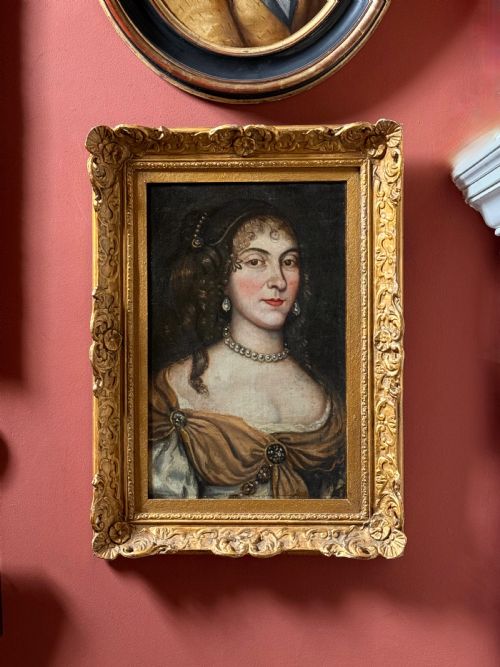
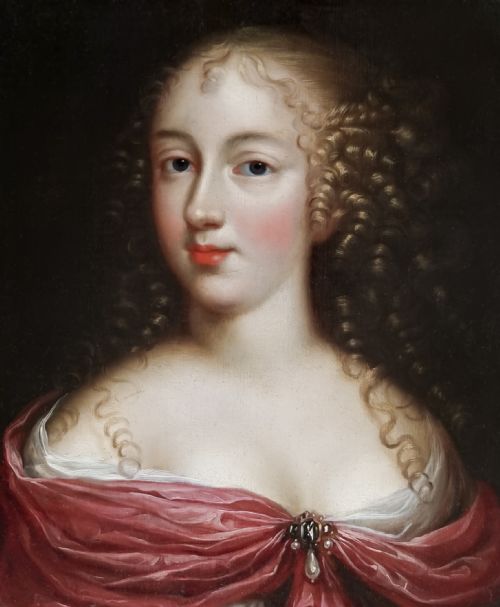
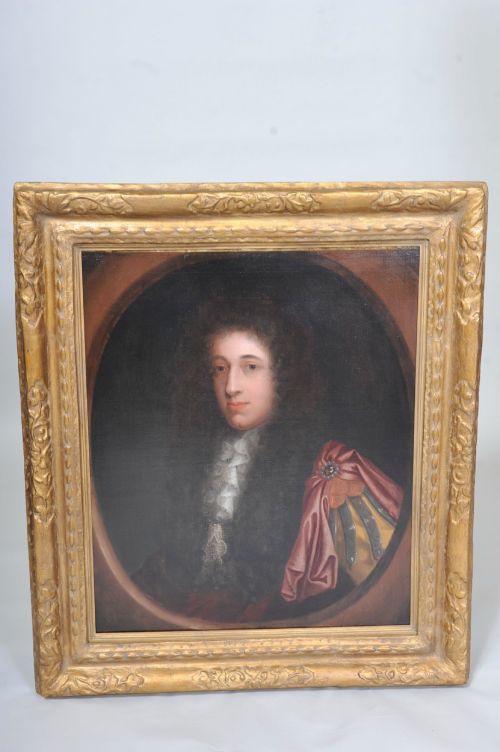
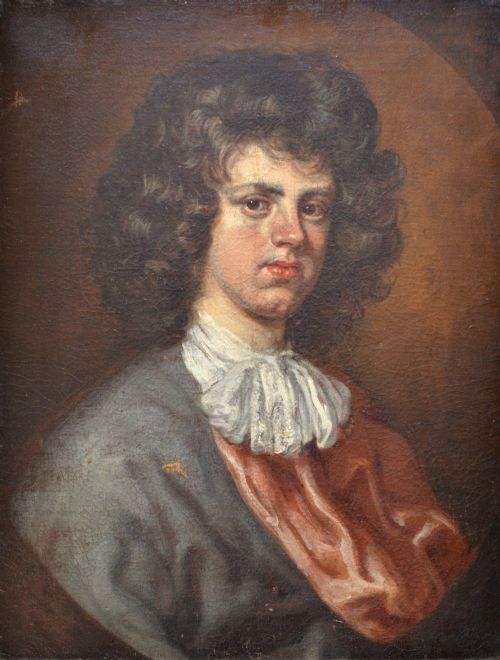
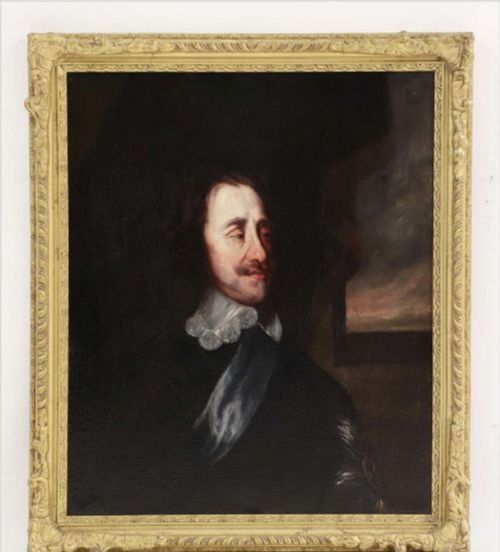
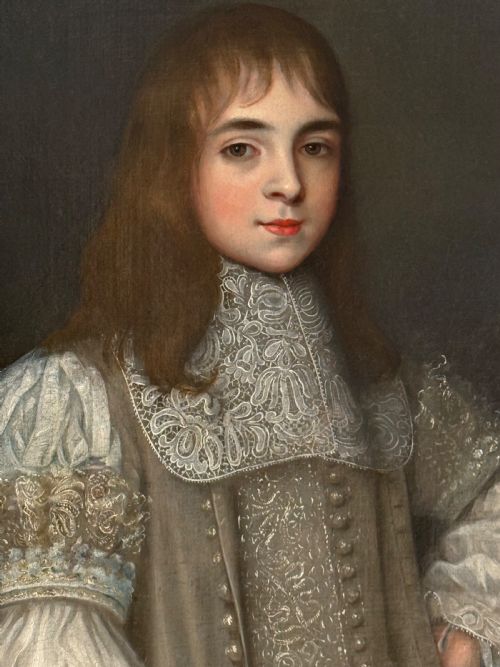
A stuart period portrait painting captures figures from the seventeenth century, spanning the reigns of the Stuart monarchs through to the end of that century. You meet depictions of noblewomen in elaborate costume, gentlemen in armour, and kings such as Charles I and Charles II.
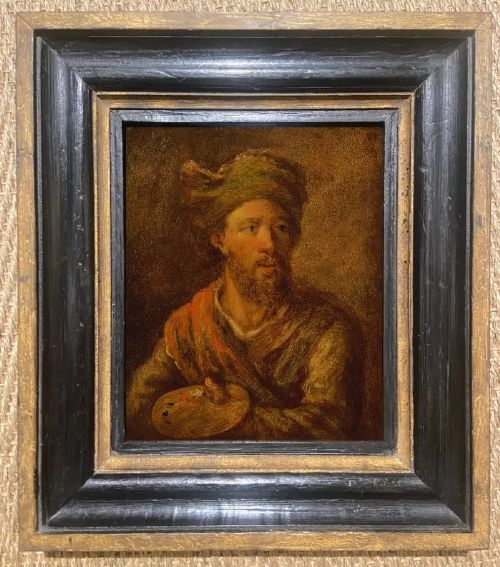
The works on this page include oils on canvas and oil on panel paintings originating from seventeenth-century English, Scottish, and Anglo-Irish schools. Many examples link directly to prominent court painters and their studios, recording the distinct fashion and hierarchy of the era.
Materials and execution
Artists of this era built their compositions using oil paint on stretched canvas or wooden panels, applying rich pigments to capture the intricate lace, jewels, and velvet of sitter attire. Ground layers and underpainting established tone before the detailed drapery and flesh tones were applied.
Framing forms an integral part of the presentation, with period works frequently housed in giltwood or gilt wood frames that complement the Baroque aesthetic. The physical support often bears the marks of age, from relined canvases to panel construction typical of seventeenth-century joinery.
Stuart Period Portrait Painting Retail Price Guide 2026
Typical asking prices for stuart period portrait painting among the pieces listed under this phrase on Sellingantiques today, from the lower quarter to the upper quarter. They describe what is for sale here now, not the wider market.
Listings span works executed in oil on canvas and oil on panel, framed in period-appropriate giltwood.
Distinctions in execution
The distinction between a workshop production and a primary hand by a master painter lies in the fluency of brushwork and the psychological depth of the sitter's face. Premier works capture individual likeness and texture with confident precision, whereas lesser studio iterations can rely on formulaic rendering of costume and background.
Condition and original context also govern the standing of a piece, particularly the survival of untouched paint layers and the authenticity of the associated period frame. Works bearing direct attribution to established portraitists command greater regard than anonymous school pieces.
John Hayls·David Scougall·Sir Peter Lely·Pierre Mignard·Mary Beale·Sir Godfrey Kneller·Van Dyck·John Greenhill·John Michael Wright·Cornelius Johnson·John Riley·John Closterman·Henry Stone·Samuel Cooper·John Hoskins
The Stuart Period Portrait Painting Glossary
- Baroque
- A style of European art spanning the seventeenth and early eighteenth centuries, characterised by drama, rich colour, and grand scale. This aesthetic influences the dynamic poses and dramatic lighting seen in court portraits.
- Circle of
- A designation used when a painting originates from the period and close milieu of a master artist, reflecting their style without being directly signed by them. It denotes an artist working in the immediate sphere of influence.
- Giltwood
- Wood that has been treated with a thin layer of gold leaf or gold paint. This material is standard for high-status frames of the seventeenth and subsequent revival centuries.
- Panel painting
- A painting executed on a flat piece of wood rather than canvas. Wooden supports were common in earlier seventeenth-century works before canvas became the dominant medium.
- Studio of
- A term indicating the work was produced in the workshop of a named master, often under their supervision or following their established compositions. Assistants and pupils contributed significantly to these output items.
Stuart Period Portrait Painting: Frequently Asked Questions
What is a stuart period portrait painting?
These works are oil paintings on canvas or panel depicting figures from seventeenth-century Britain, including monarchs, aristocrats, and notable public figures. They reflect the artistic styles of the Stuart era, ranging from stiff Jacobean formal attire to flowing Baroque drapery.
Created by court painters, provincial limners, and various school workshops, these portraits served as markers of status, lineage, and political allegiance. They preserve the exact costume, armour, and hairstyles of the period in vivid detail.
Who painted stuart period portrait paintings?
Prominent court artists such as Sir Peter Lely, Sir Godfrey Kneller, and John Michael Wright dominated the upper echelons of portraiture during this century. Their studios and followers also produced numerous likenesses for the gentry and nobility.
Other notable figures include Mary Beale, Cornelius Johnson, and John Greenhill, who each operated successful portrait practices in London and the regions. Many surviving works are attributed to regional schools or circle members working in the style of these masters.
How were these portraits displayed?
In the seventeenth century, these paintings hung in the long galleries, great chambers, and panelled parlours of country houses and town residences. They were arranged to project family lineage, dynastic loyalty, and social standing to visitors.
Today, they function as historical focal points in domestic interiors, pairing naturally with period furniture and wood-panelled walls. Their gilt frames were designed to catch candlelight and project authority in formal rooms.
How do you date a stuart period portrait painting?
Dating relies heavily on the sitter's costume, lace collars, periwigs, and armour, which evolved rapidly across the seventeenth century. Portrait formats, inscriptions, and documented sitters also provide precise chronological anchors for the canvas.
Stylistic shifts from the linear, flat Jacobean manner to the more volumetric and relaxed Baroque approach help narrow down the decade of creation. Pigment analysis and canvas preparation techniques offer further scientific verification for the period.