
Gold Gilt Framed Portrait
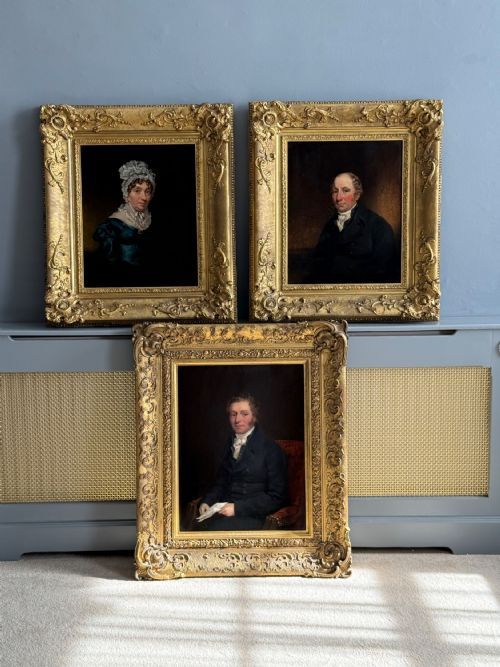
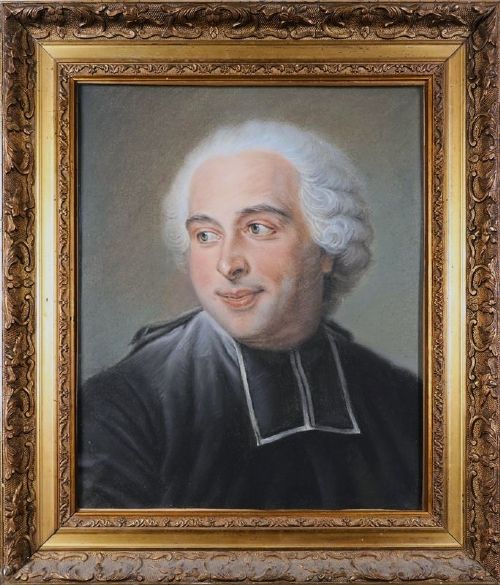
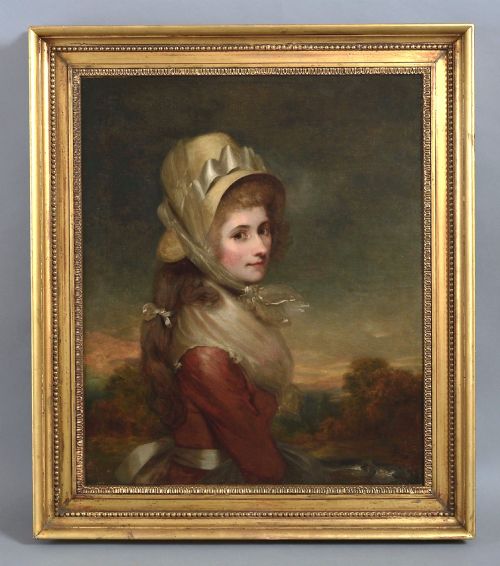
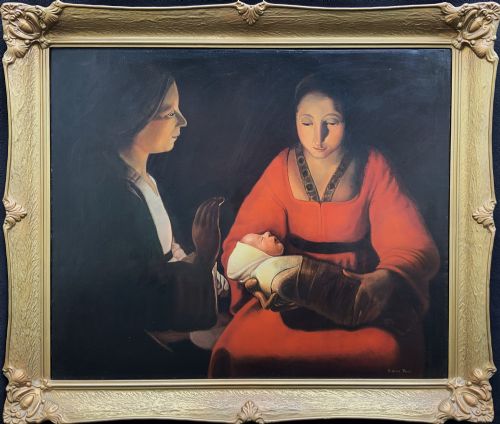
A gold gilt framed portrait anchors a room with historic presence, marrying painted character with ornate metallic moulding from centuries past.
Gold Gilt Framed Portrait
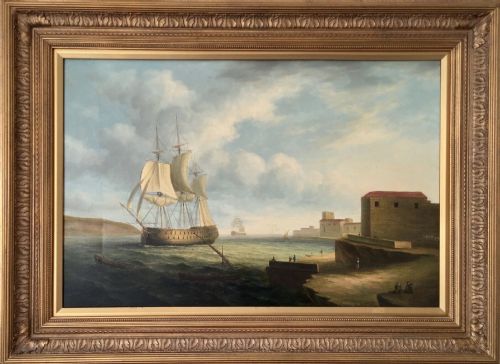
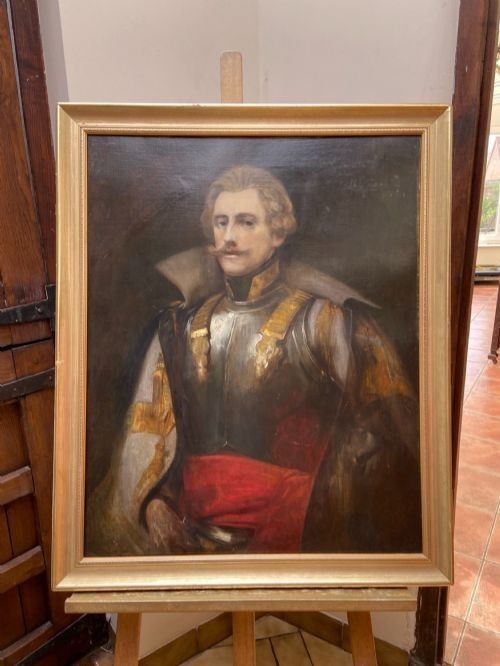
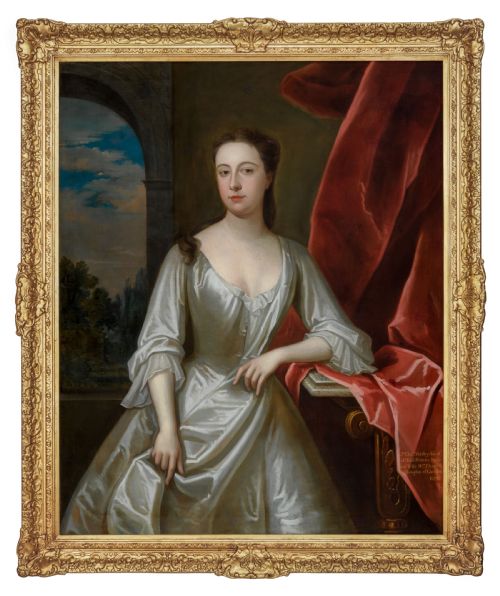
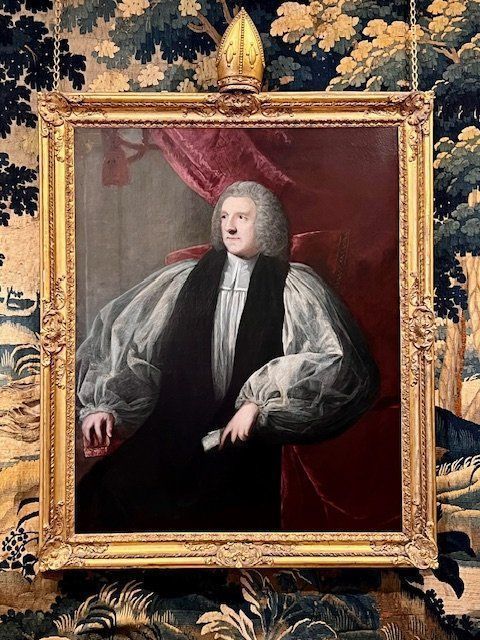
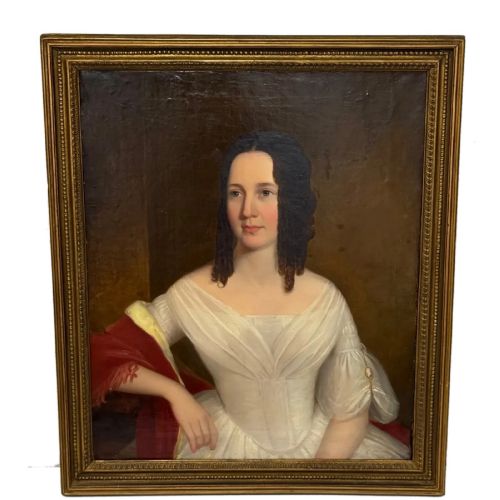
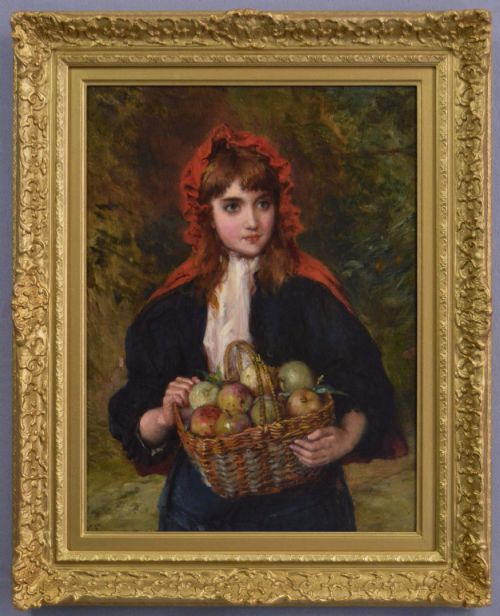
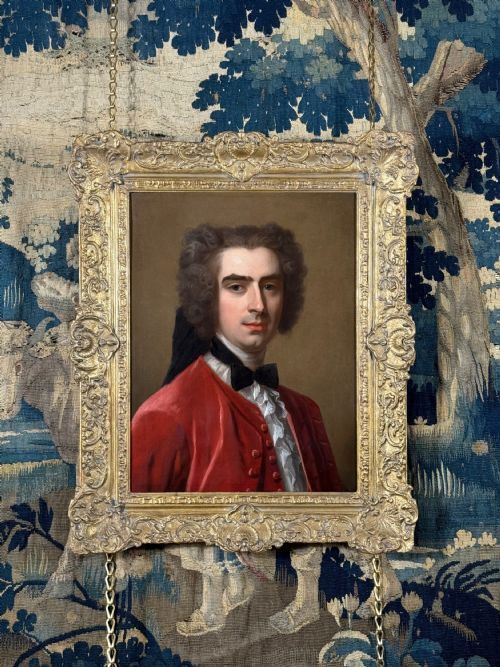
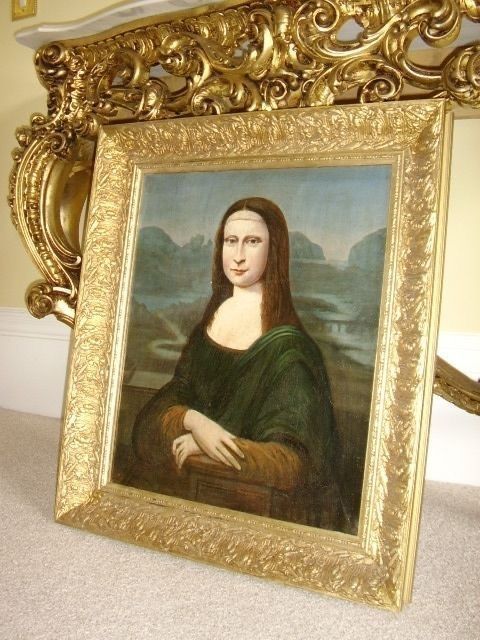
A gold gilt framed portrait encompasses historic likenesses rendered in oil, pastel, or watercolour, housed within decorative wooden surrounds covered in thin metal leaf. These works span from the seventeenth century through to the mid twentieth century, capturing sitters from nobility to country girls within elaborate enclosing borders.
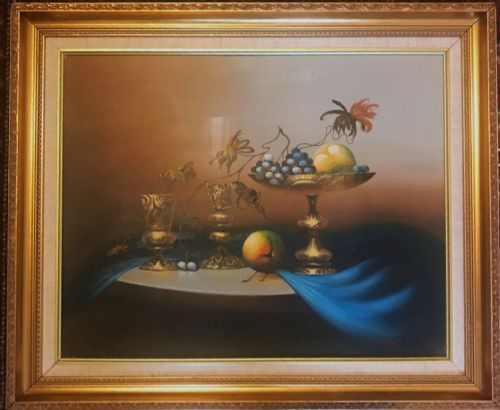
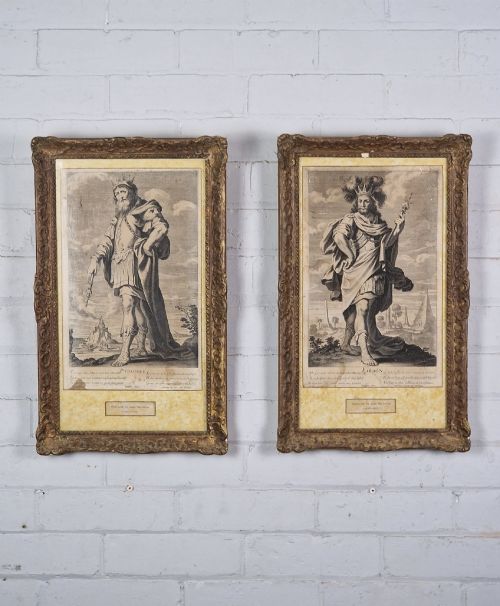
The selections on this page appear most frequently in oil on canvas or panel, framed in heavy giltwood that defines the period aesthetic. Examples range from grand seventeenth century depictions of noblewomen to Victorian and Edwardian works, alongside later interpretations and decorative prints framed with similar metallic finishes.
Materials and construction methods
Makers built the foundational supports using woven canvas or wooden boards, applying ground layers before laying down oil paint or pastel pigments to form the subject's likeness. Canvases were stretched across timber frames and secured before artists applied oil paint layered with glazes to create depth in clothing and skin tones.
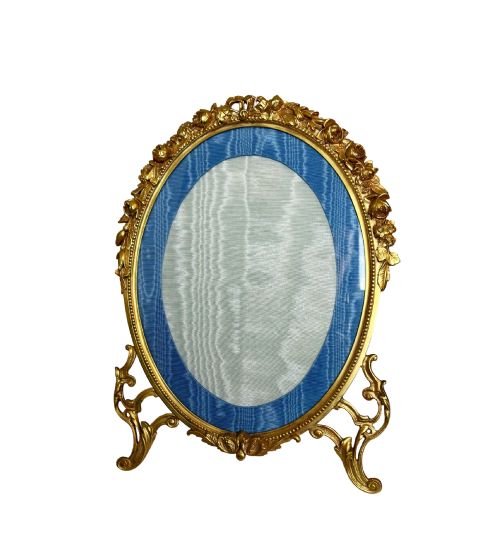
The surrounding frames consist of carved or moulded wood finished with a layer of fine gold leaf or gilt bronze applied over a gesso base. This leafing technique requires careful burnishing to achieve the reflective metallic sheen characteristic of period surrounds.
Gold Gilt Framed Portrait Retail Price Guide 2026
Typical asking prices for gold gilt framed portrait among the pieces listed under this phrase on Sellingantiques today, from the lower quarter to the upper quarter. They describe what is for sale here now, not the wider market.
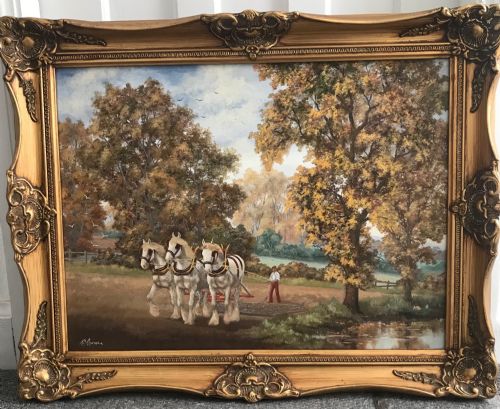
Several noble sitters share space here with a nineteenth century dog painted on board and an attentive grey shire horse.
Distinctions in craftsmanship
Frame construction similarly distinguishes the pieces, as hand-carved wooden mouldings with deep relief and well-preserved gilding demonstrate superior artistry compared to later, simpler casts. The harmony between the painting's execution and the decorative integrity of its gilt mount determines the overall standard.
Sir Godfrey Kneller·Sir Joshua Reynolds·William Oliver·Jean-Baptiste Van Loo·Joseph Clover·Maurice Quentin de la Tour·Sir Martin Archer Shee·Jean Mariette·Georges de La Tour·Sir Anthony van Dyck·John Hayls·James Sharples·Emily Eyres·John Maler Collier·Sir Peter Lely·Jeremiah Davison·Reginald Arthur Borstel·Lemuel Francis Abbott·Thomas Murray·Frederick Morgans
The Gold Gilt Framed Portrait Glossary
- Giltwood
- Wood that has been coated with a thin layer of gold leaf or powder. This finish provides the characteristic metallic brilliance seen on historical picture frames.
- Oil on Canvas
- Pigments bound in an oil medium applied to a woven fabric support. This combination allows for rich colour blending and durability over centuries.
- Pastel
- A dry drawing medium composed of powdered pigment and a binder. Artists use this to create soft-textured portraits on paper or board.
- Gesso
- A plaster mixture applied to wood or canvas as a smooth base for painting or gilding. It prepares the surface to receive gold leaf or fine paint layers.
- Periwig
- A voluminous man's wig popular in seventeenth and eighteenth century fashion. Its presence helps date male portraits from those eras.
Gold Gilt Framed Portrait: Frequently Asked Questions
How do I date a gold gilt framed portrait?
Dating relies on examining the sitter's costume, wig style, and the construction techniques of both the canvas and the frame. Seventeenth and eighteenth century works often feature specific clothing cuts or handwritten inscriptions on the reverse that indicate the period.
The style of the carved wooden frame also offers clues, as seventeenth century Baroque mouldings differ markedly from Victorian or Edwardian variations. Comparing the materials to documented historical examples helps narrow the creation window.
What is the difference between an oil painting and a pastel portrait?
An oil painting uses pigments suspended in drying oils applied to canvas or panel, yielding a durable, glossy surface with rich colour depth. Pastels utilise dry pigment sticks on paper, creating a matte, velvety texture that requires glass protection.
Pastel works often appear with delicate backing boards and paper mounts, whereas oil portraits are stretched directly over wooden chassis. Both mediums employ gold gilt frames, but their preservation needs differ significantly.
Where were these portraits originally displayed?
Historical portraits hung primarily in the reception rooms, galleries, and staircases of country houses and urban townhouses. They served to project family lineage, status, and important political or social connections to visiting guests.
Smaller examples, such as miniatures or domestic studies, inhabited private chambers and studies. Their heavy gilt frames were designed to catch candle and window light within grand interior spaces.
How should I care for a giltwood frame?
Giltwood frames require gentle dusting with a soft, dry brush to remove particulate matter without disturbing the fragile metallic leaf. Avoid using liquid cleaners, polishes, or damp cloths, which can lift the gesso and gold layers from the underlying wood.
Keep the pieces away from direct sunlight and fluctuating humidity sources, such as radiators, to prevent the wood from warping and the gilt surface from cracking.