






Carved Gilt Frame Painting
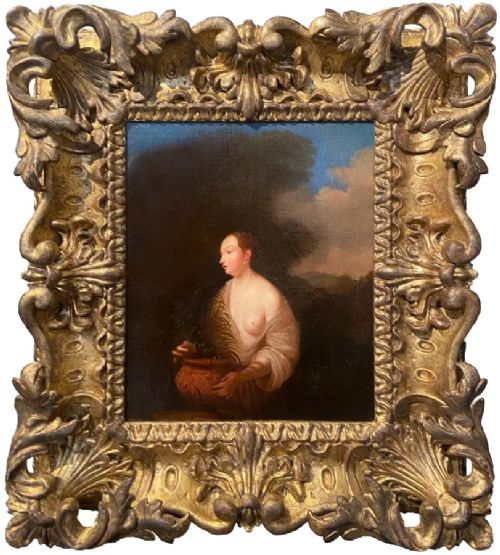
A carved gilt frame painting brings the rich texture of gold leaf and carved wood directly into a room, framing historic portraiture and classical scenes.
What carved gilt frame painting pieces are
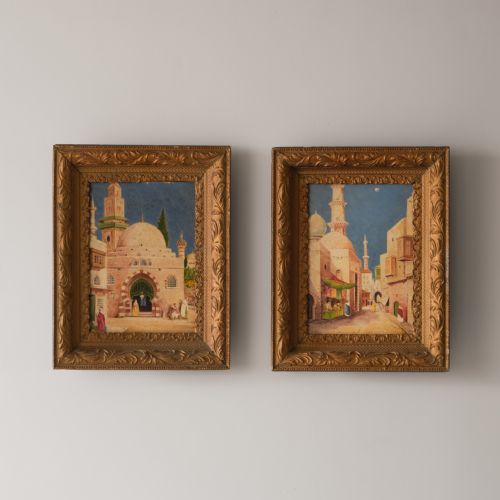
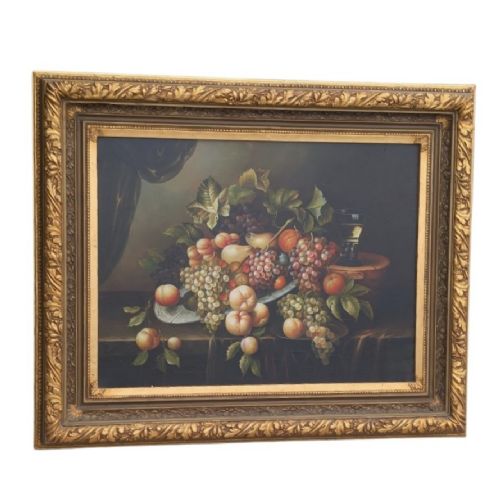
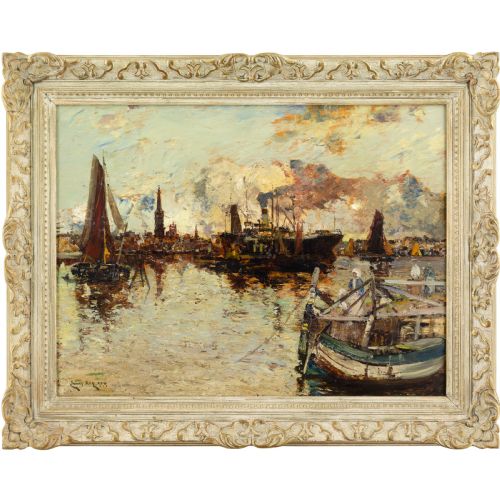
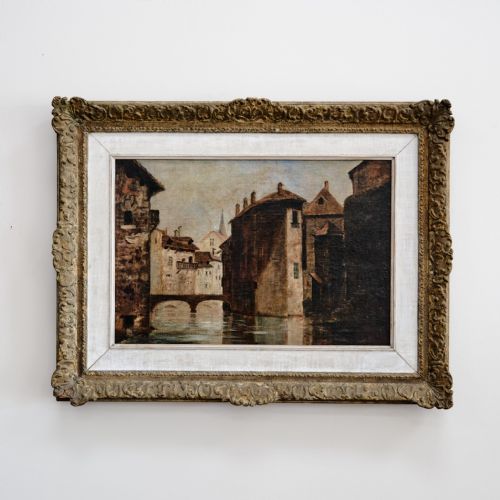
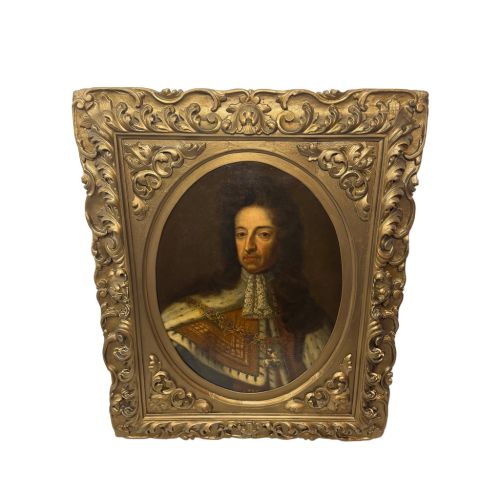
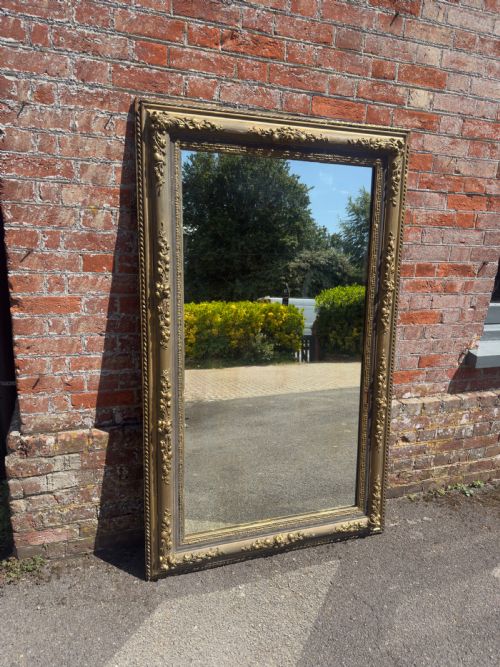
A carved gilt frame painting combines historical oil paintings with ornate wooden surrounds finished in gold leaf or gesso. These pieces span periods from the seventeenth century through the eighteenth and nineteenth centuries, featuring both English and French schools.
The artwork within these surrounds typically includes oil on canvas portraits of gentlemen, ladies, and children, alongside topographical scenes such as Venice. The frames themselves range from Georgian and Regency examples to French Rococo and classical nineteenth-century styles.
Buyers will encounter portraits after artists like Jean-Baptiste van Loo and Thomas Gainsborough, as well as works by makers such as Andrea Soldi, St. John Mulholland, and followers of Gilbert Jackson. These paintings offer a direct connection to historical portraiture and period interior decoration.
Materials and construction
The foundation of these works relies on wood and gesso, which artisans carved into intricate patterns before applying gold leaf or giltwood finishes. Canvases received layers of oil paint to create portraits and scenes.
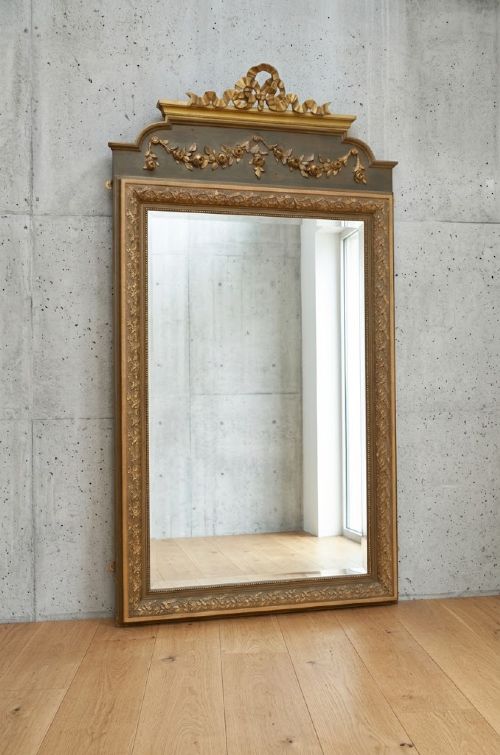
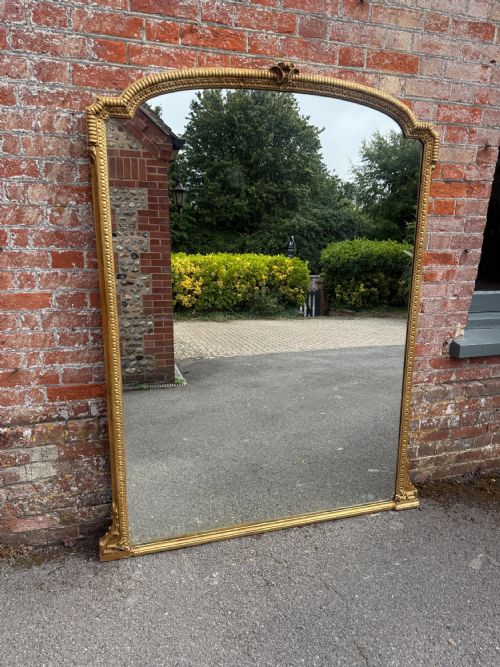
Frames frequently feature carved and pierced detailing, reflecting the craftsmanship of eighteenth and nineteenth century workshops. The combination of oil on canvas and gilded wood creates a distinct interplay between matte pigment and reflective metal.
Retail Price Guide 2026
Typical UK retail prices for carved gilt frame painting, calculated from the Sellingantiques database of over a million retail prices indexed since 2003. This retail price guide relies exclusively on Sellingantiques data; no external sources or auction records are used, so the figures do not describe the wider market.
Listings feature oil on canvas paintings housed in wood, gesso, and gold leaf frames across eighteenth and nineteenth century styles.
Distinctions in quality
Quality rests in the depth and precision of the wood carving on the surround, where hand-carved pierced details and well-applied gold leaf indicate superior craftsmanship. The handling of the oil on canvas, from the rendering of facial expressions to the texture of garments, further separates fine portraits from standard examples.
The integrity of the original frame relative to the canvas matters greatly, as period pairings where the artwork remains in its original carved gilt frame command distinct attention from collectors of antique art.
Jean-Baptiste van Loo·Andrea Soldi·Thomas Gainsborough·St. John Mulholland·Gilbert Jackson
The Carved Gilt Frame Painting Glossary
- Giltwood
- Wood that has been coated with gold leaf or a gold-coloured metallic finish. This material is characteristic of decorative frames from the seventeenth century onwards.
- Gesso
- A plaster-like mixture applied to wood frames to create a smooth surface for subsequent carving and gilding. It allows artisans to achieve crisp relief details.
- Oil on Canvas
- A painting medium consisting of pigments suspended in drying oils applied to a stretched fabric support. This technique dominates the historical portraiture seen in these listings.
- Rococo
- An ornate artistic style originating in France, known for asymmetrical curves and elaborate ornamentation. Frames from this tradition often feature scrolls and floral motifs.
Frequently Asked Questions
How do I hang a heavy carved gilt frame painting?
These pieces require secure wall fixings, typically screwed directly into wall studs or heavy-duty masonry anchors, given the substantial weight of wood and gesso construction.
Professional picture hangers often utilise two separate hanging points on the frame to distribute the weight evenly and prevent the painting from shifting over time.
Are these frames usually original to the paintings?
Many listings feature original gilt carved wood frames that have housed the canvas for centuries, preserving the intended aesthetic of the period.
Some pieces pair historical oil paintings with period-appropriate frames from the same century, maintaining stylistic harmony even if they were reunited later in their history.
How do I clean a giltwood frame safely?
Giltwood requires delicate handling to avoid damaging the thin gold leaf layers. Dusting should be done gently with a soft, dry brush.
Moisture and commercial cleaning products must be avoided entirely, as they can strip the gesso and gold leaf from the carved wooden base.
What lighting suits these portraits best?
Warm, indirect lighting enhances the reflective qualities of gold leaf without generating excessive heat that could damage the oil on canvas surface.
Positioning the artwork away from direct sunlight prevents the pigments and the gilded finish from fading over the years.