
Blue Dress Oil Portrait
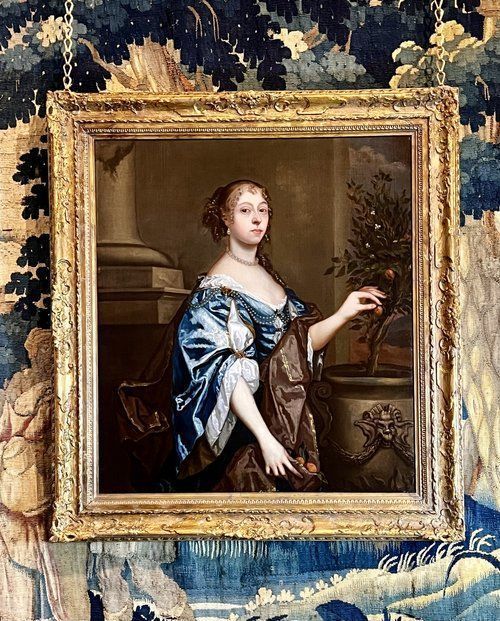
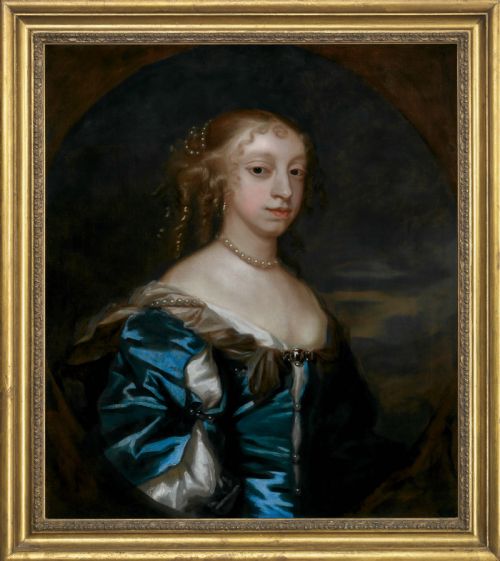
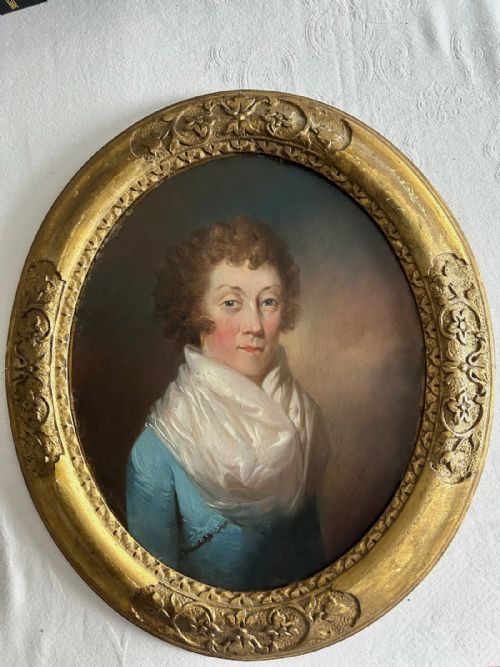
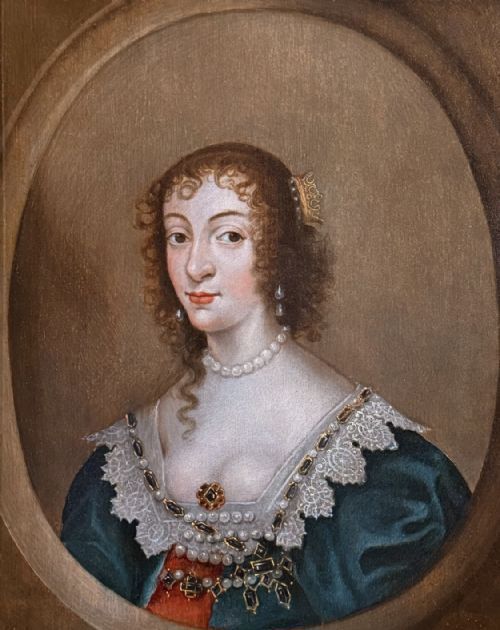
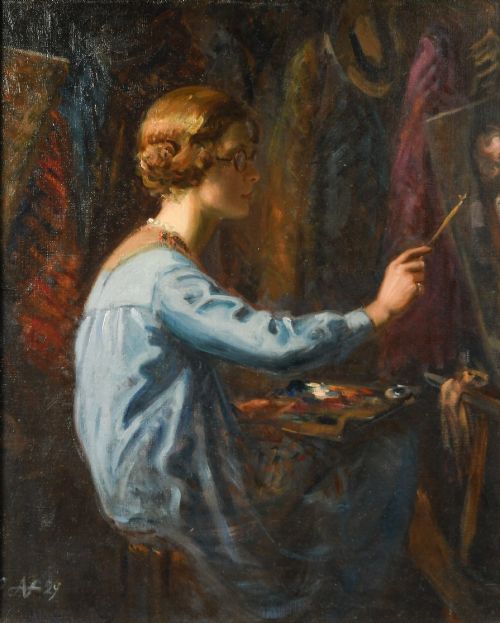
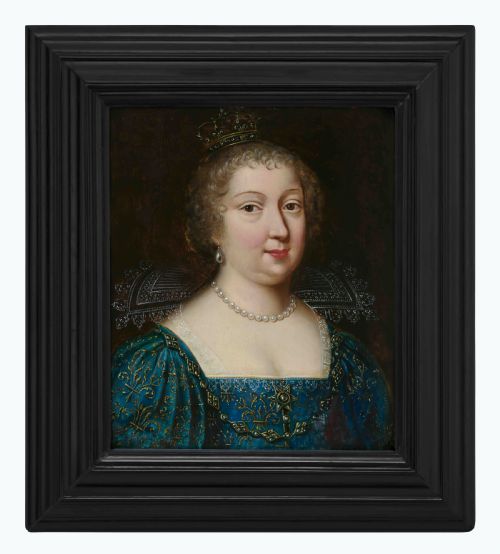
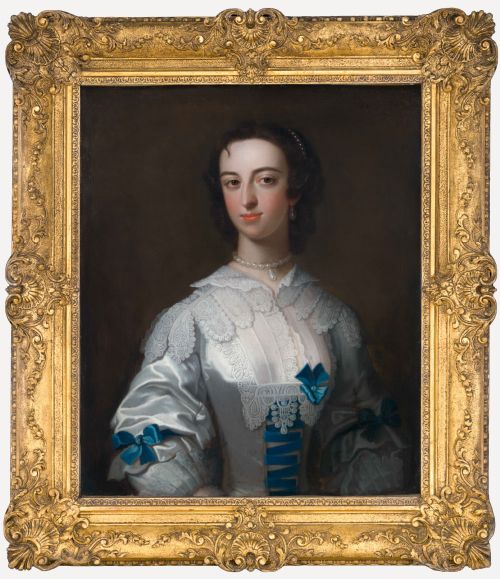
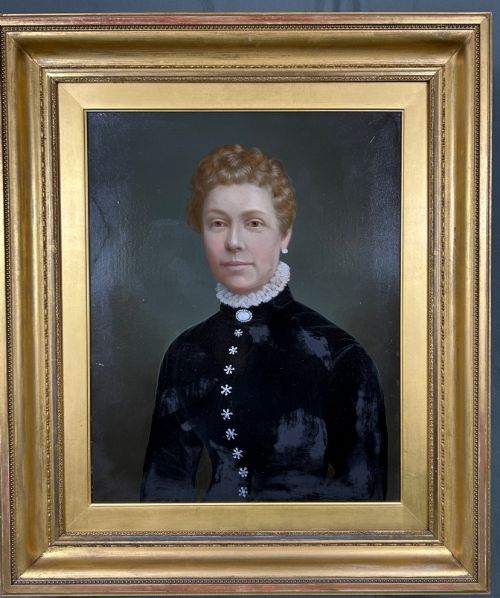
A blue dress oil portrait captures the striking presence of historical figures through layered pigments on canvas.
Blue Dress Oil Portrait
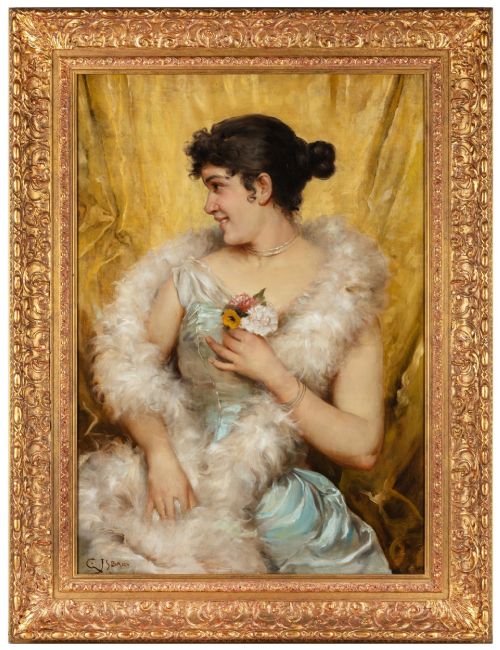
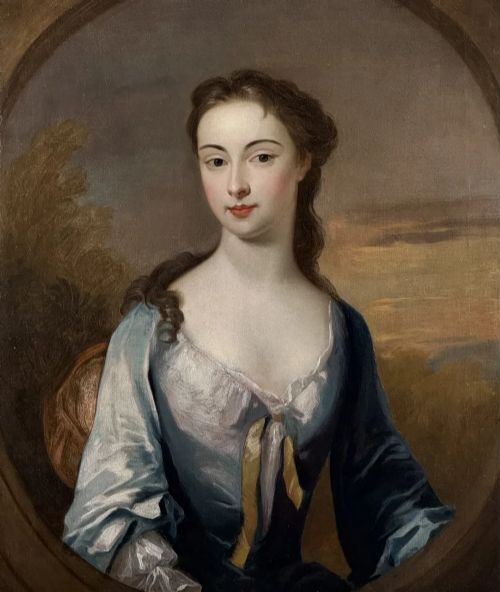
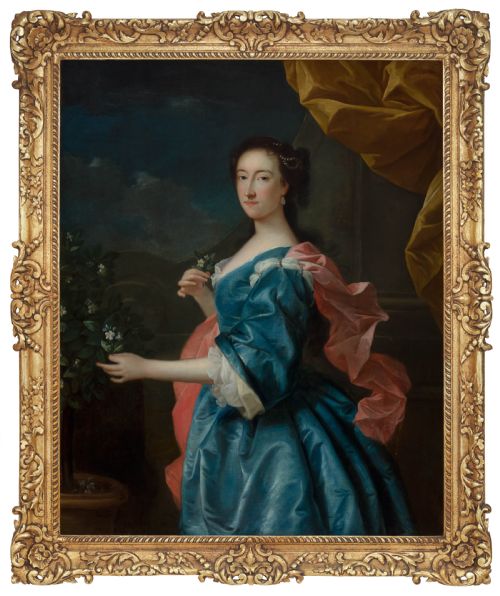
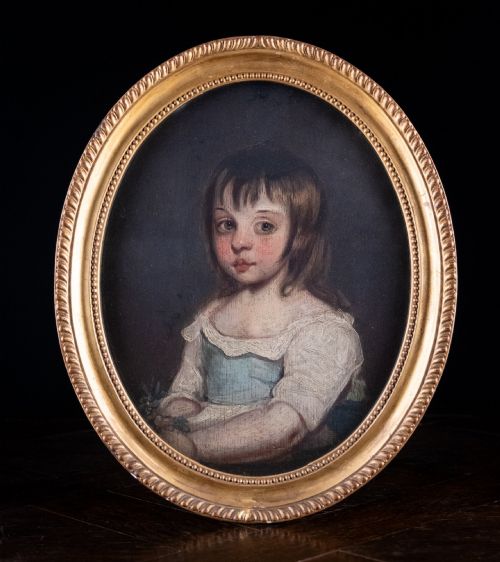
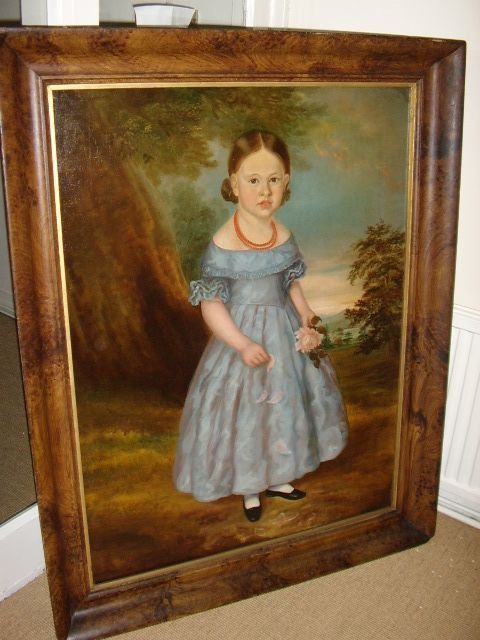
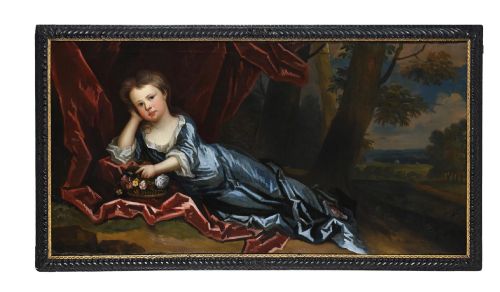
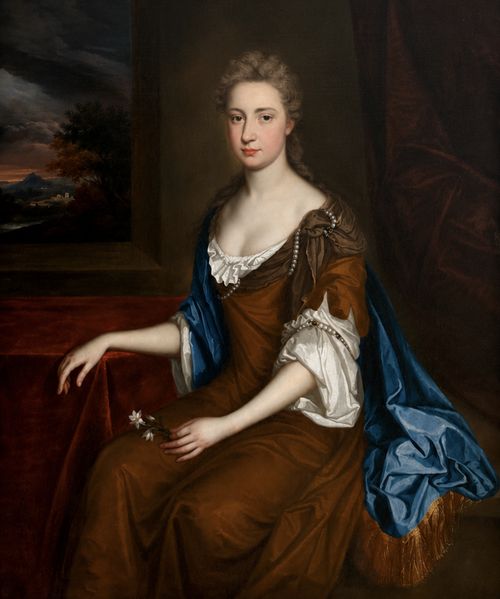
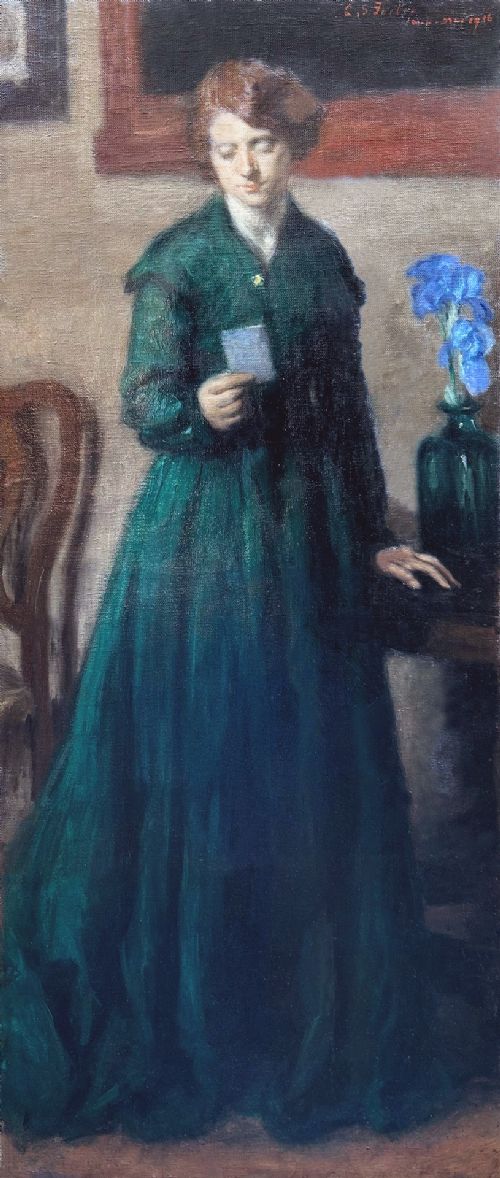
A blue dress oil portrait represents historical likenesses created primarily during the seventeenth, eighteenth, and nineteenth centuries. These works feature subjects adorned in distinctive blue garments, gowns, and mantles rendered in oil on canvas or panel.
The selections span various movements including Baroque, Georgian, Regency, and Victorian periods. Buyers encounter formal aristocratic depictions alongside more intimate portrayals of country girls and family groups.
How they were made
These works utilise oil paint applied to woven canvas, wooden panels, or zinc supports. Pigments are built up in layers to capture the rich texture of silk, velvet, and satin fabrics.
Surviving canvases are frequently housed within period frames constructed from gilded wood or carved giltwood.
Blue Dress Oil Portrait Retail Price Guide 2026
Typical asking prices for blue dress oil portrait among the pieces listed under this phrase on Sellingantiques today, from the lower quarter to the upper quarter. They describe what is for sale here now, not the wider market.
Several canine companions make unexpected appearances, sharing the canvas with their formally dressed owners.
What varies in quality
The finesse of brushwork and the anatomical proportion of the subject distinguish masterworks from provincial school output. The rendering of textile folds and light falling upon silk garments reveals the hand of a skilled portraitist.
Attribution to documented painters or recognised circles elevates a canvas, alongside the survival of original framing and known historical provenance.
Charles Jervas·Jeremiah Davison·Pieter Borsseler·Thomas Murray·Mary Beale·Henry Pickering
The Blue Dress Oil Portrait Glossary
- Oil on canvas
- A painting medium where pigments suspended in drying oil are applied to stretched fabric. This combination allows for rich blending and deep colour saturation.
- Baroque
- An artistic style spanning the seventeenth and early eighteenth centuries characterised by dynamic movement and drama. Portraits from this era often feature rich drapery and theatrical lighting.
- Regency
- A period in British history during the early nineteenth century defined by specific modes of dress and portraiture. Works from this era display distinct fashion sensibilities compared to earlier Georgian pieces.
- Giltwood
- Wood carved and covered with a thin layer of gold leaf. These frames provide period-appropriate surrounds for antique canvases.
Blue Dress Oil Portrait: Frequently Asked Questions
How do I date a portrait?
Dating relies heavily on the clothing style, hairstyle, and the sitter's costume details visible in the painting. Comparing these elements with documented fashion trends of the seventeenth, eighteenth, and nineteenth centuries provides a reliable timeframe.
Signatures, stretcher construction, and framing materials also offer physical clues to the age of the canvas. Secondary biographical research on named sitters often narrows the creation date to a specific decade.
Where were these paintings displayed?
Historical portraits hung primarily in the reception rooms, galleries, and staircases of country houses and town residences. They served to display lineage, wealth, and social standing to visiting guests.
Today, these works suit domestic interiors ranging from traditional period rooms to contemporary spaces. They function as focal points above mantelpieces or along hallway walls.
What is a portrait mantle?
A mantle refers to the draped fabric or cloak worn over the primary dress in formal portraiture. In many eighteenth-century works, a blue mantle provides a contrasting splash of colour against white or russet gowns.
Artists utilised these fabric additions to introduce classical drapery and soften the composition. The inclusion of specific wraps often echoed contemporary aristocratic fashion.