



18th Century Portrait Art
18th century portrait art captures the faces of the past through oil on canvas, delicate watercolours, and early print forms.
Defining 18th Century Portrait Art
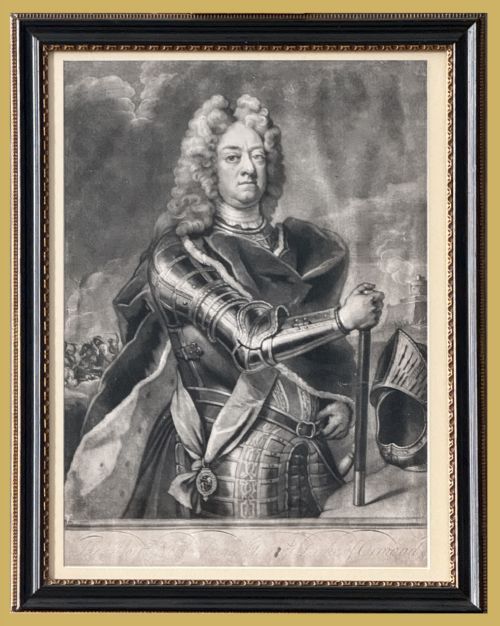
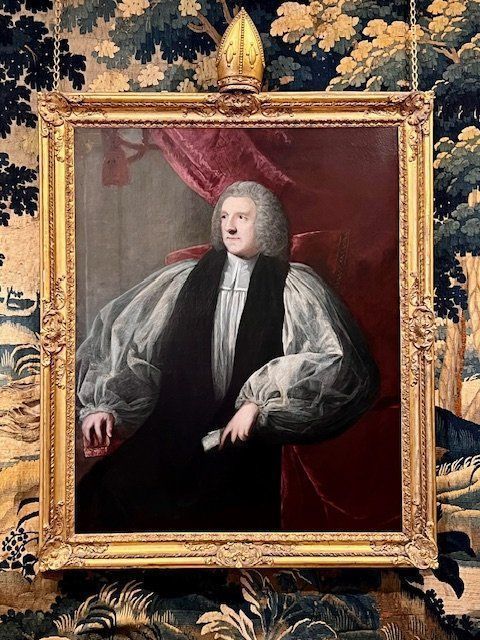
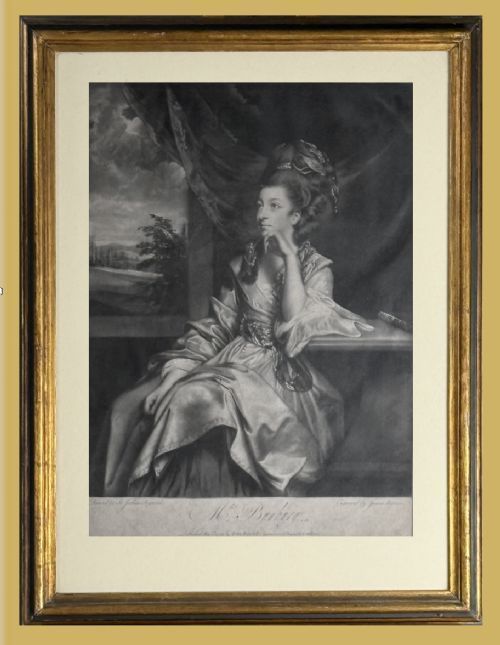
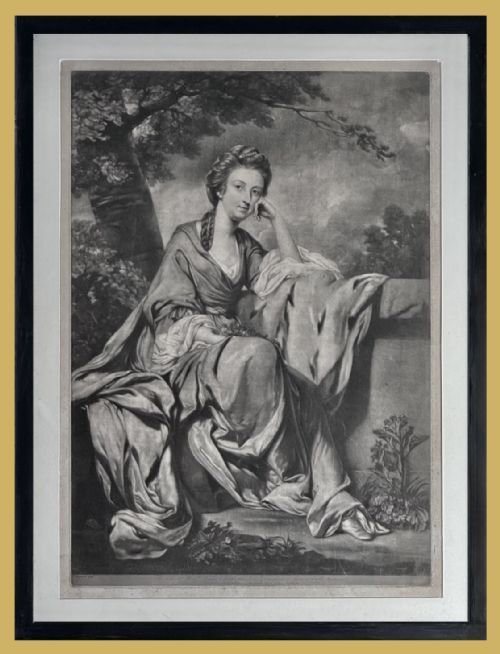
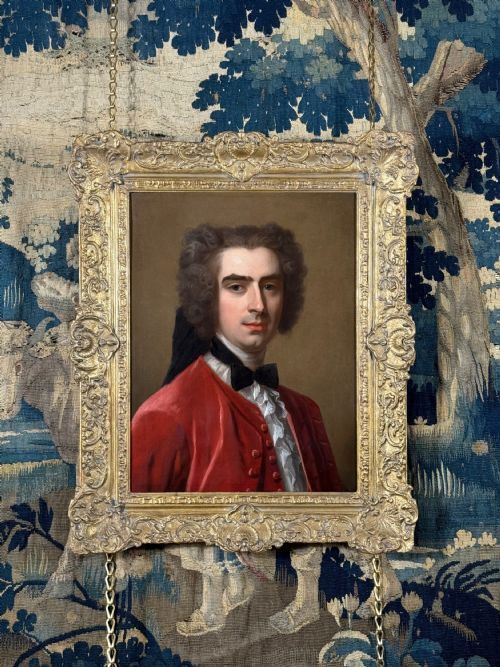
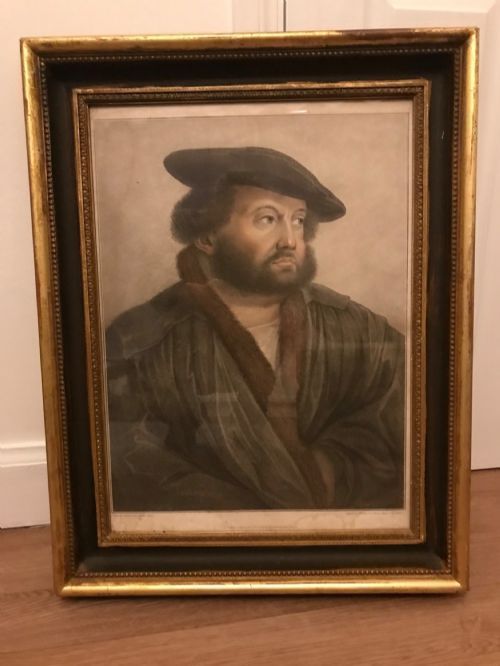
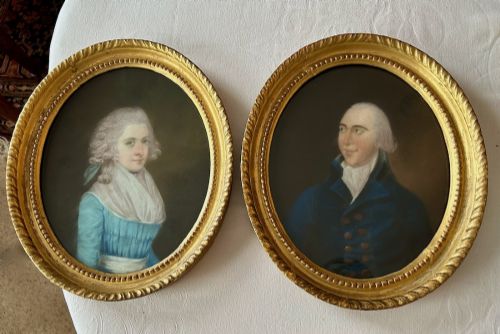
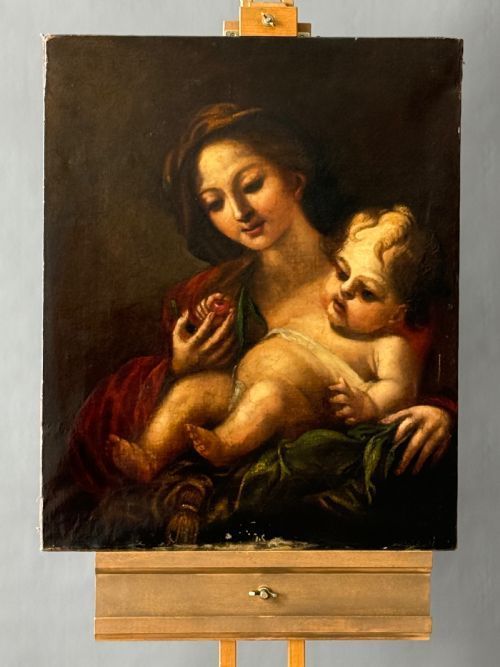
When you search for 18th century portrait art, you encounter historic depictions of sitters ranging from nobility to children and family friends. These works encompass original oil paintings, drawings, and early print sets.
The pieces on this page span the 18th century alongside related 19th-century interpretations, Regency watercolours, and Georgian works. English school compositions and European counterparts frequently appear in this selection.
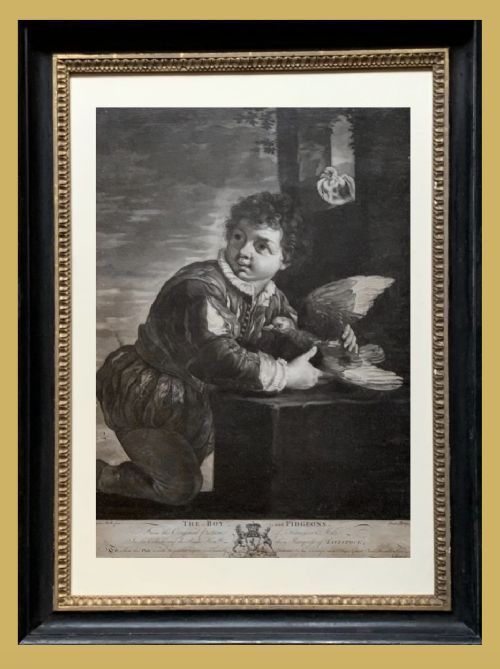
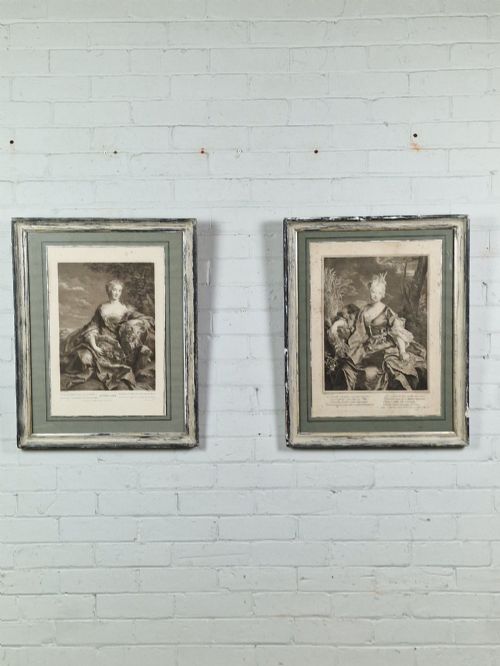
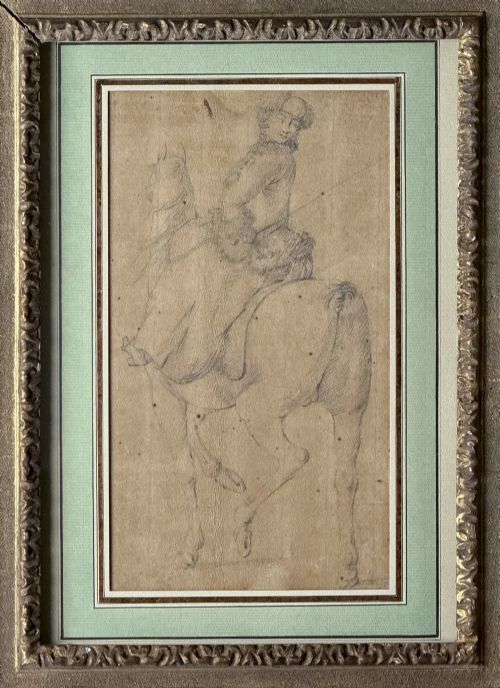
Common formats include framed oils on canvas, detailed miniatures in pen and ink, and framed engravings. Many subjects are identified by name, while others remain compelling historical figures.
Materials and Construction
Artists painted primarily using oil on canvas or wood panels, capturing fine details of clothing and expression. Paper served as the medium for delicate watercolours, pen and ink drawings, and mezzotint prints.
Framing forms an integral part of these pieces, utilising wood, glass, and giltwood. Ornate gilt frames and traditional Hogarth frames often house the canvases and engravings.
Retail Price Guide 2026
Typical UK retail prices for 18th century portrait art, calculated from the Sellingantiques database of over a million retail prices indexed since 2003. This retail price guide relies exclusively on Sellingantiques data; no external sources or auction records are used, so the figures do not describe the wider market.
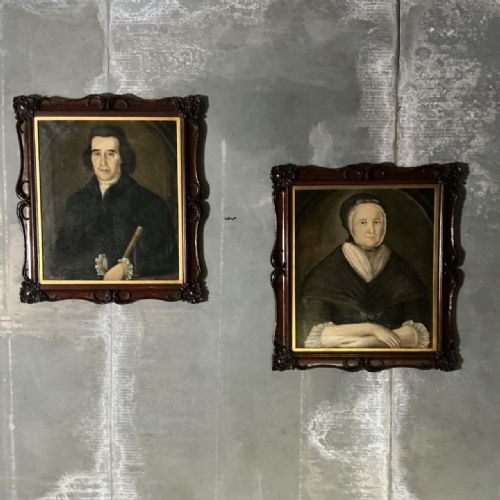
Several portraits preserve the stern gaze of family friends and noblemen who likely sat in chilly drawing rooms for hours.
Assessing Quality and Execution
The preservation of the original canvas, the depth of the pigment, and the integrity of the period frame contribute to the overall standing of each piece.
Thomas Beach·Albin R Burt·Juan Ruiz Soriano·Ozias Humphry·Joseph Highmore·Arthur Devis·Martin Archer Shee·David Martin·Johan Horner·Lely·Bartolome Esteban Murillo
The 18th Century Portrait Art Glossary
- Mezzotint
- A printmaking process of the scraperboard family allowing smooth gradations of tone. This technique was frequently utilised for reproducing popular portraits.
- Giltwood
- Wood carved and covered with a thin layer of gold leaf or gold paint. Frames constructed this way are typical of Georgian display methods.
- Miniature
- A small-scale portrait executed with meticulous detail. These delicate works often feature pen and ink or watercolour on paper.
- English School
- A term denoting artists working in England within a shared stylistic tradition. It groups together portraitists of the Georgian era whose specific hands may be anonymous.
Frequently Asked Questions
How do I identify a genuine 18th century portrait?
Examine the canvas preparation, stretcher construction, and pigment ageing under appropriate magnification. Secondary evidence often resides in the framing style and historical documentation.
Compare the sitter's costume and hairstyle against established fashion timelines of the Georgian period. Expert attribution usually relies on stylistic consistency with known works by the artist or school.
Where should I hang a framed portrait?
Select an interior wall with stable humidity and temperature away from direct sunlight. Sunlight fades oil pigments and damages paper works over time.
Position the artwork at eye level to replicate historical display practices. Ensure adequate indirect lighting to highlight the details of the subject's expression.
What is the difference between an oil painting and a mezzotint?
An oil painting is a unique, hand-painted artwork utilising pigment suspended in drying oil on canvas or wood. Each brushstroke represents the direct touch of the artist.
A mezzotint is a print created from a metal plate worked by hand with a rocker. This technique allows multiple impressions of a popular portrait to be produced.
How do I care for antique gilt frames?
Dust the frame gently with a soft, dry brush to remove particulate matter without disturbing the fragile surface. Avoid liquid cleaners and chemical solvents entirely.
Keep the frame away from direct heat sources to prevent the wood from warping and the gesso from cracking. Professional conservators should handle any structural repairs.