

Antique Portrait of Child
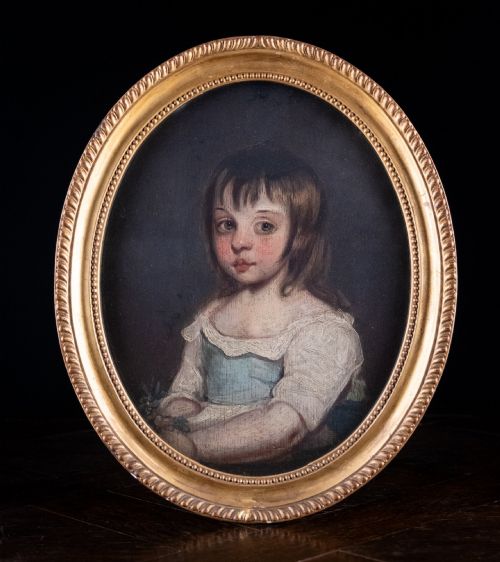
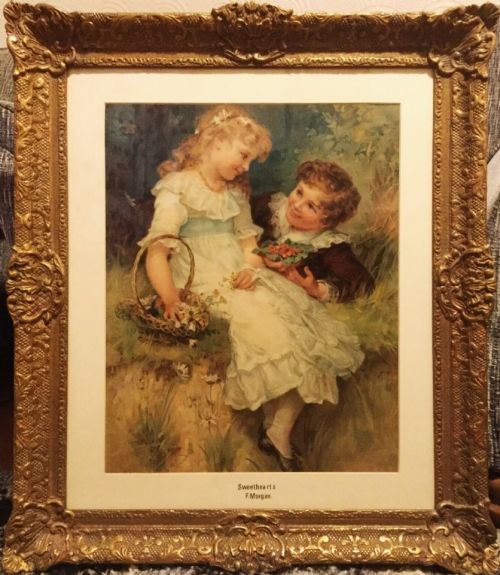
An antique portrait of child captures a fleeting youth on canvas or board, offering a direct window into bygone childhoods.
Identifying an antique portrait of child
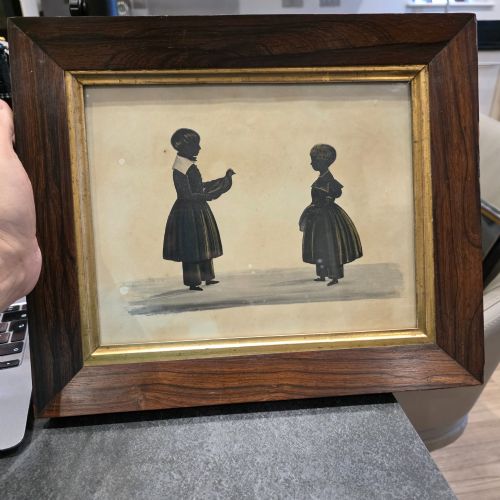
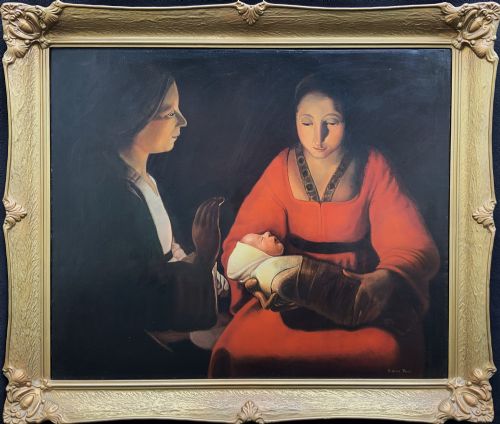
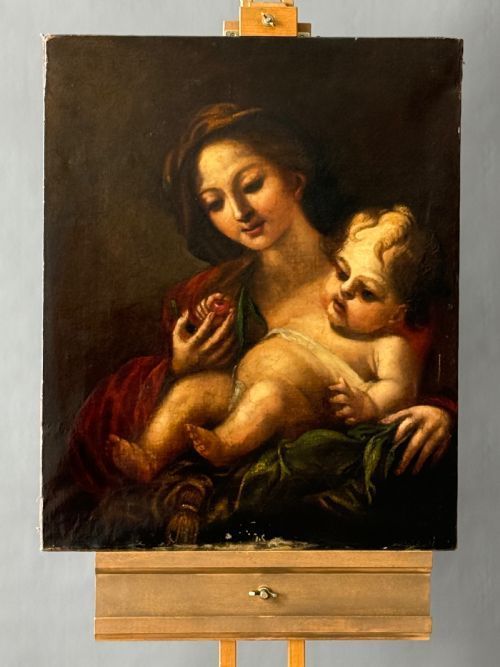
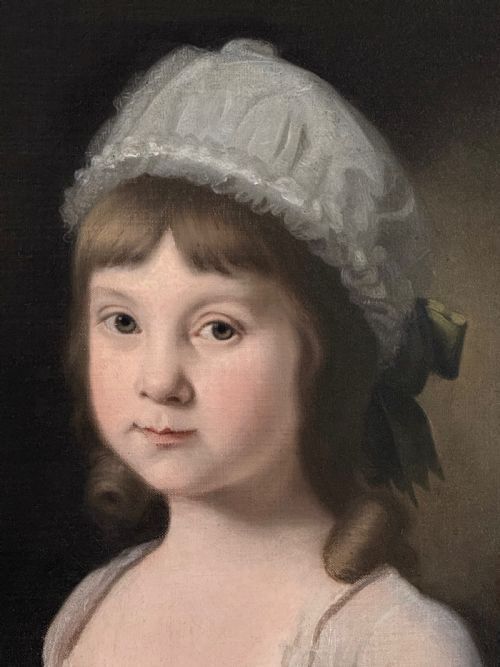
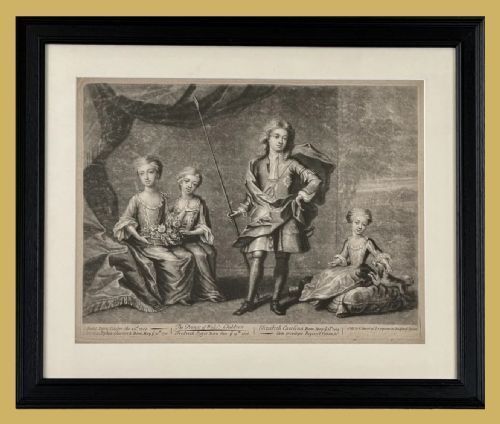
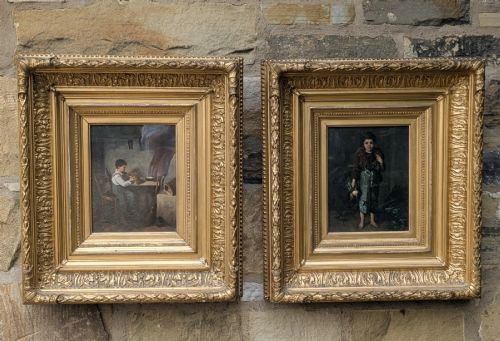
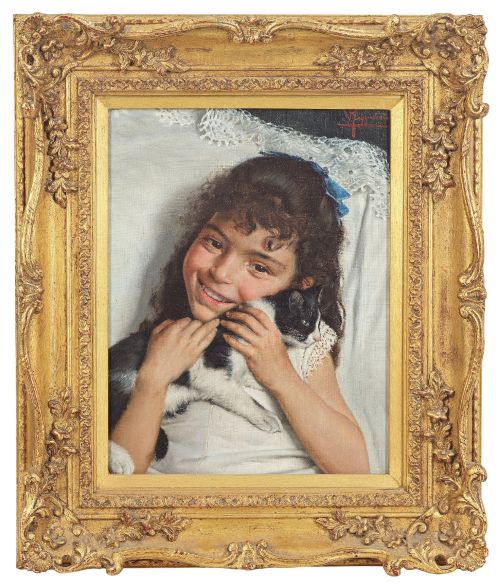
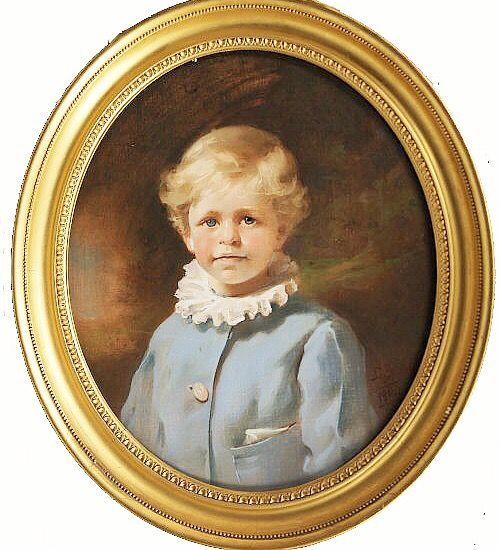
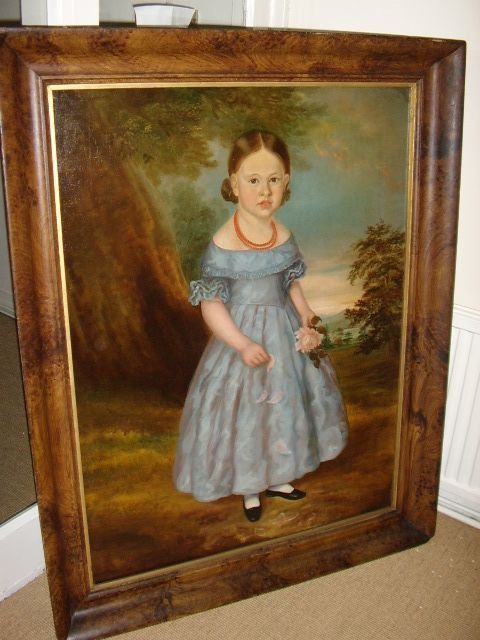
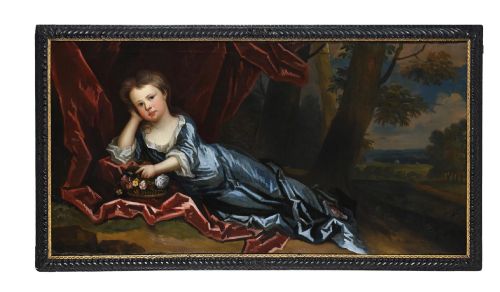
When you search for an antique portrait of child, you encounter works spanning the seventeenth through to the early twentieth century. These pieces record young sitters either individually or alongside family members and animals, reflecting the domestic and social attitudes of their respective periods.
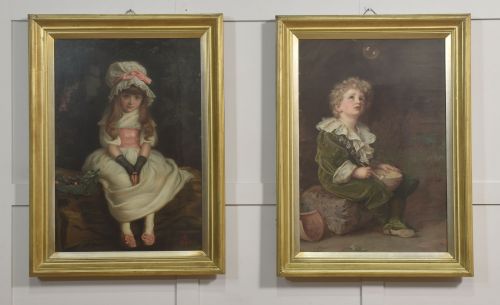
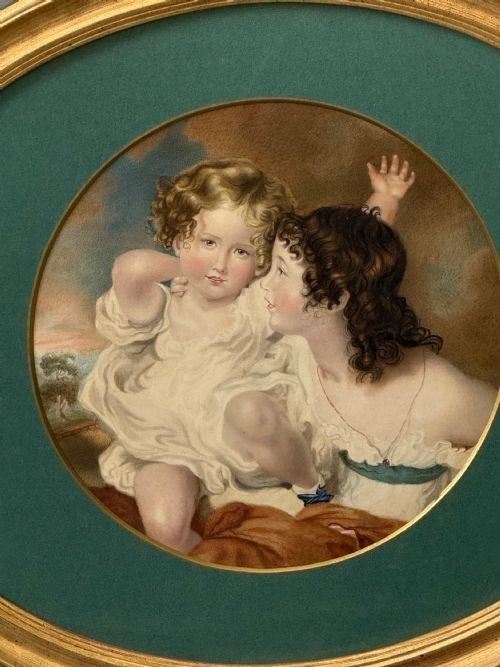
The versions most frequently met on this page include nineteenth-century oil paintings and watercolours, alongside eighteenth-century English School examples. Subjects range from formally posed young girls and boys to more informal depictions capturing childhood pursuits.
Origin points vary across British, French, and colonial contexts, such as an 1896 depiction from Madras, India. Such diversity ensures that each artwork presents a distinct narrative regarding costume, setting, and portraiture conventions of the era.
Materials and execution
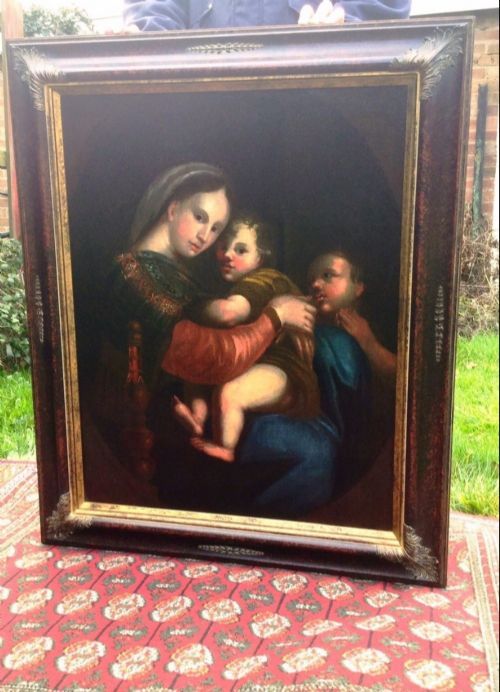
Artists relied primarily on oil paint applied to canvas or wood boards, while watercolour on paper represents another common medium found across the archive. Frames frequently utilise giltwood and gold leaf, complementing the richness of the painted surfaces.
The physical construction of these works combines traditional stretcher frames with woven canvas supports or solid wooden panels. Pigments were manipulated using contemporary brushwork techniques ranging from precise academic realism to looser provincial interpretations.
Retail Price Guide 2026
Typical UK retail prices for portrait of child, calculated from the Sellingantiques database of over a million retail prices indexed since 2003. This retail price guide relies exclusively on Sellingantiques data; no external sources or auction records are used, so the figures do not describe the wider market.
The archive spans the 17th, 18th, and 19th centuries, featuring oil on canvas, watercolour, and giltwood materials.
Distinguishing quality in child portraiture
The distinction between ordinary provincial output and superior fine art lies in the psychological depth and anatomical accuracy achieved by the painter. Masterful handling of light upon a young sitter's face and hands elevates a composition far beyond a mere historical record.
Conservation history and the integrity of the original support heavily influence the standing of any given piece. Works retaining their untouched canvas and period giltwood frames command greater appreciation among collectors than those subjected to heavy restoration.
Kathleen Winifred Molesworth·Robert Byng·Sydney Buck·Charles Dickinson Langley·Godfrey Kneller
The Antique Portrait of Child Glossary
- English School
- A designation applied to artists working within England whose specific identities remain unrecorded or broadly aligned with national traditions. This term groups together stylistic similarities across the eighteenth and nineteenth centuries.
- Oil on Canvas
- A traditional painting medium utilising pigments suspended in a drying oil applied to a stretched woven fabric support. This combination offers durability and rich tonal depth.
- Giltwood
- Wood carved and subsequently coated with gold leaf or metallic powder to create a decorative surface. It is commonly found on period frames housing fine art.
- Provincial British School
- Artworks produced outside metropolitan centres by regional practitioners whose styles often display charming independence from academic conventions. These pieces offer insight into local aesthetic tastes.
- Watercolour
- A painting method where water-soluble pigments are applied to paper surfaces to produce translucent washes of colour. It was widely utilised for intimate domestic portraiture during the Victorian era.
Frequently Asked Questions
How should I care for an antique oil painting?
Keep paintings away from direct sunlight and sources of extreme temperature fluctuation to protect the canvas and pigments. Avoid using chemical cleaners on the painted surface or the surrounding giltwood frame.
Dust the frame gently with a soft, dry brush on a regular basis. Consult a professional conservator if the canvas requires cleaning or structural repair.
What does English School mean?
The label denotes artists trained or working within England whose individual names are lost or secondary to their regional style. It groups together works sharing common technical approaches and period aesthetics.
Such attribution helps historians place a work within a broader national tradition without claiming a specific named hand.
How do I date a portrait of a child?
Examine the sitter's costume, hairstyle, and surrounding furnishings, which closely follow the fashion trends of their decade. Clothing styles often provide the most reliable initial clue for narrowing down a creation date.
Consider the support materials, stretcher construction, and framing methods, as these technological details evolved noticeably from the seventeenth to the twentieth century.
Where were these portraits displayed historically?
Families hung these artworks in private drawing rooms, parlours, and hallways as testaments to lineage and affection. They served both as intimate memorials of youth and as public displays of social standing.
Larger compositions often occupied prominent positions above mantelpieces, while delicate watercolours were kept in more private family spaces.