


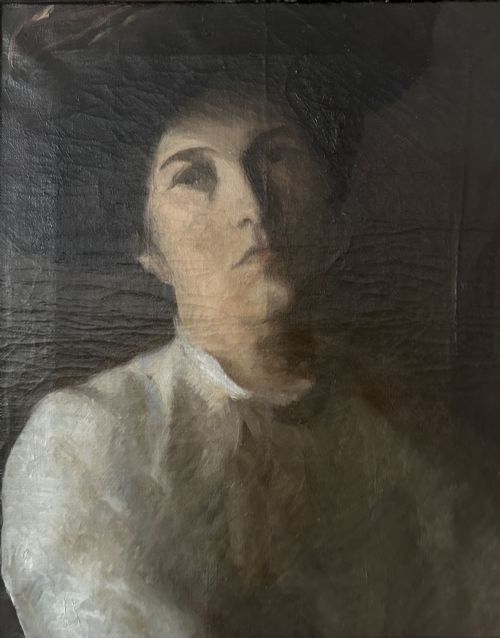
Edwardian Portrait Painting
An Edwardian portrait painting captures the elegance and character of the early twentieth century through skilled brushwork.
Understanding Edwardian portrait painting
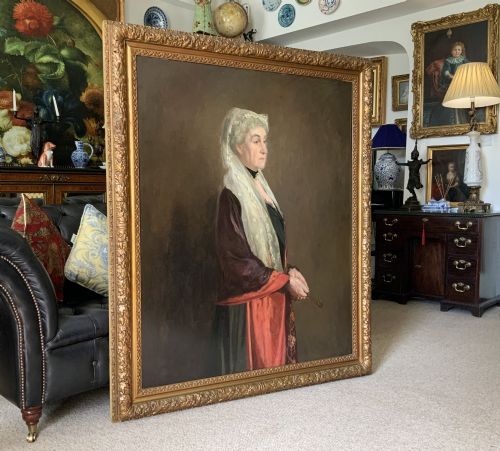
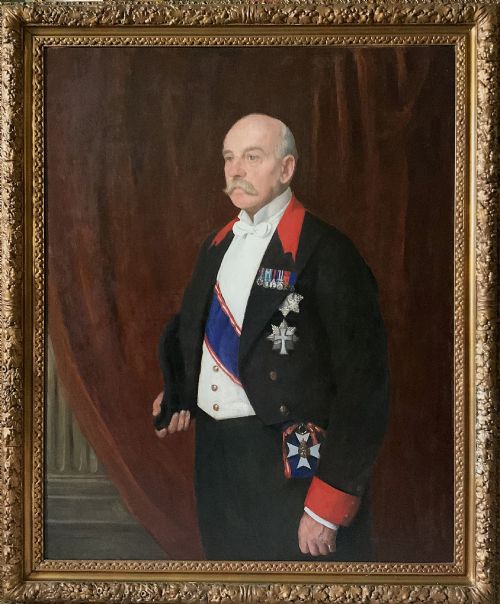
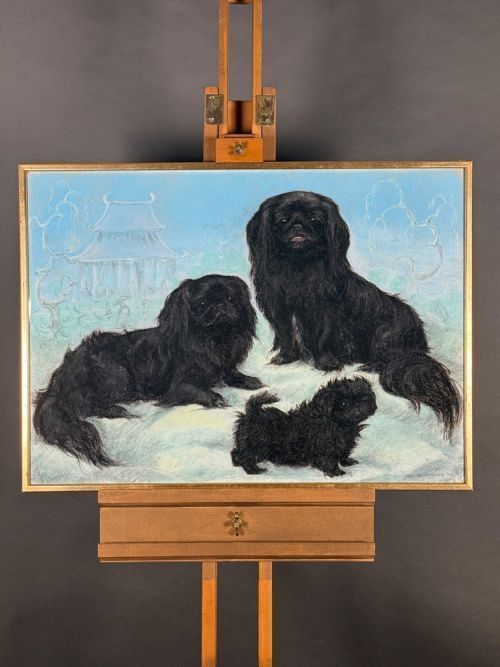
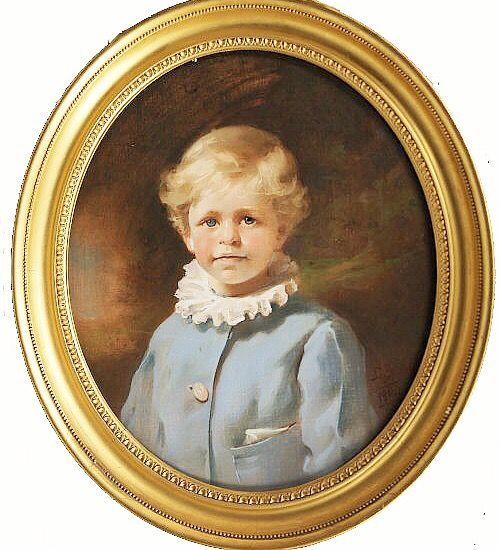
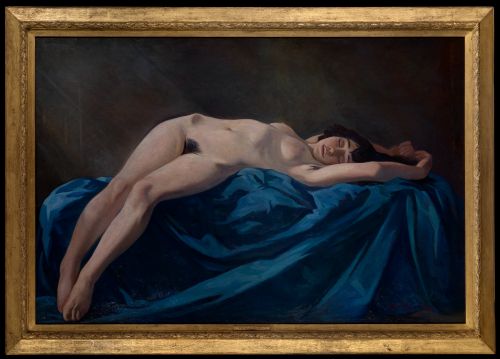
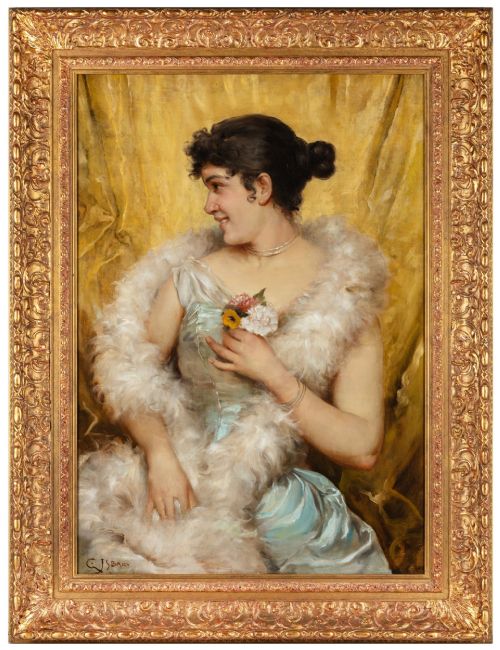
An edwardian portrait painting records the likenesses of ladies, gentlemen, children and notable figures from around the turn of the twentieth century. These works range from intimate studies on board to grand framed canvases depicting sitters in elaborate dress or historical costume.
The pieces on this page span the late nineteenth century into the 1920s, reflecting both traditional academic approaches and emerging styles like Edwardian Impressionism and French Symbolism. Buyers encounter formal society portraits alongside charming depictions of young girls and boys.
Subjects include everyday sitters, named artists' models and prominent local figures such as a Glasgow iron and steel merchant. Each painting offers a direct window into the sartorial choices and social values of the period.
Materials and technique
Artists of this period primarily applied oil paint to stretched canvas or prepared wooden boards, building up layers to achieve depth and texture. Some works also utilise pastel or watercolour on paper to capture softer tones.
Many surviving pieces retain their original or period-appropriate frames constructed from wood with gesso and giltwood ornamentation. These frames complete the presentation and protect the edges of the painted support.
Retail Price Guide 2026
Typical UK retail prices for edwardian portrait painting, calculated from the Sellingantiques database of over a million retail prices indexed since 2003. This retail price guide relies exclusively on Sellingantiques data; no external sources or auction records are used, so the figures do not describe the wider market.
At least one young boy in these portraits proudly poses alongside his Cavalier King Charles Spaniel.
Assessing quality
The distinction between standard works and exceptional examples lies in the confidence of the draughtsmanship and the handling of light across the sitter's face and clothing. Masterful brushwork brings vitality to the eyes and textiles, whereas lesser pieces remain stiff and formulaic.
Provenance and attribution also influence distinction, with documented works by known painters commanding greater interest than anonymous British School productions. The condition of the pigment layer and the integrity of the original support further separate well-preserved pieces from those requiring extensive restoration.
William Watt Milne·L Sommer·Edgard Maxence·Frank Owen Salisbury·John McGhie·Frank Samuel Eastman·Percy Bigland
The Edwardian Portrait Painting Glossary
- Gesso
- A plaster-like mixture applied to wooden frames before gilding or painting to create a smooth surface for ornamentation. This material allows for intricate moulded details along the frame edges.
- Giltwood
- Wood that has been coated with a thin layer of gold leaf. It provides a bright, reflective border characteristic of period picture frames.
- Pastel
- A medium consisting of powdered pigment bound into stick form. It produces velvety surfaces requiring protective glass glazing.
- Board
- A rigid wooden or composite panel used as a support for painting instead of stretched canvas. It offers a firm surface favoured for smaller studies.
Frequently Asked Questions
How do I date an edwardian portrait painting?
Dating relies on the sitter's clothing, hairstyles, and any signature or documentation recorded on the reverse of the canvas or board. Comparison with known works from the same period helps narrow down the decade.
Framing styles also provide clues, though frames are frequently replaced over time. Examining the back of the painting often reveals dealer stamps or exhibition labels from the early twentieth century.
Where should I hang an oil portrait?
Choose a wall with stable humidity away from direct sunlight to prevent the oil paint from fading or the canvas from warping. Proper placement ensures the artwork remains a focal point in a reception room or study.
Ensure the painting is hung at eye level to allow proper appreciation of the artist's brushwork and the sitter's expression. Adequate ambient lighting enhances the depth of the dark backgrounds typical of this era.
Are these paintings cleaned professionally?
Many surviving portraits retain their original varnish layers, which can discolour to a amber tint over decades. Professional conservation involves careful surface cleaning to reveal the original palette.
Buyers should inspect images closely to determine whether a painting has been cleaned or restored. A stable, untouched surface is often preferred by traditional collectors.
What subjects appear in these works?
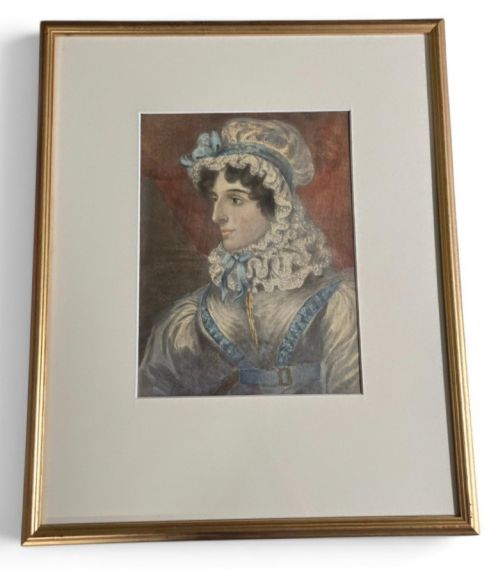
Subjects range from society ladies in hats and lace caps to young boys in historical dress holding pets. Portraits also capture professionals, such as merchants and military figures, alongside Symbolist costumed studies.
Each painting reflects the personal identity or social standing commissioned by the original patron. Understanding the sitter adds context to the aesthetic value of the piece.