

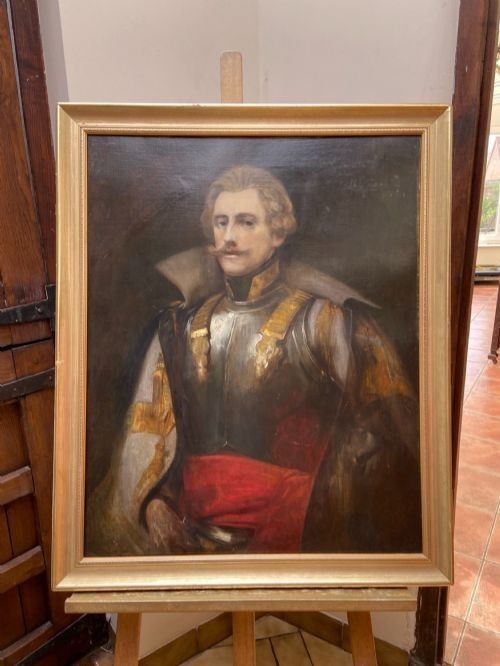
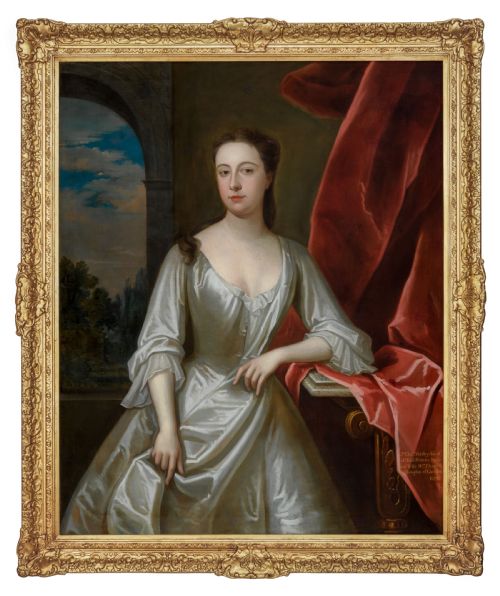
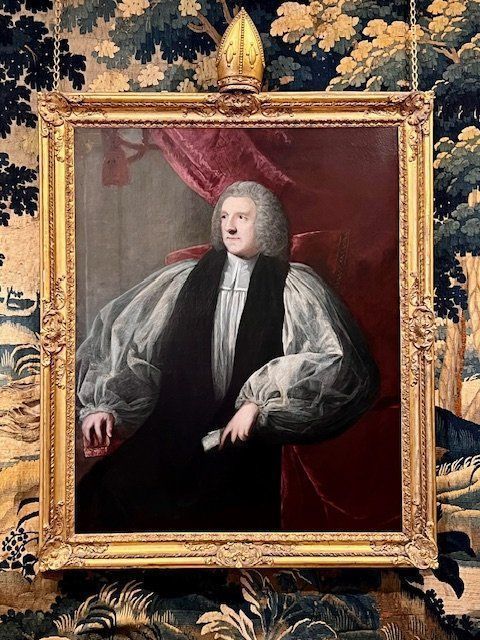
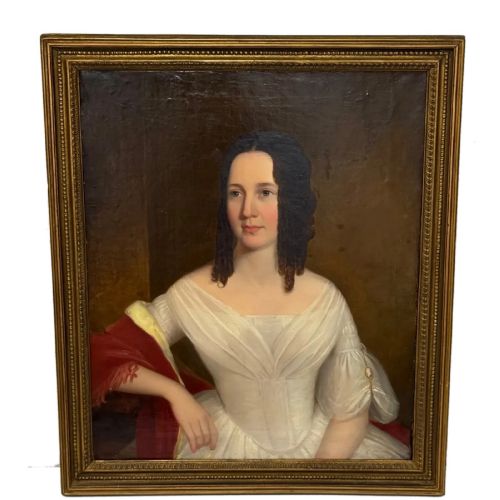
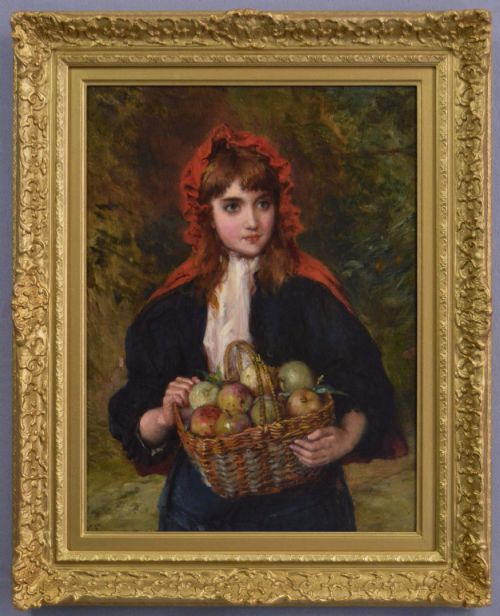
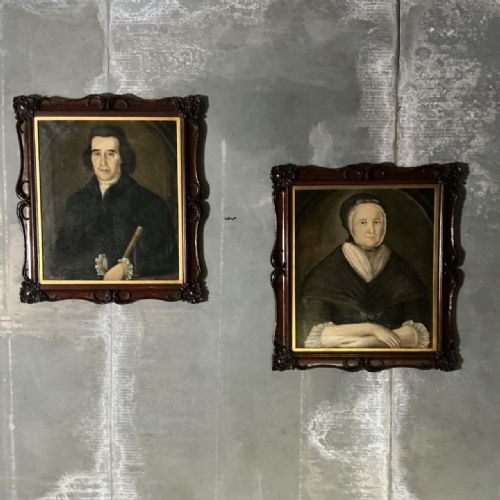
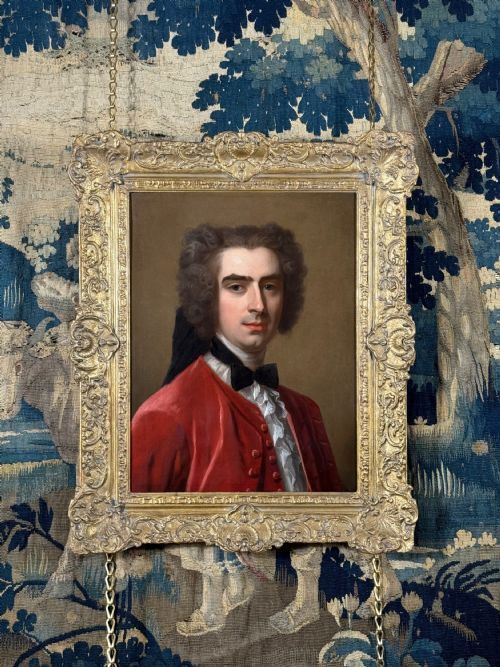
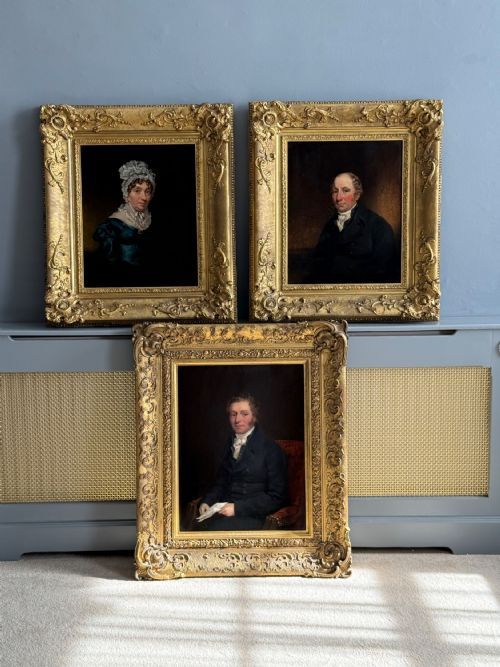
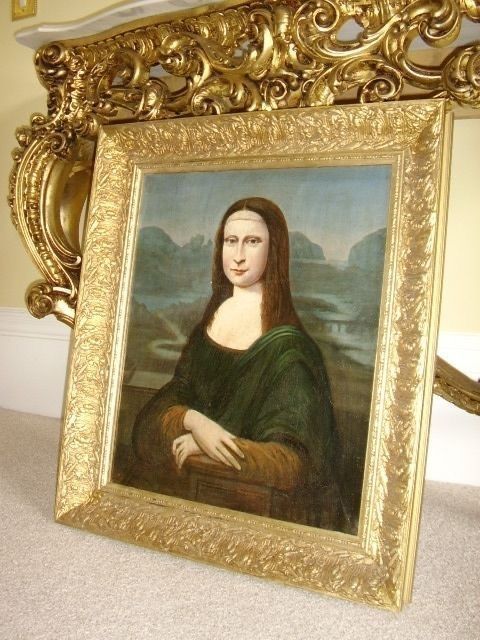

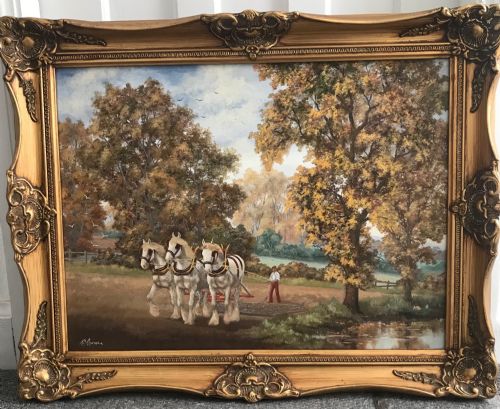
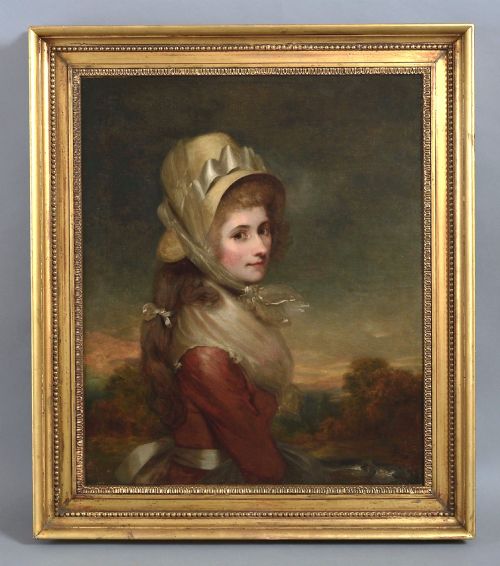
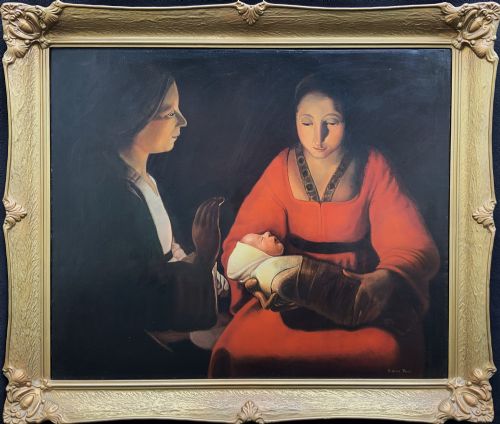


Gilt Framed Oil Portrait
A gilt framed oil portrait brings centuries of character into a room, pairing painted subjects with ornate gilded surrounds.
Gilt Framed Oil Portrait
A gilt framed oil portrait presents historical likenesses, ranging from seventeenth-century nobility to nineteenth-century gentlemen, rendered in oil paint on canvas or panel. The search phrase covers both grand British school depictions and intimate provincial works.
Most examples encountered on this page date from the eighteenth and nineteenth centuries, often housed in heavy wooden frames finished with gold leaf or gesso. These pieces vary from formal seated aristocrats to quieter studies of children and country figures.
The framing is integral to the object, designed to catch candlelight or natural illumination and give depth to the dark pigments of the canvas. Surviving works frequently retain their original or period-appropriate gilded mouldings.
Materials and construction methods
Painters applied oil pigments onto prepared canvas or wooden panels, utilising binders that allowed for rich tonal layering and subtle glazes. Canvas was typically stretched over a wooden strainer or stretcher before being fixed in place.
Frames were constructed from timber such as oak, pine or compo, then coated with layers of gesso to provide a smooth surface for gilding. Artisans applied thin sheets of gold leaf or metal leaf over the prepared mouldings, often burnishing the high points to achieve a brilliant sheen.
Gilt Framed Oil Portrait Retail Price Guide 2026
Typical asking prices for gilt framed oil portrait among the pieces listed under this phrase on Sellingantiques today, from the lower quarter to the upper quarter. They describe what is for sale here now, not the wider market.
The listings encompass works spanning from the seventeenth century through to the mid-twentieth century, utilising oil on canvas, panel and board.
Evaluating craftsmanship and condition
The fidelity of the brushwork and the anatomical accuracy of the hands and face distinguish finer portraiture from routine commercial output. Master painters captured light and texture in fabric and skin with notable nuance, whereas lesser works remain stiff and formulaic.
The integrity of the frame matters just as much as the canvas, with superior examples retaining their original gilding and deeply carved ornamentation rather than later plaster repairs. Original stretchers and untouched canvas surfaces elevate the historical value of the piece.
Sir Joshua Reynolds·Sir Godfrey Kneller·Jean-Baptiste Van Loo·Joseph Clover·Sir Peter Lely
The Gilt Framed Oil Portrait Glossary
- Gesso
- A plaster mixture applied to wood frames as a base for gilding. It provides a smooth surface that can be moulded and carved before the gold leaf is applied.
- Giltwood
- Timber that has been coated with gold leaf or liquid gold paint. This technique protects the underlying wood while imparting a bright metallic finish.
- Strainer
- A fixed wooden frame used to stretch canvas, lacking the corner keys and expansion mobility of a stretcher. Older portraits frequently utilise these rigid wooden supports.
- Glaze
- A thin, transparent layer of oil paint applied over a dried passage to alter its colour and depth. Painters used glazes to create luminous flesh tones and shadow effects.
Gilt Framed Oil Portrait: Frequently Asked Questions
Are these portraits original?
The selection includes period originals painted from life, alongside later copies executed after famous masters by subsequent generations of artists. Catalogues usually distinguish between direct works by an artist and those created by their studio or later followers.
Examining the canvas texture, craquelure and stretcher construction helps determine the age of the painting. Documentation or signatures can further clarify the exact period of execution.
Where should I hang a heavy portrait?
Portraits require sturdy wall anchors or direct fixing into wall studs because the combination of thick timber framing and oil on canvas adds substantial weight. Plaster walls alone may fail under the continuous load of large antique frames.
Placement should also avoid direct sunlight and rapid temperature shifts, which cause the canvas to slacken and the gesso to crack. Stable indoor humidity preserves both the paint layer and the wooden support.
How do I identify the sitter?
Inscriptions on the canvas, stretcher bars or frame plaques frequently provide the name of the individual depicted, sometimes accompanied by their birth and death dates. Heraldic shields or specific props like books and letters offer further clues to their identity.
Unidentified sitters remain common, often recorded simply as a gentleman or a lady of a specific period. Costume details and hairstyles help narrow down the decade when the portrait was painted.