
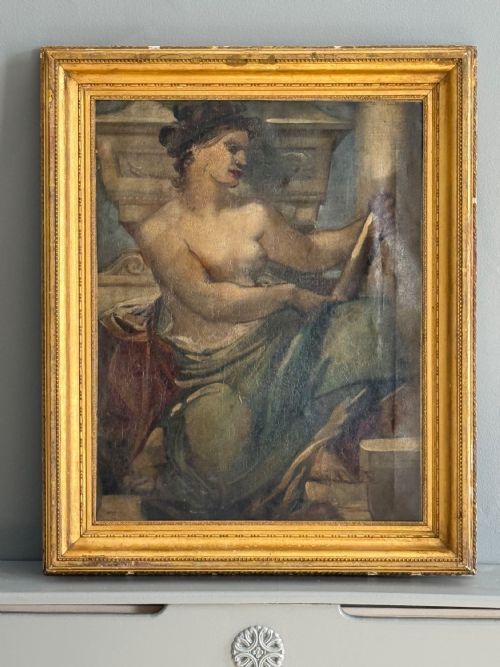
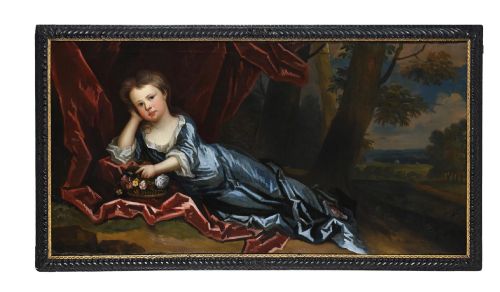
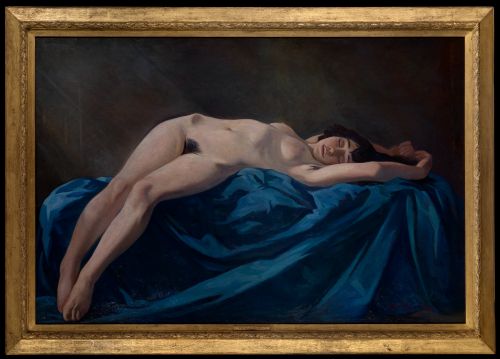
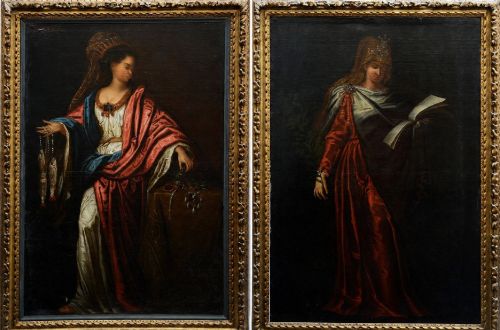
Antique Figure Portrait Painting
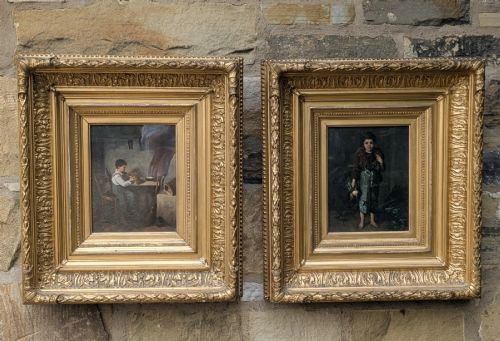
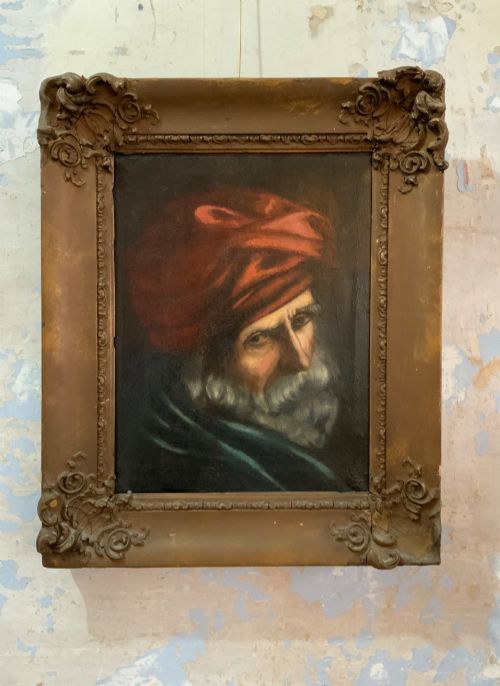
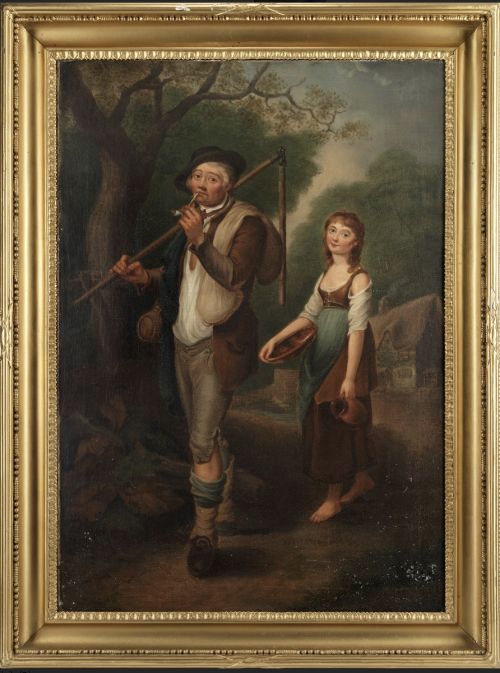
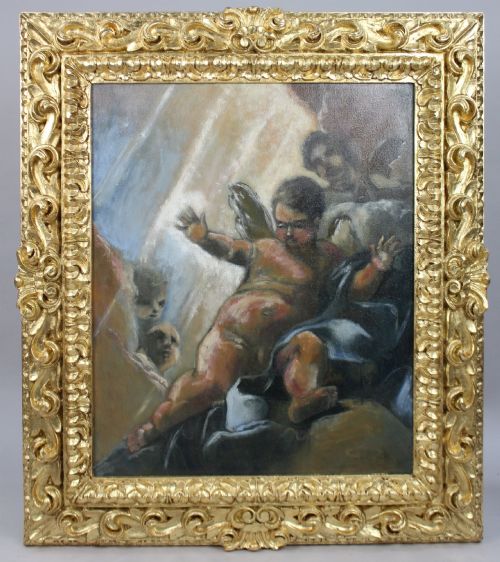
These antique figure portrait painting examples capture human likeness and character across centuries of oil, watercolour, and sculpture.
Antique Figure Portrait Painting
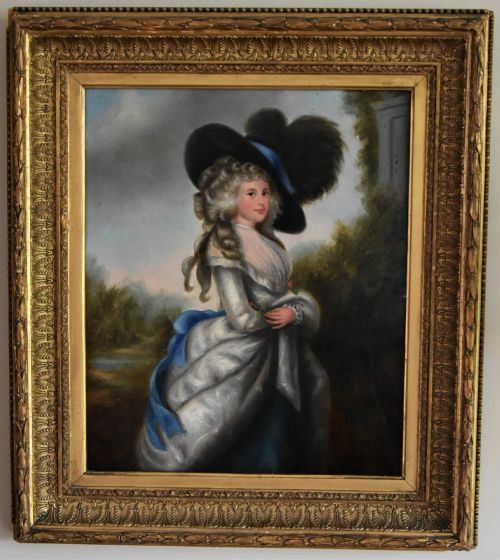
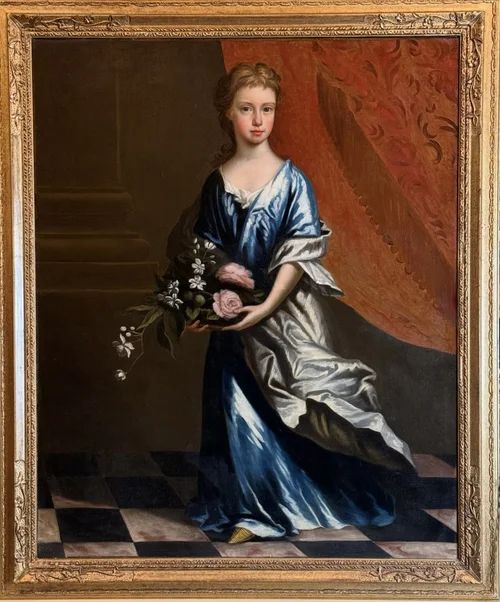
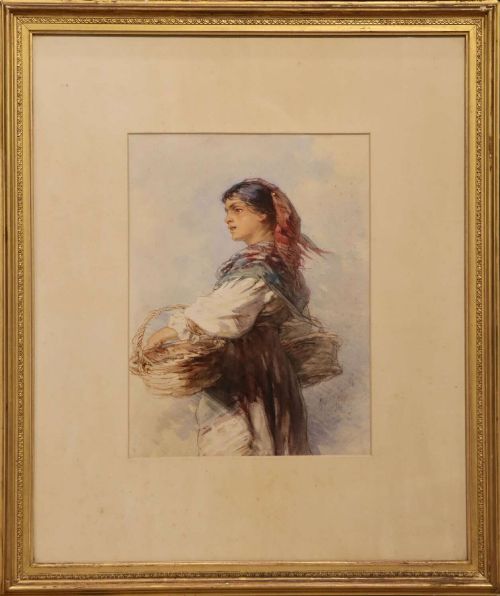
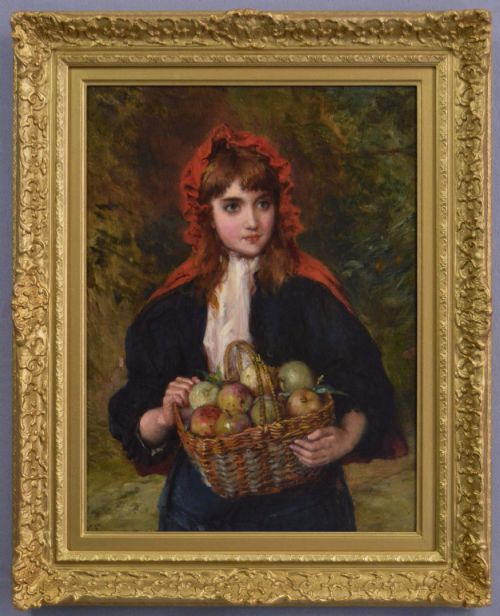
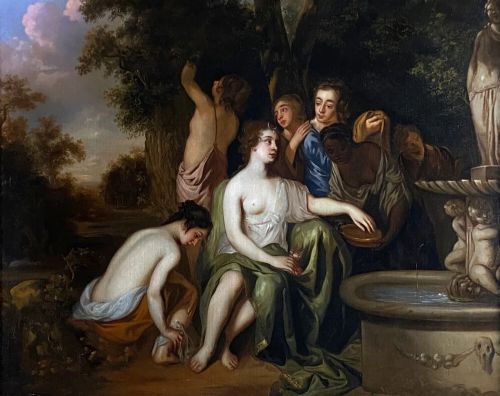
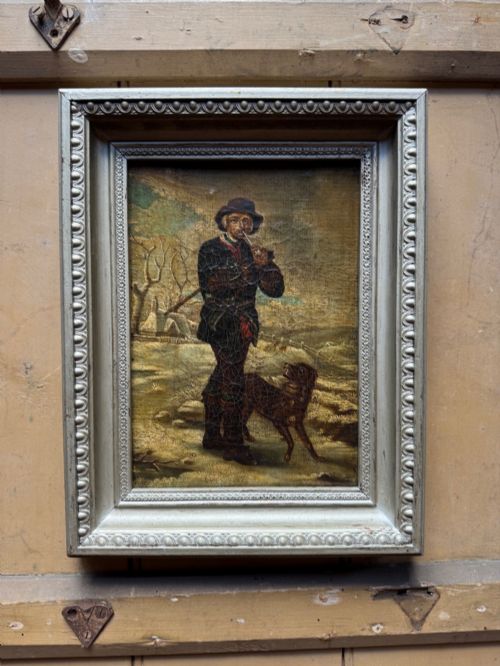
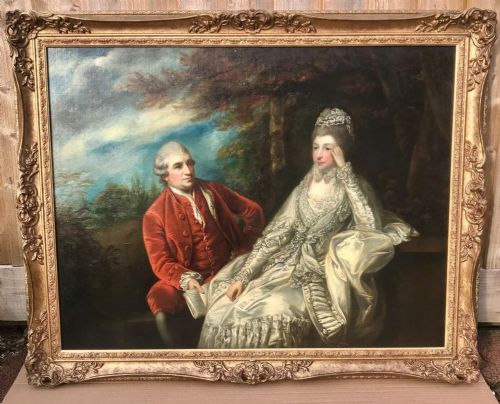
An antique figure portrait painting depicts real individuals or imagined characters, ranging from formal aristocratic likenesses to intimate studies of peasants and children. When you search for an antique figure portrait painting, you encounter works spanning the seventeenth century through to the early twentieth century.
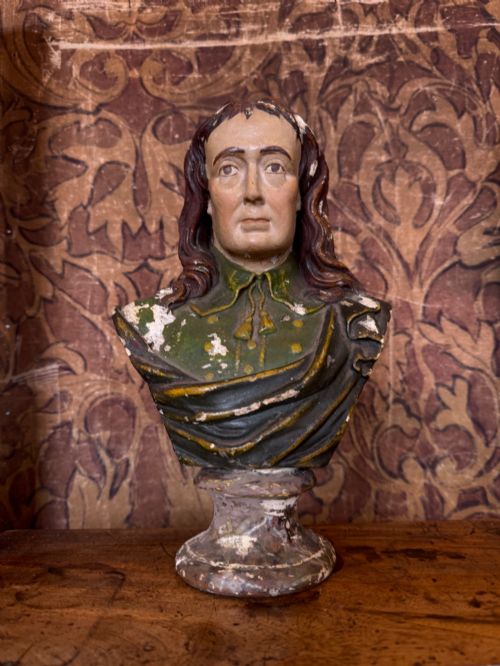
The selections on this page encompass oil on canvas, oil on board, watercolours, and sculptural busts in bronze, porcelain, and plaster. These portrayals bridge formal studio commissions and loose character studies executed by British, European, and Orientalist schools.
How They Were Made
Painters applied oil pigments onto stretched canvas or wooden boards, frequently building depth through layered glazes and detailed brushwork. Watercolours were similarly worked onto paper supports, capturing immediate light and expression.
Sculptural likenesses utilised cast bronze, moulded plaster, and painted porcelain, often set within carved giltwood frames that enhanced the visual presence of the primary subject.
Materials documented across the catalogue include carved giltwood, oil paint, bronze, porcelain, and watercolour on paper.
What Varies in Quality
The integrity of the original support and the quality of the surrounding gilt frame also dictate standing, as period frames designed specifically for the canvas elevate the historical wholeness of the piece.
Robert Byng·Sir Peter Lely·Sir Godfrey Kneller·Joshua Reynolds·Thomas Barker of Bath·Charles D’Agar·Eric Robertson·W.D. Almond·Guillaume Courtois·Carl Haag·Rembrandt·Stephen Pearce·Thomas Spinks·Henry Wissen Senior·Jean Baptiste Greuze·Frans Hals·Godfried Schalcken·Theodore Jensen
The Antique Figure Portrait Painting Glossary
- Oil on canvas
- A painting medium where pigments suspended in drying oils are applied to a woven fabric support. This technique allowed artists to achieve rich colour saturation and subtle tonal gradations.
- Giltwood
- Wood that has been coated with a thin layer of gold leaf or metallic powder. It frequently adorns the heavy frames enclosing classical canvases.
- Watercolour
- A painting method where coloured pigments are suspended in a water-soluble vehicle on paper. It was widely utilised for rapid studies and portable portraits.
- Grand Tour
- A traditional trip through Europe undertaken by upper-class young men to absorb continental art and culture. This practice brought classical sculptures and painted portraits back to British collections.
- School
- A group of artists sharing a similar style, period, or geographical origin, often following the methods of a master. Listings frequently attribute works to specific national schools.
Antique Figure Portrait Painting: Frequently Asked Questions
What is an antique figure portrait painting?
It is a historic artwork depicting a person, ranging from formal aristocratic commissions to intimate studies of everyday figures.
These works utilise various mediums including oil, watercolour, and carved sculpture to capture human likeness across past centuries.
How do I care for an old oil painting?
Keep the canvas away from direct sunlight and severe humidity fluctuations to prevent cracking in the paint layers.
Dust the surface gently with a soft, dry brush and avoid applying any liquid cleaners directly to the pigments.
How can I tell the age of a portrait?
Examine the clothing style, hair arrangement, and framing materials, which often reflect the prevailing fashions of the depicted era.
Stretched canvases, panel construction, and handwritten inscriptions on the reverse also offer vital clues to the date of creation.
Where should I hang a portrait painting?
Display the piece on an interior wall with stable temperature conditions, away from radiators and damp spaces.
Ensure the hanging height allows the subject's eyes to align comfortably with the viewer's natural line of sight.