



Dutch Still Life Painting
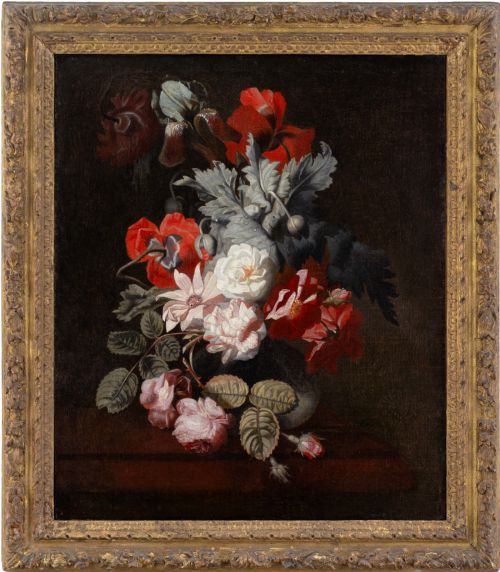
Dutch still life painting brings the richness of floral, fruit and game subjects into interiors through centuries of oil on canvas and panel artistry.
Understanding Dutch Still Life Painting
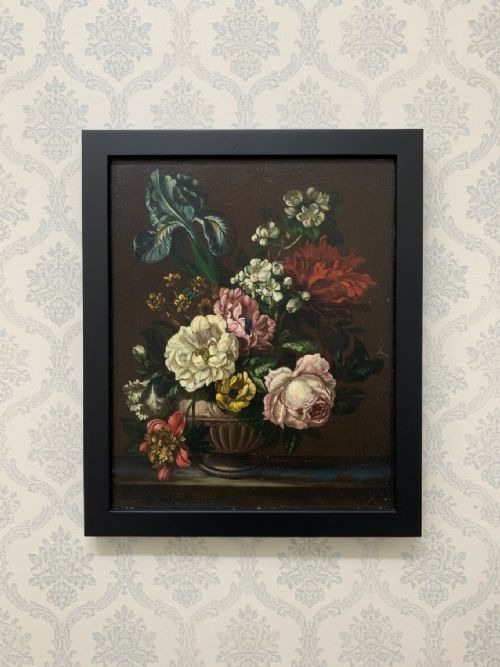
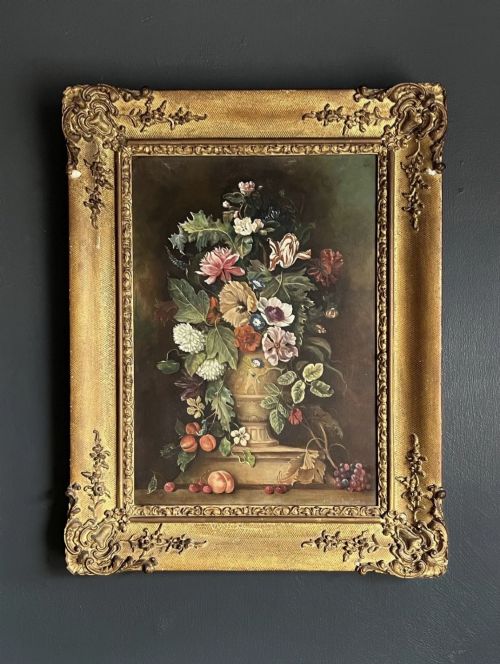
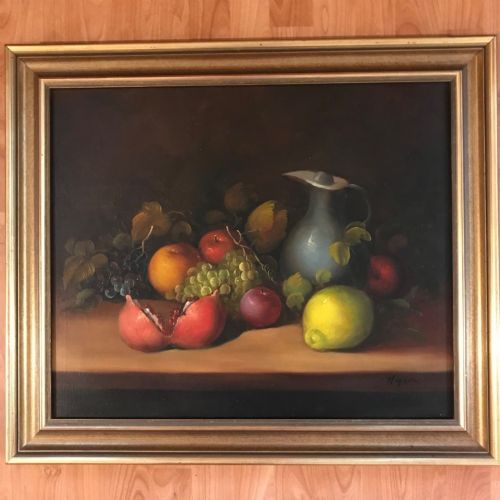
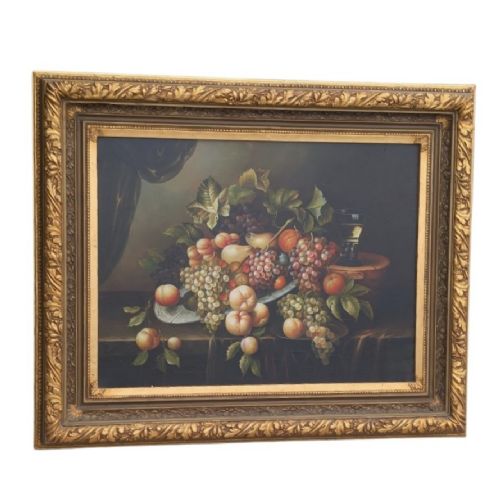
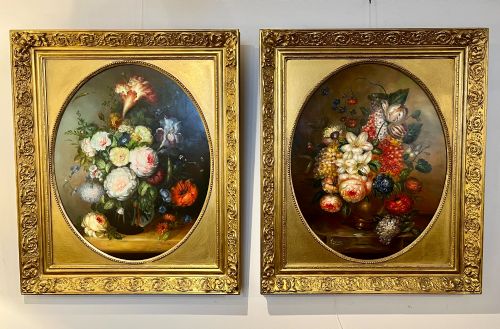
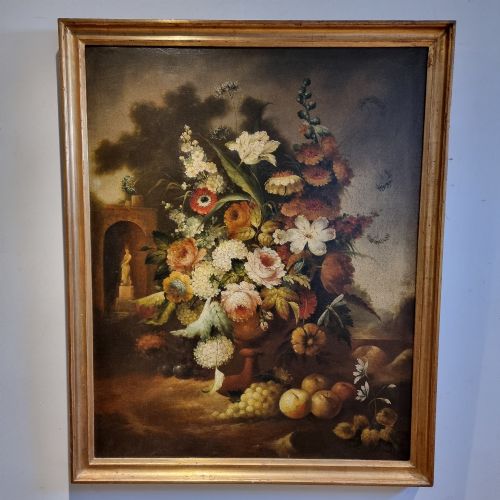
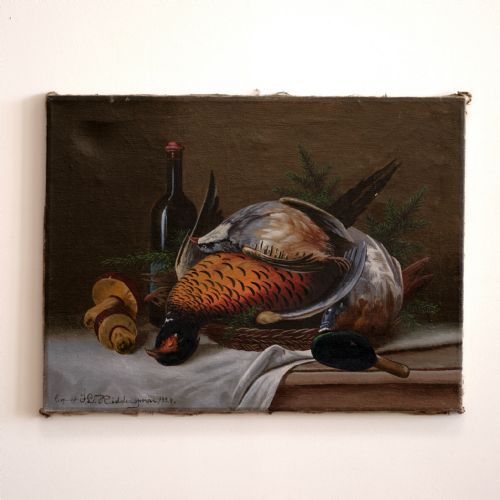
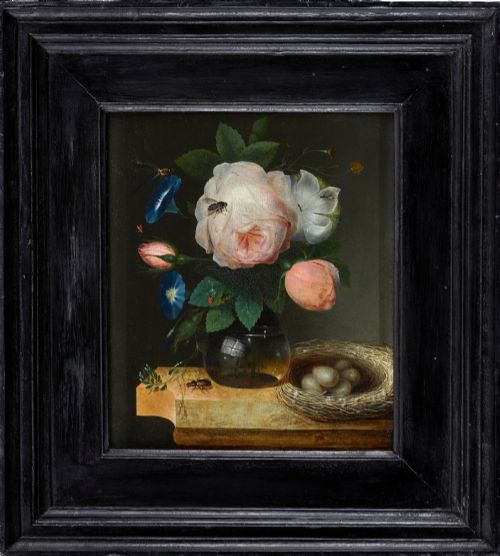
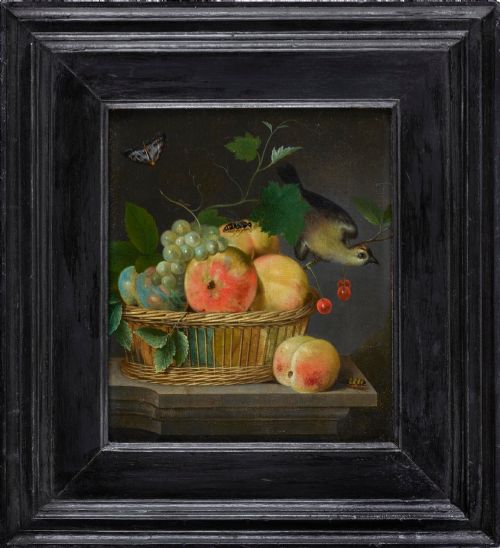
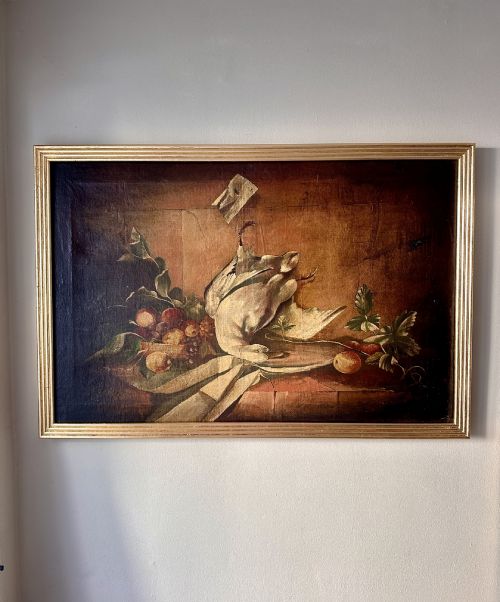
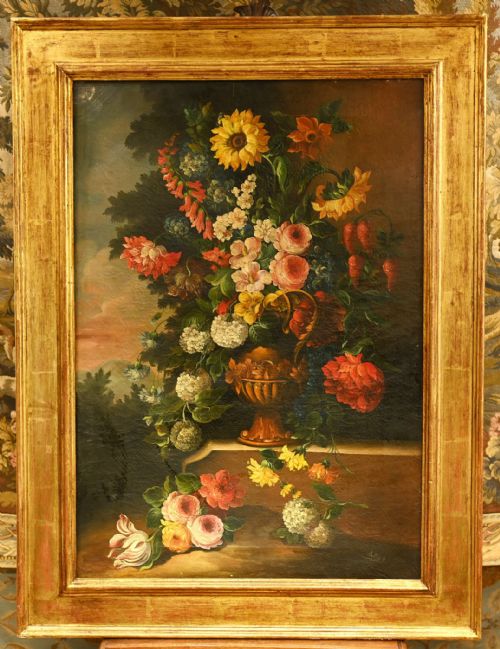
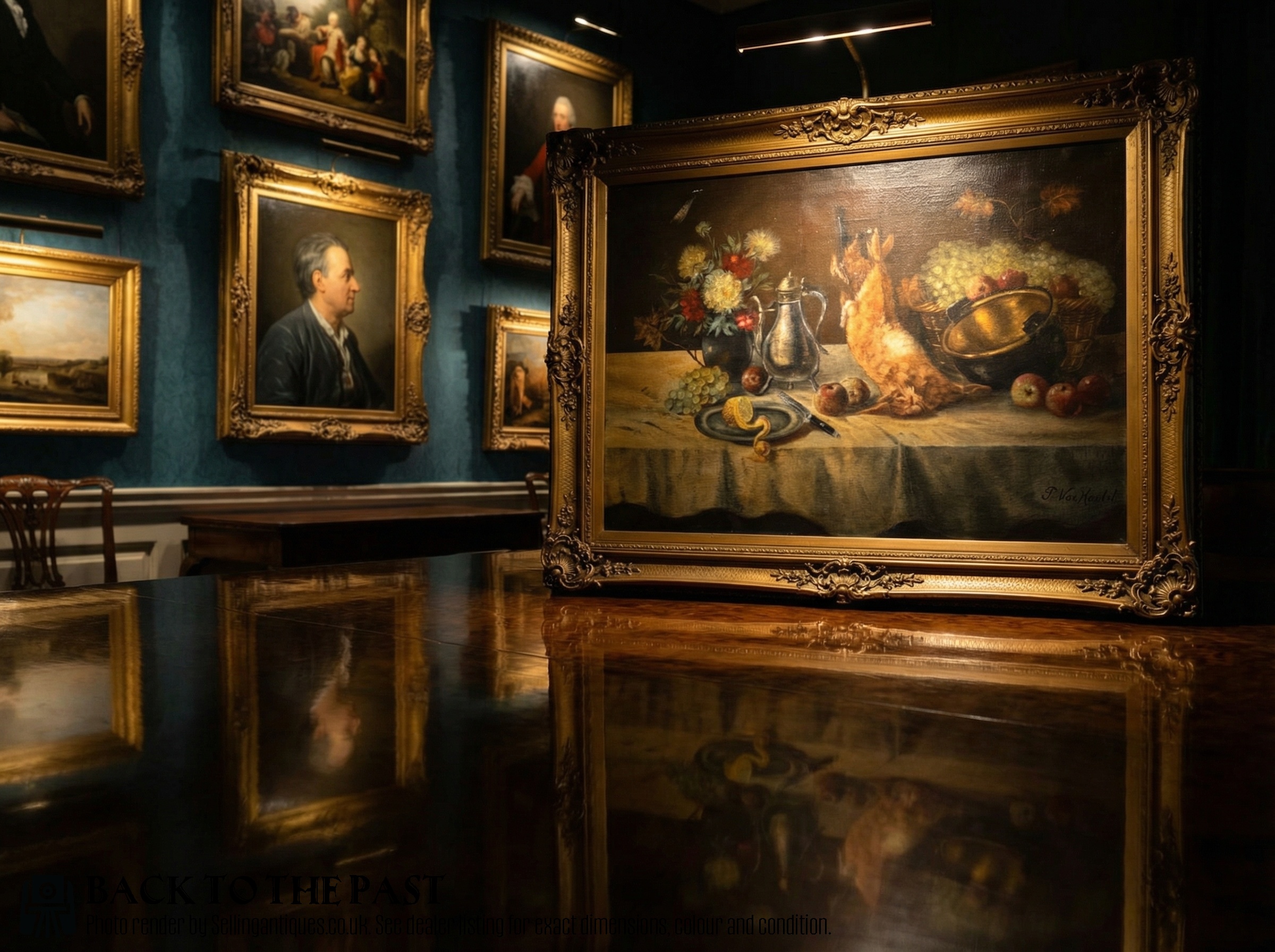
A dutch still life painting typically portrays meticulously arranged subjects such as flowers in glass vases, dead game, fruit, oysters and lobsters. These works span from the seventeenth century through the nineteenth century and into the twentieth century, reflecting enduring traditions in the Dutch School and Flemish Baroque styles.
The version most commonly encountered on this page is the oil painting on canvas or board, frequently housed within a gilded wood or giltwood frame. Examples range from seventeenth-century masterworks to nineteenth-century interpretations and twentieth-century studies.
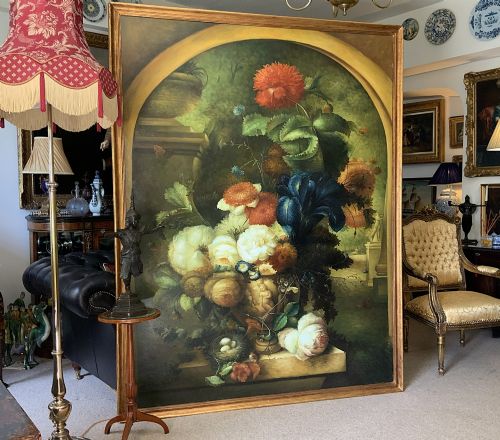
Subjects often incorporate symbolic elements like birds nests, butterflies, insects and floats alongside botanical specimens. Compositions vary from intimate tabletop arrangements to large format interior display pieces.
Materials and Techniques
Artists utilised oil paint applied to supports including canvas, wood panels, metal panels, board and paper. Many works incorporate layered pigments to capture the intricate textures of petals, plumage and reflective surfaces.
Framing forms an integral part of the presentation, with pieces frequently set into gilded wood, giltwood frames or ripple moulded frames that complement the depth and tone of the painted surface.
Retail Price Guide 2026
Typical UK retail prices for dutch still life painting, calculated from the Sellingantiques database of over a million retail prices indexed since 2003. This retail price guide relies exclusively on Sellingantiques data; no external sources or auction records are used, so the figures do not describe the wider market.
Listings feature oil paintings on canvas, wood, board, metal and paper, spanning the seventeenth to twentieth centuries.
Judging Quality and Execution
Quality rests in the precision of brushwork and the naturalistic rendering of light across varied textures like glass, fur, fruit skin and insect wings. Masterful handling creates palpable depth and luminosity within the composition.
The refinement of the supporting frame, whether a period giltwood moulding or a ripple moulded design, contributes to the overall integrity of the piece.
Gaspar Peeter Verbruggen·Simon Pietersz Verelst·Willem E. Roelofs jr·Jurrien Beek·M. Van Lente
The Dutch Still Life Painting Glossary
- Dutch Golden Age
- A period of seventeenth-century Dutch history noted for exceptional achievements in painting, trade and science. Works from this time established enduring conventions for still life compositions.
- Flemish Baroque
- An artistic style characterised by exuberant motion and opulent detail, often sharing thematic elements with Dutch painting. It influences the rich arrangement of flora and fauna in many works.
- Giltwood frame
- A wooden frame covered with gold leaf or gold paint, frequently used to house oil paintings. These frames enhance the visual weight and period context of the artwork.
- Ripple moulded frame
- A frame featuring undulating, wave-like wooden profiles characteristic of seventeenth-century framing traditions. This technique adds rhythmic texture around the perimeter of the canvas.
Frequently Asked Questions
What subjects appear in these paintings?
Paintings feature arranged subjects including roses, tulips, fruit, oysters, lobsters and dead game. Botanical specimens are frequently paired with insects like butterflies and birds nests.
These elements reflect traditional Dutch and Flemish compositions designed to capture natural textures and light.
What materials support these artworks?
Artworks are executed primarily in oil paint upon supports such as canvas, wood, board, metal panels and paper. Many pieces retain their original or period frames.
Frames are commonly constructed from gilded wood or feature ripple moulded details characteristic of historical framing practices.
How do seventeenth-century works differ from later ones?
Seventeenth-century pieces originate from the Dutch Golden Age or Flemish Baroque traditions, displaying historical techniques and surface patination. Nineteenth and twentieth-century examples continue these stylistic conventions with varied interpretations.
Later works often reflect nineteenth-century romanticism or early twentieth-century academic study while maintaining traditional subject matter.
Where should I hang a framed painting?
Framed oil paintings suit domestic interiors, studies and dining spaces where lighting can highlight the textured oil paint and gilded frames. Large format pieces serve as prominent focal points.
Placement should avoid direct sunlight to preserve the integrity of the canvas and the painted pigments over time.