

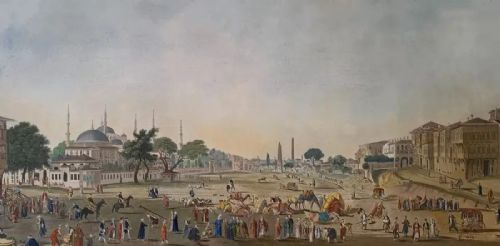
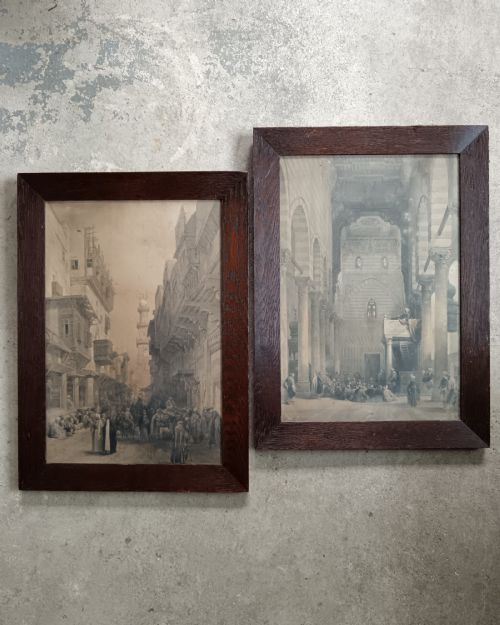


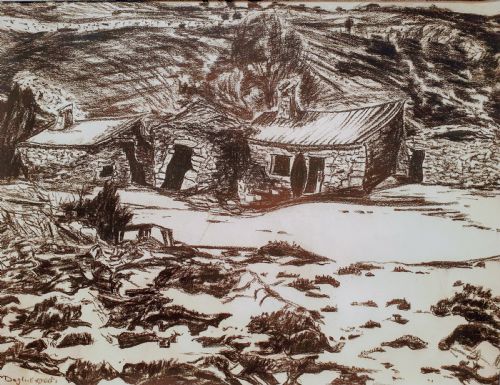


Sepia Architectural Print
A sepia architectural print brings historic buildings and classical facades into a room through rich, warm monochrome tones.
Sepia Architectural Print
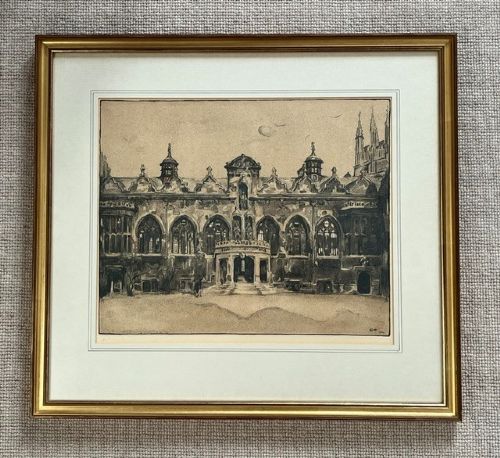
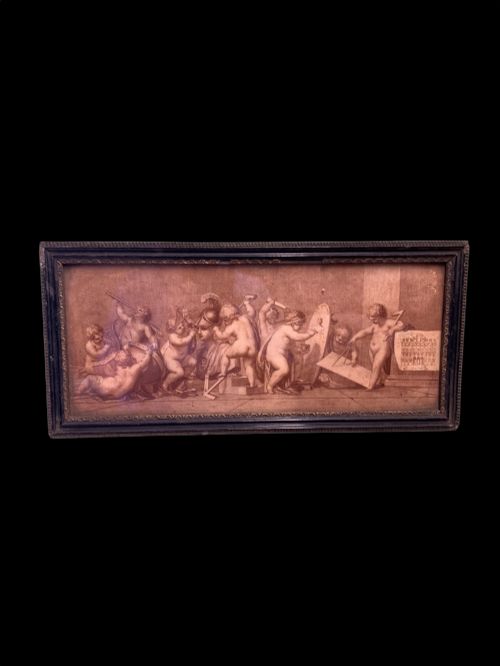
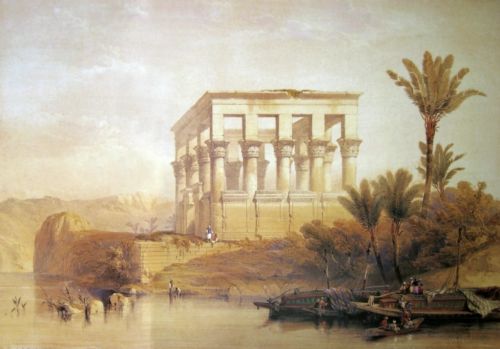
A sepia architectural print captures buildings, colleges, and grand structures through monochrome ink, watercolour, and etching techniques. These works range from intricate 18th-century compositions to Victorian and Edwardian depictions of colleges, cathedrals, and palaces.
Most pieces on this page arrive already framed in wood, oak, or giltwood, preserving their original character. They often feature skilled hand-drawn or printed details that document structural design across different periods.
How they were made
Makers utilised ink and watercolour on paper, sometimes adding gold leaf for subtle highlight effects. Etching, engraving, and lithography served as the primary methods for transferring fine architectural lines onto the sheet.
Framing typically involved solid wood, oak, or giltwood surrounds that protected the delicate paper beneath glass. Original frames from Victorian and Edwardian workshops frequently accompany the artwork.
Sepia Architectural Print Retail Price Guide 2026
Typical asking prices for sepia architectural print among the pieces listed under this phrase on Sellingantiques today, from the lower quarter to the upper quarter. They describe what is for sale here now, not the wider market.
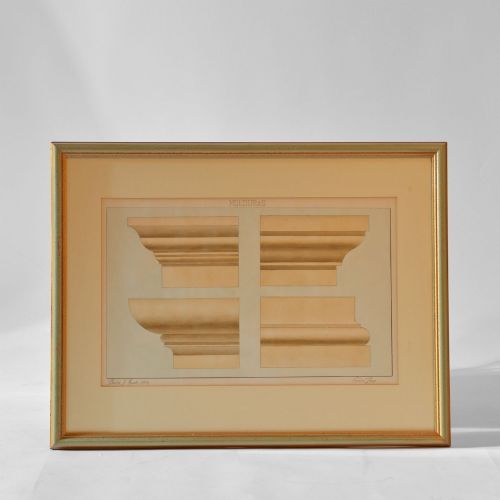
One detailed architectural drawing records the precise handiwork of a seventeen-year-old student named H.H. Wyatt at the South Kensington School.
What varies in quality
The precision of the draughtsmanship and the clarity of the ink lines distinguish the finer examples from simpler works. Pieces executed by named artists or students from specific institutions often display superior tonal depth.
The preservation of the paper and the integrity of the original frame heavily influence the overall standard of each piece. Intact glass and well-maintained wood surrounds preserve the integrity of the print over time.
Sir William Nicholson·David Roberts·Anton Ignaz Melling·R.P. Phillimore·Edgar J. Maybery
The Sepia Architectural Print Glossary
- Sepia
- A brownish pigment derived from the ink sac of the cuttlefish, widely used for monochrome prints and drawings. It gives historic architectural works their characteristic warm, aged tone.
- Etching
- A printmaking process where acid bites lines into a metal plate to hold ink. This technique allows for exceptional fine-line detail in architectural subjects.
- Lithography
- A planographic printing method based on the repulsion of oil and water. It became a primary medium for reproducing detailed drawings of colleges and cityscapes in the nineteenth century.
- Giltwood
- Wood that has been coated with a thin layer of gold leaf or gold paint. Frames of this material frequently accompany Victorian and Edwardian prints.
- Monochrome
- Artwork executed in a single colour or shades of one colour, such as sepia or black ink. This style emphasises form, shadow, and architectural line work over pigment.
Sepia Architectural Print: Frequently Asked Questions
How do I date a sepia architectural print?
Examine the paper quality, the style of the script in any signatures, and the characteristics of the framing materials. Stylistic clues within the depicted building or the artist's recorded working dates also establish the period.
Paper from earlier centuries often exhibits distinct watermarks and texture compared to twentieth-century stock. Original frames can also provide a reliable indicator of the era in which the piece was mounted.
Where should I hang these prints?
These works suit studies, libraries, hallways, and living rooms where traditional decor benefits from historic subject matter. Their neutral monochrome tones allow them to sit comfortably alongside various wall colours.
Keep them away from direct sunlight to prevent the sepia ink and paper from fading over time. Proper placement behind glass ensures the delicate medium remains protected from environmental moisture.
What is the difference between an etching and a lithograph?
An etching relies on incised lines on a metal plate that hold ink to create sharp, precise details. Lithography uses a flat stone or metal surface where ink adheres to drawn areas, producing softer tonal gradations.
Both techniques were common in architectural reproduction but leave distinct microscopic traces under magnification. Etchings often show a distinct plate mark in the paper surrounding the image.
Are these pieces originals or reproductions?
The selection includes original hand-drawn architectural sketches alongside period prints and published lithographs. Each listing specifies the exact medium, whether an ink drawing, a drypoint etching, or a published print.
Signed works by known artists represent direct original output rather than modern commercial reproductions. Checking the material details in the description clarifies the exact nature of the item.