

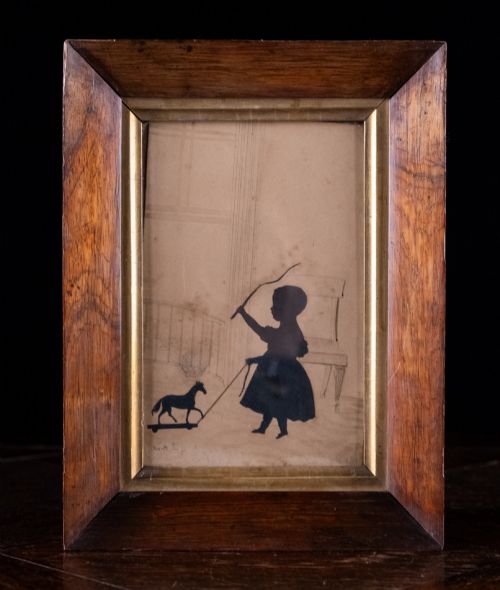
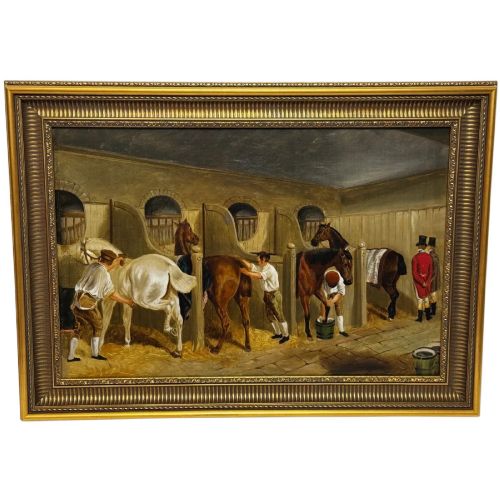
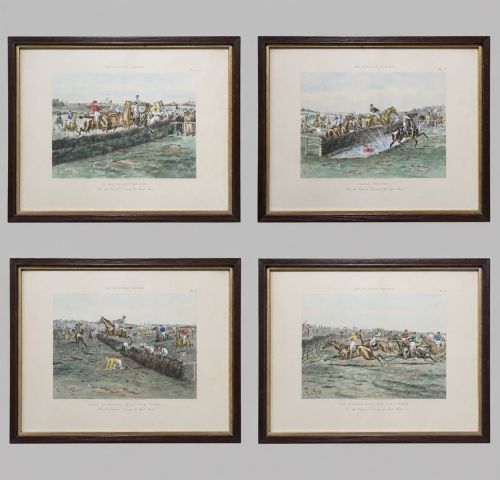
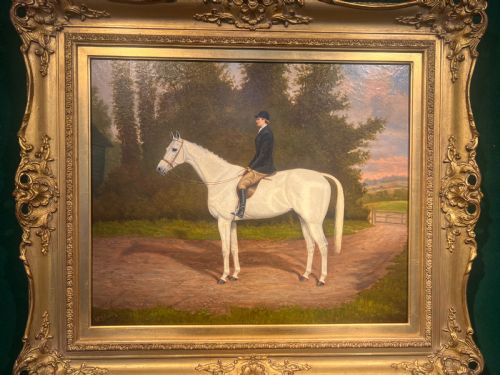

Framed Horse Picture
A framed horse picture brings the rich tradition of equine art into your interior, combining spirited subject matter with period craftsmanship.
Framed Horse Picture
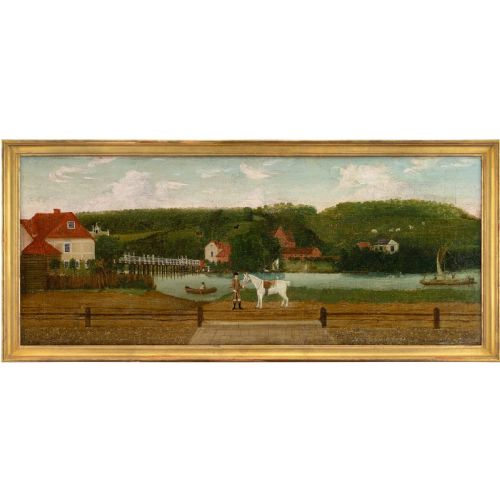
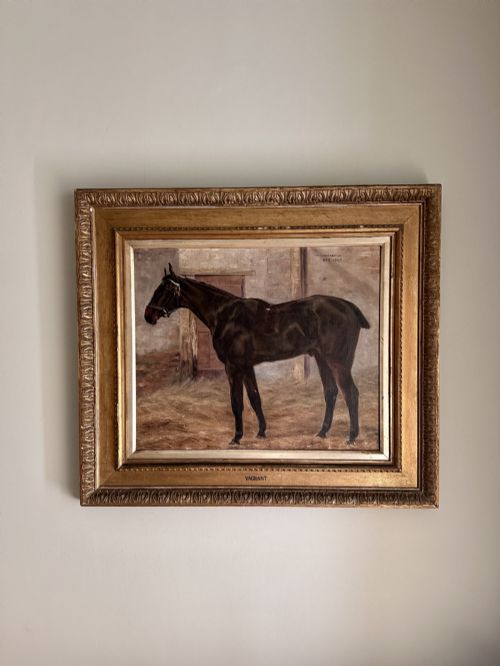
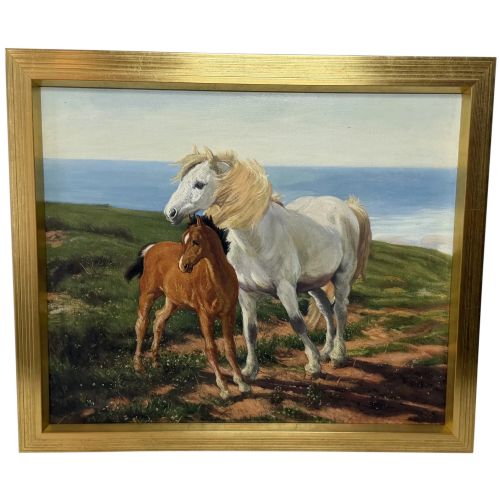
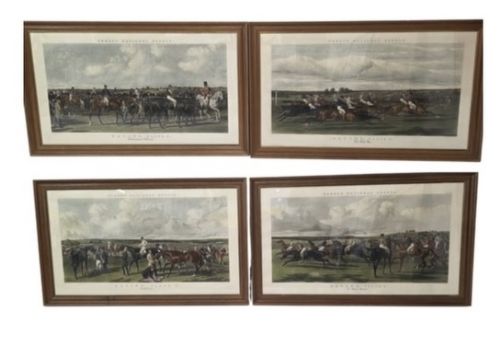
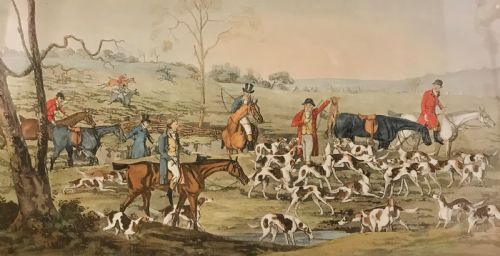
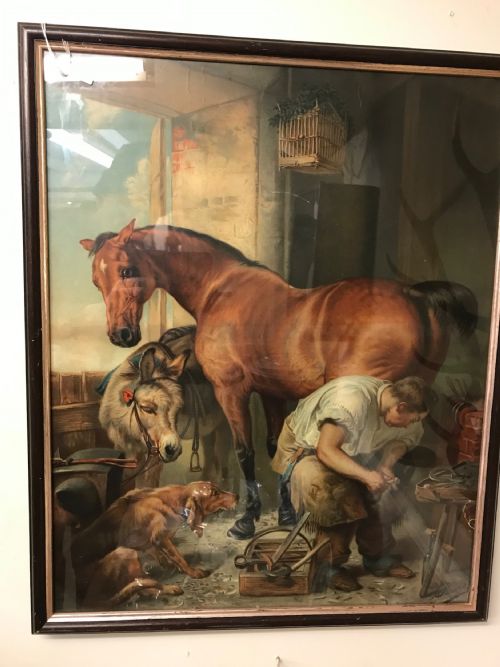
A framed horse picture captures the deep-rooted cultural fascination with equines, spanning centuries of artistic interpretation from oil paintings to detailed prints. These works portray everything from gentle farm horses and prized racehorses to energetic hunting scenes and intimate stable portraits.
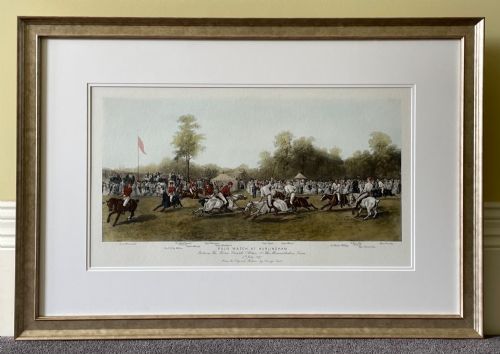
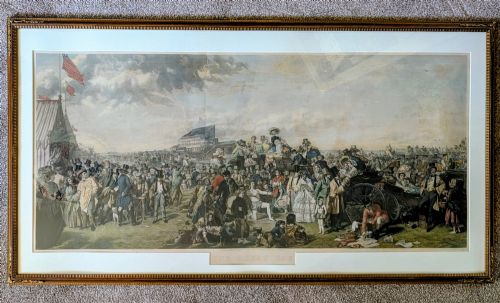
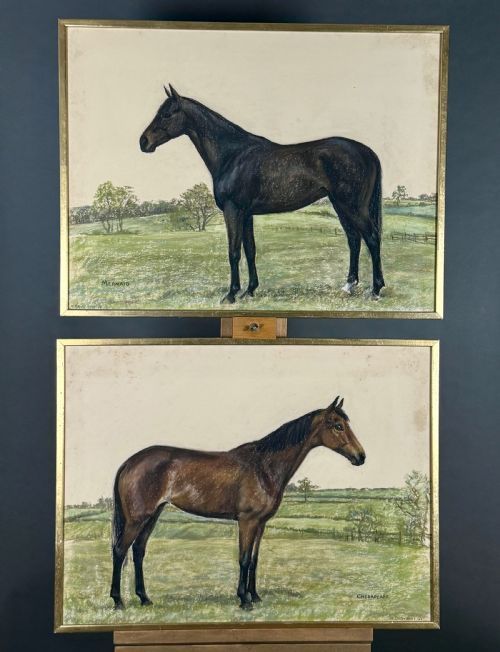
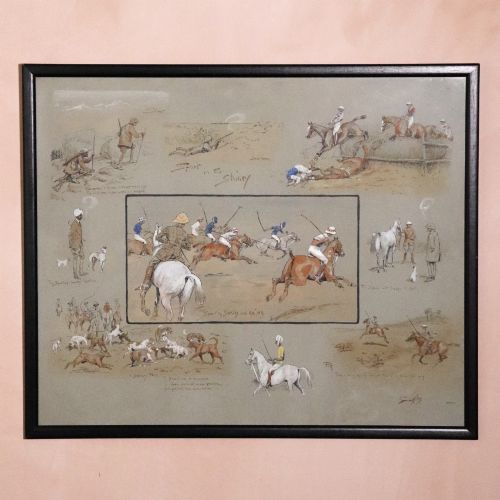
Buyers browsing this selection will encounter a diverse array of mediums, with nineteenth-century oil paintings and mid-century pastels appearing most frequently alongside vintage prints and lithographs. Whether depicting a solitary bay mare or an action-packed polo match, these framed artworks offer a window into historical relationships between humans and horses.
The physical presentation ranges from robust nineteenth-century wood and gilt frames to simpler walnut borders enclosing works from later periods. Each piece reflects the aesthetic preferences of its era, anchoring the equine subject firmly within a distinct historical context.
Materials and construction methods
The physical construction relies heavily on traditional supports such as canvas, paper, and wood panels, upon which artists applied oil paints, watercolours, pastels, or printing inks. Oils on canvas deliver rich texture and depth, whereas watercolours and pastels on paper offer a more delicate execution.
Surviving examples depend on substantial wooden framing, often finished in gilt wood or polished walnut, which serves to protect the fragile paper or canvas within. Glazing is frequently present on works executed on paper, safeguarding delicate watercolours and lithographs from environmental damage over the decades.
Several Victorian studies manage to capture horses looking remarkably more judgemental than their human riders.
Factors determining quality
Quality rests significantly on the anatomical precision of the horse and the handling of light and movement by the artist. Master works capture the muscular tension and distinct personality of the animal with economy and confidence.
The integrity of the original frame and the preservation of the surface medium also dictate the standing of a piece. Works retaining their period mounts and untouched paint layers command greater regard among collectors.
Augustin Edouart·Fred Fitzpatrick·John Ferneley Senior·John Rattenbury Skeaping·Basil Nightingale
The Framed Horse Picture Glossary
- Lithograph
- A printmaking process based on the antipathy of oil and water, allowing an artist to draw on a limestone slab to produce multiple impressions. This technique gained widespread popularity in the nineteenth century for reproducing popular sporting imagery.
- Giltwood
- Wood that has been coated with a thin layer of gold leaf or gilt powder, commonly utilised for decorative picture frames during the Victorian period and earlier eras. It provides a bright, reflective border that enhances the artwork within.
- Equine
- Pertaining to horses, used frequently to describe art subjects focusing specifically on horses in portraits, racing, or agricultural labour. The term unites diverse genres from formal sporting art to casual pastoral sketches.
- Eglomise
- A decorative technique involving the application of gold or silver leaf to the reverse side of glass, often combined with painted details. It creates a mirrored, luminous effect seen on specific decorative panels and picture surrounds.
- Aquatint
- A variant of etching that achieves tonal areas of grey and shadow rather than simple lines, frequently employed in antique sporting prints. This method allowed publishers to translate subtle watercolour washes into reproducible print formats.
Framed Horse Picture: Frequently Asked Questions
How do I date a horse painting?
Dating relies on examining the costume of any human figures, the style of the horse's tack, and the construction methods of the frame. Pigments and paper types also offer vital clues to the era of creation.
Signatures, artist dates, and exhibition labels on the reverse provide definitive markers. Comparing the handling of the subject to known works helps narrow the period further.
Where should I hang equine art?
These works suit studies, living rooms, and hallways where traditional decor complements the subject matter. Placing them away from direct sunlight protects vulnerable watercolours and oil pigments from fading.
Ensuring stable room humidity prevents the wooden frames and canvas supports from warping over time. Positioning the picture at eye level allows the viewer to appreciate the fine details of the animal's form.
What is Victorian sporting art?
Victorian sporting art encompasses paintings and prints celebrating field sports, horse racing, and equestrian portraits characteristic of the nineteenth century. Artists sought to capture the dynamic action of hunts and the proud stance of prize-winning animals.
This genre reflects the cultural prominence of horses in transport, leisure, and agriculture during the period. Such works often carry rich narratives involving specific estates, jockeys, or notable hounds.
How do I care for antique paper prints?
Antique prints on paper require protection from moisture and direct UV light to prevent yellowing and fading. Keeping them behind appropriate glazing stops atmospheric pollutants from degrading the fragile fibres.
Avoid hanging them on damp exterior walls where condensation might encourage mould growth. Professional framing with acid-free backing boards preserves the longevity of the paper.