




Engraved Equestrian Artwork
Engraved equestrian artwork brings centuries of horsemanship, racing, and portraiture onto paper, framed in wood and gilt for the wall.
Engraved Equestrian Artwork
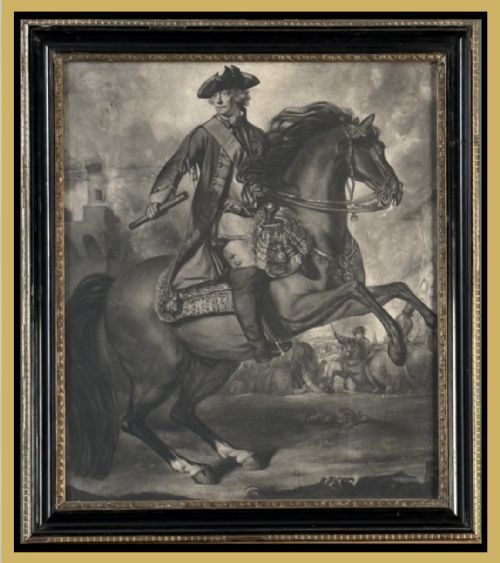
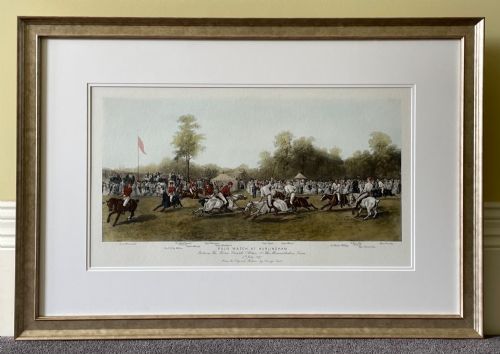
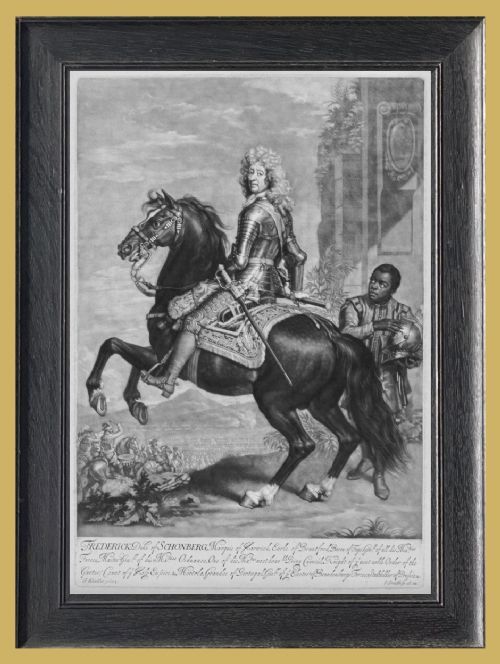
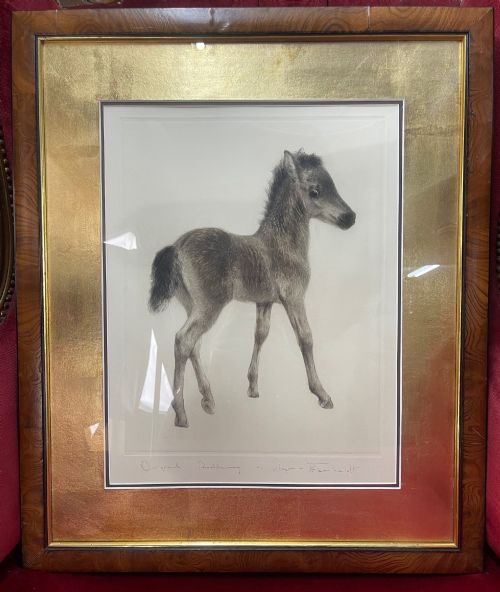
Engraved equestrian artwork spans framed prints, wall art, and framed art prints capturing horses, riders, and sporting scenes. These pieces draw from centuries of techniques including mezzotint, aquatint, drypoint, and lithography across periods such as the Georgian, Victorian, and seventeenth, eighteenth, and nineteenth centuries.
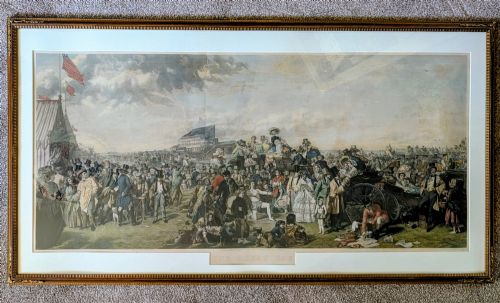
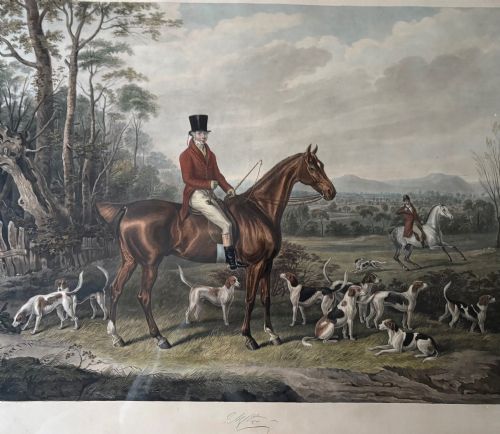
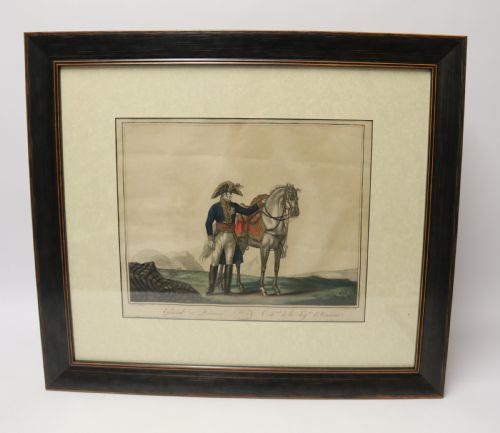
The version most commonly met on this page is the nineteenth century print or engraving, alongside eighteenth century plates and nineteenth century sporting art. Subjects range from individual racehorses like Creeping Molly to polo matches, hunts, and military scenes.
Framed examples utilise glass to protect paper works, paired with wood or gilded wood frames. Some listings combine prints with wax seals, signet rings, or books relating to historical figures.
Materials and Techniques
These works rely on paper as the primary support for ink, mezzotint, aquatint, drypoint, and lithograph techniques. Printers applied ink to engraved metal plates or stones, sometimes adding hand colouring in watercolour to enhance the finished print.
Framing materials include wood, gilt, and gold leaf, frequently finished with glass to shield the delicate paper and ink from environmental damage. Many items are mounted as framed art, retaining their period frames.
Object types include framed prints, aquatints, mezzotints, drypoints, and hand coloured engravings of sporting scenes.
Assessing Quality and Execution
Quality rests in the crispness of the plate impression and the depth of the ink or mezzotint work. Earlier impressions from the seventeenth and eighteenth centuries show greater definition in the lines before the metal plates wore down.
The skill of the original artist and engraver, such as works after Sir Joshua Reynolds or Sir Godfrey Kneller, elevates the piece. The presence of period hand colouring and original framing materials also distinguishes finer examples.
Edward Fisher·John Smith·Kurt Meyer-Eberhardt·W Ward
The Engraved Equestrian Artwork Glossary
- Mezzotint
- A printmaking process where the copper plate is roughened to produce dark tones and scraped to create light areas. This technique allows for rich, velvety gradations of shadow.
- Aquatint
- An intaglio printmaking technique that produces tonal effects by using acid to etch the copper plate. It creates areas resembling watercolour washes.
- Drypoint
- A printmaking method where an image is scratched directly into a metal plate with a sharp needle. This produces characteristic soft, burred lines.
- Lithograph
- A planographic printing process based on the repulsion of oil and water on a stone or metal plate. It enables smooth tonal variations and fine detail.
- Gilt
- Covered thinly with gold leaf or gold paint. This finish commonly appears on period wooden frames.
Engraved Equestrian Artwork: Frequently Asked Questions
How do I date an engraved equestrian artwork?
Dating relies on the paper type, printing technique, and stylistic markers of the period. Evidence often points to specific centuries such as the eighteenth or nineteenth.
Publishing details, engraver signatures, and framing methods further help establish the exact era of production.
What is the difference between a mezzotint and an aquatint?
A mezzotint uses a roughened plate to create rich, dark tones and smooth tonal gradations. It is worked from dark to light.
An aquatint uses acid-etched resin on the plate to produce soft, tonal areas that closely resemble watercolour washes.
Are these works original prints?
Yes, many are original prints produced from hand-carved copper plates, steel plates, or lithographic stones during their respective periods. Master engravers worked alongside painters to transfer famous canvases into print.
Later impressions and reproductions can sometimes be distinguished by softer lines and modern paper stocks.
How should I frame and display antique prints?
Antique prints require protection from direct sunlight and high humidity to prevent the paper from fading and foxing. Acid-free mounts keep the paper away from the glazing.
Displaying them behind glass in their original wood or gilt frames preserves both their visual appeal and historical integrity.