



Sepia Equestrian Print
A sepia equestrian print brings the atmosphere of the racetrack and the hunting field into a room through monochrome tones.
Sepia Equestrian Print
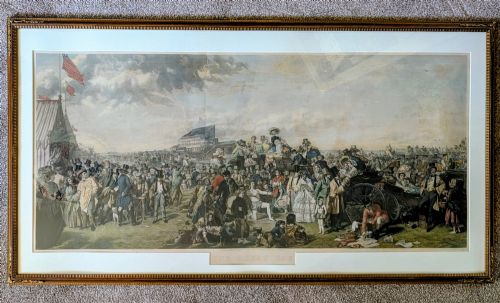
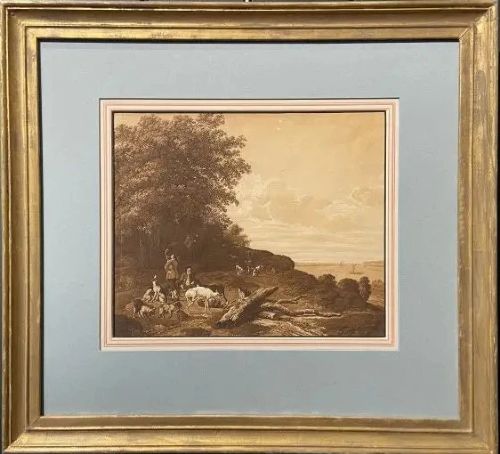
These works focus on horses, riders, and sporting scenes rendered in monochromatic brown tones, spanning periods from the seventeenth century through to the mid-twentieth century. A buyer searching for a sepia equestrian print will encounter framed engravings, lithographs, photographs, and drawings depicting racehorses, huntsmen, and sporting meets.
The selection ranges from eighteenth-century racehorse portraits and nineteenth-century hunting engravings to early twentieth-century photographic prints. Framed examples often utilise glass and wood or gilded wood mounts, preserving works that capture British sporting art and Victorian equestrian traditions.
Materials and construction
The works utilise paper as the primary support for ink, pen and ink, watercolour, and photographic processes. Printmakers and artists employed engraving and photographic techniques to capture fine details of horses and riders.
Framing materials include wood, gilded wood, and gold leaf behind glass, protecting delicate paper and ink surfaces from environmental damage over the centuries.
Sepia Equestrian Print Retail Price Guide 2026
Typical asking prices for sepia equestrian print among the pieces listed under this phrase on Sellingantiques today, from the lower quarter to the upper quarter. They describe what is for sale here now, not the wider market.
Judging quality
Quality rests upon the crispness of the line in engravings and the depth of tone in ink and photographic works. Strong definition in the musculature of the horse and the expressions of the riders distinguishes superior examples.
The integration of period frames, particularly those utilising gold leaf or bespoke wooden moulding, adds to the coherence and preservation of the piece.
William Powell Frith·Johannes Lingelbach·Snaffles
The Sepia Equestrian Print Glossary
- Engraving
- A printmaking process where an artist cuts an image into a metal plate with a burin. This technique produces sharp, precise lines that define the subject.
- Lithography
- A planographic printing method based on the repulsion of oil and water. It allows for tonal gradations suitable for reproducing drawings and paintings.
- Gilded wood
- Timber treated with a thin layer of gold leaf or gold paint. This finish provides an ornate border for traditional framed artwork.
- Watercolour
- Paint using water-soluble pigments that produce transparent washes. It appears alongside ink in mixed media works on paper.
Sepia Equestrian Print: Frequently Asked Questions
How should I hang a sepia equestrian print?
Keep these works away from direct sunlight to prevent the paper and brown inks from fading.
Use sturdy wall fixings suited to the weight of the wood and glass frames.
What periods do these prints cover?
The selection includes pieces from the seventeenth century, the Georgian era, and the Victorian period.
Later examples extend into the nineteen-thirties and nineteen-forties.
Are these prints original works?
The category encompasses original pen and ink drawings, vintage photographs, and period engravings.
Some pieces represent historical subjects reproduced in print during later centuries.
What subjects feature in these works?
Common subjects include famous racehorses, huntsmen on horseback, and equestrian portraits.
Battle scenes and sporting gatherings also appear across the nineteenth-century pieces.