



Equestrian Study Artwork
Equestrian study artwork captures the power and movement of horses through centuries of skilled observation, offering collectors a direct link to equine history.
Equestrian Study Artwork
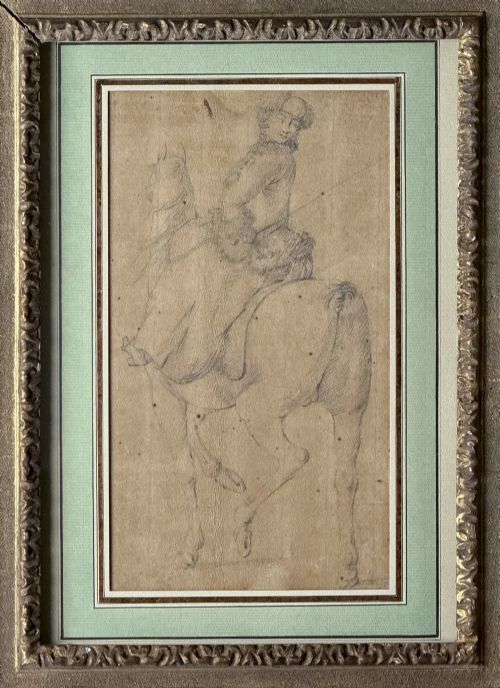
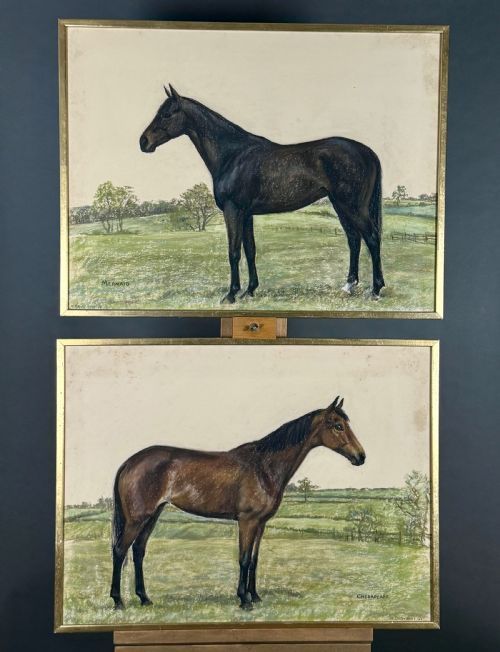
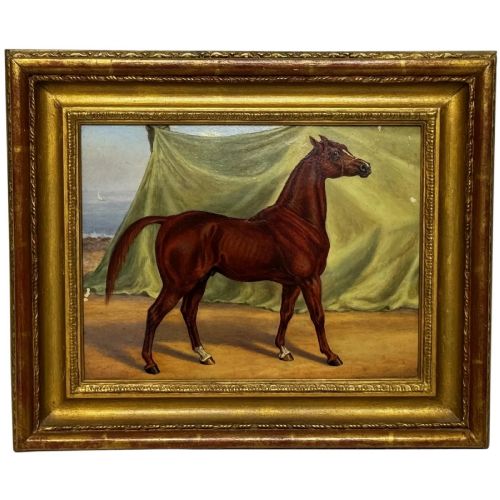
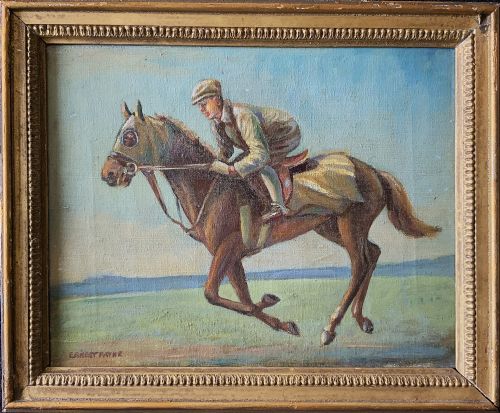
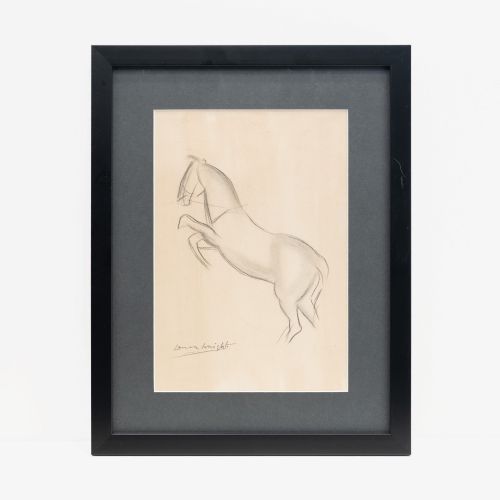
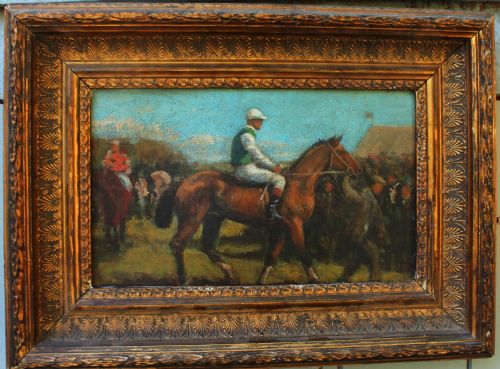
When you search for equestrian study artwork, you encounter a diverse range of depictions capturing horses across multiple periods from the eighteenth century through to the mid twentieth century. These works vary from detailed sketches to finished paintings, recording horses in stables, at the races, and in pastoral settings.
You are most likely to meet Victorian and nineteenth century examples on this page, alongside twentieth century modernist interpretations and early eighteenth century northern European drawings. Forms range from framed oil paintings and watercolours to pastels and pencil sketches on paper.
The subjects span purebred arabian horses, racehorses with jockeys, battle scenes, and formal portraits of horses and grooms. Each piece offers a distinct perspective on how artists across different eras rendered the form and spirit of the horse.
How they were made
Artists utilised traditional drawing and painting materials, working with graphite, ink, pastel, and watercolour on paper to capture quick observations and detailed studies. These works often served as preparatory pieces for larger compositions or stood alone as finished depictions.
Oil paint on canvas was applied to create richer, more textured portraits and scenes, such as race paddock studies and society paintings. Framed drawings and engravings also feature prominently, utilising glass and wood to protect the delicate paper surfaces.
A solitary bronze nostril from a larger horse statue occasionally reminds collectors that equestrian art sometimes survives in surprisingly fragmented pieces.
What varies in quality
The strength of the draughtsmanship and the artist's ability to render the anatomy and kinetic energy of the horse define the upper tier of these works. Superior pieces demonstrate a confident handling of medium, whether through the deft strokes of a pencil study or the rich layering of an oil painting.
Provenance and attribution also influence standing, with works linked to documented schools or notable practitioners commanding greater interest. The condition of the paper or canvas, alongside appropriate period framing, further distinguishes the finer examples.
Ernest Payne·Dame Laura Knight·Alfred Munnings·Johan Noah Bemmel
The Equestrian Study Artwork Glossary
- Watercolour
- A painting method where fine pigment is suspended in water-based solution, typically applied to paper to achieve translucent effects. This medium allowed artists to work rapidly when capturing live animals.
- Pastel
- A dry drawing medium consisting of powdered pigment and a binder, frequently used on paper for rich colour blending. Pastels require protective glass framing to prevent smudging.
- Engraving
- A printmaking technique where an image is incised into a metal plate, which then holds ink for transfer to paper. Antique engravings offer crisp linear detail in monochrome.
- Equestrian Realism
- An artistic style focused on the precise and lifelike depiction of horses and horsemanship. This approach prioritises accurate anatomical study over idealized forms.
- Provenance
- The documented history of ownership of an artwork, tracing its origin and passage through time. Clear provenance supports the attribution of older pieces.
Equestrian Study Artwork: Frequently Asked Questions
What is equestrian study artwork?
These works are artistic depictions focusing specifically on horses, ranging from quick anatomical sketches to finished oil paintings.
They capture horses in various settings, including stables, racecourses, and historic battle scenes.
How were these artworks created?
Artists employed a variety of mediums including graphite, ink, watercolour, pastel, and oil paint on paper or canvas.
Many works function as direct studies made from life to understand horse anatomy and movement.
How should I display them?
Works on paper, such as watercolours and pastels, require conservation framing with glass to protect the delicate surfaces from light and moisture damage.
Oil paintings on canvas can be hung directly in stable indoor environments away from direct sunlight.
How do I tell periods apart?
Earlier eighteenth century pieces often feature classical northern European drawing techniques and muted ink or wash palettes.
Victorian and later twentieth century works show shifts toward brighter watercolours, pastels, and modernist brushwork.