
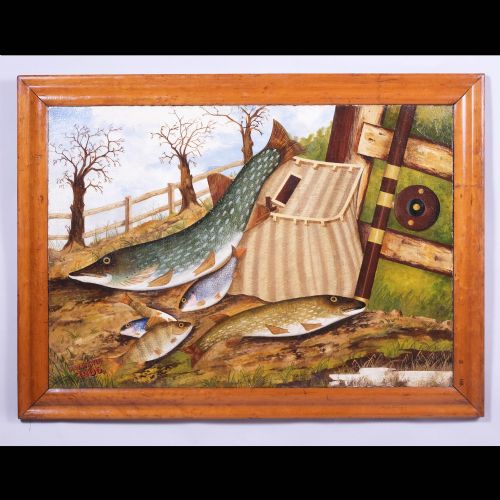
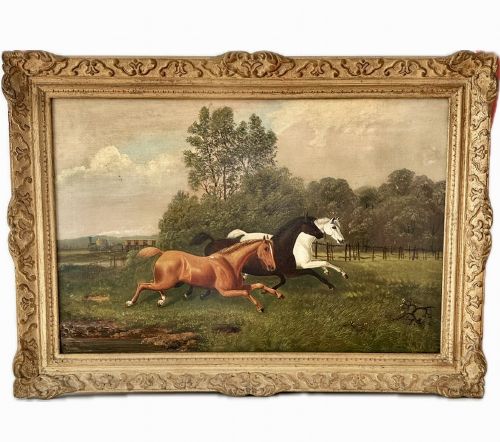
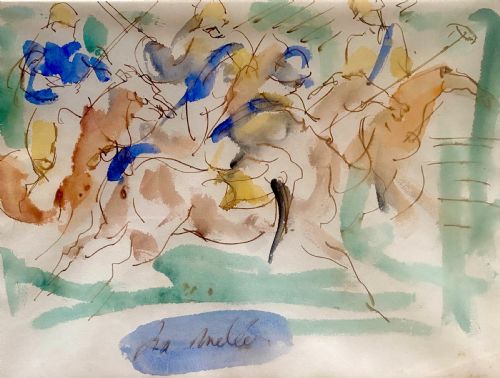
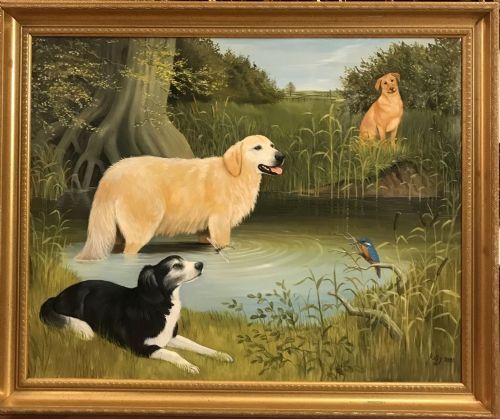


Green Sporting Artwork
Green sporting artwork captures pursuits from the field and turf through paintings, prints and watercolours.
Materials and technique
Artists utilised oil paint on canvas to build rich textures and deep tones for major landscape and animal compositions. Watercolours and inks on paper provide lighter, fluid studies often employed for rapid sketches and detailed field studies. Printmakers used lithography and engraving techniques to produce multiple impressions of popular sporting scenes for domestic interiors.
Traditional framing typically involved wood surrounds, protecting fragile paper surfaces beneath glass where specified. Canvases received stretcher frames to maintain tension across landscape compositions. Pigments applied by hand capture natural hues within rural backgrounds and sporting attire.
Standards of execution
Anatomical precision in figures and animals distinguishes superior works from simpler decorative prints. Master painters render horse movement, hound posture and human form with accurate proportions and observed detail. Weaker pieces rely on generic outlines and repetitive background foliage.
Depth of colour and handling of light elevate individual canvases and watercolours above standard commercial production. Skilled brushwork brings vitality to landscape elements and weather effects within the composition. The reputation of the recorded artist and clarity of original signatures further define the standing of each piece.
Materials span canvas, paper, wood, glass, oil paint, ink, and watercolour.
Edward Priestley·Philip Henry Rideout·George Armfield·Colin Graeme Roe·Clifton Tomson·Harry Davis·Charles Clifford Turner·John Atkinson·Robert Cleminson·H. Alken·Snaffles·William Albert Clark·Sonia Mervyn·Samuel John Egbert Jones·Dion Pears·John Parker Davis·Dean Wolstenholme·Benjamin Marshall
The Green Sporting Artwork Glossary
- Lithography
- A planographic printing method using a stone or metal plate to produce multiple colour or monochrome impressions. This technique allowed publishers to distribute popular sporting prints widely.
- Watercolour
- A paint medium consisting of water-soluble pigments applied to paper supports. It creates transparent washes often combined with ink line work.
- Equestrian
- Pertaining to horses, horse riding and horse racing subjects. These artworks frequently detail hunting scenes, steeplechases and portraiture of specific mounts.
- Canvas
- A heavy woven fabric stretched across a wooden frame to serve as a support for oil paintings. It provides a durable, textured surface for layered pigment.
- Framed
- Enclosed within a decorative or protective border of wood or moulding, frequently featuring glass for works on paper. This presentation secures the artwork for wall display.
Green Sporting Artwork: Frequently Asked Questions
What subjects appear in green sporting artwork?
These pieces depict hunting scenes, horse racing, fishing, and working dogs in rural landscapes. Artists recorded specific pursuits such as fox hunting, steeplechases, and angling.
Compositions range from intimate animal portraits to large landscape scenes featuring horses, hounds, and sportsmen.
How were these artworks originally displayed?
Most oil paintings and watercolours were framed in wood for domestic display in country houses and rural residences. Prints were similarly mounted behind glass to protect paper surfaces from moisture and light.
Owners typically hung them in hallways, studies, and reception rooms to reflect personal sporting interests.
How can I identify the period of a piece?
Stylistic clues, framing methods, and artist signatures help determine the era of production. Victorian and Edwardian works often feature specific clothing styles, canine breeds, and printing techniques.
Comparing the subject matter with known active dates of recorded artists provides a reliable guide.
What is the difference between an original painting and a print?
Original paintings feature unique brushwork, visible pigment layers, and direct application of oil or watercolour by the artist's hand. Prints are mechanical reproductions or lithographic impressions created in multiples from a master plate.
Closer inspection reveals the textured surface of canvas versus the flat ink application of a print.