
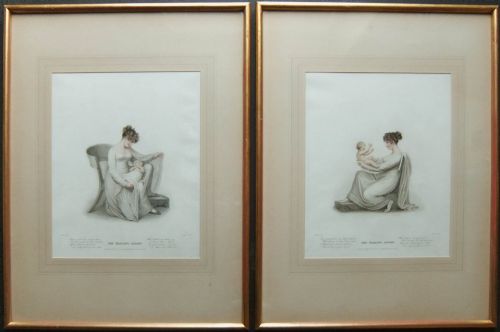


19th Century Aquatint
These 19th century aquatint prints capture maritime scenes, military regiments, and sporting life through rich tonal engraving.
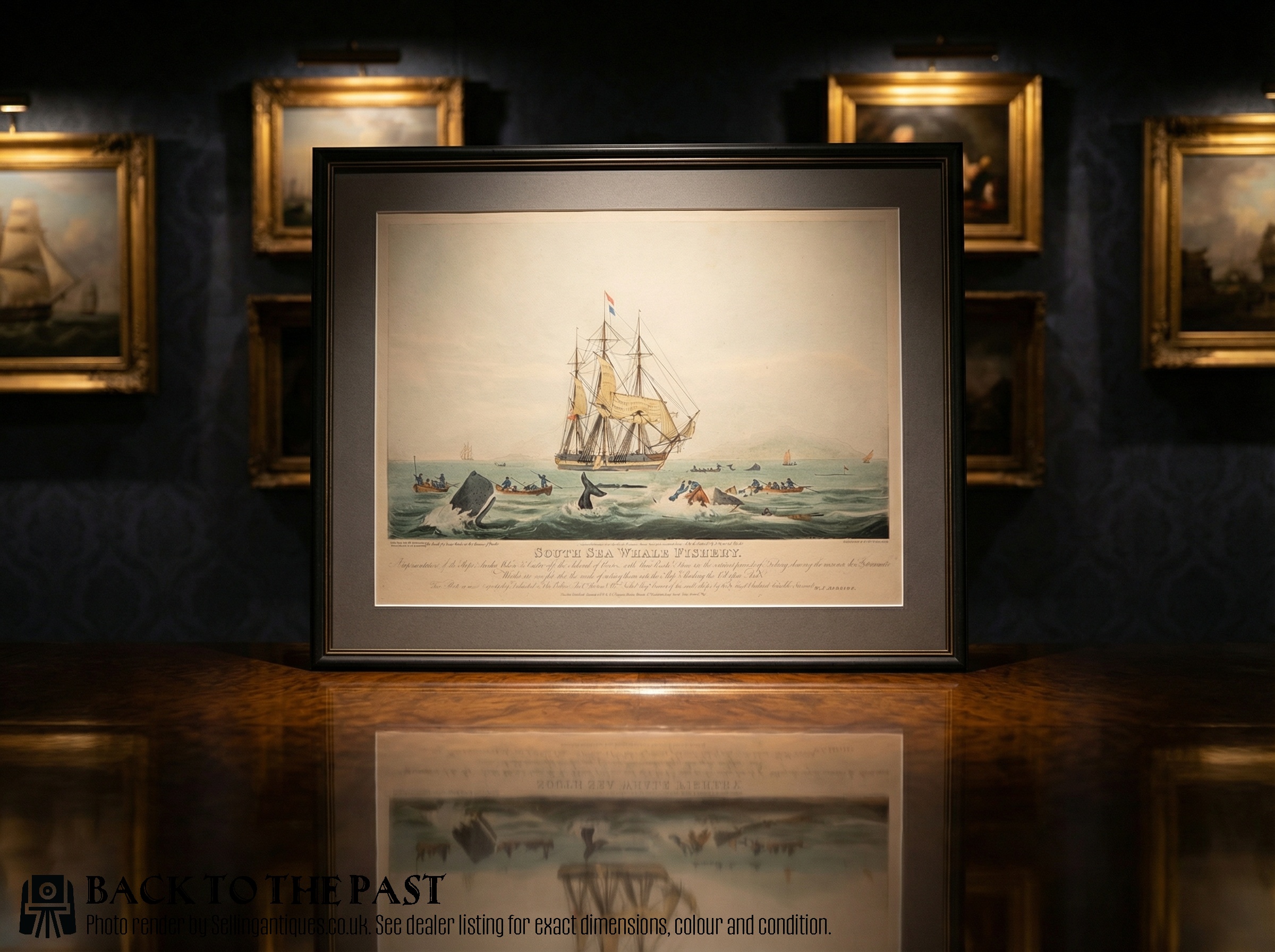
19th Century Aquatint
When you search for 19th century aquatint, you encounter works spanning the Georgian, Regency, and Victorian periods. These pieces include maritime subjects, military cavalry regiments, and equestrian scenes like hunting, racing, and cock fighting.
The version you are most likely to meet on this page is a framed wall art piece produced on paper. Many arrive in traditional timber frames, some with gilt wood or gold leaf accents, preserving the original print medium.
Subjects range from coastal views and whale fisheries to British Army cavalry units such as the 8th Royal Irish Hussars and 17th Lancers. Sets of four or six prints appear alongside individual framed plates.
Judging Quality
The clarity of the plate impression and the precision of the hand-colouring separate finer works from standard productions. Early impressions retain crisp tonal boundaries in the aquatint grain.
The preservation of the paper support and the vibrancy of the original watercolours influence the overall integrity of the piece. Complete sets maintained together in period frames hold particular interest.
Object types include wall art, framed prints, prints and engravings, and framed artwork.
Henry Alken·W J Huggins·Charles Hunt·Francis Calcroft Turner·Adam Buck
The 19th Century Aquatint Glossary
- Aquatint
- An intaglio printmaking technique that uses acid to etch resin-covered copper plates, producing areas of tone rather than simple lines. This method allowed prints to closely mimic wash drawings.
- Engraving
- A printmaking process where lines are cut directly into a metal plate with a burin. These sharp lines frequently form the structural framework beneath the aquatint tones.
- Hand-coloured
- The application of watercolour pigments by hand to a printed monochrome sheet. This practice was standard for sporting and military series in the nineteenth century.
- Gilt wood
- Wood coated with a thin layer of gold leaf or metallic powder. It appears on traditional frames housing nineteenth-century works.
19th Century Aquatint: Frequently Asked Questions
What is a 19th century aquatint?
An aquatint is a specialised etching method from the nineteenth century designed to produce tonal areas that resemble watercolours. Artists used these plates to publish detailed sporting, military, and maritime scenes.
Surviving examples on this page are typically mounted behind glass in timber or gilt frames ready for wall display.
How were these prints used?
Nineteenth-century households framed these prints for display in parlours, libraries, and country houses. Sporting sets and military regimental portraits recorded contemporary British culture and pastimes.
Many were published in series, allowing collectors to display matching sets of four or six related subjects together.
How do I care for framed aquatints?
Keep framed paper works away from direct sunlight to prevent the watercolour pigments and paper from fading over time. Maintain a stable indoor environment free from excessive dampness.
Avoid hanging prints in direct contact with exterior walls where temperature fluctuations can affect the paper and frame structure.
How can I tell periods apart?
Georgian and Regency works often feature subjects like coaching, early racing, and specific sporting events with distinct costume details. Victorian pieces encompass later military uniforms, maritime expeditions, and expanded domestic sporting series.
Frame styles and publication dates inscribed on the paper provide further evidence of the exact period of production.