


Framed Racehorse Picture
A framed racehorse picture brings the speed and tradition of the turf directly to your wall.
Framed Racehorse Picture
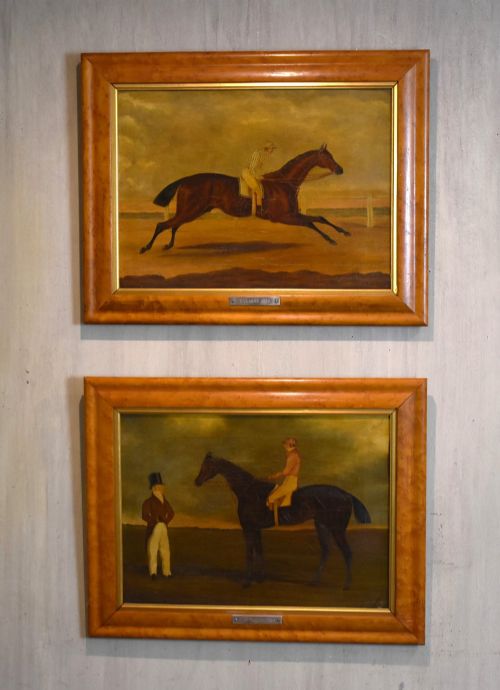
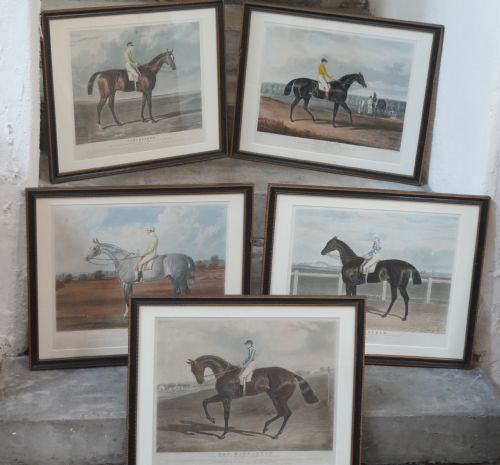
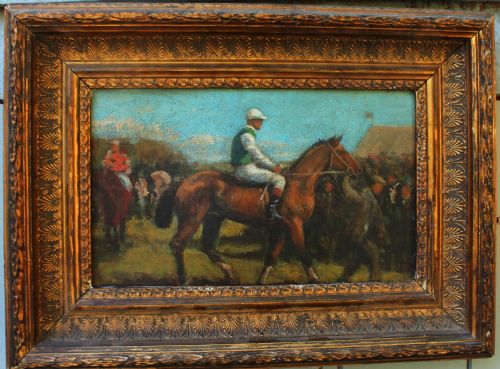
A framed racehorse picture captures the motion and power of thoroughbred racing through various artistic mediums. When searching for a framed racehorse picture, buyers encounter wall art ranging from Georgian engravings to mid-century pastels.
The selections on this page span several centuries, including Victorian sporting art, British impressionism, and 19th-century equestrian pieces. Prints, oils, and photographs dominate the available forms.
Materials and construction
Artists employed oil paint on canvas and pastel on coloured paper, alongside ink for detailed engravings and aquatints. Photographic prints also preserve notable subjects behind glass.
Frames utilise wood and gilt wood finishes, frequently paired with glass to protect paper and canvas works from environmental wear.
Listings feature works spanning the Georgian era through the 1960s, utilising oil paint, paper, glass, wood, and gilt.
Assessing quality and execution
Quality rests in the anatomical accuracy of the horse and the dynamic capture of motion, separating skilled renderings from stiff depictions. The handling of light by artists like Alfred Wheeler or Isaac Cullin dictates the visual depth.
The preservation of the original medium, whether oil paint or paper print, influences the clarity and impact of the composition.
John Frederick Herring Snr·Alfred Munnings·John Rattenbury Skeaping·Abraham Cooper·Alfred Wheeler·John Atkinson·Isaac Cullin
The Framed Racehorse Picture Glossary
- Aquatint
- A printmaking technique that produces tonal effects similar to watercolour washes. It allows for subtle gradations of shadow and light in historical sporting prints.
- Eglomise
- A process where cold painting and gilding are applied to the rear face of glass. This creates a mirrored, reflective finish common in decorative reproductions.
- Engraving
- A printmaking method where an image is incised into a metal plate with a cutting tool. The resulting lines hold ink to produce sharp, detailed impressions on paper.
- Pastel
- A dry medium made of powdered pigment and a binder, pressed into stick form. It provides rich, velvety colour and soft textures on paper.
Framed Racehorse Picture: Frequently Asked Questions
How do I hang a heavy framed oil painting?
Heavy framed oil paintings require secure wall anchors and picture wire rated well above the weight of the piece. Fastening directly into wall studs ensures long-term stability.
Position the centre of the picture at eye level to achieve the correct aesthetic balance in your room.
Where should I display equestrian art?
Equestrian art suits studies, living rooms, and hallways where traditional or eclectic interior styles prevail. Natural light highlights the details in oil paintings and framed prints without causing fading.
Keep pieces away from direct sunlight and damp environments to protect the canvas, paper, and wooden frames.
How do I care for glass-fronted prints?
Glass-fronted prints need gentle cleaning with a soft cloth and non-ammonia glass cleaner applied to the cloth rather than the glass. This prevents moisture from seeping under the frame edges.
Inspect the backing occasionally to ensure dust and insects remain outside the sealed framing.
How do I identify a Victorian sporting print?
Victorian sporting prints typically depict named racehorses with their jockeys, often noting the racecourse and date in the margin. The paper stock and printing techniques, such as early engravings and aquatints, reflect 19th-century production methods.
Stylistic conventions of the period focus heavily on the accurate conformation of the thoroughbred and the prestige of the racing event.