
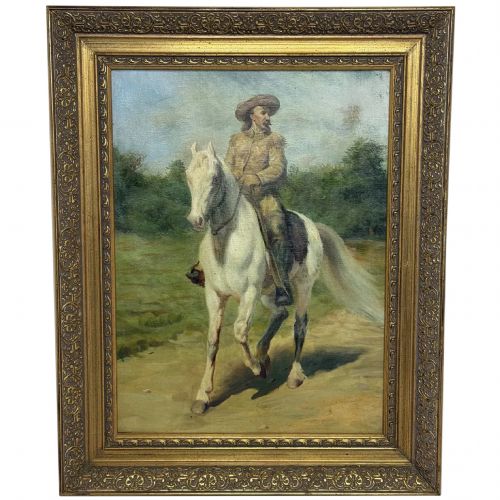


Mid Century Equestrian Art
Mid century equestrian art captures horses and racing through mid century painting and drawing, offering collectors dynamic scenes of sport and character.
Mid Century Equestrian Art
Mid century equestrian art encompasses paintings, drawings, and wall art focused on horses, racing, hunting, and riders. These works bridge traditional sporting subjects with modern artistic movements.
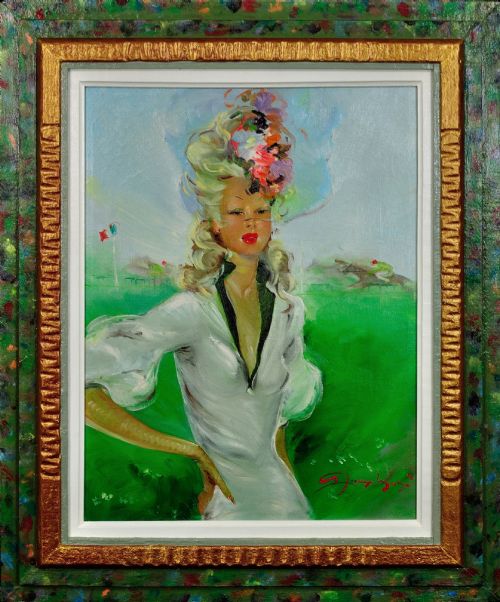
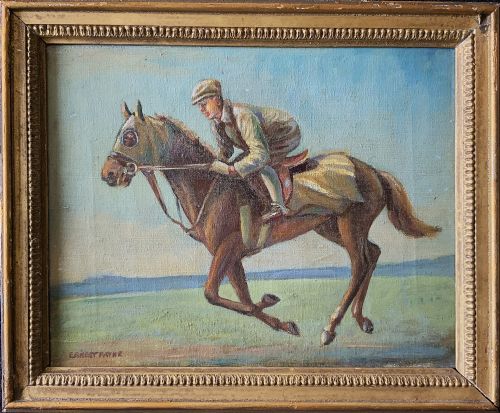
Buyers will encounter oil paintings, watercolours, and pastels dating primarily from the 1930s through the 1960s, alongside select earlier pieces from the nineteenth century. Common subjects include racehorses, showjumpers, polo ponies, and hounds.
The aesthetic ranges from British sporting art and equestrian realism to French expressionism and mid century modern interpretations. Framed artwork on canvas, paper, and board dominates the selection.
How these pieces were made
Artists working in this field applied oil paint, watercolour, gouache, pastel, or pencil onto canvas, paper, and board. Many works incorporate framing with gilt or wood surrounds to complement the canvas or drawing.
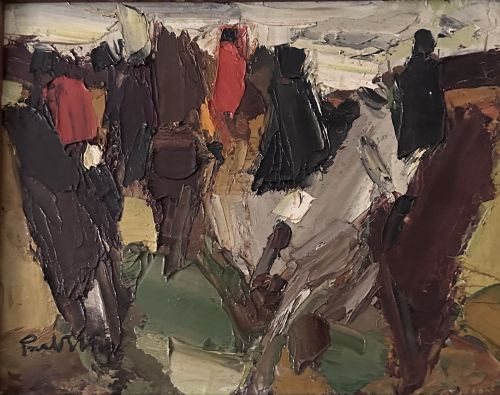
Techniques vary from detailed realist studies to dynamic expressionist brushwork and chalk sketching. Creators utilised both fluid watercolours and textured oils to capture the movement of horses and riders.
Even a sand picture makes an appearance, proving that mid century equestrian enthusiasts enjoyed texture as much as paint.
What varies in quality
Quality rests upon the artist's ability to render the anatomy and kinetic energy of the horse with conviction. Stronger pieces display confident handling of medium, whether through energetic oil strokes or precise pastel lines.
Provenance and signature elevate certain works, particularly those attributed to established sporting artists and painters of the period. The harmony between the subject matter, the chosen medium, and the original frame also defines the standing of a piece.
Ernest Payne·John Rattenbury Skeaping·Harry Freckleton·Hazel M Barnett·Gabriel Dauchot·Michael Lyne·Tom Carr·Molly Maurice Latham·Allan Gwynne Jones
The Mid Century Equestrian Art Glossary
- Oil on Canvas
- Pigment suspended in drying oil applied to stretched fabric. This medium allows for rich texture and depth in horse portraits.
- Gouache
- An opaque water-based paint that provides solid areas of colour. Artists used it alongside watercolour for vibrant racing scenes.
- Pastel
- A dry medium of powdered pigment rolled into sticks. It permits rapid, expressive marks well suited to capturing active horses.
- Sporting Art
- Depictions of hunting, racing, and equestrian pursuits. This genre has a long British tradition spanning multiple centuries.
- Expressionism
- An artistic style that distorts reality for emotional impact. French practitioners applied this approach to dynamic racecourse scenes.
Mid Century Equestrian Art: Frequently Asked Questions
What subjects appear in mid century equestrian art?
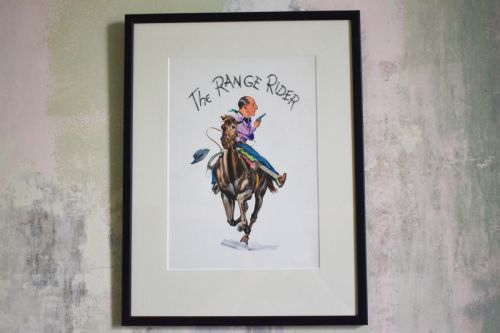
These works depict racehorses, showjumpers, foxhounds, and ponies in various settings. Scenes range from racetrack finishes to stable portraits and rodeo action.
Artists also portrayed notable riders and monarchs alongside their horses. The selection covers sporting events in Britain, France, and America.
How do I date a mid century painting?
Dating relies on signatures, inscriptions, artist lifespans, and stylistic markers of the period. Many works carry dates or exhibition labels on the reverse.
Mid-century modern and expressionist tendencies help distinguish 1950s and 1960s creations from nineteenth-century precursors.
Are these works usually framed?
Most listed pieces arrive in frames appropriate to their period, often including wood or gilt mouldings. Framing protects the canvas, paper, or board from environmental wear.
Original frames frequently contribute to the historical character of the artwork.
What materials were used by these artists?
Painters and illustrators worked with oil on canvas, oil on board, watercolour, gouache, and pastel. Supports include canvas, textured paper, and coloured paper.
Pencil and chalk also appear in preparatory drawings and character studies.
Where were these equestrian pieces created?
The selection reflects international production, with strong representations from British, French, and American artists. Subject matter often mirrors local sporting cultures, such as French racing tracks or British hunt meetings.
Regional styles emerge through the distinct handling of paint and line by each artist.