

Vintage Sporting Painting
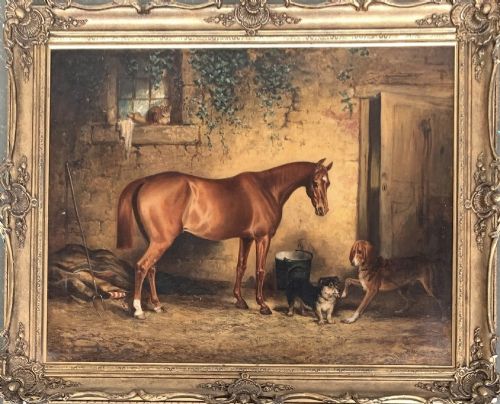
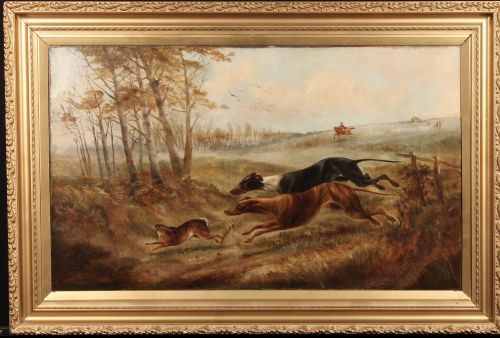
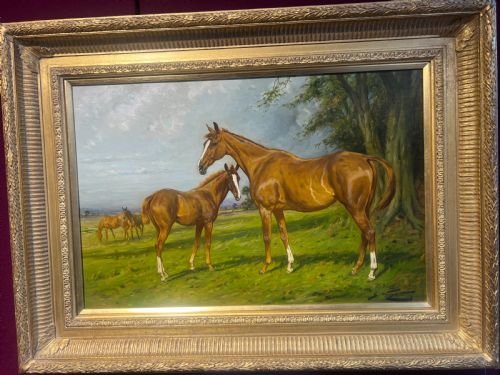
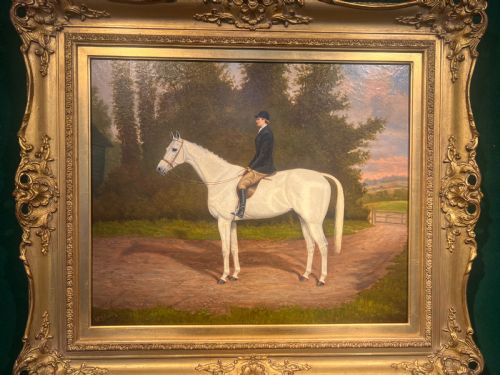
These vintage sporting painting works capture horses, hounds and field sports across canvas and paper.
Vintage Sporting Painting
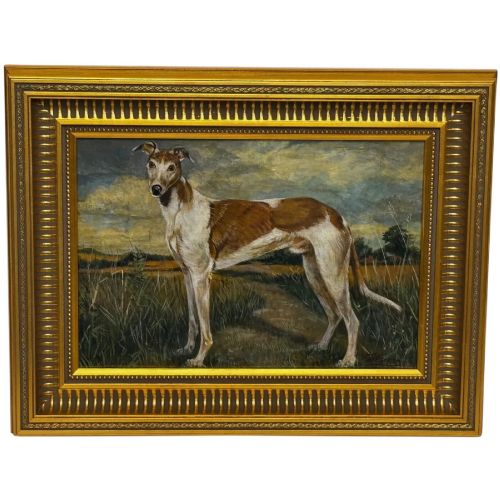
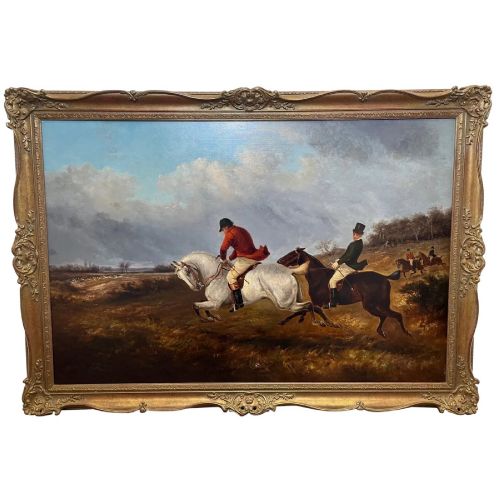
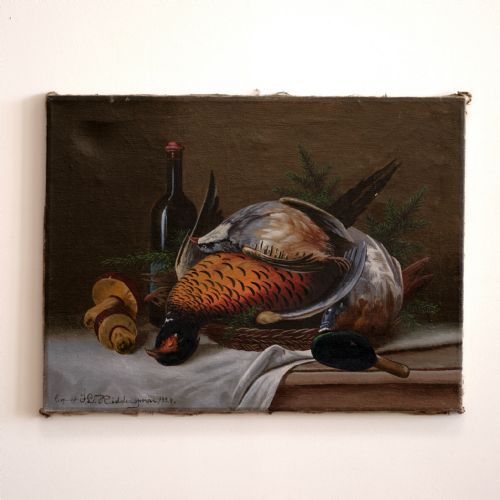
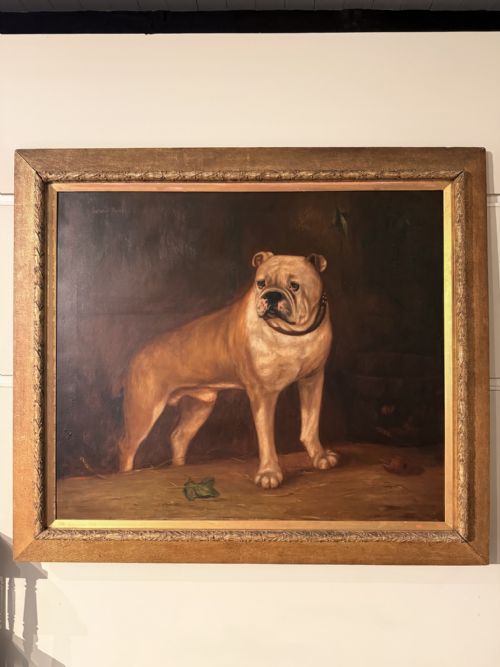
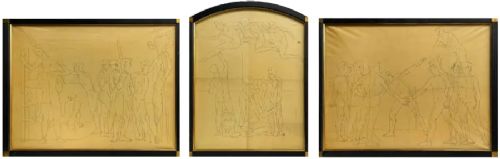
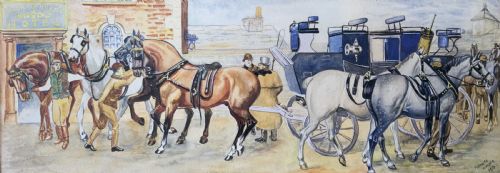
A vintage sporting painting records horses, dogs, hunting scenes, racing and field pursuits across canvas and paper. These works span the nineteenth century through the mid-twentieth century, encompassing Victorian, Edwardian and mid-century modern periods. The selection on this page centres on oil paintings and watercolours depicting animal portraits, hunt packs and coaching scenes.
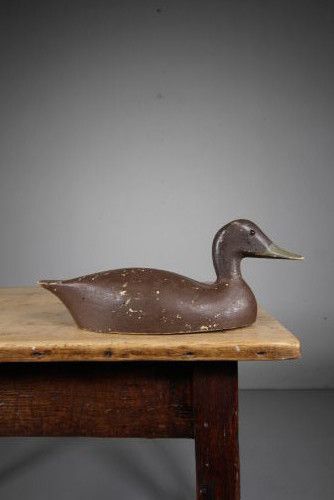
Buyers encounter oil paint on canvas, watercolours under glass and painted wooden decoys within these listings. Works range from intimate animal studies of dogs and horses to large equestrian portraits and multi-figure racing scenes. British sporting art traditions dominate the pieces available.
Materials and construction methods
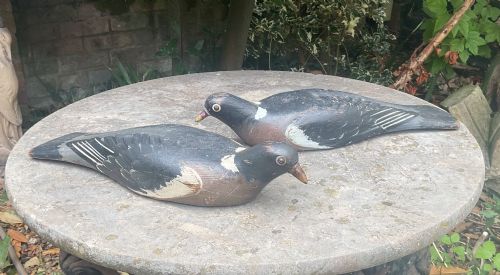
Artists painted primarily in oil on canvas or applied watercolour and gouache to paper, often framing the completed works in wood or giltwood. Some objects incorporate glass protection over delicate pastels and watercolours. Wooden elements also appear in carved and painted decoy ducks and pigeons.
Makers utilised traditional pigments, stretched canvas frames and period wooden mounts. The integration of ink, watercolour and oil paint reflects the varied techniques employed by artists documenting rural pursuits and equine subjects.
Several decoy pigeons and ducks wear painted coats, proving that even wooden waterfowl appreciated a smart tweed aesthetic.
Distinguishing quality across works
Quality rests in the precision of anatomical rendering, the handling of light in landscape backgrounds and the expressiveness of animal subjects. Master painters capture the muscular tension of a galloping horse or the alert posture of a hunting dog with distinct anatomical accuracy.
The sophistication of brushwork and the preservation of original frames and surfaces influence the standing of each piece. Works bearing signatures from recognised artists or established provenance demonstrate higher levels of execution.
George Armfield·Thomas Smythe·James Stroudley·Samuel Rabin·George Wright·William Albert Clarke·Fred Fitzpatrick·Ernest Payne·George Rankin·Thomas Walker Bretland·John Frederick Herring Snr·John Emms·John Rattenbury Skeaping·Arthur Wardle·Albert Clark·Gertrude Halsband
The Vintage Sporting Painting Glossary
- Oil paint
- Pigment mixed with drying oil applied to canvas or wood panel. This medium allows for rich colour depth and layered blending.
- Giltwood
- Wood carved and coated with gold leaf or gold paint. Frames finished in this manner frequently surround nineteenth-century canvases.
- Watercolour
- Paint consisting of water-soluble pigments used on paper. Artists employed this medium for fluid studies and detailed avian illustrations.
- Decoy
- Carved and painted wooden object shaped as a bird. These items served practical functions in shooting before becoming decorative objects.
- Provenance
- The documented history of ownership for an artwork. Records confirm authenticity and previous collections.
Vintage Sporting Painting: Frequently Asked Questions
What subjects appear in these paintings?
The artworks depict horses, racehorses, hunting dogs, lurchers, pointers and game birds within rural landscapes. Scenes include fox hunting, coaching, polo matches, coursing and racing.
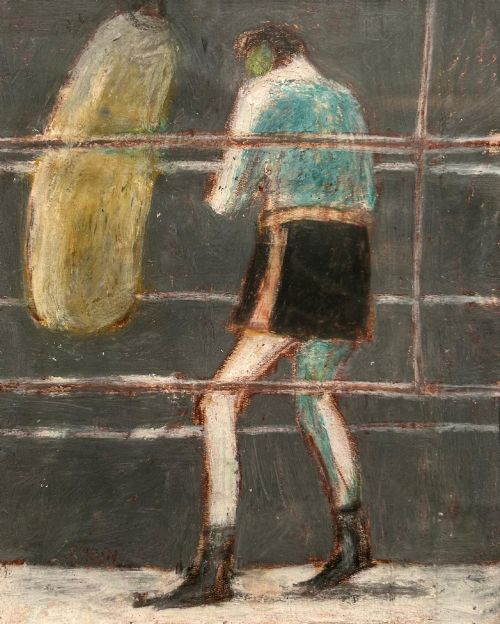
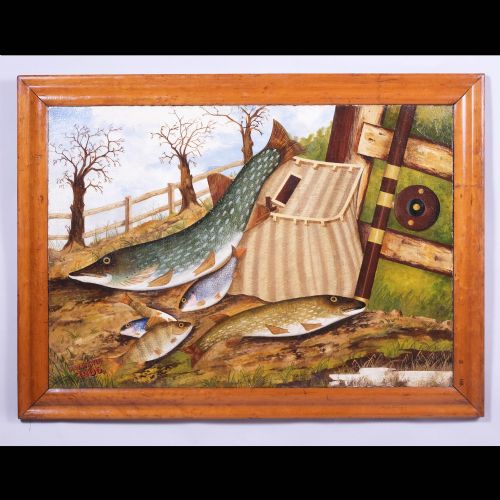
Additional subjects cover fishing scenes, snooker and Olympic athletics, reflecting a broad range of nineteenth and twentieth-century recreational pursuits.
How do I identify the period of a painting?
Dating relies on stylistic markers, artist signatures, framing materials and recorded dates within individual listings. Victorian and Edwardian works often display traditional academic techniques or romanticised landscape backgrounds.
Mid-century pieces introduce more expressive brushwork and modern subject matter, such as snooker or stadium events, while retaining figurative foundations.
What is the difference between oil and watercolour works?
Oil paintings utilise viscous pigments on canvas, offering textured brushstrokes and deep colour saturation. They generally project a heavier physical presence within a room.
Watercolours on paper present a lighter, translucent quality executed with fluid strokes, usually displayed behind protective glass.