


Vintage Jockey Painting
These vintage jockey painting works capture the speed and tension of the turf, offering collectors direct access to historic equestrian moments.
Vintage Jockey Painting
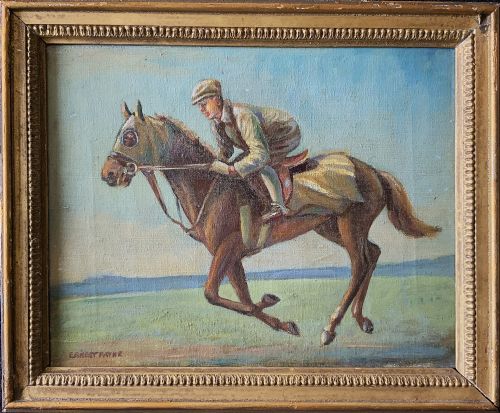
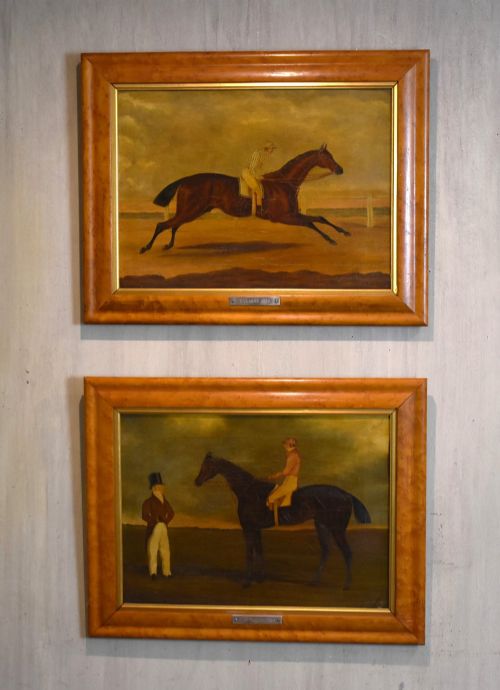
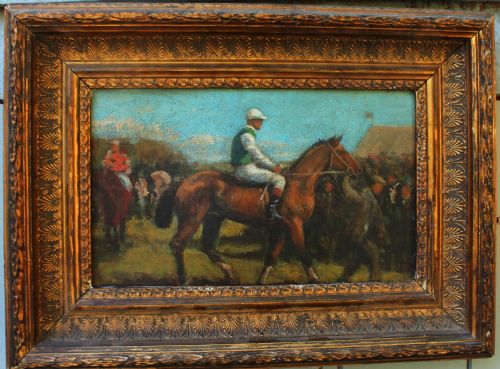
A vintage jockey painting brings the energy of the racecourse directly into a room through depictions of thoroughbreds, riders, and historic tracks. Buyers seeking a vintage jockey painting often encounter Victorian sporting art alongside pieces from the early twentieth century.
The subjects range from named racehorses with specific jockeys up to dynamic paddock studies and race day scenes. Works stretch from nineteenth century portraits to mid twentieth century expressions on canvas and paper.
Framed prints and original oil paintings dominate the selection, capturing legendary mounts and famous racing colours. These pieces reflect the enduring British and European fascination with turf history and equestrian competition.
How they were made
Artists relied primarily on oil paint applied to canvas or wood panels to build rich textures and deep tones. Watercolours and gouache on paper appear frequently in studies and mid-century works, offering a lighter touch.
Gilt frames often enclose the canvases, complementing the rich palettes used to render racing silks and turf. Some pieces utilise glass to protect delicate paper works and watercolours from environmental wear.
Vintage Jockey Painting Retail Price Guide 2026
Typical asking prices for vintage jockey painting among the pieces listed under this phrase on Sellingantiques today, from the lower quarter to the upper quarter. They describe what is for sale here now, not the wider market.
Periods represented span from the nineteenth century through to mid-century modern works.
What varies in quality
The fidelity of the equine anatomy and the precise rendering of the jockey in the saddle define the upper tier of these works. Master painters capture the exact tension in a horse's muscles and the specific racing silks of notable owners.
Provenance and documented connections to historic races, named horses, or recognised artists elevate certain pieces above anonymous works. The handling of light, movement, and atmosphere distinguishes a standard oil study from a compelling composition.
Ernest Payne·John Frederick Herring Snr·Alfred Munnings·John Rattenbury Skeaping·Gabriel Dauchot·Alfred Wheeler·John Atkinson·Isaac Cullin·Frank Giggs
The Vintage Jockey Painting Glossary
- Oil paint
- Pigment suspended in a drying oil, typically linseed, allowing for rich colour blending and textured brushwork. This medium dominates nineteenth and twentieth century equestrian art.
- Gouache
- An opaque watercolour medium consisting of pigment, water, and a binding agent such as gum arabic. It provides flat, vibrant areas of colour in paper works.
- Gilt
- A thin layer of gold leaf applied to wood or gesso to finish a picture frame. This decorative treatment enhances the visual weight of traditional paintings.
- Equestrian realism
- An artistic style dedicated to the accurate portrayal of horses, riders, and racing scenes. Practitioners focus on precise anatomical details and correct turf postures.
- Framed prints
- Reproductions placed behind glass within a protective border and housing. These provide an accessible entry point into sporting imagery.
Vintage Jockey Painting: Frequently Asked Questions
What is a vintage jockey painting?
A vintage jockey painting depicts racehorses and their riders in oil, watercolour, or gouache, often dating from the nineteenth or twentieth century.
These artworks record historic races, named thoroughbreds, and traditional racing silks, serving as both sporting records and decorative pieces.
How do I date a horse racing painting?
Dating relies on the artist's active period, the style of the clothing and jockey silks, and framing materials.
Signatures, inscriptions on the reverse, and historical records of named horses like Persimmon or Diamond Jubilee also establish precise timeframes.
Where were these paintings displayed?
Owners and enthusiasts typically hung equestrian art in country houses, libraries, and estate dining rooms.
Today, they suit studies, hallways, and living spaces where traditional or sporting themes predominate.
What subjects appear in these works?
Common subjects include portraits of famous racehorses with their jockeys up, starting line scenes, and paddock studies.
Artists also recorded specific events at notable courses like Newmarket, Kempton Park, and Longchamp.