




Black and Gold Frame
A black and gold frame brings deep ebonised contrast and brilliant metallic warmth to mirrors, portraits and prints from the eighteenth century onwards.
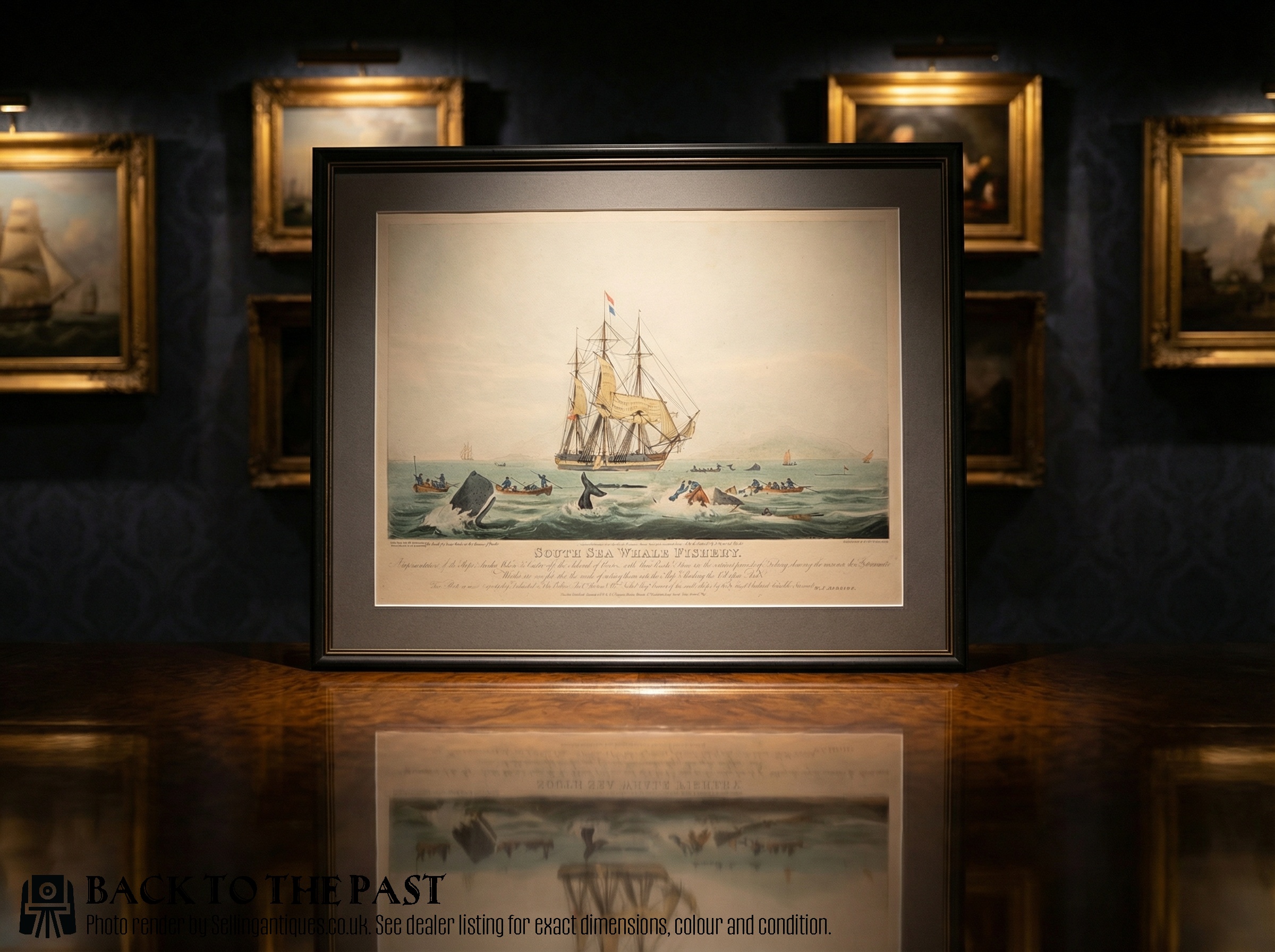
Black and Gold Frame
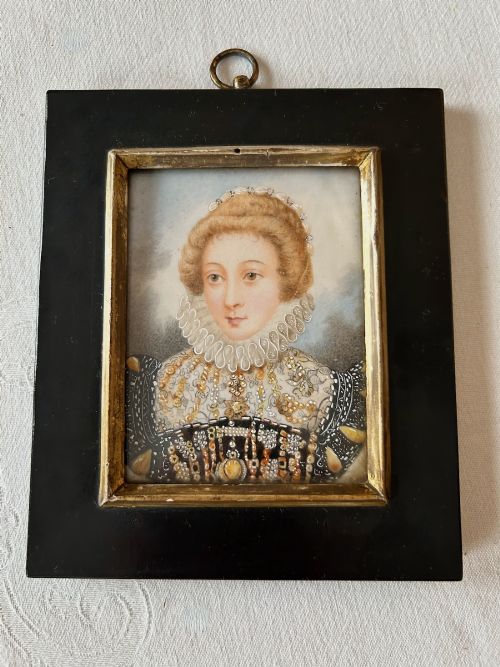
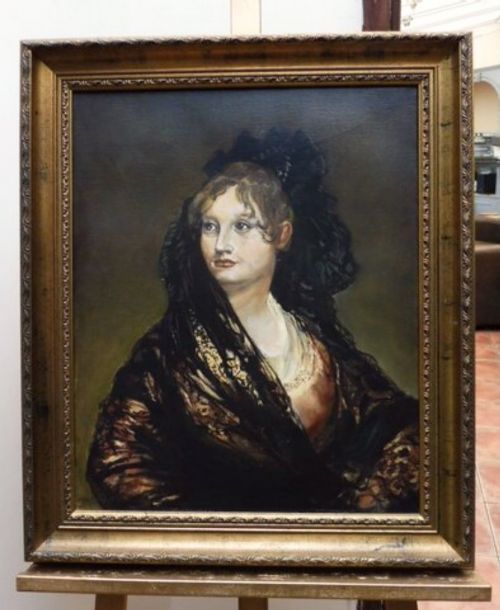
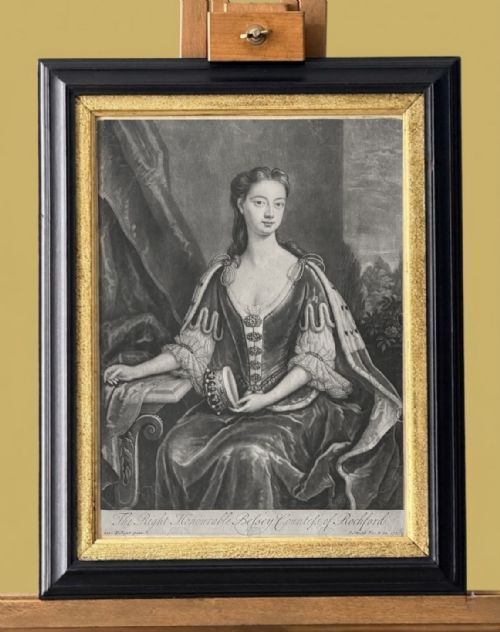
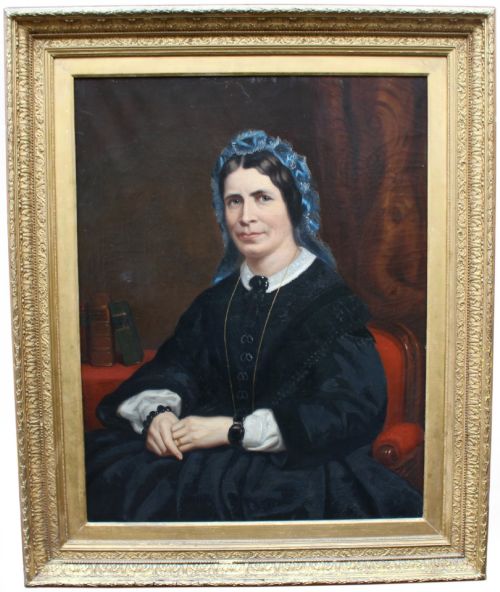
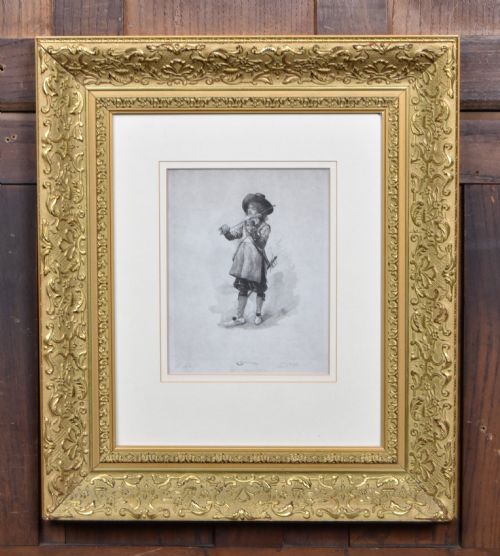
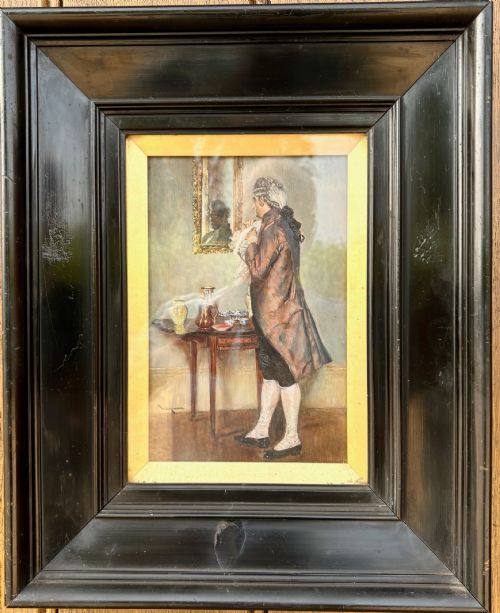
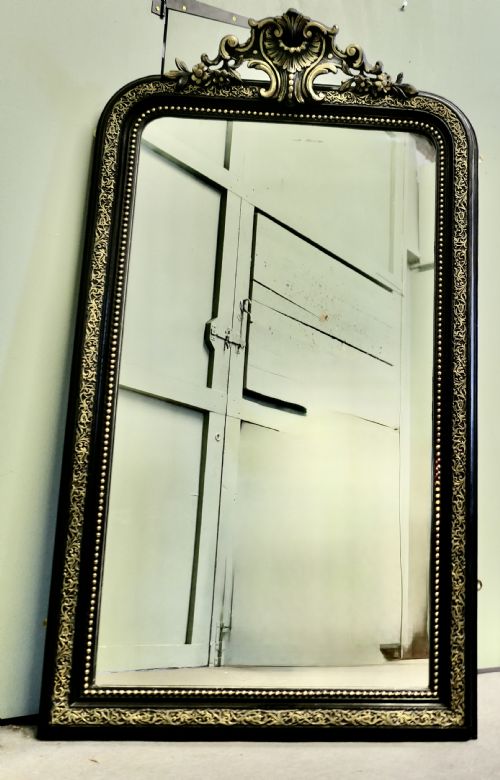
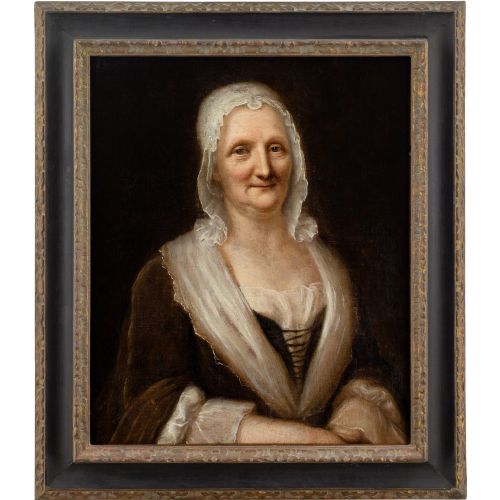
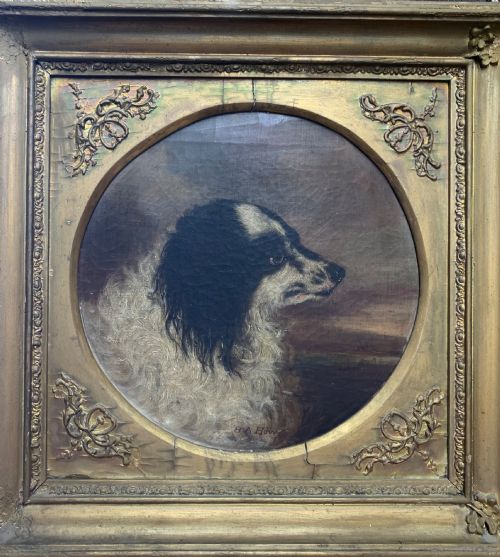
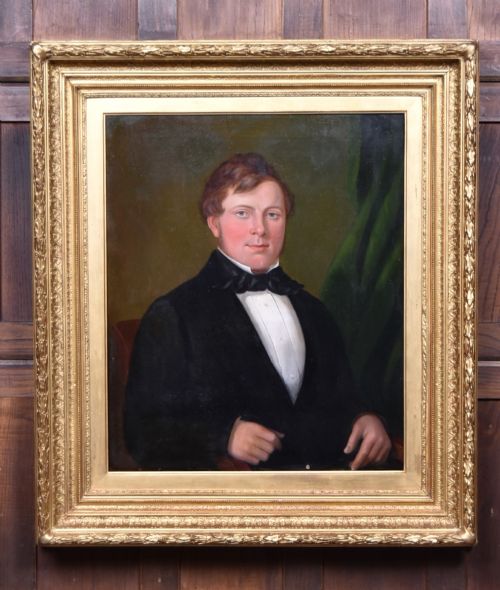
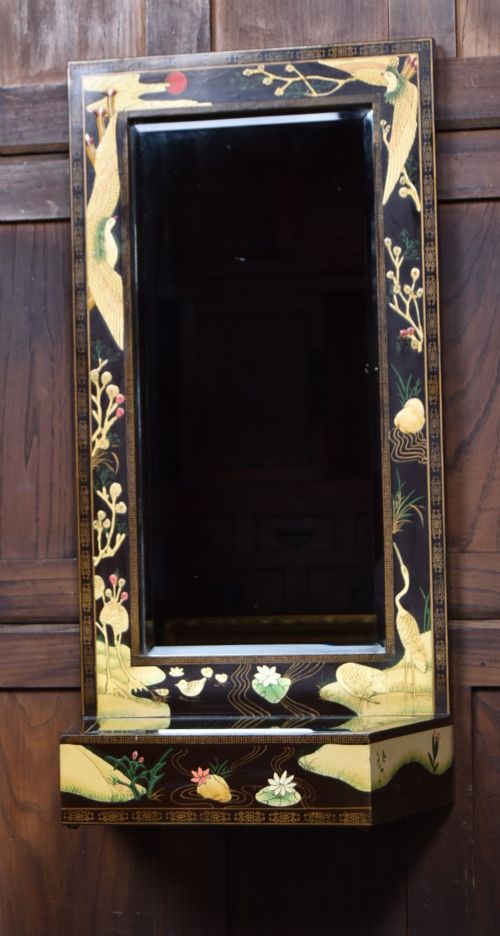
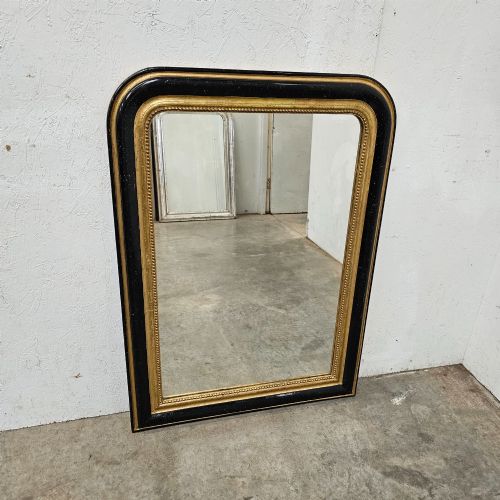
When you search for a black and gold frame, you encounter a distinct group of decorative objects spanning several historical periods and styles, primarily comprising wall mirrors, oil paintings, prints, and portrait miniatures. The selection on this page relies heavily on nineteenth-century pieces, alongside eighteenth-century works and Regency examples, reflecting a tradition of dark wood and metallic detailing that spans generations.
The dominant forms you meet here include tall pier mirrors, overmantels, and ebonised wall mirrors, alongside framed artworks featuring parcel-gilt highlights. Victorian and Regency aesthetics govern many of the pieces, utilising contrasting finishes to elevate interior spaces.
Beyond mirrors, the inventory captures oil paintings and prints housed within dark surrounds, merging pictorial subjects with striking framing. These objects range from naive folk-art portraits to grander European school canvases, each utilising dark wood or ebonised surfaces accented by gold leaf.
Materials and construction
Makers constructed these pieces using wood substrates such as ebonised timber, mahogany, and rosewood, applying gold leaf or gilt finish by hand to highlight carved mouldings, borders, and sight edges. Glass and paper insert components, including engravings and oil on canvas, sit within these housings, protected by traditional joinery methods.
Techniques combine cabinetmaking with gilding and ebonising processes, where wood receives a dark chemical or pigment treatment to resemble ebony before craftsmen lay fine sheets of gold or apply gilt paint to raised details. This dual finish creates the high-contrast visual identity characteristic of the style.
Listings feature eighteenth and nineteenth-century items, spanning periods from Georgian and Regency to Victorian and Edwardian.
Judging the range
Quality separates through the crispness of the carving, the depth of the ebonising, and the application method of the gold leaf rather than the mere presence of the colours. Pieces displaying hand-laid gold leaf over carved wooden mouldings sit at the higher end of the range, showing subtle wear that reveals the reddish bole beneath.
Workmanship in the underlying wooden structure dictates longevity, with tight mitred corners and sound panel construction marking superior production. Simpler surfaces utilising flat painted finishes rather than genuine gilt or deep ebonisation represent the more modest tier of the category.
Henri Fradelle·Henry Bone ARA·Francisco Jose de Goya y Lucientes·John Smith·Charles D Agar·Pietro Fachetti·W R Waters·P Ruiz·W D Almond·B A Howe·James Stroudley·John Miers·Herbert Dicksee·Frederick Buck·William Hogarth·Copley·Robert Sayer·John Frederick Herring Senior·George Romney·Henry William Banbury·Wheatley
The Black and Gold Frame Glossary
- Ebonised wood
- Timber treated to imitate ebony, typically fruitwood or hardwood stained or painted black. This finish provides the dark foundation for gilt highlights in many period frames.
- Parcel-gilt
- A decorative technique where only parts of an object receive gilding while the rest remains unpainted or ebonised. It draws the eye to specific carved details.
- Giltwood
- Wood that has been coated with gold leaf or powder using traditional sizing and water-gilding methods. It catches ambient light within domestic interiors.
- Pier mirror
- A tall wall mirror designed to hang on the wall space between windows. These frequently feature ornate frames in the black and gold style.
- Overmantel mirror
- A wide horizontal mirror intended to sit above a fireplace mantelpiece. They often anchor the decorative scheme of a period room.
Black and Gold Frame: Frequently Asked Questions
What periods do these pieces come from?
The inventory spans the eighteenth, nineteenth, and early twentieth centuries, capturing Regency, Victorian, and Edwardian aesthetic movements.
Items range from Georgian silhouettes and ebonised furniture to later nineteenth-century pier mirrors and mid-century school paintings.
How were these mirrors and frames used historically?
Mirrors were positioned between windows or above fireplaces to reflect light and expand the visual boundaries of domestic reception rooms.
Framed artworks and portraits served as personal mementoes or status displays in period drawing rooms and parlours.
How do I care for ebonised and gilt surfaces?
Keep these objects away from direct sunlight and high humidity to prevent the wood from warping and the gilding from flaking.
Dust gently with a dry, soft cloth and avoid modern chemical polishes that can degrade the historic finish.
How do I distinguish a Victorian frame from a Regency one?
Regency examples often lean towards classical restraint with clean architectural lines, while Victorian pieces frequently incorporate heavier, more exuberant carvings and deeper ebonisation.
Examining the backing woods, fixings, and gilding technique helps confirm the period of manufacture.