

Gold Frame Victorian Prints
These gold frame victorian prints combine period imagery with ornate gilding, offering a window into nineteenth-century visual culture that brings historic character to any wall.
Gold Frame Victorian Prints
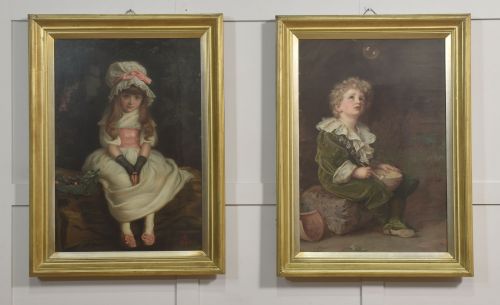
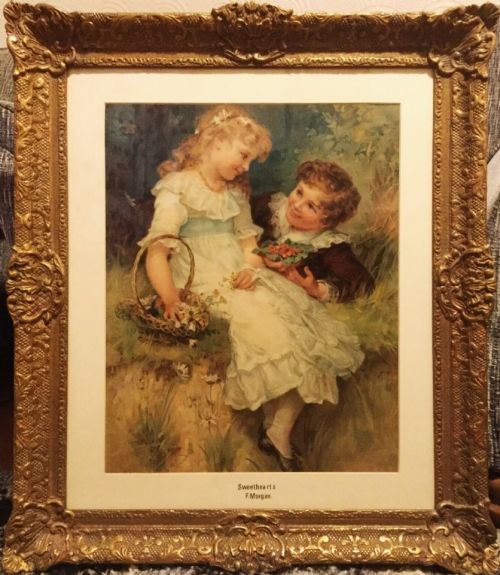
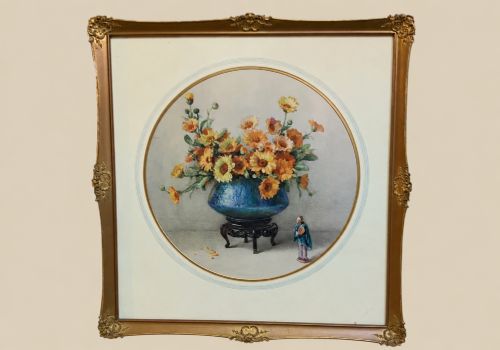
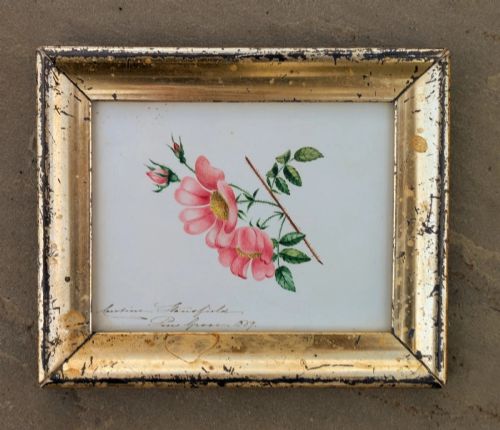
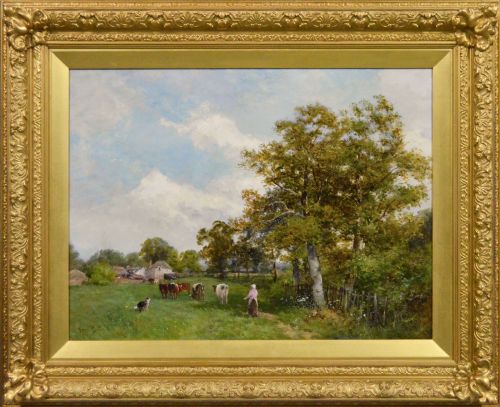
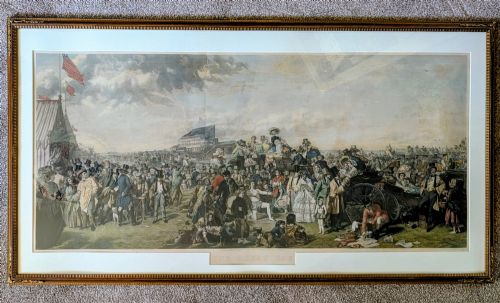
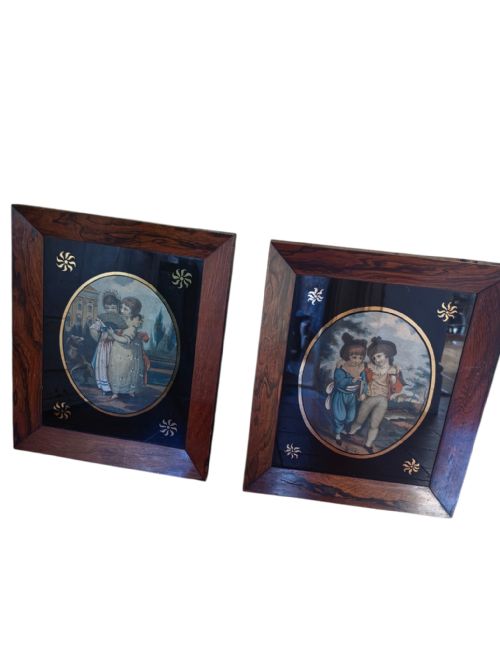
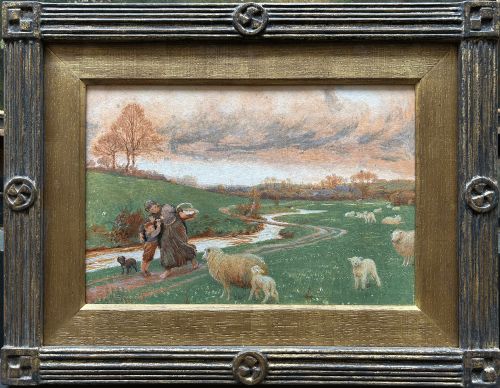
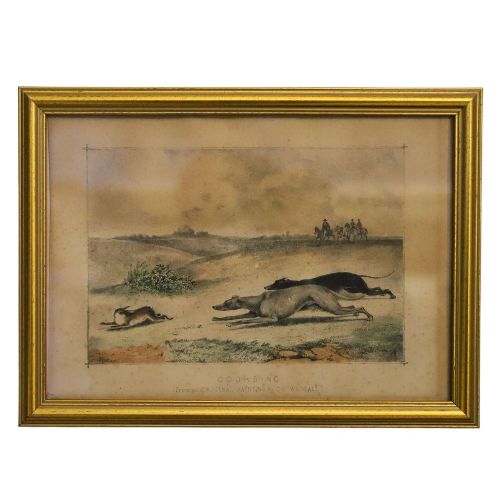
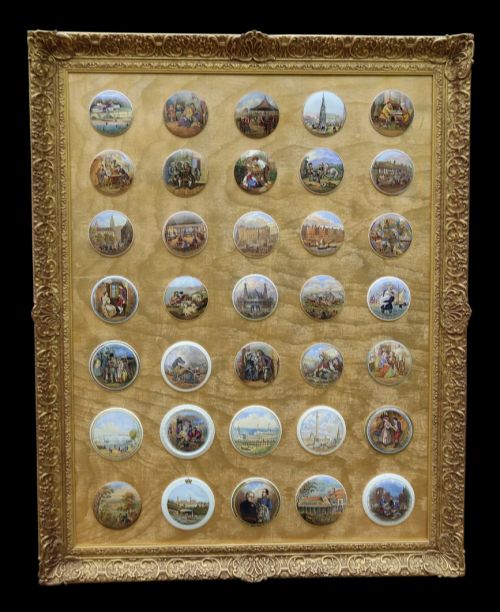
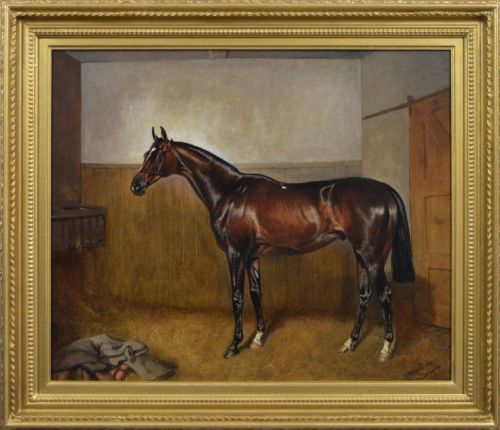
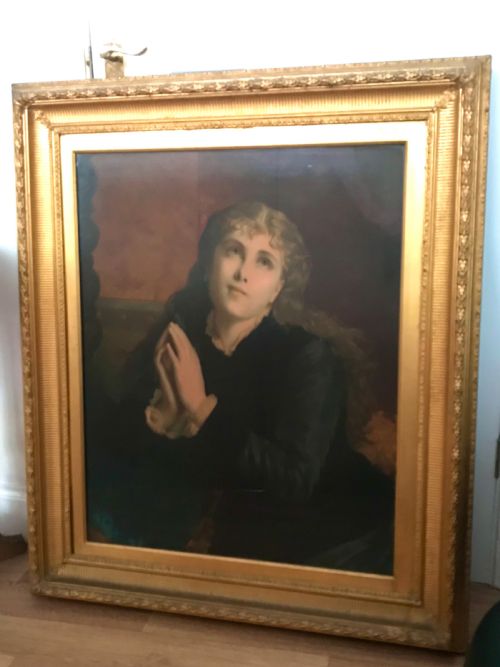
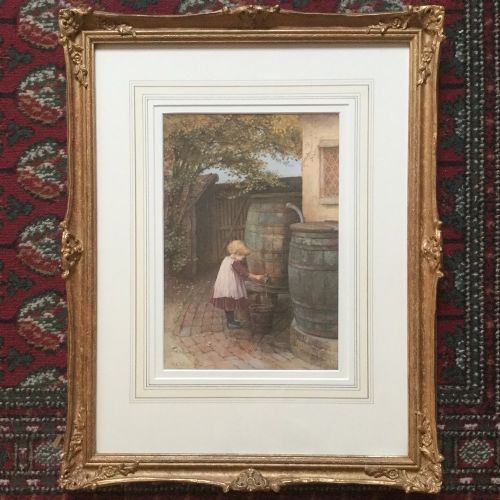
When searching for gold frame victorian prints, buyers encounter a diverse selection of nineteenth-century wall art, framed prints, and engravings housed in traditional surrounds. The selection spans pastoral scenes, sporting art, and portraits, alongside advertising prints and hand-coloured botanical or natural history subjects. These pieces originate primarily from the nineteenth century and the Edwardian era, capturing the domestic and public tastes of the period.
The framing often utilises gilt wood, gesso, or gold leaf, accentuating the visual weight of the imagery contained within glass and timber. Works range from small oval portraits of children and animals to large historical engravings and oleographs on canvas. Buyers frequently meet pieces bearing the signatures of noted artists and printmakers from the Victorian decades, preserved behind protective glass.
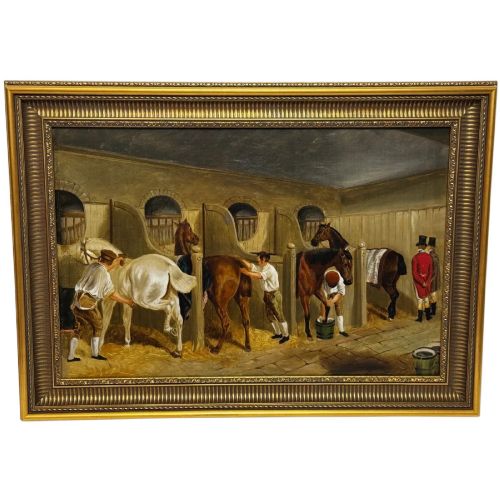
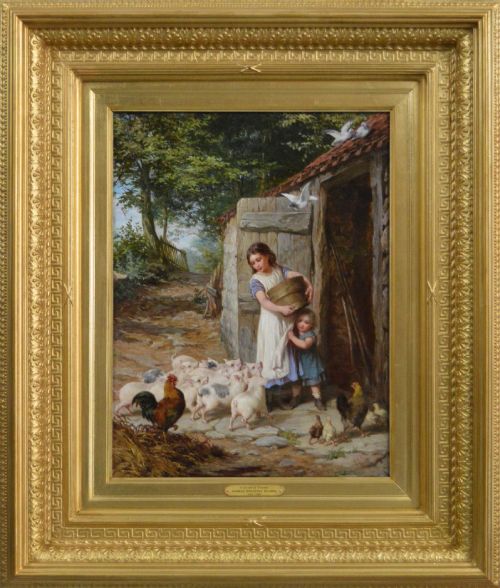
The subjects reflect nineteenth-century interests, encompassing equestrian studies, genre paintings of rural life, and classical portraits of political and theatrical figures. Whether opting for hand-coloured engravings or lithographs, collectors secure authentic period artefacts defined by their distinctive metallic borders. This category serves those seeking to anchor a room in historical authenticity through period wall decor.
Materials and technique
The physical construction of these pieces relies on traditional substrates such as paper, canvas, and wood, combined with glass for protection. Printmakers and artists utilised lithography, mezzotint, engraving, and watercolour techniques to produce the visual imagery, sometimes applying hand-colouring to enhance the printed lines. Oleographs on canvas simulate the appearance of oil paintings through mechanical colour printing.
Surrounding these works are frames constructed from wood and finished with layers of gesso and gold leaf or gilt wood. This combination of timber carcase and metallic surface treatment provides both structural support and the characteristic reflective sheen associated with the period. The integration of paper prints, glass panels, and gilded mouldings represents standard workshop practices of the nineteenth century.
Listings incorporate paper, glass, wood, giltwood, gesso, and oil on canvas across nineteenth-century and Edwardian forms.
Quality variations
Quality within this category depends on the crispness of the printing plate, the depth of the engraving, and the preservation of hand-applied watercolour pigments. Early impressions taken before plates showed wear exhibit sharper details and tonal variation than later reprints. The fidelity of the imagery, whether in a sporting print or a classical portrait, dictates the artistic standing of the piece.
The construction and finish of the gilt wood or gesso frame also separate standard items from superior examples. Frames featuring hand-carved ornamentation, original gilding, and intact corner mouldings elevate the overall object. Conversely, later alterations to the frame or heavy surface degradation diminish the integrity of the ensemble.
David Bates·George Augustus Holmes·John Alfred Wheeler·Charles Burton Barber·David Roberts
The Gold Frame Victorian Prints Glossary
- Oleograph
- A mechanical colour print on canvas designed to imitate an oil painting. This technique gained popularity in the nineteenth century as a method for reproducing fine art for domestic interiors.
- Gesso
- A plaster-like mixture applied to wood frames to create a smooth surface for gilding. Artisans carved or moulded this material into decorative reliefs before applying gold leaf.
- Lithograph
- A planographic printmaking method based on the repulsion of oil and water. Artists drew on limestone blocks to produce multiple impressions of portraits and landscapes.
- Mezzotint
- A tonal printmaking process where the copper plate is roughened to achieve dark backgrounds and subtle gradations of light. It was frequently utilised for reproducing portraits.
- Engraving
- A technique where an artist cuts lines directly into a metal plate with a burin to hold ink. This method produces precise, durable lines suited for historical and classical subjects.
Gold Frame Victorian Prints: Frequently Asked Questions
How should I care for framed paper art?
Paper prints and watercolours require protection from direct sunlight to prevent the fading of inks and pigments. Maintaining stable indoor humidity levels prevents warping of the paper and degradation of the wooden frame.
Displaying pieces away from direct heat sources ensures the preservation of both the artwork and the gesso or gold leaf on the frame.
Are the frames original to the pieces?
Many items retain their period gilt wood or rosewood frames, which contribute significantly to the historical context of the artwork. The materials typically include gesso and gold leaf applied over timber mouldings characteristic of the nineteenth century.
Buyers should examine the fit between the artwork and the rebate of the frame to understand the history of the assembly.
How do I distinguish lithographs from engravings?
Engravings display crisp, incised lines that sit slightly indented into the paper surface under magnification. Lithographs rely on chemical planographic printing, showing flat areas of ink without plate marks.
Examining the surface texture with a loupe reveals the distinct dot patterns of lithography versus the continuous lines produced by a metal burin.