



Fine Art Print Engraving
Fine art print engraving brings centuries of master painters and printmakers directly to the wall through copperplate, mezzotint, and etching on paper.
Fine Art Print Engraving
A fine art print engraving represents historical imagery created through painstaking manual cutting, etching, or scraping onto printing plates before being pulled onto paper. Buyers searching for fine art print engraving encounter everything from seventeenth-century Italian mythologies to eighteenth-century mezzotint portraits and twentieth-century drypoint etchings.
The selections span distinct periods including the seventeenth, eighteenth, and nineteenth centuries, alongside later revivals up to the 1920s. Common formats range from single framed portraits and landscape scenes to complete multi-part portfolios such as Hogarth series.
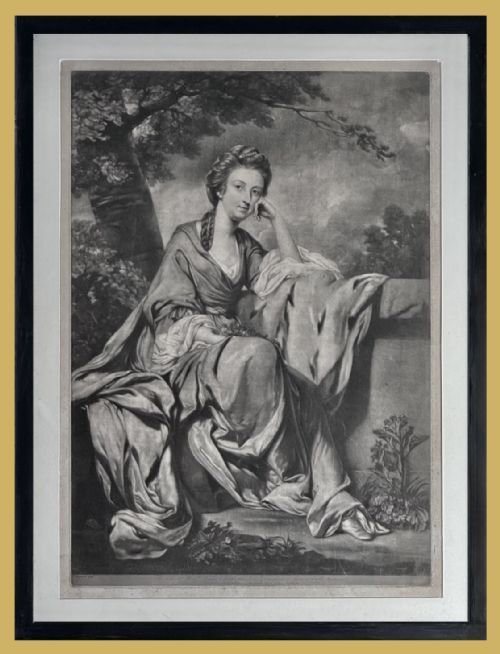
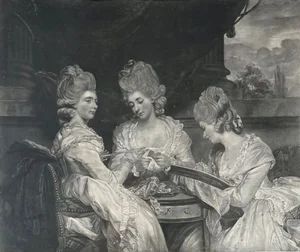
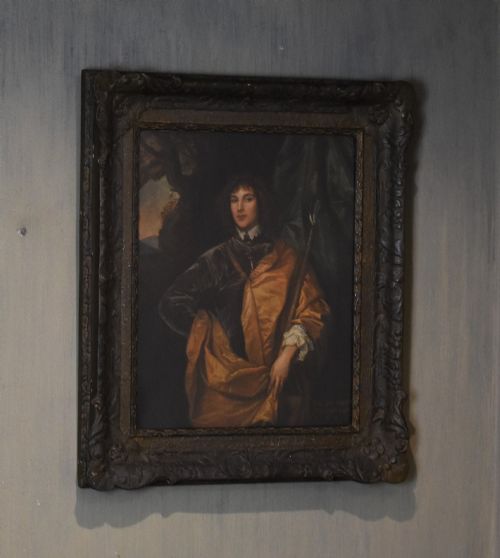
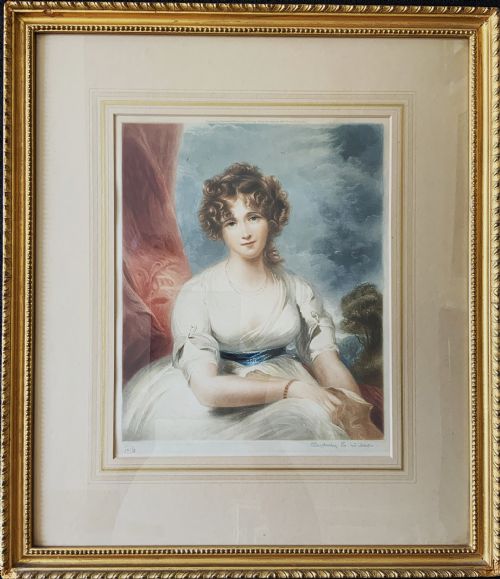
Portraits after painters like Sir Joshua Reynolds and Van Dyck dominate alongside narrative hunting scenes, classical battle compositions, and architectural views. Most examples arrive ready to hang in traditional wood or giltwood frames protected by glass.
How they were made
The physical objects rely principally on ink applied to paper, supported by wooden frames, glass panes, and occasionally giltwood or gold leaf embellishments. Printers transferred images from engraved copper plates or prepared glass surfaces using dark pigment and ink.
Mezzotints required working a copper plate with a rocker to create rich tonal gradations, while drypoint etchings involved scratching lines directly into the metal with a sharp needle. Some specialist pieces utilised reverse glass techniques with added colour pigments beneath the protective pane.
Even fierce guard dogs found themselves immortalised in ink, as proven by a steadfast British Bulldog caught in a 1910 drypoint.
What varies in quality
Quality rests upon the crispness of the impression pulled from the plate and the subtlety of the tonal range achieved by the printmaker. Early impressions retain sharp line work and deep velvety blacks, whereas worn plates yield faint, grey, or muddy details.
The significance of the original artist and the skill of the translating engraver dictate the artistic importance of the piece. Contemporary signatures, artist proofs, and untouched period frames further elevate the standing of an individual print.
Edward Fisher·Valentine Green·Sydney Wilson·E.L. Riepenhausen·Herbert Dicksee
The Fine Art Print Engraving Glossary
- Mezzotint
- A printmaking process where the copper plate is roughened evenly and smoothed in areas to produce rich tonal variations and shadows. This method excels at rendering soft flesh tones and painterly textures.
- Drypoint
- An intaglio technique where an artist scratches a design directly into a metal plate with a sharp needle, leaving a rough ridge of metal called burr. This burr catches the ink to create velvety, soft lines.
- Artist proof
- An impression printed for the artist to check the state of the plate before the main edition is run. These carry particular weight with collectors.
- Reverse glass
- A technique where the image is painted or printed backwards on the underside of a glass sheet so it appears correctly when viewed through the front.
- Copper engraving
- A method where incisions are cut directly into a copper plate using a burin tool. The resulting lines hold ink under pressure during the printing process onto paper.
Fine Art Print Engraving: Frequently Asked Questions
What is a fine art print engraving?
A fine art print engraving is an image transferred to paper from a manually worked metal plate or glass surface. These works historically translated famous oil paintings or original artist designs into reproducible formats.
Today, they offer collectors access to period aesthetics, master draughtsmanship, and historic printmaking techniques framed for interior display.
How do I care for framed engravings?
Paper prints require stable indoor environments away from direct sunlight and excessive humidity to prevent fading and foxing. Keep them behind glass and hang them on interior walls where temperature fluctuations remain minimal.
Avoid using liquid cleaners on the wooden or giltwood frames near the paper edge, dusting gently with a dry cloth instead.
How do I identify the age of a print?
Age is determined by examining the paper stock, watermark evidence, printing technique, and framing style. Seventeenth and eighteenth-century papers often exhibit distinct chain lines and handmade textures distinct from modern machine-made sheets.
Subject matter, recorded publishing dates, and documented printmaker activity periods also help narrow down the decade of production.
Are these prints original works?
Prints and engravings are considered original works of graphic art when produced during the period by the designated maker or workshop. While they often reproduce famous paintings by artists like Reynolds or Van Dyck, the print itself is a distinct historic artefact.
Signed artist proofs and early state pullings carry independent artistic and historical value as primary printmaking creations.