

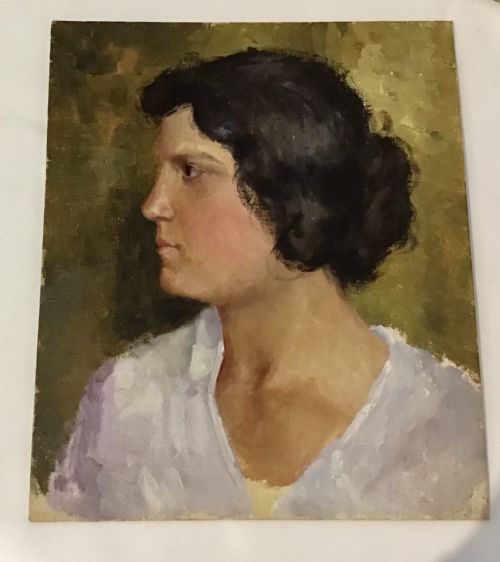
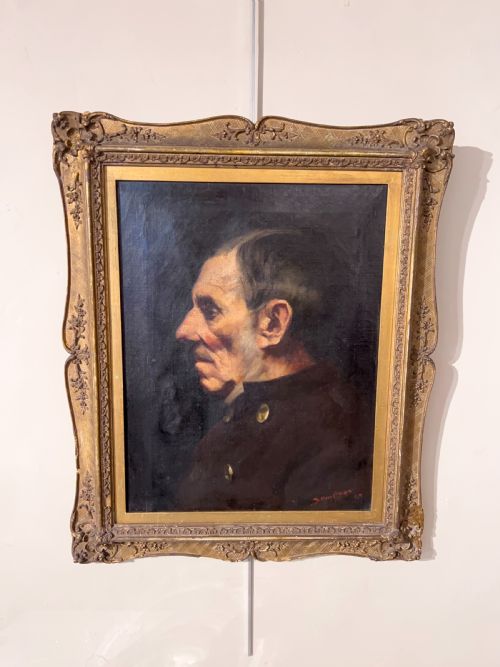


Profile Portrait Oil Painting
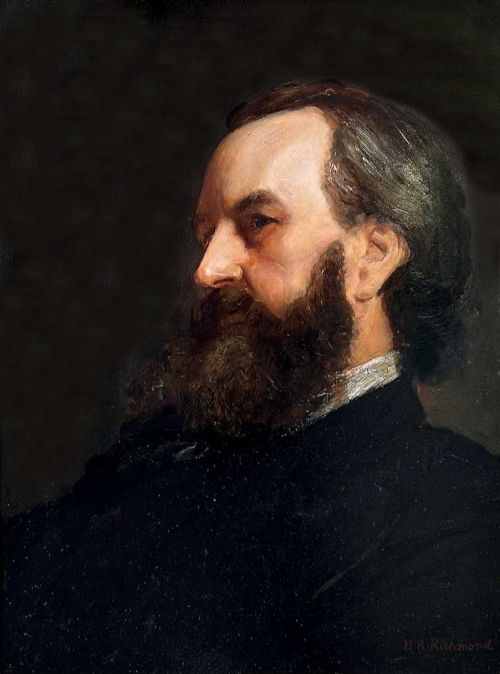
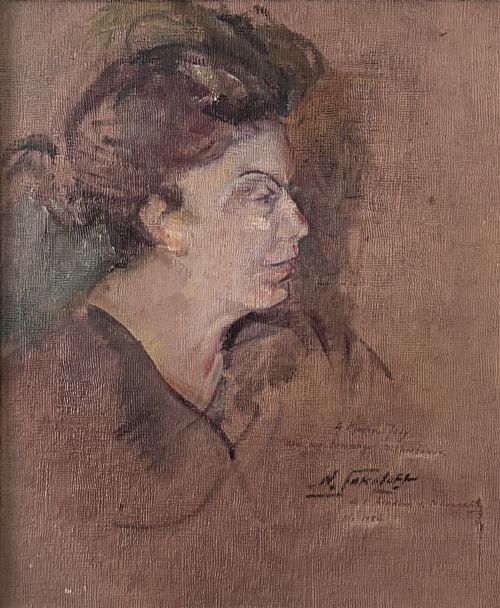
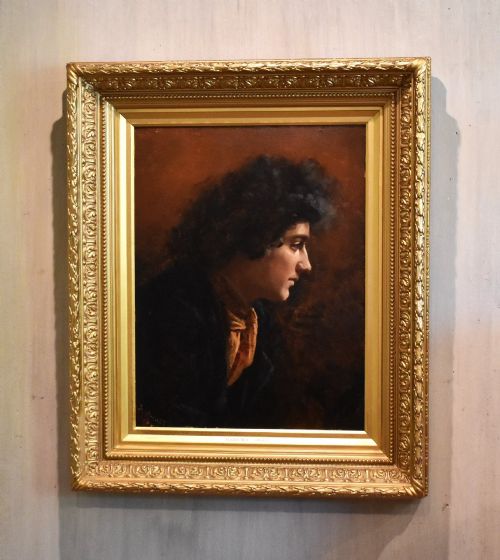
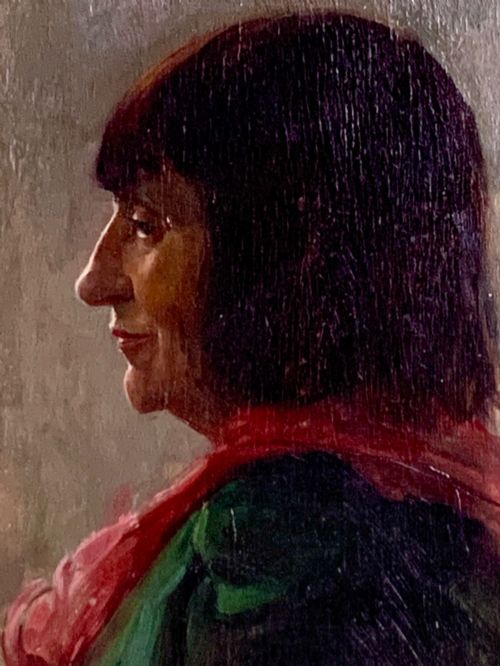
Profile portrait oil painting works bring intense focus to a single face, capturing character through the deliberate turn of a head.
Profile Portrait Oil Painting
A profile portrait oil painting presents a subject from the side rather than head-on, creating a striking silhouette that emphasises the contours of the face and neck. These works span centuries, reaching from eighteen-century naive panels and Victorian academic studies through to twentieth-century impressionist and modernist interpretations.
The selections available here range from formal nineteenth-century works and Edwardian sporting art to Bloomsbury Group compositions and Italian school canvases. Buyers frequently encounter nineteenth-century examples and early twentieth-century pieces, often housed in period giltwood or gesso frames.
Subjects vary widely, encompassing gentlemen, ladies, children, and classical figures depicted in profile, sometimes framed by period details such as headscarves, veils, or pipes. The execution shifts from tightly rendered academic realism to looser impressionistic brushwork and naive charm.
How they were made
Artists built these profile portrait oil painting examples using oil paint applied to canvas, wood panels, canvas laid onto card, or board. The application ranges from smooth, blended academic glazing to visible, expressive brushstrokes characteristic of impressionist and twentieth-century modernist schools.
Support materials dictate much of the physical structure, with traditional stretchers carrying canvas while older or folk pieces utilise solid timber panels. Frames play an integral role, featuring giltwood and gesso mouldings that complement the depth and tone of the painted surface.
Surviving frames frequently employ giltwood and gesso construction, reflecting Victorian and Edwardian decorative preferences.
What varies in quality
The calibre of a profile portrait oil painting rests upon the confidence of the draughtsmanship and the artist's ability to render light across the contours of the face within the strict confines of a side view. Superior pieces demonstrate precise control over expression and lighting, whereas lesser examples rely on stiff repetition or uninspired proportions.
Material preservation and frame integration also divide the range, as original giltwood and gesso surrounds that retain their crisp moulding and gilding elevate the overall integrity of the piece. The distinction lies between hurried commercial output and works executed by named artists or accomplished regional schools exhibiting genuine psychological depth.
William Blake Richmond·William Albert Clarke·Florence Small·Bertram Priestman·Rudolf Hausleithner·Emil Danielsson·William Anton Joseph Claus·James Dromgole Linton
The Profile Portrait Oil Painting Glossary
- Profile
- A view of a human head from the side. This format has ancient roots in coinage and cameo carving, revived across various artistic periods to emphasise clean lines and noble bearing.
- Giltwood
- Wood that has been coated with gold leaf or a gold-coloured finish. It provides a reflective, ornate border that enhances the tones of an oil painting.
- Naive
- Art created by an artist without formal academic training. These pieces possess a charming directness and flat perspective distinct from traditional academic portraiture.
- Gesso
- A plaster-like mixture applied to wood panels or frames as a base for painting or gilding. It creates a smooth, durable surface that holds fine decorative details.
- Academic
- Art produced under the influence of European academies of fine art. These works adhere to strict standards of realism, proportion, and tonal gradation.
Profile Portrait Oil Painting: Frequently Asked Questions
How do I date a profile portrait?
Dating relies heavily on the style of clothing, the hairstyle of the sitter, and the construction methods of the canvas or wood panel. Framing techniques and stretcher types also offer reliable clues to the era of production.
Examining the back of the panel or canvas often reveals old exhibition labels, stamps, or handwritten inscriptions that narrow down the timeline.
What is the difference between canvas and panel?
Canvas is a flexible woven fabric stretched over a wooden frame, becoming popular for its texture and portability from the seventeenth century onward. Panels consist of solid wood or compressed board, offering a rigid surface favoured in earlier or folk traditions.
Panels can be prone to warping if exposed to extreme humidity, whereas canvases require careful tension management over the decades.
How should I hang an oil painting?
Oil paintings require stable indoor environments away from direct sunlight, damp walls, and sudden temperature fluctuations caused by radiators or air conditioning. Use robust picture hooks rated for the combined weight of the frame and artwork.
Ensure the painting hangs slightly away from the wall using adequate cord or wire attached securely to the frame structure to allow air circulation.
Are these paintings signed by the artist?
Some works feature visible signatures or monograms, usually placed discreetly in a lower corner, while others remain entirely anonymous. Unsigned pieces are often attributed to specific regional schools based on technique and handling.
Documentation on the reverse or framing often helps connect an unsigned piece to a particular period or movement.