


Antique Dark Academia Painting
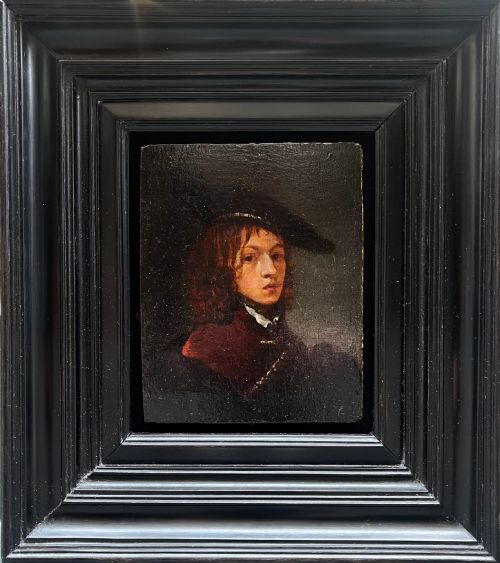
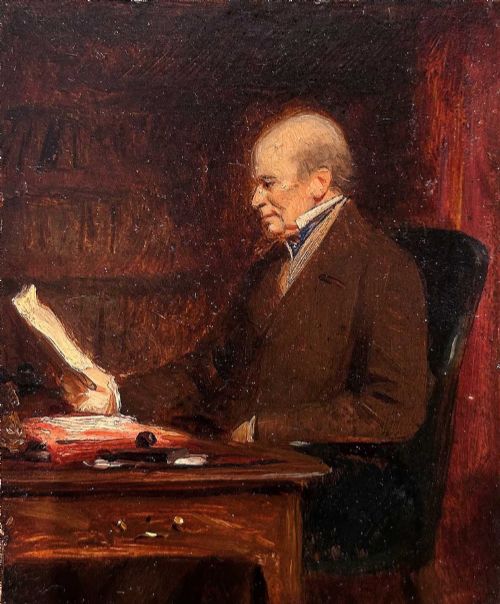
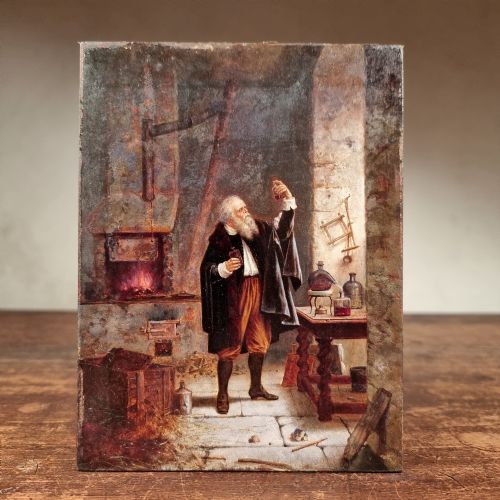
An antique dark academia painting brings centuries-old portraits, moody still lifes and sober historical studies into a scholarly interior.
Antique Dark Academia Painting
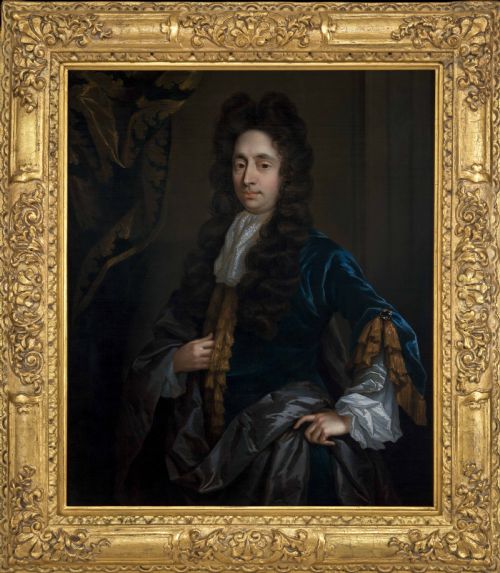
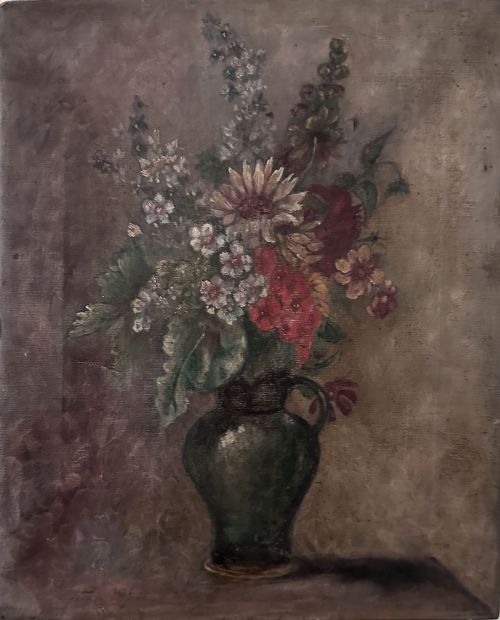
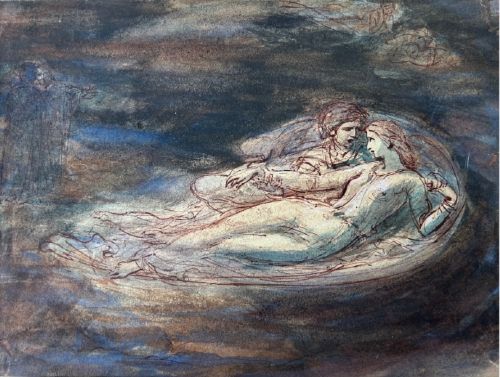
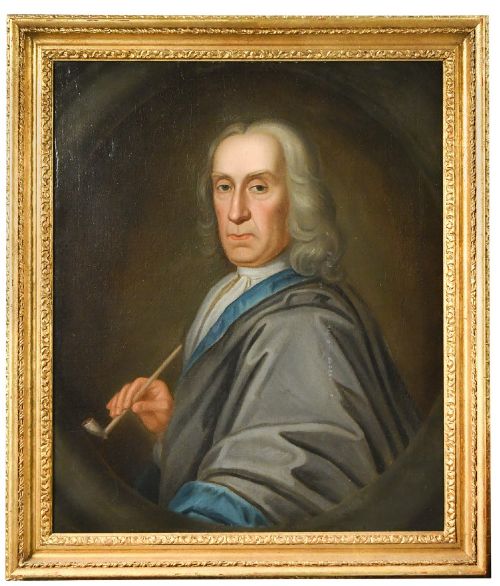
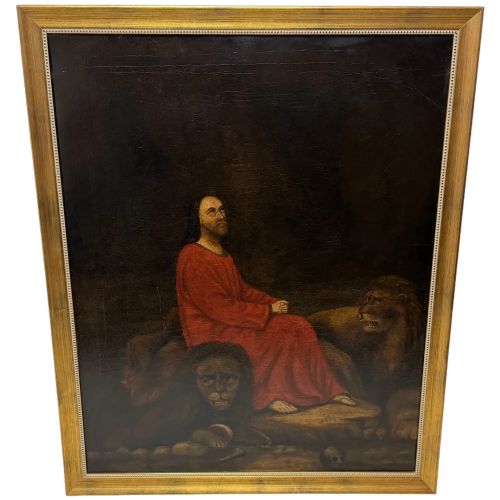
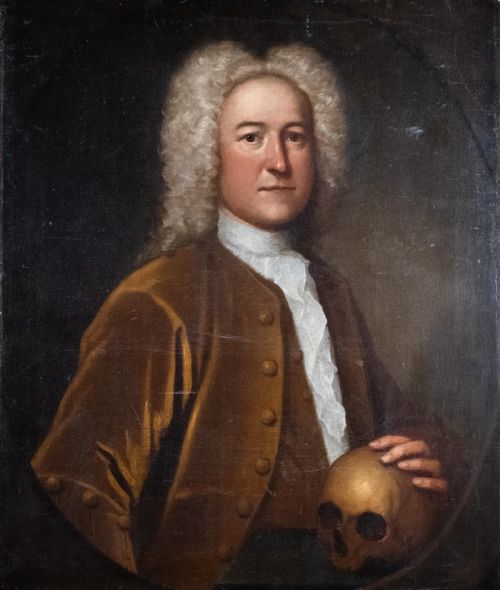
When you search for an antique dark academia painting, you encounter centuries-old canvases, oils on board, and watercolours that capture a moody, intellectual aesthetic. The selection leans heavily towards 17th-century, 18th-century, and 19th-century portraiture, biblical narratives, and vanitas still lifes featuring sombre subjects.
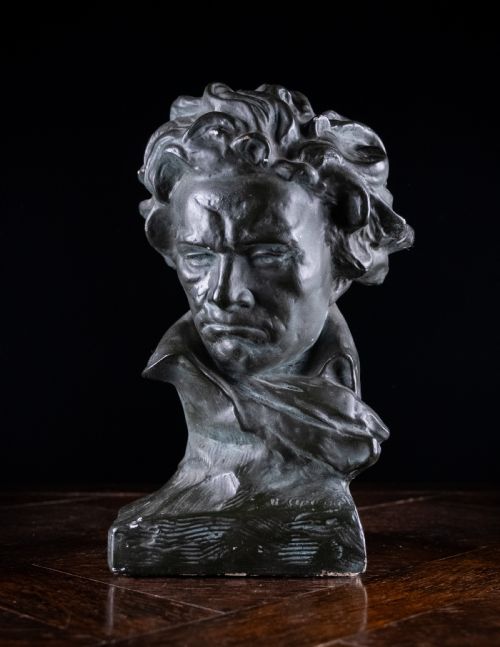
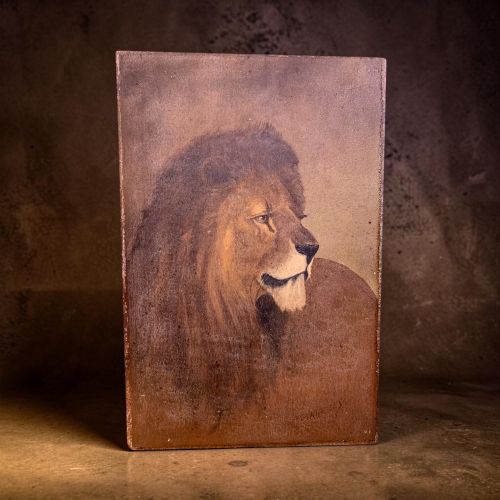
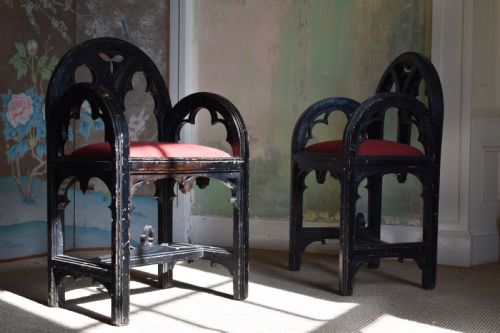
Subjects range from Dutch school gentlemen in ruffs and Scottish scholars to whimsical animal studies and naive folk art. Alongside paintings, the pieces extend to Gothic revival armchairs, ebonised bookcases, and painted plaster busts that complete the scholarly environment.
How they were made
The works utilise traditional oil paint and watercolour on canvas, wood panels, copper, and paper supports. Rich pigments are applied with careful layering, often captured within deep glazed wooden frames or accented with gold leaf.
Physical framing and cabinetry employ dense hardwoods such as oak, black pine, and ebonised timber, frequently finished with carved details and deep velvet mounts.
Listings feature works spanning the seventeenth century through to the 1930s, utilising canvas, wood, copper, and paper.
What varies in quality
Quality rests in the precision of brushwork, the depth of shadow and light, and the psychological weight conveyed in a portrait or still life. Works attributed to named artists or established regional schools command closer attention than naive folk art pieces.
The integrity of the original canvas, panel, or paper support and the survival of period frames, such as deep gilt or glazed boxes, distinguish the superior specimens from standard examples.
Stephen Pearce·Niels Wiwel·Herbert Butler·James Archer·George Dowdney·John Scougall·Stephen Taylor·Otto Rothenburgh·Lemuel Francis Abbott
The Antique Dark Academia Painting Glossary
- Vanitas
- A symbolic work of art associated with the still life genre, typically featuring items such as skulls, candles, and wilted flowers to remind viewers of the transience of life. These paintings form a cornerstone of the dark academia aesthetic.
- Oil on panel
- A painting executed on a flat wooden board rather than canvas, frequently utilising dense oak or fruitwoods during earlier centuries. This surface often provides a rigid, durable support for fine portraiture.
- Gothic Revival
- An architectural and decorative style drawing inspiration from medieval design, featuring pointed arches, dark carved wood, and ecclesiastical motifs. Pieces from this movement complement moody historical interiors.
- Pre-Raphaelite
- A mid-nineteenth-century movement of artists rejecting academic rules in favour of detailed observation, bright natural colours, and complex literary or religious themes. Works from this circle display meticulous draughtsmanship.
- Ebonised
- Timber treated with a chemical stain or finish to imitate ebony, producing a deep, dark black surface. This treatment appears frequently on nineteenth-century furniture and frames.
Antique Dark Academia Painting: Frequently Asked Questions
What defines a dark academia painting?
These works typically feature sombre portraits, academic subjects, vanitas still lifes, and dramatic use of light and shadow spanning the seventeenth to nineteenth centuries.
They reflect an intellectual and moody atmosphere, often depicting historical figures, scholars, or quiet interiors.
How do I care for antique oil paintings?
Keep canvases and panels away from direct sunlight, high humidity, and rapid temperature fluctuations to prevent cracking of the paint layer.
Dust the surface gently with a soft, dry brush and avoid using chemical cleaners or water on the aged pigments.
Are these paintings on canvas or wood?
The selection includes works executed on stretched canvas, wooden boards, copper plates, and heavy paper supports.
Earlier centuries frequently utilised wooden panels, while nineteenth-century pieces more commonly employed canvas.
How do I identify the period of a portrait?
Clothing styles, hairstyles, facial hair, and collar designs provide the clearest chronological markers for sitter portraits.
Framing techniques, canvas types, and inscriptions on the reverse or stretcher bars also offer dating clues.