

19th Century Historical Artwork
These pieces capture past events and figures through oil on canvas, watercolour, and print, offering a direct link to historical narratives.
19th Century Historical Artwork
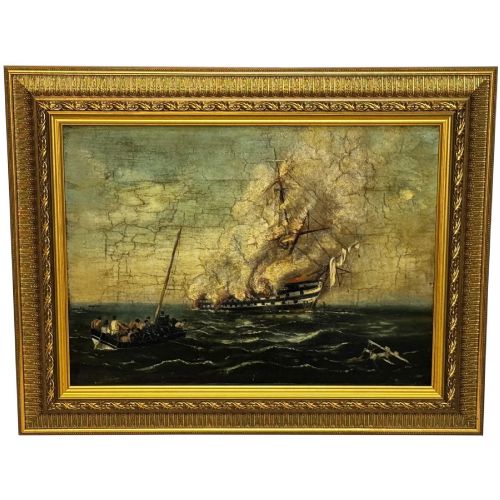
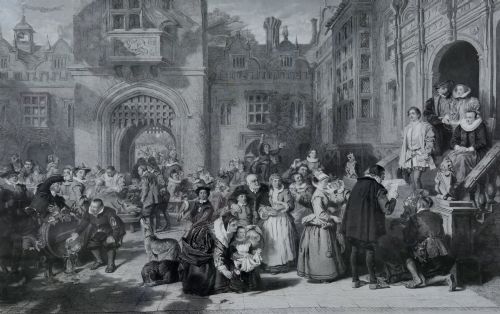
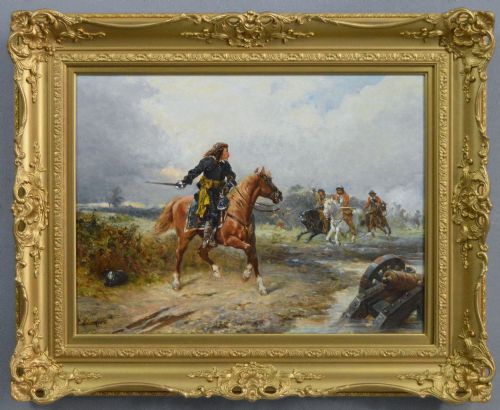
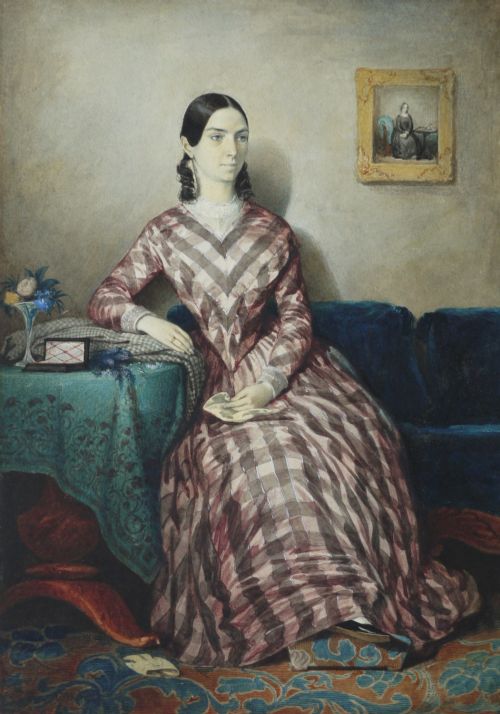
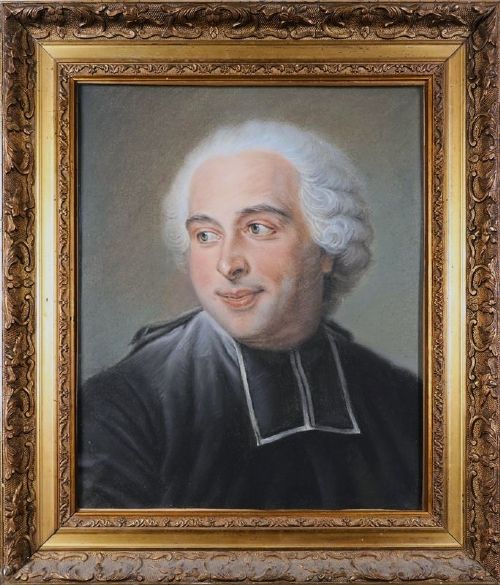
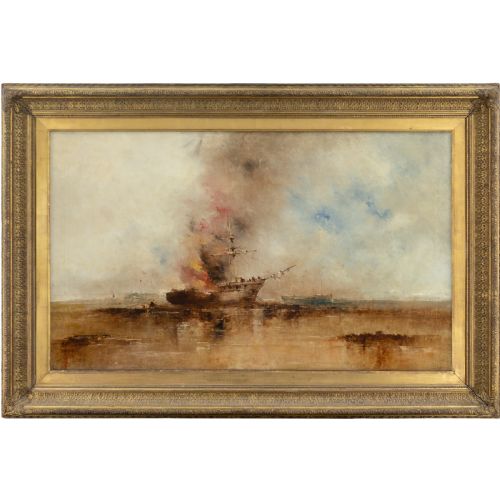
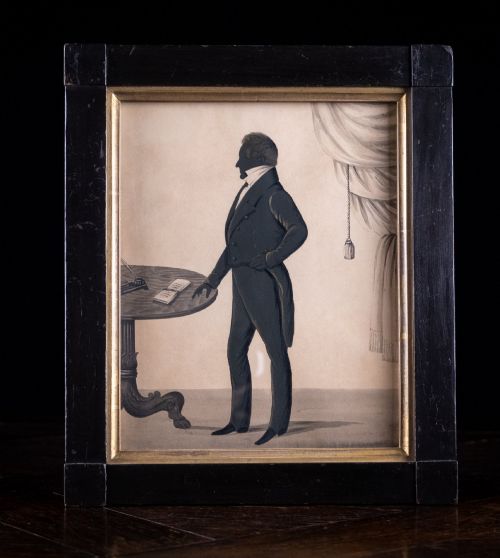
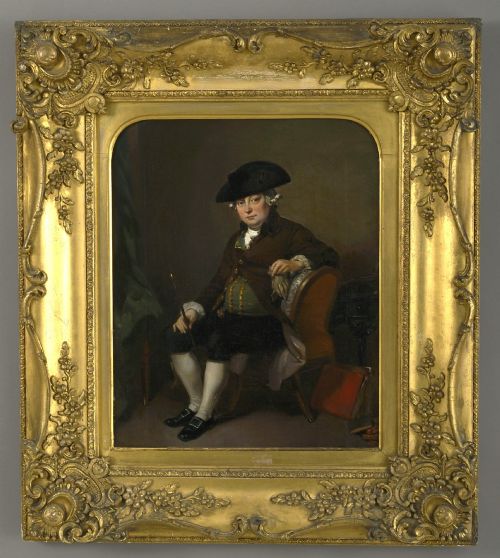
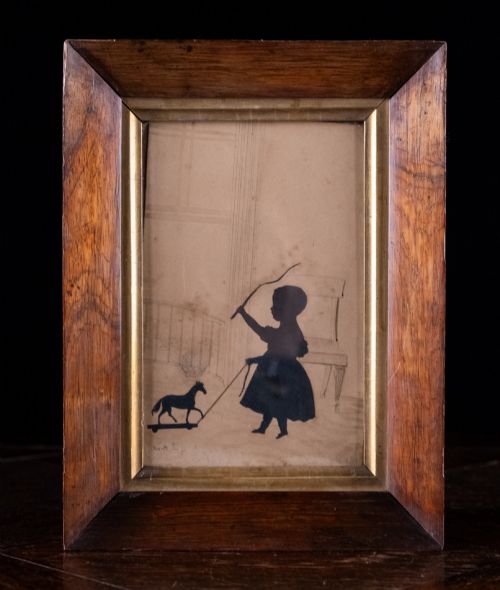
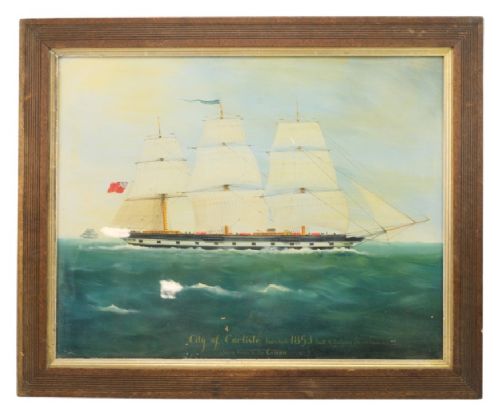
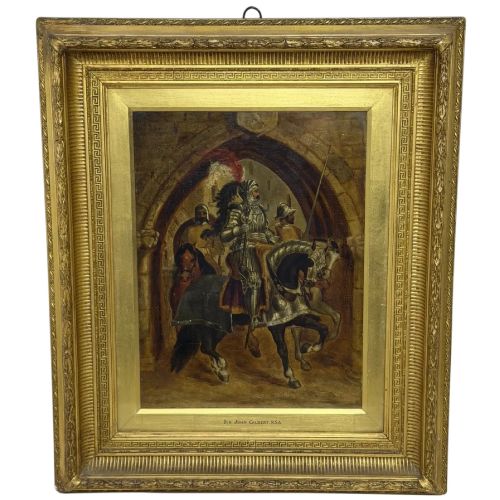
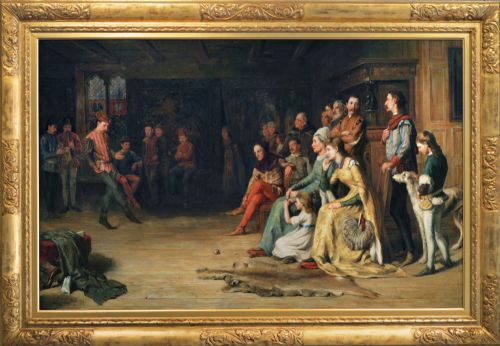
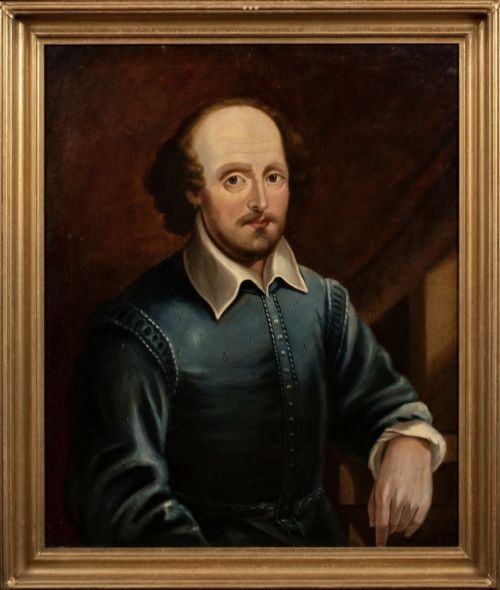
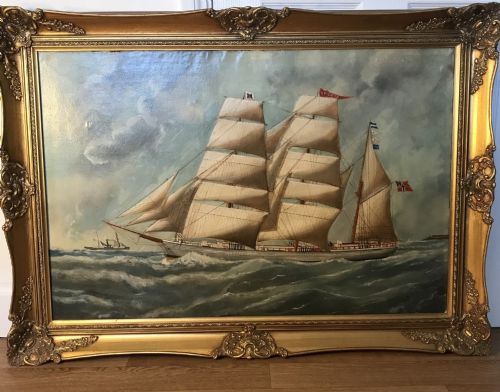
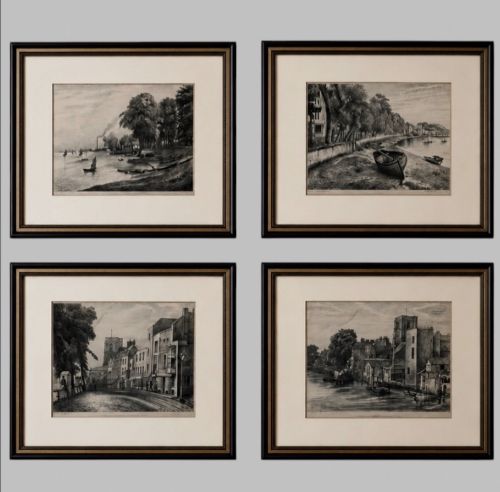
When you search for 19th century historical artwork, you encounter visual records spanning portraiture, maritime scenes, and genre painting from periods such as the Victorian and Regency eras. The selection comprises oil paintings, watercolours, engravings, and silhouettes that document military campaigns, social history, and theatrical subjects.
Most pieces meeting this description date from the mid to late 19th century, reflecting the period's intense appetite for narrative subjects and historical reconstruction. These works range from intimate graphite drawings and pastel portraits to large canvas compositions depicting naval battles, literary figures, and domestic interiors.
Materials and construction
Makers utilised oil on canvas and watercolour pigments on paper, frequently framing works in period giltwood or original Hogarth mouldings. Drawings and prints on paper rely on graphite, lithography, and engraving techniques established across the Georgian and Victorian periods.
Support structures involve traditional wooden stretchers for canvas works and heavy paper or card for watercolours, pastels, and silhouettes. Gold leaf often accents the frames and specific illustrative elements within the prints and paintings.
Several pieces preserve the stern gazes of Victorian militia members who clearly missed breakfast before sitting for their portraits.
Judging quality in historical pieces
Quality rests upon the precision of the draughtsmanship, the handling of light and pigment, and the integrity of the original framing. Works produced by named painters or associated circles display superior anatomical proportion and compositional balance compared to anonymous studio copies.
The survival of original supporting elements, such as period mounts, Hogarth frames, and legible artist inscriptions, elevates the standing of an individual piece. Condition plays a role, with stable canvas tension and minimal pigment loss preserving the narrative clarity of the scene.
Felix Stone Moscheles·Augustin Edouart·Thomas Spinks·Johann Hamza·Thomas Hicks·John Robert Dicksee
The 19th Century Historical Artwork Glossary
- Engraving
- An intaglio printing process where lines are cut into a metal plate with a sharp tool to hold ink. This technique allowed the mass production of detailed historical scenes and portraits before photography.
- Genre painting
- The pictorial representation of scenes from everyday life, often involving figures in domestic or social settings. In 19th-century works, these scenes frequently carry historical or theatrical narratives.
- Giltwood
- Wood carved and coated with a thin layer of gold leaf or gold paint. It appears widely on the frames encasing Victorian and Regency oil paintings.
- Lithography
- A planographic printing method based on the chemical repulsion of oil and water. Artists used this to produce affordable prints of historical events and topographical views.
- Silhouette
- A portrait profile cut from black paper or painted in solid dark pigment against a pale background. Early 19th-century examples often depict sitters with delicate highlights in gold or white.
19th Century Historical Artwork: Frequently Asked Questions
What subjects appear in these artworks?
The subjects cover naval battles, military campaigns, theatrical portraits, and domestic genre scenes from the 19th century. Many pieces record specific historical events, such as troop movements and political allegories.
Others depict literary figures, historical personages, and everyday life during the Victorian and Regency eras.
How should I display these pieces?
Keep works on paper away from direct sunlight to prevent the fading of watercolour pigments and graphite lines. Oil paintings on canvas benefit from stable indoor humidity and gentle ambient lighting.
Ensure that heavy framed pieces are hung securely using appropriate wall fixings that match the weight of the giltwood or wood mouldings.
How do I identify the period?
Examine the materials, framing style, and subject matter for clues regarding the date of creation. Regency works often feature restrained silhouettes and pencil sketches, while Victorian pieces lean towards detailed social history and narrative oils.
Inscriptions on the reverse or contemporary framing details frequently provide the exact year or the artist's active dates.
What is a genre historical painting?
A genre historical painting depicts non-portrait figures engaged in everyday activities within a specific past era. These works tell a story about domestic life, social interactions, or historical customs.
Artists used these compositions to bring historical narratives into the domestic interiors of 19th-century homes.