




19th Century Oil Study
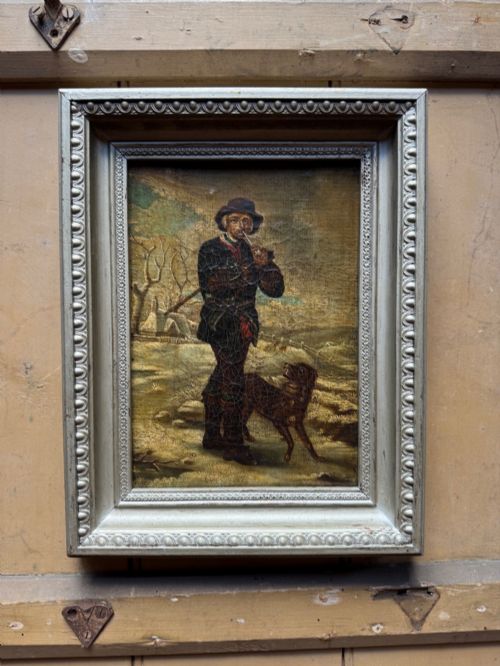
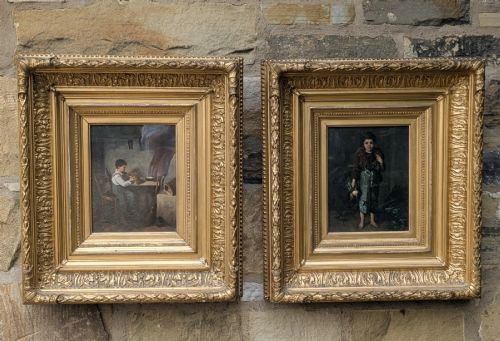
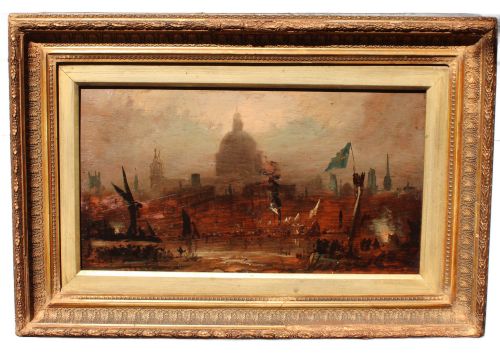
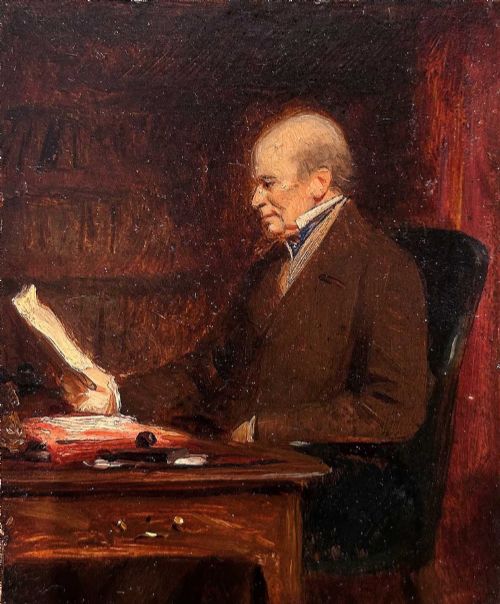
A 19th century oil study captures the immediate, unpolished observation of an artist at work.
19th Century Oil Study
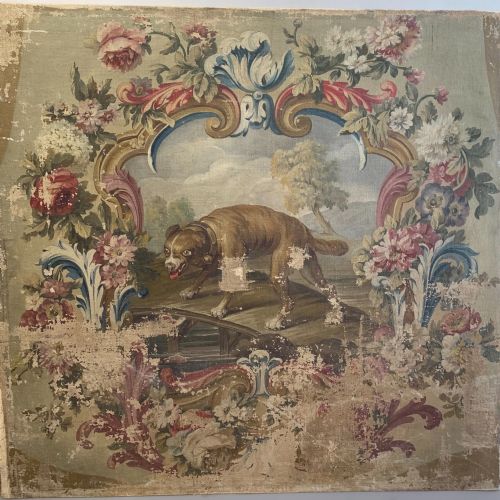
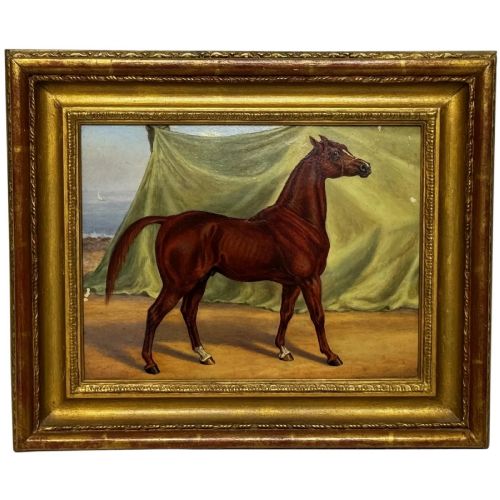
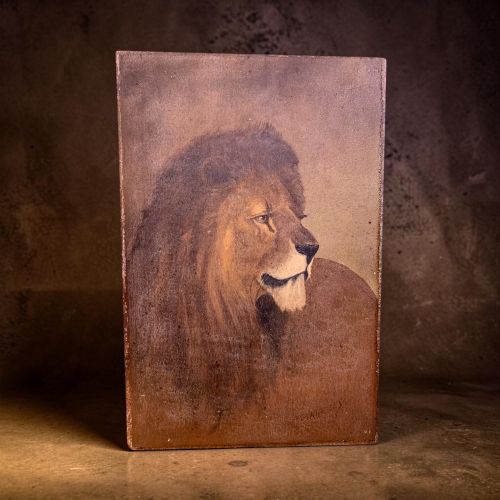
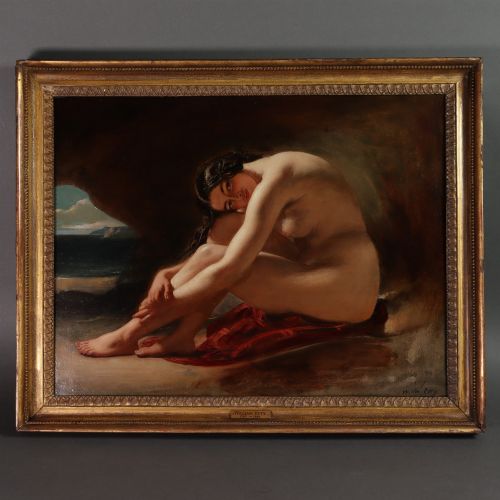
A 19th century oil study represents the foundational groundwork of historical painters, capturing fleeting light, anatomical details, or landscape elements before final exhibition pieces were commissioned. Buyers encounter varied formats ranging from intimate portrait heads and botanical arrangements to rapid plein air cloud studies and animal observations.
The selection frequently highlights academic exercises, informal sketches on panel or paper, and preparatory compositions by both named European masters and anonymous regional schools. These works appeal to collectors seeking direct insight into nineteenth-century studio practice rather than heavily polished, finished salon canvases.
How they were made
Artists applied oil paint using brushes and palette knives onto stretched canvas, prepared wood panels, heavy paper, or artist boards, frequently leaving visible brushstrokes and underpainting exposed. These experimental surfaces were often housed in decorative giltwood and gesso frames that complemented the intimate scale of the work.
Plein air execution outdoors required portable wooden box easels and quick layering techniques to capture transient natural conditions, whilst studio studies utilised live models, plaster casts, or arranged still life objects under controlled interior lighting.
Nineteenth-century artists occasionally painted studies of unexpected household animals, including a bloodhound posed directly on an artist's palette.
What varies in quality
Quality rests upon the confidence of the brushwork and the precision of tonal observation, distinguishing hurried student exercises from the assured dexterity of accomplished academic painters. The preservation of the original paint layer, stability of the panel or canvas support, and the integrity of the period gilt frame significantly influence the standing of each piece.
Stephen Pearce·William Etty·James Clark·Frederick Christian Lund·John Arthur Lomax·John Robertson Reid·Kershaw Schofield·Joseph Murray Ince
The 19th Century Oil Study Glossary
- Oil study
- A preliminary painting executed to capture colour, light, or composition prior to beginning a larger, finished work. These pieces display direct brushwork and rapid execution.
- Plein air
- Painting outdoors in direct natural light to record the immediate visual effects of scenery and atmosphere. This method became central to nineteenth-century landscape and impressionist practices.
- Gesso
- A traditional paint mixture consisting of a neutral binder mixed with chalk, gypsum, or pigment, applied to wooden panels or canvas to prepare a smooth surface for oil painting.
- Academic
- Artwork created in accordance with the formal standards and rigorous training methods of official European art academies and institutions. These pieces often focus on classical human anatomy and historical subjects.
19th Century Oil Study: Frequently Asked Questions
What is an oil study?
An oil study is a preparatory painting created by an artist to explore light, colour, and composition before committing to a larger canvas. These works offer a spontaneous glimpse into the creative process.
They were typically kept in the artist's studio for future reference rather than exhibited publicly, which explains their intimate scale and unvarnished immediacy.
How should I frame an oil study?
Many nineteenth-century studies survive in their original giltwood and gesso frames, which complement the darker tones and textures of the period. Matching a neutral or period-appropriate frame protects the edges of the canvas or panel.
Avoid overly modern frames that clash with the historical patina of the painted surface, allowing the original character of the work to remain the focus.
Where were these paintings created?
These works originated across European studios, academic institutions, and outdoor locations where artists practised plein air painting. British, French, German, and Scandinavian schools contributed extensively to this tradition.
Academic training grounds, such as official art schools and private ateliers, produced numerous anatomical and still life exercises that survive today.
How do I care for an oil study on paper?
Studies executed on paper require mounting behind glass with conservation-grade materials to prevent environmental damage and paper degradation. Keep them away from direct sunlight to preserve the stability of the nineteenth-century oil pigments.
Stable indoor humidity and temperature levels prevent the paper support from warping or developing foxing over time.