


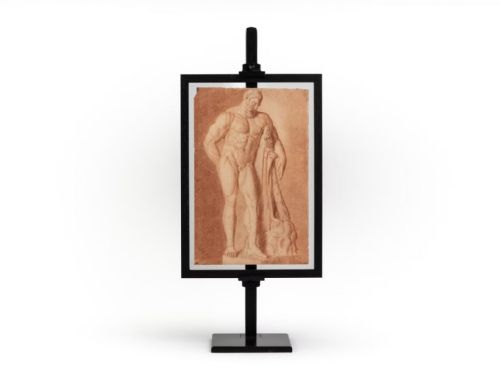


Classical Anatomical Drawing
A classical anatomical drawing offers a rigorous study of the human form, prized for its meticulous draftsmanship and historical insight into artistic training.
Classical Anatomical Drawing
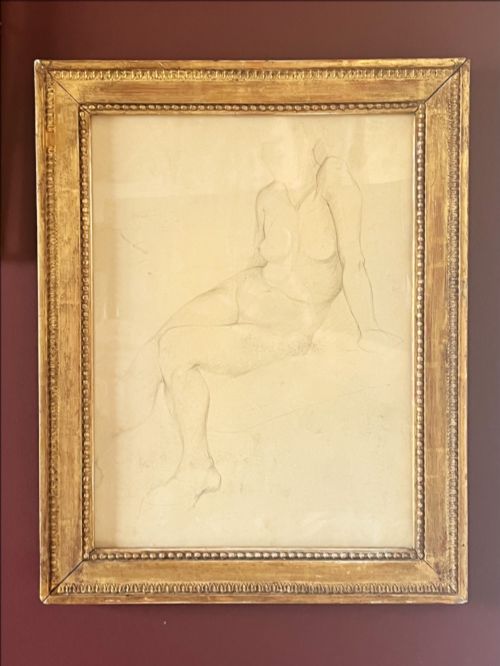
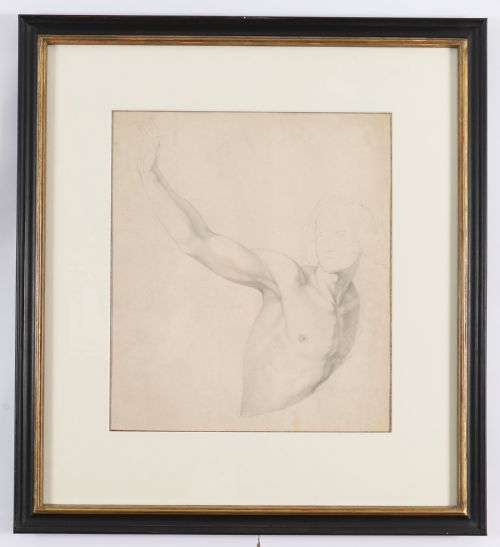
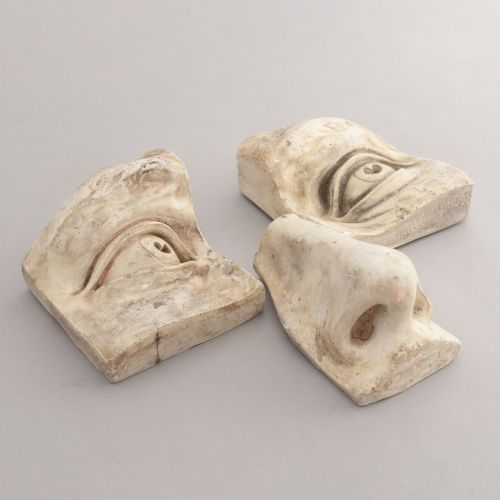
A classical anatomical drawing captures the human figure through disciplined academic study, reflecting rigorous training methods from past centuries. When exploring this selection, buyers encounter framed artworks on paper alongside plaster casts that translate three-dimensional form into precise visual study.
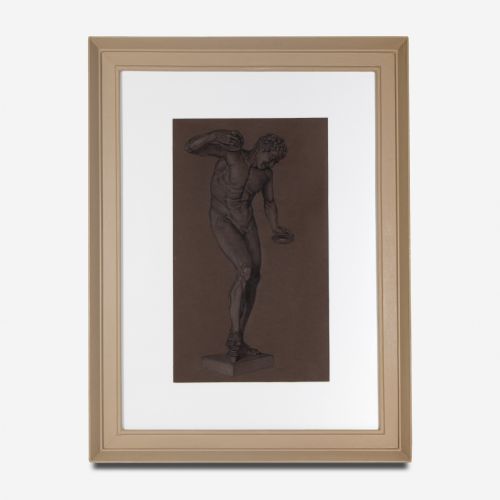
The pieces on this page span several periods, including the eighteenth and nineteenth centuries, as well as twentieth-century examples. Forms range from detailed figural studies after Raphael and oil studies of feet to sketches of classical figures like Hercules Farnese.
Originating from academic traditions, these works frequently employ styles such as academic realism and neoclassical academic approaches. Collectors searching for classical anatomical drawing will find framed original drawings and sketches that document the enduring pursuit of proportion and anatomy.
Materials and methods of creation
These works rely primarily on paper, graphite, charcoal, and red chalk to render fine lines and subtle tonal gradations. Artists utilised these media to capture muscular structure and skeletal precision with exactitude.
Some industrious students simply flipped their drawing paper over, leaving us with double-sided sketches of Hercules on the front and back.
Factors of distinction
The distinction between standard academic exercises and superior examples lies in the sureness of the line and the depth of anatomical understanding demonstrated by the hand. Masterful control of graphite, chalk, or oil on paper reveals a profound grasp of musculature and proportion that elevates a simple study into a compelling work of art.
The integrity of the framing and the preservation of the paper surface further influence the overall standing of a piece. Original antique frames utilising gilt wood and gesso contribute historical context and aesthetic weight to works originating from nineteenth-century or earlier European schools.
Henry Arthur Roberts·Michelangelo
The Classical Anatomical Drawing Glossary
- Academic Realism
- A style of painting and drawing produced under the influence of European academies of art, emphasising meticulous technique and realistic depiction. It forms the foundation of most nineteenth-century life studies.
- Recto and Verso
- Terms used to describe the front and back of a single sheet of paper or artwork. Drawings frequently appear on both sides in older sketch studies.
- Plaster Cast
- A sculpture created by pouring plaster into a mould, often used in art academies for students to draw from classical statues. These casts provide stable subjects for studying light and shadow.
- Red Chalk
- A brownish-red haematite pigment used extensively for drawing during the Renaissance and later academic periods. It allows artists to model flesh tones and musculature with warmth.
- Neoclassical Academic
- A style drawing inspiration from the art and culture of classical antiquity, prioritising clarity of form and noble simplicity. It heavily influenced nineteenth-century life drawing.
Classical Anatomical Drawing: Frequently Asked Questions
What is a classical anatomical drawing?
A classical anatomical drawing is an academic study of the human body created to train artists in proportion, musculature, and form. These works rely on precise observation and traditional media like graphite, chalk, or oil on paper.
Originating largely from European art academies, they capture subjects ranging from full life studies to detailed renderings of specific body parts like feet or eyes.
How were these drawings used historically?
Artists and students utilised these drawings as core exercises in mastering human anatomy and classical proportion. Working from life or from plaster casts of antique sculpture allowed students to build technical proficiency.
Such studies served as preparatory works or portfolio pieces within academic training grounds before developing into collectible artworks in their own right.
How should I display framed drawings?
Framed works on paper require careful placement away from direct sunlight to prevent the fading of graphite, chalk, and paper substrates. Maintaining stable indoor humidity protects both the delicate media and the antique wood or gilt frames.
Pairing these historic pieces with appropriate wall lighting highlights the subtle tonal shifts and fine linework characteristic of academic art.
How do I identify a nineteenth-century study?
Nineteenth-century academic studies typically exhibit specific paper qualities, watermarks, and mounting styles consistent with period manufacturing techniques. The presence of academic realism and neoclassical influences provides strong stylistic indicators.
Signatures, inscriptions, or documentation regarding European art schools and named artists further help establish the era of creation.