




Gilt Framed Oil Study
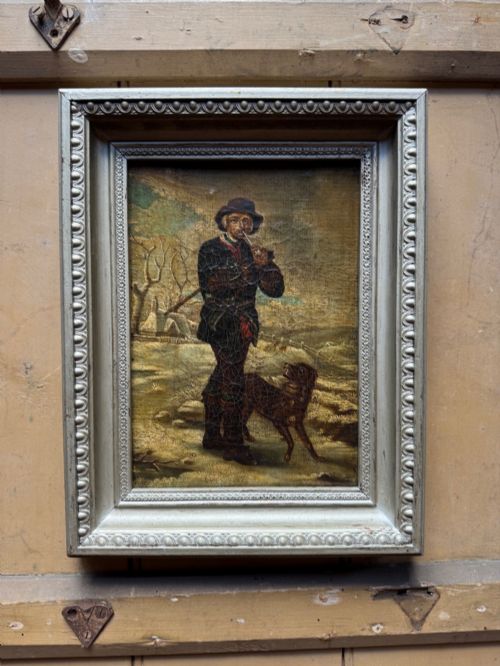
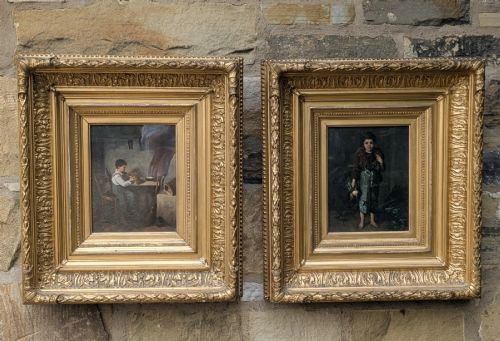
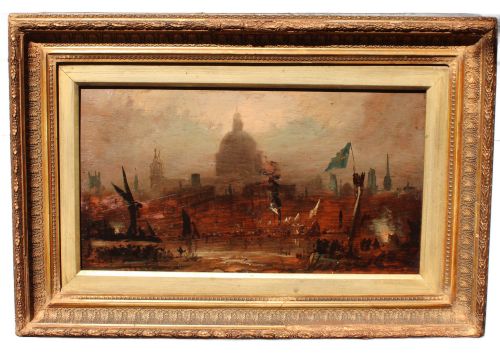
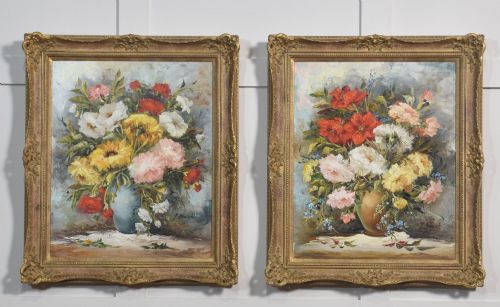
A gilt framed oil study captures the spontaneous energy of an artist at work, preserved within heavy goldleaf moulding.
Gilt Framed Oil Study
A gilt framed oil study is a direct painted record of an artist exploring a subject, whether that is a swift sketch of a foot, a landscape, or a portrait study.
The pieces on this page span from the seventeenth century through the Victorian era to post-war studio works, showcasing oil on canvas, wood, panel, and paper.
Most examples lean towards portraiture, animal studies, and still life compositions, often retained in their original housing of carved timber and gesso.
How they were made
Artists applied oil paint using canvas, wood panels, or heavy paper as a ground, capturing fleeting light and form before developing a finished exhibition canvas.
Frames were constructed from wood and layered with gesso, then finished with gold leaf or metallic gilt to reflect candlelight and brighten the painted surface.
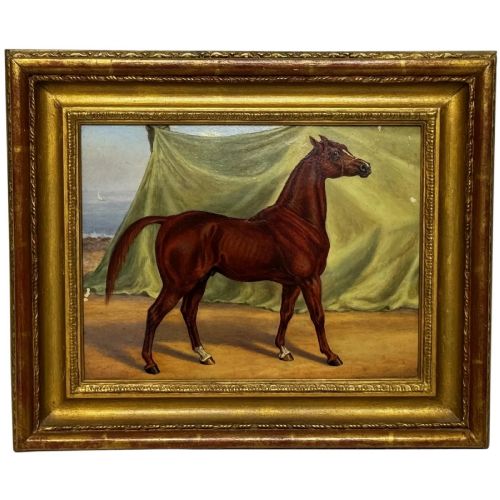
Among the subjects captured in oil are a very dignified purebred Arabian horse and a remarkably bashful feline companion.
What varies in quality
Quality rests upon the confidence of the brushwork and the immediacy of the artist's hand, distinguishing a purposeful study from a laboured copy.
The relationship between the painting and its frame determines the overall integrity, noting whether the giltwood mount complements the period of the canvas.
Michael Dahl·Thomas Murray·William Etty·Allan Douglas Davidson·Frank Moss Bennett·Constant Troyon
The Gilt Framed Oil Study Glossary
- Oil study
- A preliminary painting executed quickly to test colours, composition, or light. These works often display greater freedom than formal finished portraits.
- Gesso
- A plaster mixture applied to wood frames to create a smooth surface for gilding. It is built up in thin layers before being carved or burnished.
- Gold leaf
- Metal beaten into extremely thin sheets and applied to frames using size. It provides a permanent metallic lustre that does not tarnish easily.
- Provenance
- The documented history of ownership associated with a painting. A clear paper trail establishes authenticity and past exhibitions.
Gilt Framed Oil Study: Frequently Asked Questions
What is an oil study?
An oil study is a quick preparatory painting made to capture light, tone, or composition before embarking on a larger finished canvas. Artists used these rapid sketches to work out technical problems or record a transient scene.
Because they were often kept in the artist's studio for reference, studies frequently reveal a looser and more experimental handling of paint than commissioned portraits or landscapes.
How do I care for a gilt frame?
Gilt frames require careful handling because the gold leaf and gesso layers are fragile and sensitive to moisture. Dust them gently with a soft, dry brush rather than wiping them with cloths that might catch on carved details.
Keep the frames away from direct sunlight and fluctuating humidity to prevent the underlying wood from warping and the gesso from cracking.
Are these paintings original?
The works listed are original period oil paintings created by hand on canvas, panel, or paper. Many date back centuries, carrying the authentic pigments and canvas textures of their respective eras.
Each piece reflects the specific materials and painting techniques of the period in which it was produced, rather than being a modern reproduction.
Why are they framed in gold?
Gold leaf frames were chosen to isolate the painting from its surroundings and direct the viewer's eye into the depth of the canvas. The reflective metallic surface also helped bounce candlelight and natural light onto the painted image in dim rooms.
Over time, the giltwood acquired a warm patina that complements the aged tones of historical oil paint.