



Antique Foot Study
An antique foot study comprises detailed artistic renderings and carved support elements rooted in Georgian and Victorian craftsmanship, prized by collectors for their anatomical precision.
Antique Foot Study
When you search for an antique foot study, you encounter works spanning the eighteenth and nineteenth centuries, including oil paintings on paper alongside carved mahogany and walnut support elements. The version most frequently met on this page is the nineteenth-century oil study of a foot, capturing precise draftsmanship.
The material record includes pieces framed in walnut, mahogany, oak, and burr walnut, reflecting the domestic and studio environments of their creation. These objects connect the fine art study of anatomy with the decorative arts of desks and seating.
How they were made
The oil studies utilise oil pigment applied directly to paper, capturing tonal gradation and musculature through careful observation. Supporting furniture pieces employ native and exotic hardwoods shaped by hand.
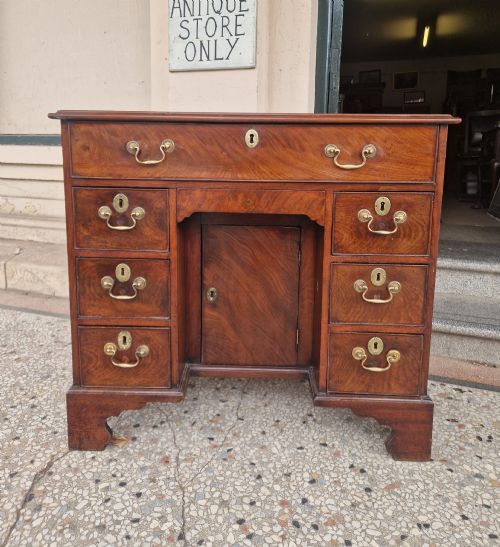
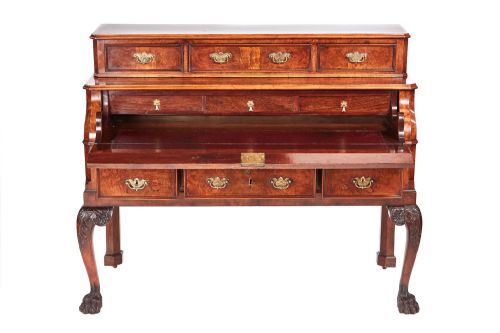
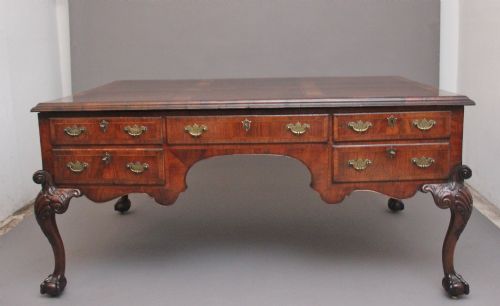
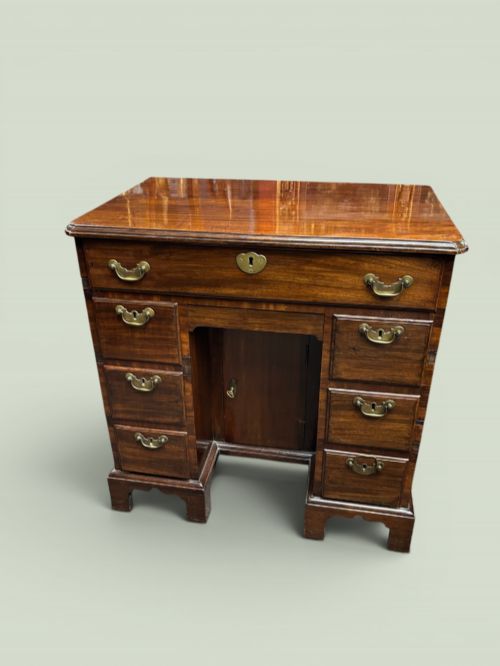
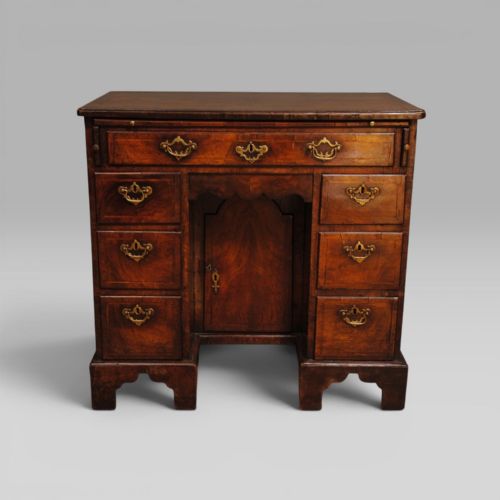
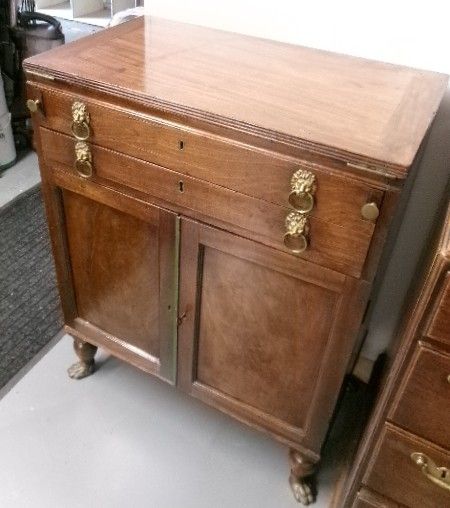
Carpentry techniques involve mortise and tenon joinery for stability, complemented by carved mahogany and ormolu mounts. Details such as bracket feet and carved claws demonstrate specialist joinery.
Form categories on this page include oil paintings, writing desks, and study armchairs.
What varies in quality
Quality rests in the precision of the anatomical observation in painted works and the crispness of the carving in wooden supports. Superior examples show confident handling of line and proportion.
The selection of timbers, from figured burr walnut to dense mahogany, dictates the visual depth of the piece. Retention of original surface finishes distinguishes well-preserved items from later alterations.
The Antique Foot Study Glossary
- Oil study
- A preliminary painted artwork created to capture form, light, or anatomical detail. These pieces record direct observation from life.
- Bracket foot
- A structural support extending from the bottom corners of a case piece, shaped like a bracket. They appear frequently on eighteenth-century desks.
- Paw foot
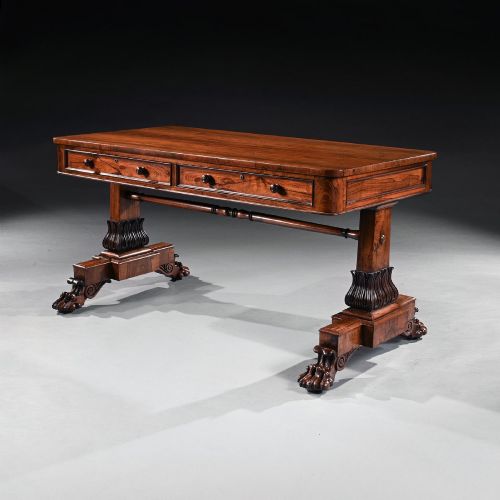
- A carved furniture foot resembling an animal paw, often associated with Regency and Victorian designs. They are typically rendered in mahogany or walnut.
- Kneehole desk
- A writing desk featuring a central recessed space for the legs flanked by banks of drawers. This form is common in Georgian examples.
Antique Foot Study: Frequently Asked Questions
What is an antique foot study?
An antique foot study is an artistic rendering, typically executed in oil on paper during the nineteenth century, focusing on anatomical form. These works served as practice pieces or academic exercises for artists.
Alongside painted works, the category encompasses carved furniture feet and supports from desks and seating, reflecting period craftsmanship.
How were oil studies on paper used?
Artists used studies of feet and limbs to master proportion, shadow, and muscle structure before incorporating them into larger narrative paintings. They functioned as working tools within studio practice.
Framed and preserved, these works now offer insight into historical academic art training methods.
What woods appear in these pieces?
The furniture items and supports associated with this search utilise hardwoods such as mahogany, walnut, burr walnut, rosewood, and oak. These timbers were chosen for durability and grain.
Purchasers find varied surface treatments including inlay and polished finishes.
How do I date a foot study?
Dating relies on the substrate materials, medium, framing style, and stylistic conventions visible in the brushwork or carving. Eighteenth and nineteenth-century works exhibit specific handling characteristic of their period.
Contextual evidence from associated pieces helps establish the likely decade of origin.