


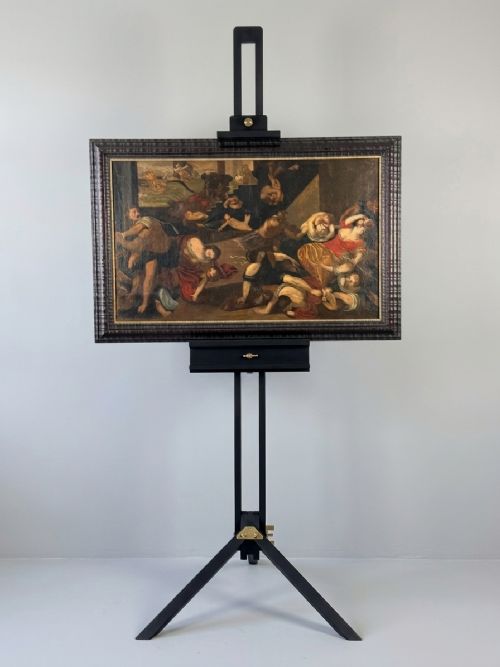

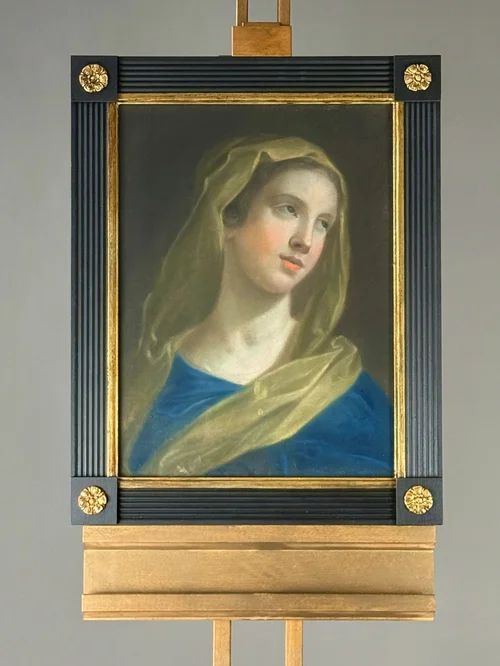
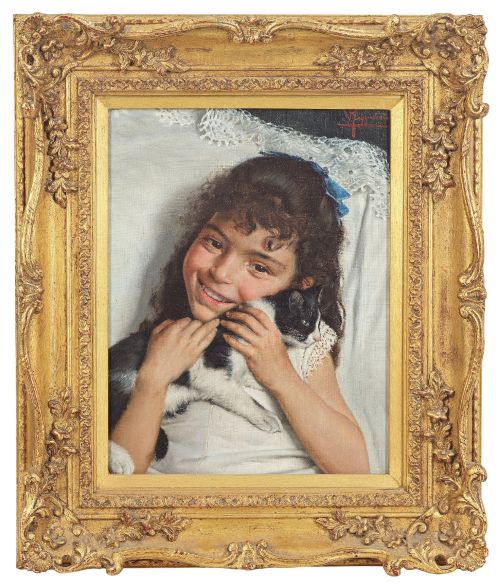
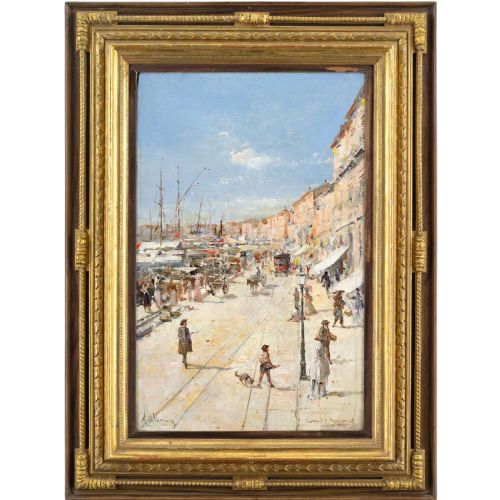
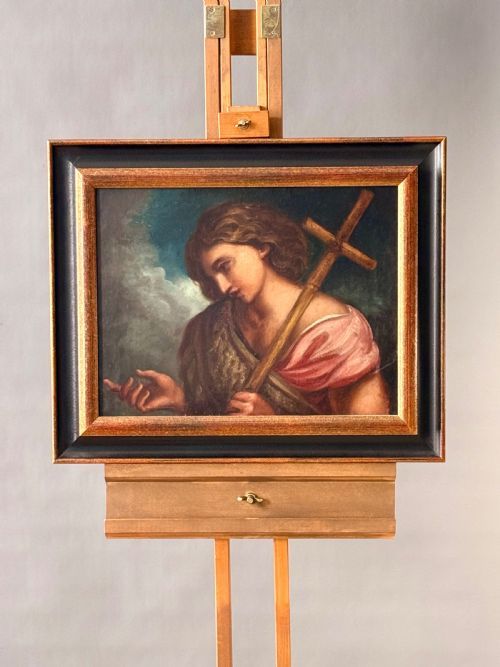
Antique Italian Artwork
Antique italian artwork carries the hand and eye of centuries past, offering collectors rich oil paintings and watercolours that anchor a room with southern warmth.
Antique Italian Artwork
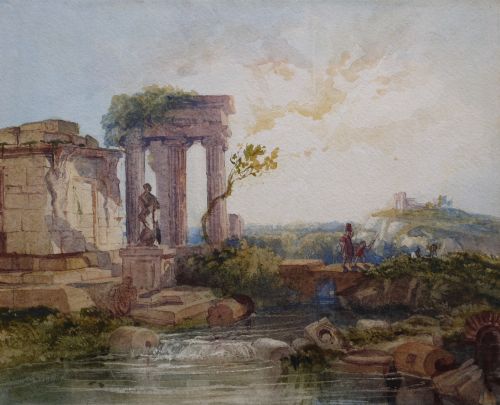
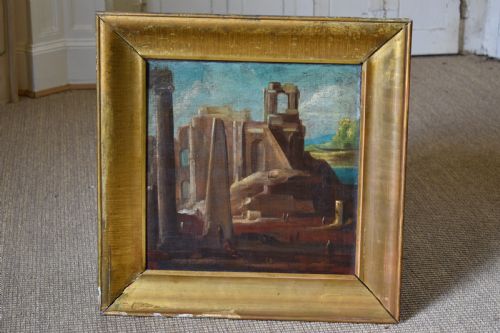
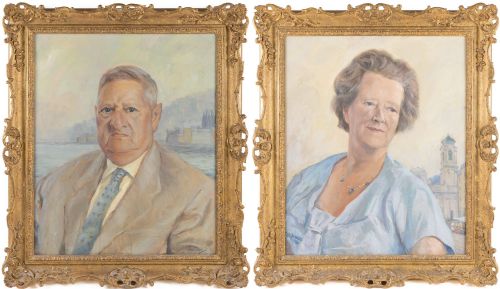
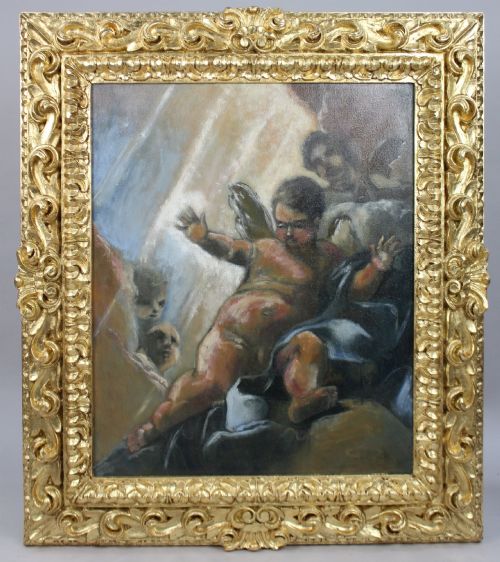
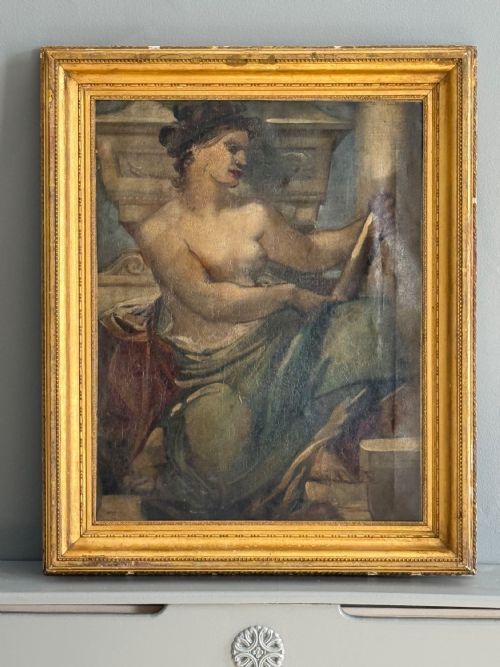
When you search for antique italian artwork, you encounter centuries of painting traditions stretching from sixteenth-century Renaissance portraits to nineteenth-century romantic watercolours of the Venetian lagoon. The selection spans grand oil paintings on canvas, intimate pastels, and detailed watercolours capturing architectural ruins and bustling Mediterranean markets.
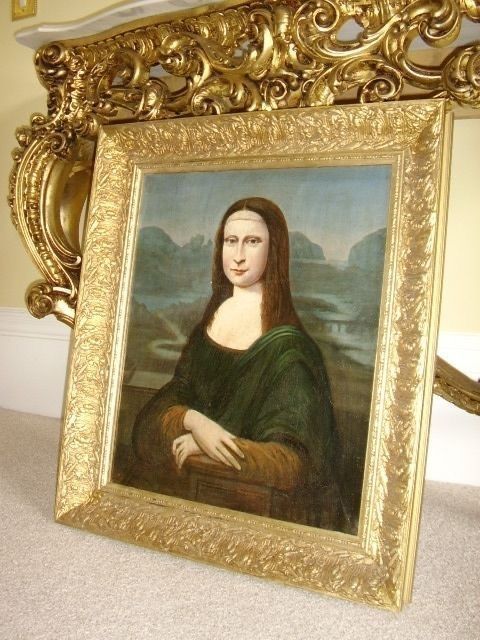
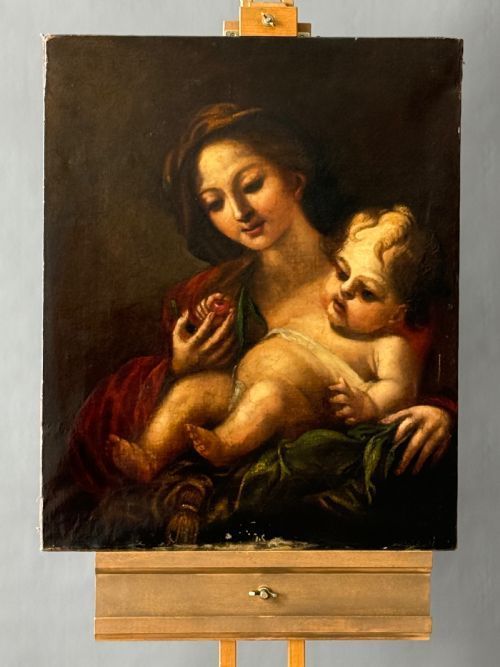
You are most likely to meet nineteenth-century oil paintings and watercolours on this page, often reflecting the Grand Tour travels of earlier generations or pastoral Tuscan landscapes. Portraits after old masters and atmospheric views of the Grand Canal appear frequently alongside pastoral scenes and religious subjects.
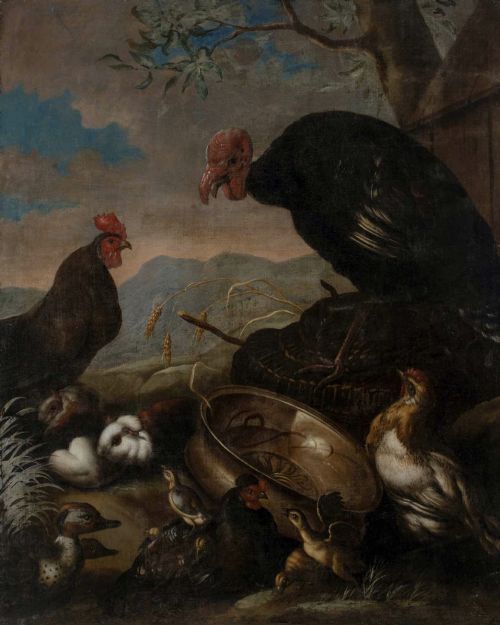
The objects range from large unframed canvases to works set in heavy carved giltwood frames or ebonised surrounds. Pieces span multiple periods including the seventeenth-century Baroque era, the eighteenth-century schools, and later nineteenth-century revivals of earlier Renaissance aesthetics.
Materials and techniques
Makers applied oil paint or watercolour to supports of canvas, wood, paper, and card, building compositions through layered pigments and delicate washes. Many canvases rely on traditional grounds while watercolours capture light on textured paper.
Antique Italian Artwork Retail Price Guide 2026
Typical asking prices for italian artwork among the pieces listed under this phrase on Sellingantiques today, from the lower quarter to the upper quarter. They describe what is for sale here now, not the wider market.
Listings feature works spanning the sixteenth, seventeenth, eighteenth, and nineteenth centuries, executed in oil and watercolour on canvas, wood, and paper.
Factors that define quality
Quality rests on the certainty of the brushwork, the depth of composition, and the fidelity of the perspective within landscapes or portraits. Stronger works demonstrate confident handling of light and shadow, particularly in the rendering of drapery, water, or architectural facades.
The integration of the artwork with its housing plays a role, as period giltwood frames designed specifically for the canvas elevate the presentation. The condition of the pigment layer and the stability of the original support determine the integrity of the surviving piece.
Angelo Maria Crivelli·Benedetto Luti·Vittorio Reggianini·Augusto Alberici·Alfred Pollentine·Francis Moltino·Michelangelo Meucci·Guillaume Courtois·Carlo Ferranti·Renato Moretti·Robert George Talbot Kelly
The Antique Italian Artwork Glossary
- Grand Tour
- A traditional trip through Europe undertaken by upper-class young men in the eighteenth and nineteenth centuries to study the arts, resulting in the purchase of local paintings and watercolours.
- Old Master
- A term applied to European painters of high skill working before about eighteen hundred, or to a painting produced by such an artist.
- Giltwood
- Wood that has been covered with a thin layer of gold leaf or gold paint, frequently used for ornate picture frames.
- Trompe l'oeil
- An art technique involving extremely realistic imagery that creates the optical illusion that the depicted objects exist in three dimensions.
- Provenance
- The chronology of the ownership, custody, or location of a historical artwork, establishing its authenticity and history.
Antique Italian Artwork: Frequently Asked Questions
What is antique italian artwork?
Antique italian artwork encompasses paintings, watercolours, and framed wall art produced by Italian artists or inspired by Italian traditions between the sixteenth and twentieth centuries.
These pieces capture religious scenes, grand landscapes, architectural views of Venice and Rome, and formal portraits.
How were these paintings displayed?
Historical collectors housed these paintings and watercolours within domestic interiors, often hanging them in parlours, galleries, or libraries to signal cultivation and travel.
Many works were commissioned specifically for carved giltwood frames that matched the decorative schemes of period rooms.
How do I care for antique oil paintings?
Oil paintings require stable indoor humidity and temperature away from direct sunlight to prevent the canvas from sagging and the pigment from cracking.
Dust should be removed gently with a soft, dry brush without applying moisture or chemical cleaning agents to the paint surface.
How can I tell the period of a painting?
Dating relies on examining the stretcher frames, the weave and preparation of the canvas, the pigments utilised, and the stylistic conventions of the brushwork.
Signatures, inscriptions, and historical framing styles offer further clues to the decade or century of creation.