

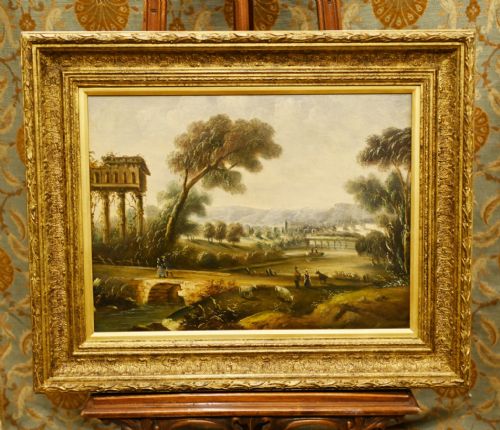
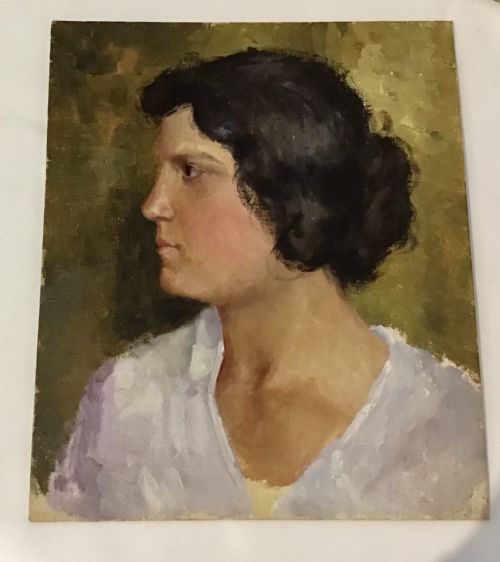


Italian School Oil Painting
An italian school oil painting carries centuries of regional artistry, religious iconography, and classical landscape traditions directly into a room.
Italian School Oil Painting
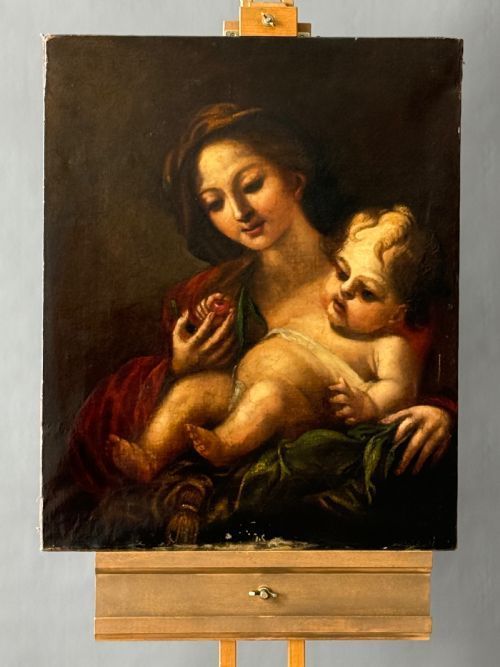
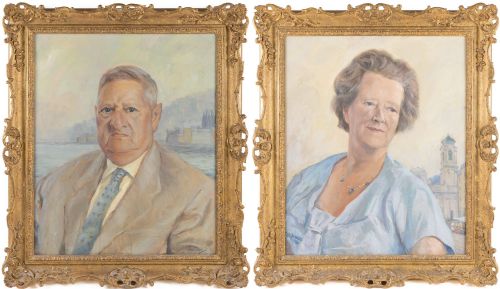
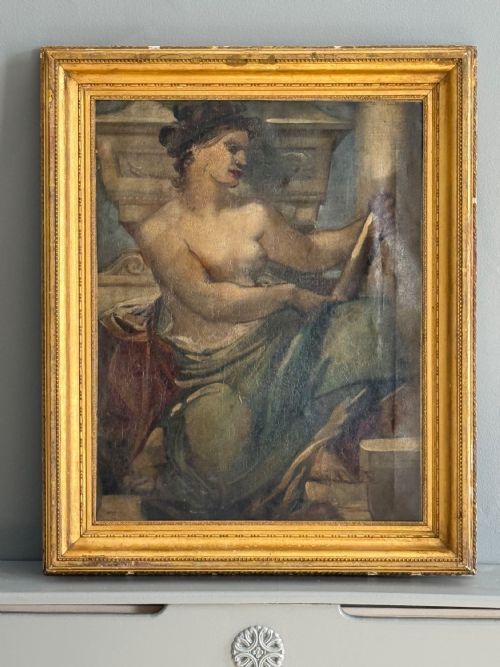
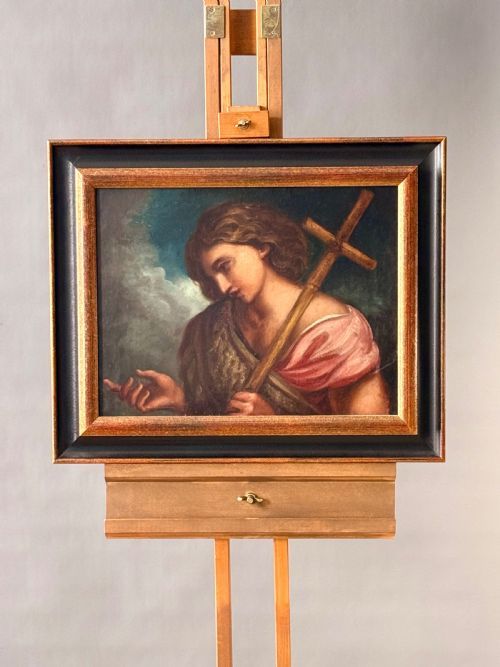
An Italian school oil painting encompasses centuries of historic European fine art, ranging from devotional religious subjects to pastoral landscapes and formal portraits. Buyers searching this phrase look for works executed by regional artists, followers, or copyists working within established Italian traditions from the sixteenth century onwards.
The selections available on this page span from sixteenth-century Renaissance and seventeenth-century Baroque religious scenes to nineteenth-century Grand Tour coastal views and twentieth-century miniatures. Pieces appear in various formats including oil on canvas, wood panel, and board, frequently housed within period gilt frames.
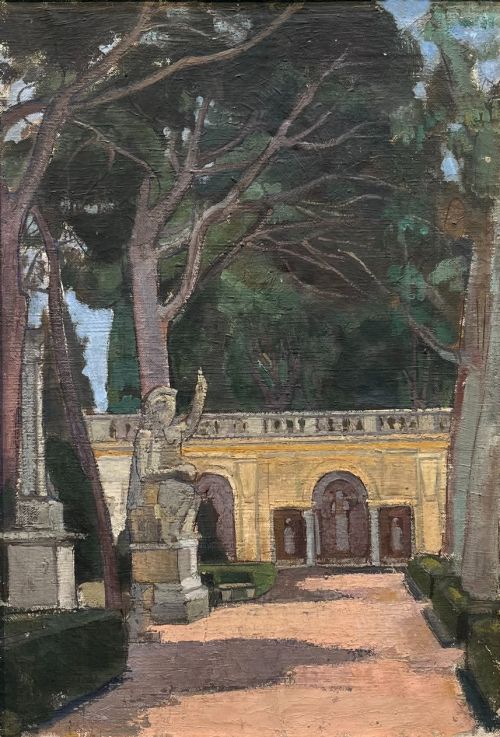
Regional variations feature strongly, with specific offerings representing Venetian, Neapolitan, Tuscan, Romagnola, and Genoese schools. Subjects alternate between grand mythological narratives, depictions of saints, architectural capriccios, and intimate character studies.
What Varies in Quality
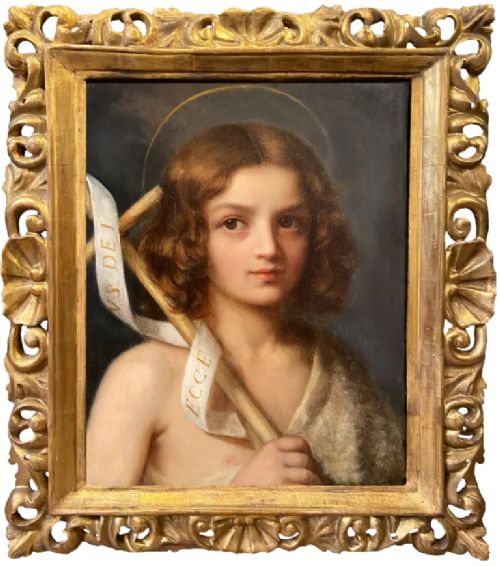
The relationship between the painting and its original or period frame contributes significantly to desirability. Works that retain their contemporary gilded or carved surrounds preserve a more complete historical integrity.
Italian School Oil Painting Retail Price Guide 2026
Typical asking prices for italian school oil painting among the pieces listed under this phrase on Sellingantiques today, from the lower quarter to the upper quarter. They describe what is for sale here now, not the wider market.
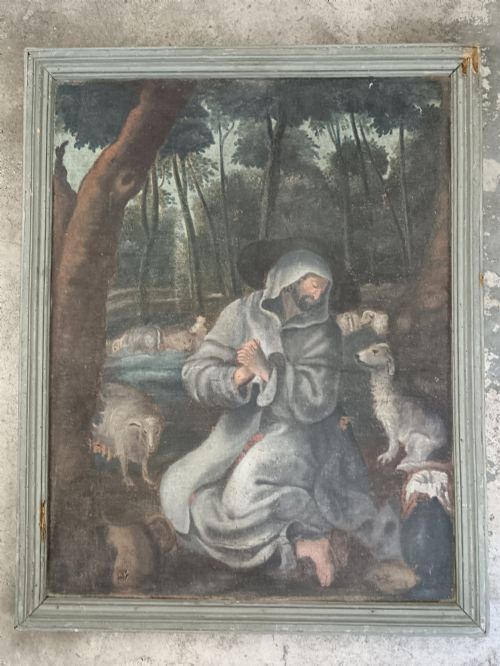
St Francis of Assisi occasionally shares his canvas with an attentive wildlife audience who clearly appreciated his sermons.
Bernardino Luini·Raffaello Sanzio Da Urbino·Domenico Zampieri·Giulio Cecchini·Bartolomeo Schedoni·Consalvo Carelli·Giovanni Battista Moroni·Gian Lorenzo Bertolotto·Rosso Fiorentino·Antonio Allegri Correggio·Francesco Albani·Guido Reni·Antonio Tempesta·Pietro Dasaro·Andrea Celesti·Orsola Maddalena Caccia
The Italian School Oil Painting Glossary
- Pentimento
- An alteration in a painting evidenced by traces of previous work, showing where the artist changed their mind during the creative process. These hidden adjustments often confirm the authenticity of an old master canvas.
- Capriccio
- An architectural fantasy placing together imagined buildings, ruins, and other architectural elements in a fictional pastoral landscape. This genre enjoyed immense popularity during the European Grand Tour.
- Old Master
- A term describing a skilled European painter of note working before the nineteenth century. These artists typically operated within recognised regional schools or workshops.
- Giltwood
- Wood that has been treated with a thin layer of gold leaf or gold paint for decorative effect. Elaborate giltwood surrounds frequently frame historic religious and portrait panels.
Italian School Oil Painting: Frequently Asked Questions
What does Italian school mean?
The designation refers to artists trained or working within Italy, or painters adopting the stylistic approaches of established Italian artistic traditions.
Such works often originate from specific regional hubs such as Venice, Naples, Genoa, or Rome.
How do I identify the period?
Dating relies on stylistic clues, costume details, preparation techniques of the canvas or panel, and framing styles. Renaissance works focus on classical balance, whereas Baroque canvases emphasise dramatic lighting.
Archival attribution, signatures, and subject matter further narrow down the decade of creation.
Where should I hang these paintings?
These works suit traditional reception rooms, studies, or hallways where appropriate wall space allows for proper lighting. Direct sunlight should be avoided to protect the historic oil pigments and canvas.
Pairing the piece with a stable indoor climate prevents warping of wooden panels.
Are these works original?
The inventory includes original period paintings, historical studio copies, and works produced in the manner or circle of major masters. Each listing details whether a piece is an original composition or an antique study after a known artist.
Detailed descriptions outline the relationship between the creator and the historic school.