


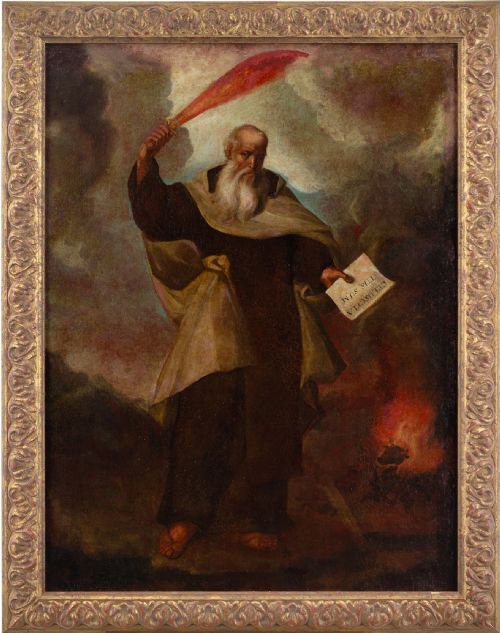


17th Century Religious Art
These pieces of 17th century religious art bring centuries of devotion, dramatic Baroque emotion and solemn craftsmanship straight into your home.
17th Century Religious Art
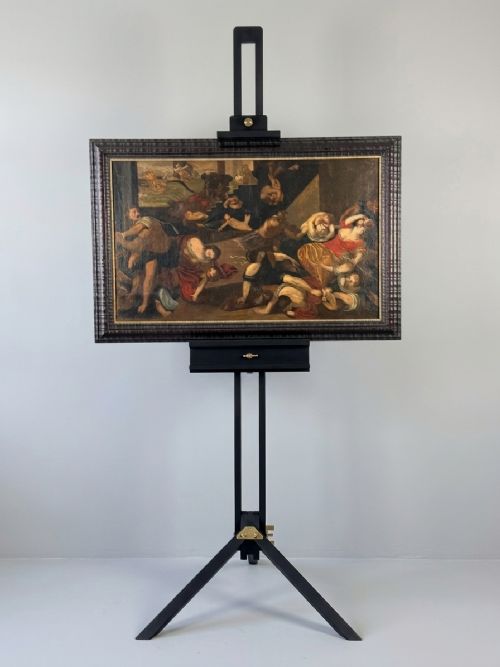
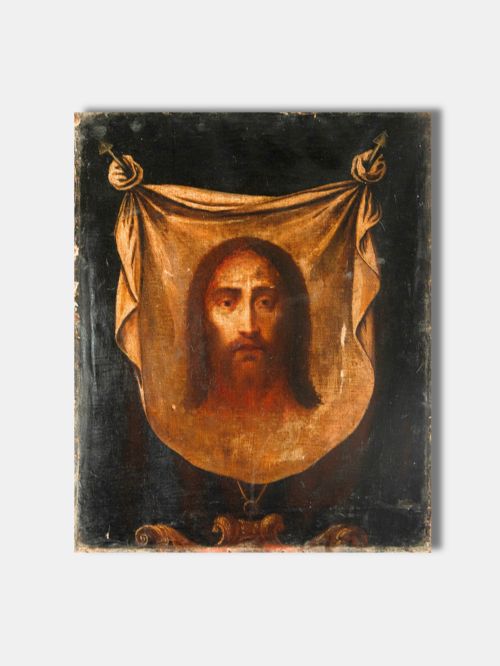
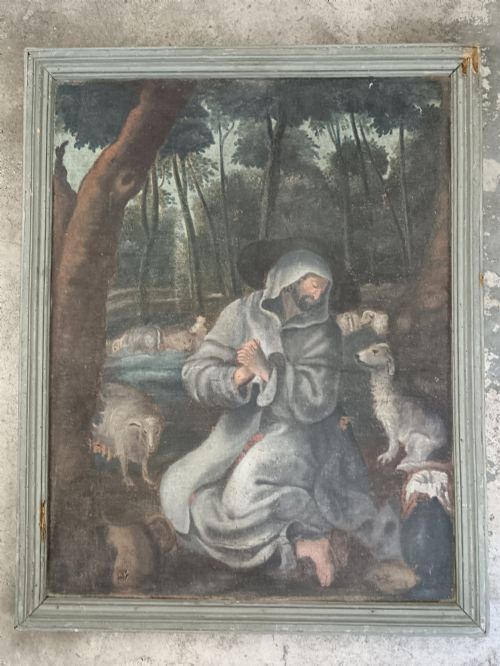
When you search for 17th century religious art, you encounter a focused range of devotional paintings, carved wooden sculptures and textile panels created during a deeply pious era. The selection centres heavily on oil paintings on canvas or panel depicting saints, biblical narratives and portraits of clergy, alongside three-dimensional figures of Christ and various saints.
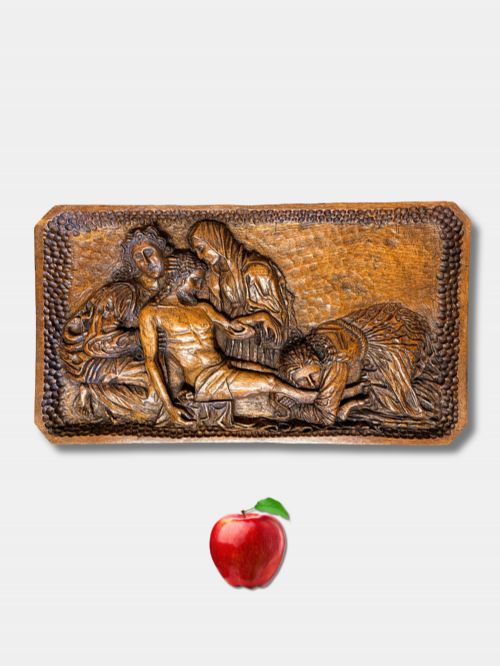
You are most likely to meet regional European works, particularly from Italian, Spanish, Flemish and German schools, alongside occasional English portraits and Spanish Colonial pieces. These range from grand canvas depictions of holy families and martyrdoms to intimate carved panels in chestnut, limewood, walnut and fruitwood.
Materials and construction
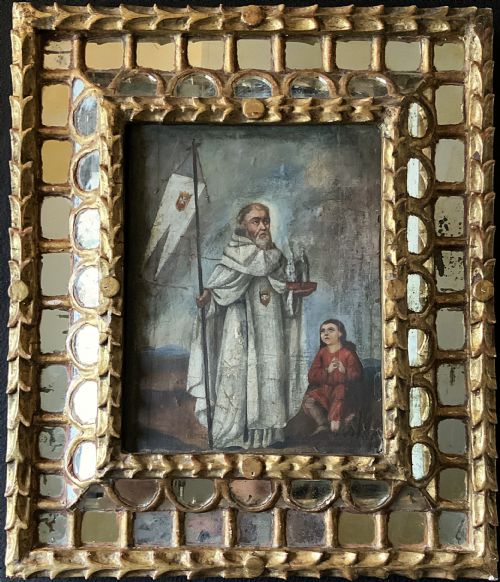
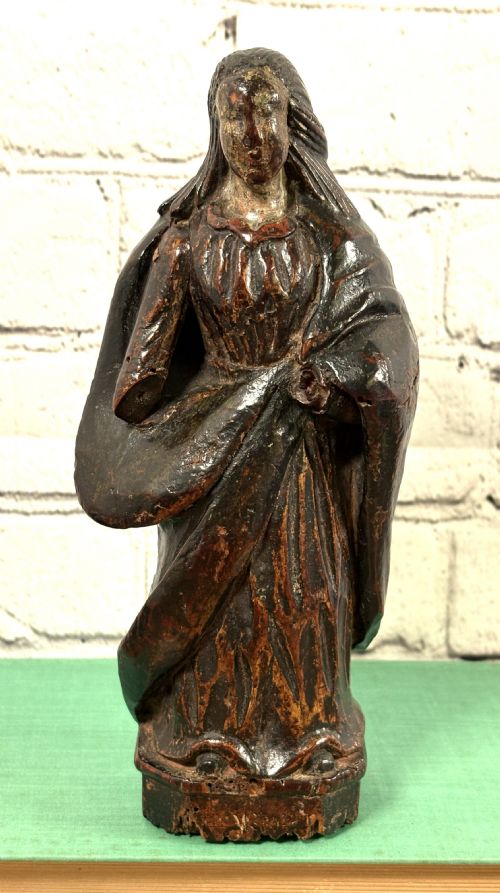
Painters of this era applied oil paint onto stretched canvas, prepared fruitwood panels or occasionally copper plates, frequently incorporating rich pigments and framing works in carved giltwood. Sculptors carved figures from dense hardwoods such as oak, limewood, chestnut, walnut and applewood, often finishing them with polychrome paint or leaving the warm grain exposed.
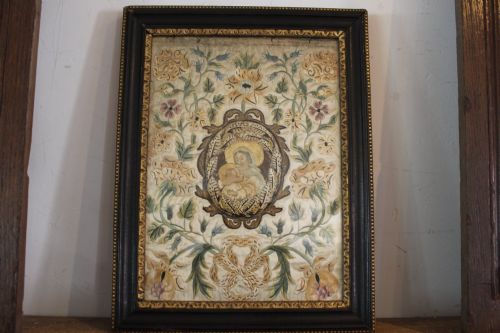
Textile artists worked with fine threads, as seen in surviving silk embroidery panels mounted on Hessian or canvas supports. Artisans also utilised mulberry wood for specialised manuscript objects, combining traditional joinery and carving techniques suited to ecclesiastical workshops.
17th Century Religious Art Retail Price Guide 2026
Typical asking prices for 17th century religious art among the pieces listed under this phrase on Sellingantiques today, from the lower quarter to the upper quarter. They describe what is for sale here now, not the wider market.
Regional styles represented include Spanish Colonial, Flemish, German, Hessian, Genoese and Veronese schools alongside English portraiture.
Judging the standard of execution
The distinction between ordinary workshop output and finer pieces rests in the expressive power of the brushwork or the anatomical confidence of the carving. Master painters captured subtle facial expressions, drapery folds and dramatic lighting characteristic of the Baroque style, whereas lesser regional works display stiffer, more naïve interpretations.
Gian Lorenzo Bertolotto·Guido Reni·Pietro D'asaro·Orsola Maddalena Caccia·Adriaen Van der Werff·John Scougall·Gaspar de Figueroa
The 17th Century Religious Art Glossary
- Baroque
- A theatrical, highly ornate artistic style originating in Italy that dominated seventeenth-century European art. It emphasises dramatic lighting, intense emotion and dynamic movement.
- Corpus Christi
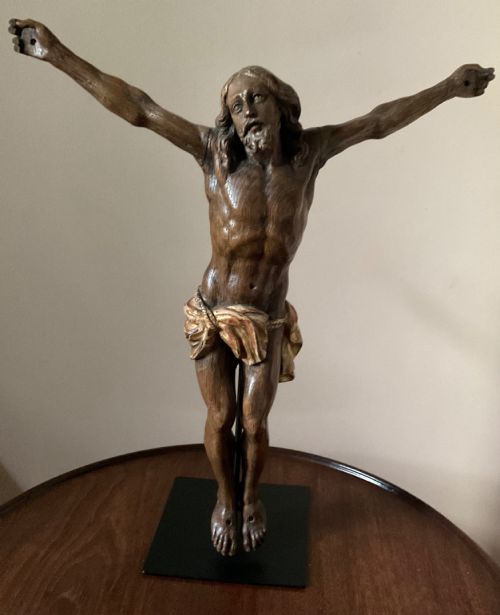
- Latin for the body of Christ, specifically referring to sculptural figures of Jesus on the cross. These objects concentrate on the physical suffering and theological significance of the crucifixion.
- Pentimento
- A visible trace of earlier painting beneath a layer of paint, showing where the artist changed their composition. This occurrence often helps authenticate older canvases.
- Polychrome
- Decorated in a variety of colours. Applied primarily to wooden sculptures to render flesh tones, robes and gilding with lifelike vibrancy.
- Giltwood
- Wood that has been covered with a thin layer of gold leaf or gold paint. Frames and relief panels frequently utilised this technique to catch candlelight in sacred spaces.
17th Century Religious Art: Frequently Asked Questions
What is 17th century religious art?
It encompasses paintings, carved sculptures and textiles produced in Europe and its colonies during the sixteen-hundreds to serve spiritual, devotional or liturgical functions.
These pieces reflect the theological priorities, Counter-Reformation pressures and artistic conventions of Catholic and Protestant communities across diverse regional schools.
How were these devotional pieces used?
Clients commissioned or purchased them for private prayer in domestic chapels, for display in parish churches, or as instructional aids within monastic communities.
Many portraits recorded influential clergy, theologians or pious donors who wished to demonstrate their faith and secure spiritual legacy.
How do I live with antique religious art?
These works integrate well into domestic interiors by serving as striking focal points in living rooms, studies or quiet hallways.
Protect paintings and textiles from direct sunlight, and keep wooden sculptures away from sudden temperature shifts to preserve their historic surfaces.
How can I tell Italian works from Spanish pieces?
Italian paintings from this period often display the theatrical dynamism of the Baroque with warm palettes and classical compositions.
Spanish works frequently emphasise solemnity, intense emotional introspection, or stark chiaroscuro lighting rooted in regional monastic traditions.